REVIEW · REIMS
From Reims/Epernay: Champagne half-day tour (small group)
Book on GetYourGuide →Operated by ABC Champagne Tour · Bookable on GetYourGuide
Champagne gets real when you meet the makers. This small-group half-day is guided by Angélique, a local who worked in vines and cellars, so you’re talking to the people behind the wine—not just the label. You’ll taste 6 different Champagne styles with food-pairing advice, and the day’s focused route (two domains plus Epernay and Hautvillers) is the main trade-off if you want hours inside the biggest houses.
What I like here is the mix of viewpoints: vineyard time in the Montagne de Reims and Marne Valley, then a look at Epernay’s famous Avenue and the hilltop setting of Hautvillers. It’s a tight 4 hours, but it’s built to help you understand what changes in the glass—from grape choices to soil work—without wasting time.
In This Review
- Key highlights
- A half-day Champagne tour that doesn’t feel rushed
- Your guide, Angélique, and why her perspective shapes the whole day
- 6 Champagne tastings with food pairing advice (and what to pay attention to)
- Two regions, two styles: Montagne de Reims and the Marne Valley
- Epernay in a van: Avenue pride without the hard sell
- Hautvillers Abbey: Dom Pérignon, hill views, and terroir on the ground
- Timing, meeting points, and how to plan your afternoon
- Price and value: is $188 worth it for a half day?
- Who this tour suits best
- Should you book this Champagne tour?
- FAQ
- How long is the Champagne half-day tour?
- What is the maximum group size?
- Where do I meet the tour in Reims?
- Where do I meet the tour in Epernay?
- When does the tour end?
- How many Champagne tastings are included?
- What’s included besides tastings?
- Which Champagne areas or sub-regions are visited?
- What languages is the tour offered in?
- Is free cancellation available?
Key highlights
- Meet Angélique, a former vine-and-cellar worker who connects you to independent producers
- 6 tastings across different blends, with guidance on what to notice and why
- Two terroirs: the Montagne de Reims and the Marne Valley, Pinot-led with some Chardonnay
- Epernay van city tour with a street-level sense of where the big names began
- Hautvillers Abbey visit, tied to Dom Pérignon and those wide views over the Marne
- Vineyard “how it’s done” talk: pruning systems, hand-harvest work, and why soil matters
A half-day Champagne tour that doesn’t feel rushed
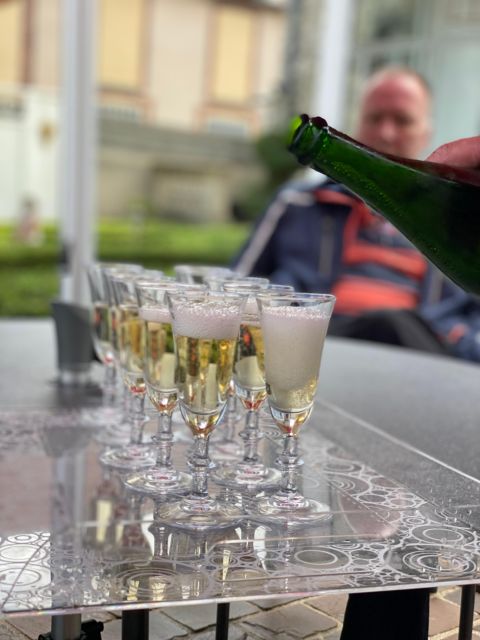
A 4-hour Champagne tour can go two ways: either it feels like a sprint, or it’s actually structured. This one aims for the second option by keeping group size to 8 participants max and using an AC van to cover the distances without stress. The small number matters because you can ask real questions, and Angélique can pace the day around what the producers are doing.
You also get a route that avoids the usual pattern of only showing the famous names. Instead, the focus is on the independent winegrowers who own most of the vineyard land in Champagne and supply grapes to the major brands. That angle changes how you taste—because you’re learning the production logic before you start judging the bubbles.
The downside is simple: you’re sampling, not consuming the whole Champagne universe. If your dream day is a deep, long visit inside a single major house, this route is more of a smart sampler.
You can also read our reviews of more wine tours in Reims
Your guide, Angélique, and why her perspective shapes the whole day
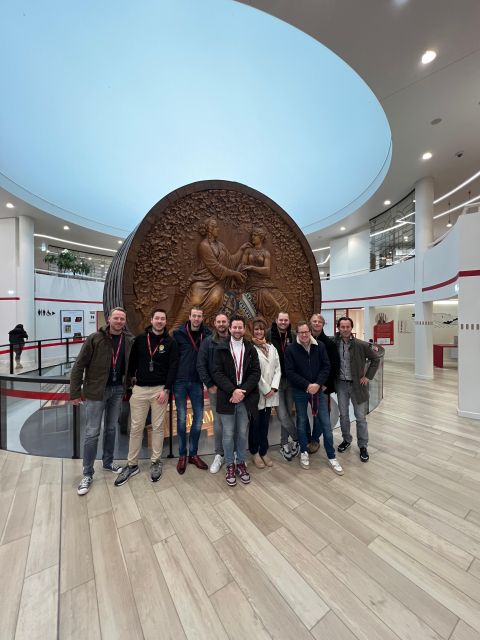
The biggest difference on this tour is who’s steering it. Angélique isn’t just a guide with facts—she’s tied to the region through real work history in vines and cellars. In practice, that means she’s able to explain Champagne like a working craft, not a classroom lecture.
She also has relationships with the people running the domains, which matters when the schedule depends on what the vineyards and cellars are doing. Harvest timing is a good example: during busy periods, you might still get a chance to see hands-on work like pressing, depending on what’s underway. Even when access is limited, the tour’s value comes from the way she frames what you’re seeing and tasting.
Languages are a practical win too. The tour runs in English and French, and a bilingual guide helps when you’re picking up details fast—especially during tastings where small differences are the point.
6 Champagne tastings with food pairing advice (and what to pay attention to)
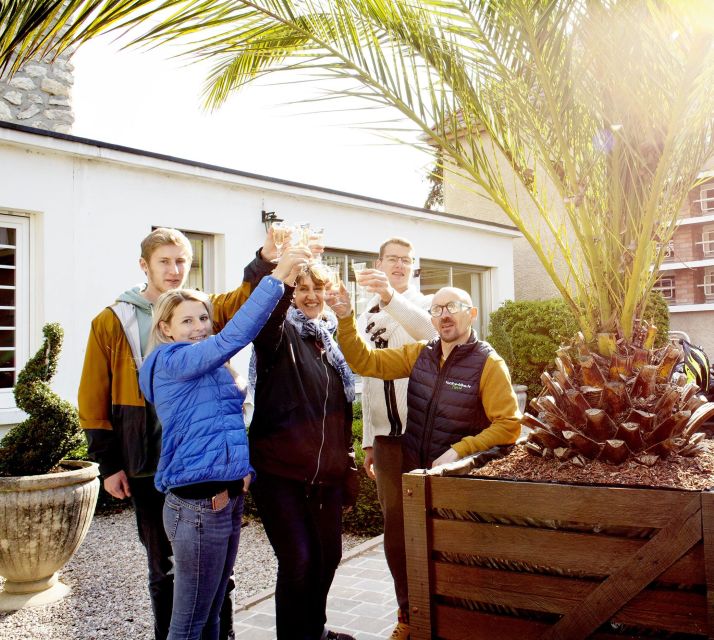
Six tastings in a half day sounds like a lot, and it is. But the key detail is that the tour doesn’t treat tasting like a checklist. You get pairing advice with the foods served alongside the wine, which helps you learn how Champagne behaves beyond the glass.
Here’s what I’d watch for during tastings:
- Blend differences: how styles shift when the balance of grapes or blending approach changes
- Structure vs. sparkle: how acidity and texture show up even when the bubbles are doing their job
- Pairing logic: which wines feel sharper or rounder when paired with salty vs. rich foods
This is also where the independent producer visits pay off. Instead of tasting “Champagne” in general, you’re tasting specific choices—what a grower does in the vineyards and how that translates to the final blend.
Practical note: you’ll be drinking multiple samples, so plan on relying on the van and avoid making other daytime plans that require sober driving or tricky timing.
Two regions, two styles: Montagne de Reims and the Marne Valley
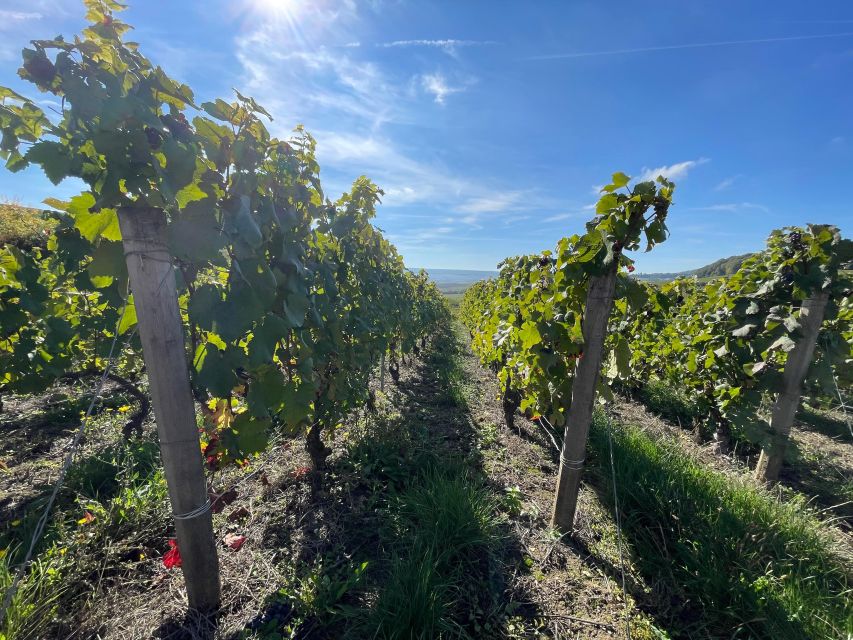
The route takes you to two different Champagne areas, each with its own feel: the Montagne de Reims and the Marne Valley sub-region. Pinot grapes are described as king in these areas, with a presence of Chardonnay as well. That mix is important because it explains why different villages can taste different even when they live under the Champagne label umbrella.
You’ll spend time meeting the winegrowers in the heart of their work—cellars and property—so you’re not just looking at finished bottles. The tour’s vineyard stops also focus on the human work behind the scenes: soil effort, pruning systems, and harvest done by hand. The point isn’t to name every technique. It’s to understand why Champagne can taste precise rather than generic.
There’s also a useful bigger-picture detail: these local winegrowers are among the largest landowners in Champagne, owning about 90% of the 34,000 hectares of vineyards. That puts them at the core of what Champagne becomes, including supplying grapes to the big commercial houses. When you learn that, the branding story makes more sense—because you’re seeing who controls the raw material.
Epernay in a van: Avenue pride without the hard sell
After the cellar time, you shift gears into a van city tour of Epernay, the cradle of Champagne. The highlight is the famous Avenue where the big houses were born. Even if you don’t spend hours inside those palaces, seeing the architecture and scale helps you connect Champagne to place.
Epernay is also a reminder that Champagne is partly a storage and patience game. The tour frames the scale with the idea that millions of bottles age in cellars—your brain needs that context to understand why houses invest in infrastructure and why independent growers’ grapes feed that machine.
What you likely won’t get here is a slow, unhurried browse of every street corner. The value is more about moving you through the city’s Champagne logic so you can come out with a mental map of where the story lives.
A few more Reims tours and experiences worth a look
Hautvillers Abbey: Dom Pérignon, hill views, and terroir on the ground
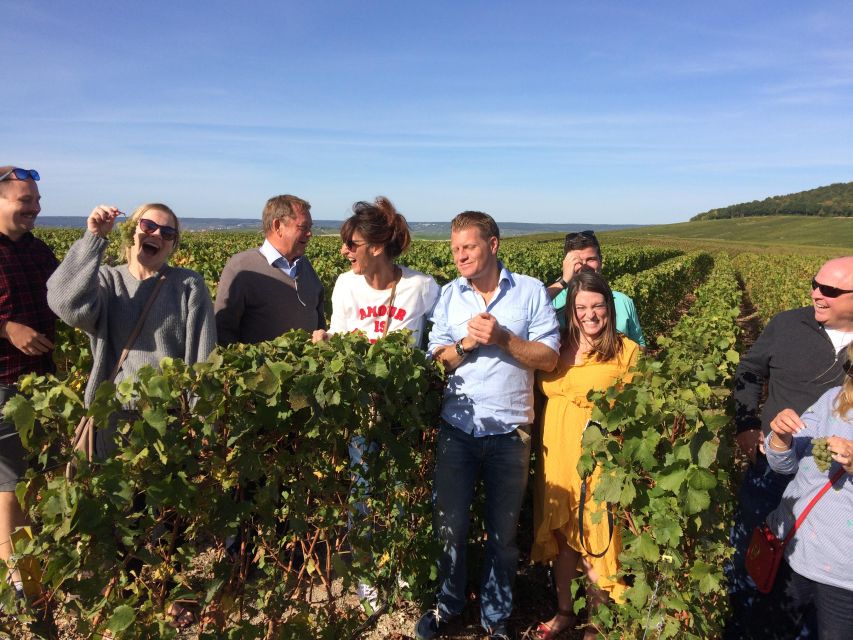
Then comes Hautvillers, the village people call a must when you’re in this part of Champagne. The centerpiece is an Abbey tour, tied to the famous monk Dom Pérignon, born in the Marne region. He’s presented as a key figure in blending—improving quality by combining grapes and crus (villages).
What makes this stop practical is the way it’s paired with views and vineyard context. After walking around the abbey setting, you get a perspective from higher ground: wide scenery over the Marne and toward the Côte des Blancs in the distance. It’s the kind of view that helps you understand why these vineyards are where they are.
The tour also includes a stop-and-go lesson on terroir—the tough work of the soil, the pruning systems, and the harvest done by hand. It’s not just poetry. It’s an on-the-ground explanation of how vineyard “gardening” drives what ends up in the bottle.
Timing, meeting points, and how to plan your afternoon
This tour runs about 4 hours, with a defined schedule. You can meet either in Reims or Epernay:
- Reims Central station at 1:30 PM
- Epernay tourist office at 2:00 PM
You’ll return to your pickup area between 5:30 PM and 6:00 PM, so it works well if you’re staying in Reims or Epernay and want a Champagne-focused outing without sacrificing your whole day.
The route moves by AC van, but you’ll still be getting out for cellar and abbey time, plus vineyard viewpoint moments. Dress for cool cellar air and possible outdoor time, and wear comfortable shoes. During harvest season, expect the domains to be busy—some access can depend on what’s happening that day.
Price and value: is $188 worth it for a half day?
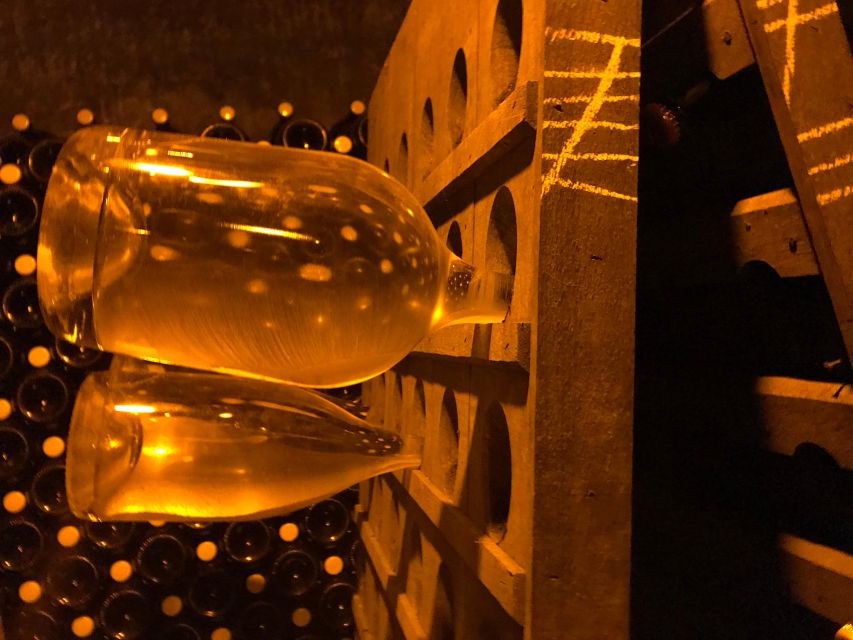
At $188 per person, this isn’t a bargain bucket. The value comes from what’s included, not from any vague promises. You’re paying for:
- pickup and drop-off
- AC van transport
- guided cellar access at two Champagne domains
- 6 tastings
- an Abbey visit
- city touring time in Epernay
- a terroir-oriented explanation tied to what you see
The big “value multiplier” is Angélique’s access to independent producers. When the tour is built around smaller domains rather than only the biggest commercial names, you’re more likely to taste with context—how the vineyard work shows up in the blend you’re holding.
The main reason it might not be the best fit is the time limit. You’ll get a focused highlight reel, not an all-day tour of one single producer or a full deep dive into multiple major houses.
Who this tour suits best
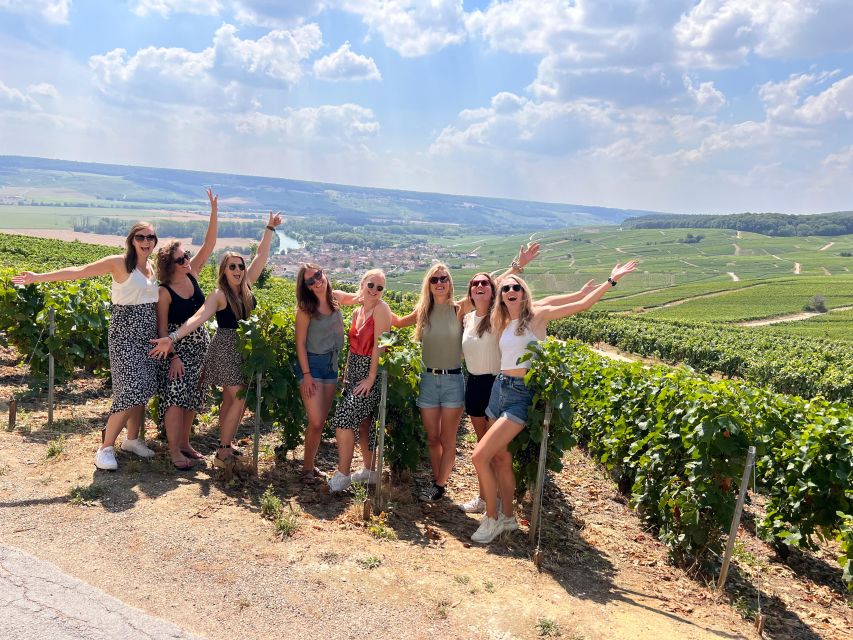
I think this tour is ideal if you:
- want to understand Champagne through growers and cellars, not just branding
- prefer a small group where questions are welcome
- like guided tastings with food pairing and explanation
- are based in Reims or Epernay and want a clean half-day plan
It’s less ideal if you:
- want to spend all your time inside one mega-house
- plan a second, tightly timed appointment right after the tour ends
Should you book this Champagne tour?
If your goal is to taste Champagne with real producer context, I’d book it. The mix of independent domain access, 6 tastings with pairing guidance, and the Hautvillers tie-in to Dom Pérignon gives you a strong “why” alongside the “what.”
Choose it especially if you want to feel how Champagne is made from Pinot-led vineyards and careful cellar work, with the added benefit of a guide who grew up in the region and worked there too. If you’re chasing only the biggest names or only want long, slow museum-style touring, you may want a different format.
FAQ
How long is the Champagne half-day tour?
It’s about 4 hours long.
What is the maximum group size?
The tour is a small group limited to 8 participants.
Where do I meet the tour in Reims?
The meeting point in Reims is Reims Central station at 1:30 PM.
Where do I meet the tour in Epernay?
In Epernay, you meet at the tourist office at 2:00 PM.
When does the tour end?
The tour returns between 5:30 PM and 6:00 PM to your pickup place (Reims or Epernay).
How many Champagne tastings are included?
You’ll do 6 Champagne tastings.
What’s included besides tastings?
Included are pickup and drop-off, an AC van, a guided tour of Champagne cellars/domains, an Abbaye tour, and a van city tour of Epernay with vineyard sightseeing.
Which Champagne areas or sub-regions are visited?
You visit domains in the Montagne of Reims and the Marne Valley sub-region.
What languages is the tour offered in?
The tour guide speaks English and French.
Is free cancellation available?
Yes. You can cancel up to 24 hours in advance for a full refund, and you can also reserve now and pay later.