REVIEW · PARIS
From Paris: Small-Group Champagne Day Trip with Six Tastings
Book on GetYourGuide →Operated by Blue Fox Travel · Bookable on GetYourGuide
If you love Champagne, this day trip starts early and pays off. You’ll see how Champagne is grown and made, then taste your way through the region with two very different producers and a stop at Reims Cathedral.
I especially like the contrast: a big modern house tour paired with a more personal family producer visit. I also love the education baked into the day—how grapes are grown and harvested, plus the Dom Pérignon story in Hautvillers. One drawback: it’s a long ride out and back, so you’ll want snacks or a plan for that early start.
With a small group of up to 8, this trip feels more like a guided day with space to ask questions than a cattle-car Champagne crawl. You’ll get three tastings at Nicolas Feuillatte and at least three different Champagne types at a local family winery, plus time to explore the area around Reims. The main trade-off is simple: food isn’t included, so you’ll pay for lunch in Épernay on your own.
In This Review
- Key things I’d circle on your calendar
- The 7 AM Departure: Why the early start works
- Meeting at Café Dada Ternes and riding in a grey minibus
- Reims Cathedral of Notre-Dame: Gothic architecture with coronation gravity
- Hautvillers Abbey: Dom Pérignon’s gravesite and the origin story
- The family-run winery tasting: where you learn the grape-to-bottle logic
- Lunch in Épernay (1 hour): plan for food on your own
- Nicolas Feuillatte House tour: the big, modern Champagne machine
- Tastings that actually teach your palate
- What the guides do well (names you may hear)
- Logistics and timing: what to expect from the full-day schedule
- Price and value: is $271 per person fair?
- Who should book this Champagne day trip
- Should you book it?
- FAQ
- What is the duration of this tour?
- How many people are in the group?
- What time does the tour depart from Paris?
- Where is the meeting point?
- Is food included?
- How many Champagne tastings are included?
- Do I get skip-the-line access?
- Is the tour guide in English?
- What’s the cancellation policy?
Key things I’d circle on your calendar
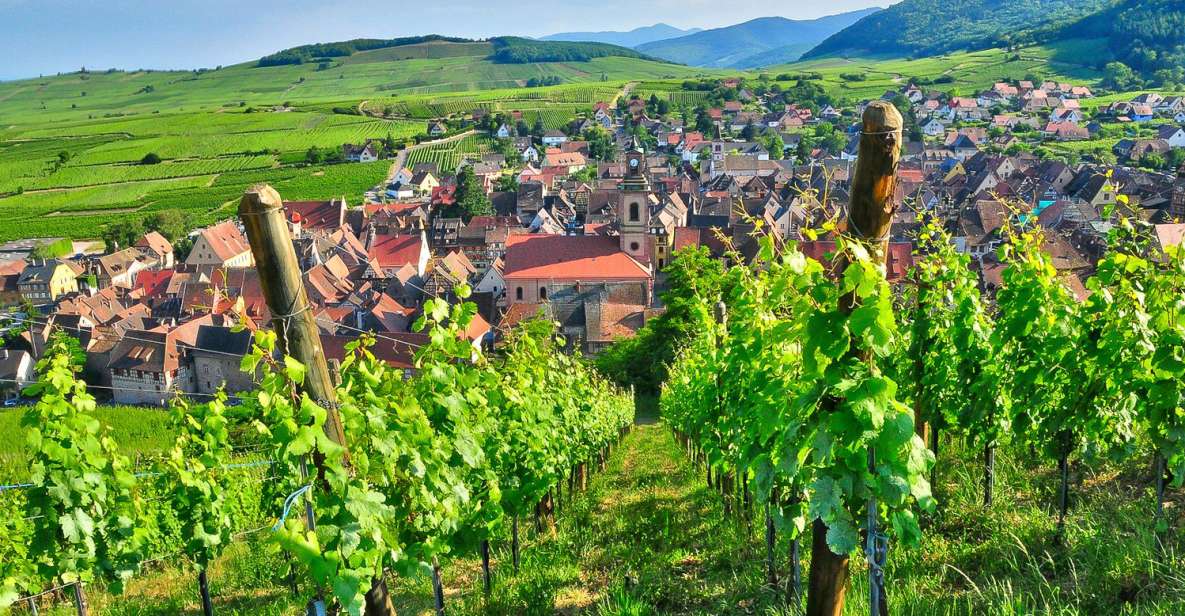
- Two producers, two styles: Nicolas Feuillatte in Epernay-style scale, plus a family-run winery with a more hands-on feel
- 6 Champagne tastings total (three at each stop), enough variety to learn your own palate
- Hautvillers + Dom Pérignon’s gravesite at the abbey chapel, tied directly to the history you’ll hear
- Reims Cathedral of Notre-Dame, famous for its Gothic design and the coronations tied to France’s kings
- Max 8 people with an English live guide, which usually means better attention and easier questions
- 7 AM departure all year from Paris, great for avoiding some daytime crowds but not great if you hate mornings
The 7 AM Departure: Why the early start works
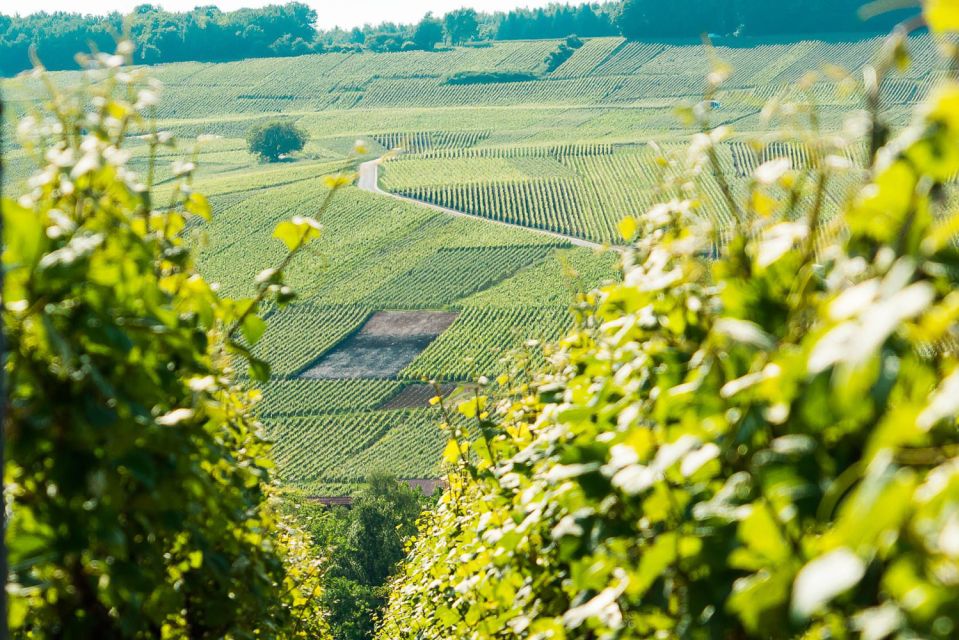
This trip leaves Paris at 7:00 AM, everyday and all year. That’s early, yes. But it’s also why the day feels efficient instead of rushed. Champagne regions can get busy, and the morning start helps you reach the key sites while everyone else is still waking up (your guide is already in “showtime” mode).
If you’re sensitive to long drives, pack a travel pillow or at least be ready to settle in. The road back is part of the experience—views change as you leave the city and enter vineyard country—but it’s still an all-day schedule.
You can also read our reviews of more wine tours in Paris

Meeting at Café Dada Ternes and riding in a grey minibus
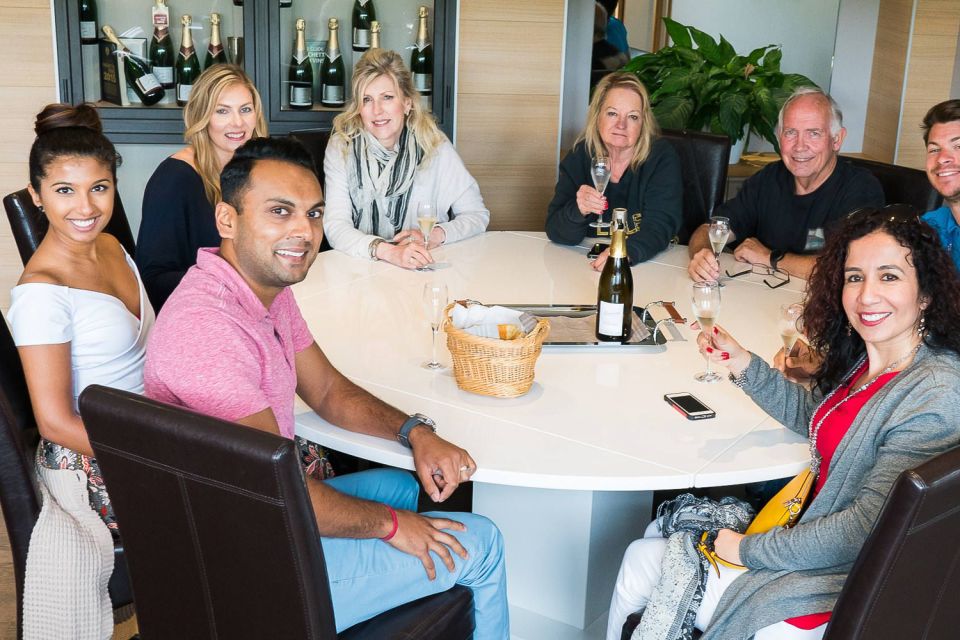
Your pickup point is a café called Café Dada Ternes (at the start location listed as Dada). Show up at least 15 minutes early, because tours start sharp. The driver-guide arrives with a grey minibus about 10 minutes before departure, so you’re not left guessing.
The small-group size matters here. With a maximum of 8 people, the minibus feels manageable, and it’s easier for your guide to keep the group together during quick transitions.
Reims Cathedral of Notre-Dame: Gothic architecture with coronation gravity
One of the biggest “wow” stops is Reims Cathedral of Notre-Dame. You get about 30 minutes at the cathedral itself, then more time later to explore the area connected to the coronations.
What you should know before you go: Reims Cathedral is a defining model of Gothic art. If you’ve seen other big Gothic churches in France, this one gives you a slightly different angle—more scale, more drama, and a strong sense of how important the monarchy was to the visual culture of the time. The link to Champagne is personal too. Reims is where the kings of France were crowned, so your day isn’t only about bubbles—it’s also about French identity.
Tip: in 30 minutes, you’ll enjoy it more if you go in with one target detail (the façade, the rose window area, or interior proportions) and let your guide point out the rest.
Hautvillers Abbey: Dom Pérignon’s gravesite and the origin story
Before Champagne turns into tastings, this day roots you in where the story starts. You’ll stop at the Abbaye Saint-Pierre d’Hautvillers, with time at the chapel connected to Dom Pérignon, often called the father of Champagne.
You’ll hear the history in a way that actually connects to what you’re going to taste later. Dom Pérignon isn’t just trivia. The guide frames him as part of how Champagne became its own thing—why methods mattered and how the region’s winemaking culture formed over time.
This is also where the landscape starts to feel real. Hautvillers is small, vineyard-close, and easy to imagine as an everyday working place rather than a theme park for Champagne fans.
The family-run winery tasting: where you learn the grape-to-bottle logic
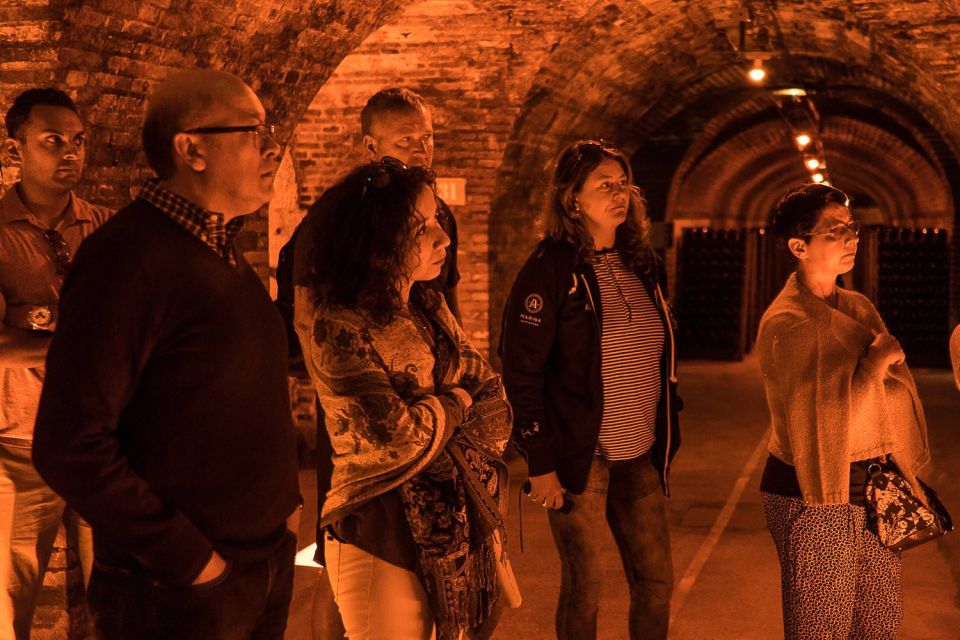
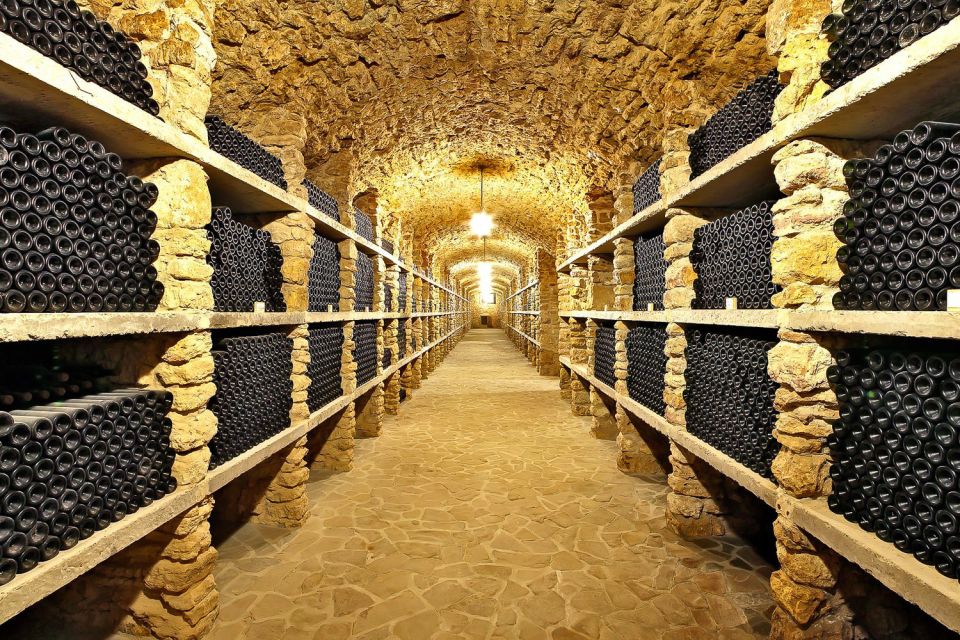
Next comes a stop with a more local, family-run producer. You’ll hear about the wine-growing process and taste at least three different types of Champagne. The tour includes three glasses here, so you’ll have enough to compare rather than just sample.
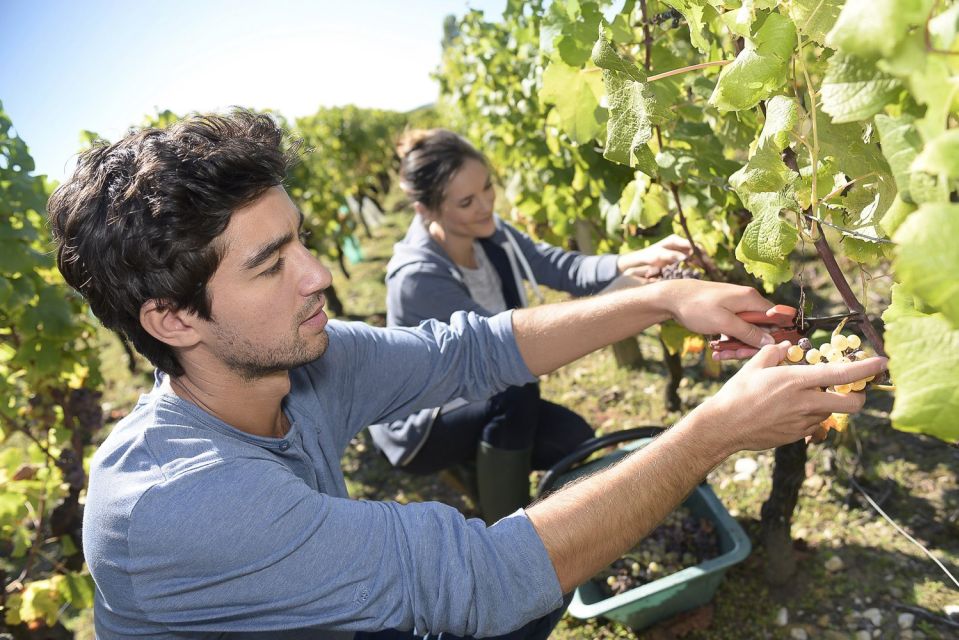
This part of the day is valuable because it gives you the “why,” not only the “what.” The guide’s explanations of how grapes are grown and harvested make your later tastings easier to decode. You start noticing differences that are usually invisible on a shelf: balance, texture, and the way acidity shows up depending on how the wine is built.
Also, this visit is where buying a bottle feels like a real souvenir. Some family producers don’t have the same export reach, so you can find bottles that don’t show up everywhere at home.
A few more Paris tours and experiences worth a look



Lunch in Épernay (1 hour): plan for food on your own
You’ll have about 1 hour in Épernay for lunch. Food isn’t included, so you’ll pick your own spot.
This is a good break, and it can also help you manage the day’s energy. You’re going to drink Champagne later—enough that you’ll want to feel human before the tasting flight. If you’re hungry, eat something. If you want a lighter option, go with a sandwich and then use the rest of your time to walk and take photos.
One practical move: if you want more time tasting in the Avenue de Champagne area on your own, keep lunch simple and don’t turn it into a two-hour sit-down. The schedule already moves you fast, and one hour disappears quicker than you think.
Nicolas Feuillatte House tour: the big, modern Champagne machine
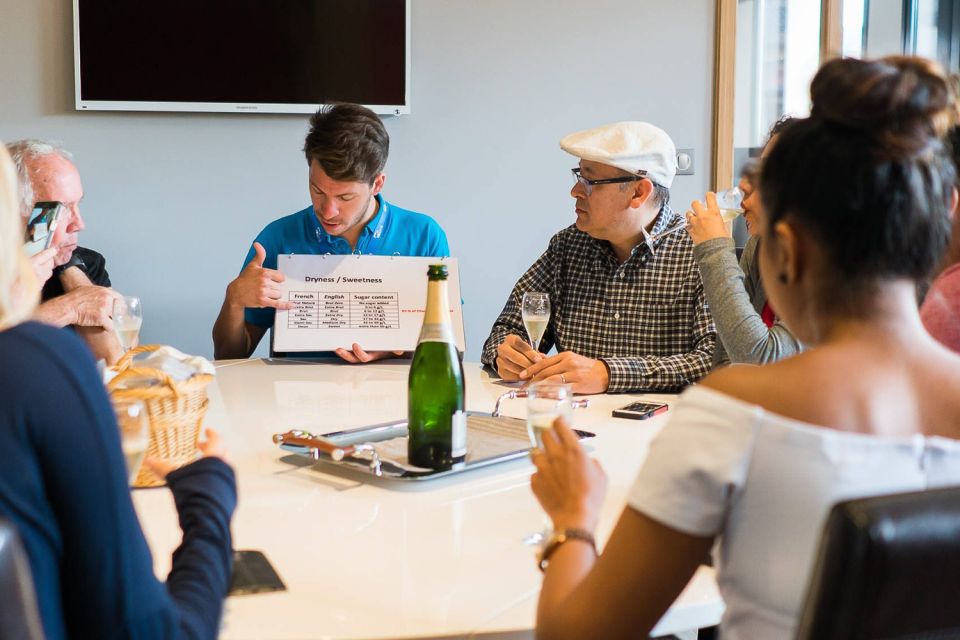
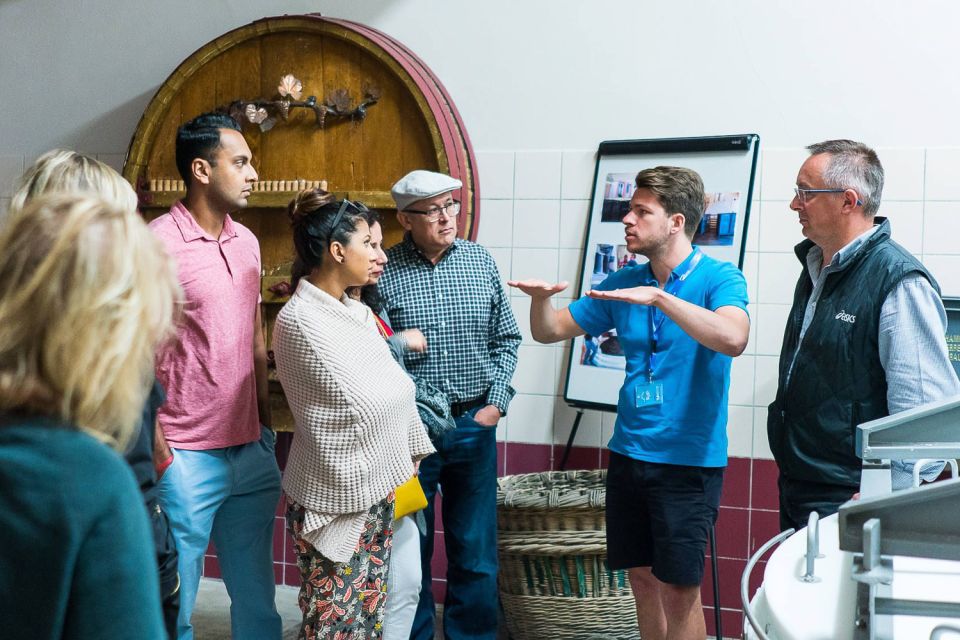
Now the day shifts gears. You’ll visit Nicolas Feuillatte, described as the world’s largest Champagne producer. The tour here takes about 80 minutes, and you’ll taste three glasses during the visit.
Even if you’re not obsessed with fermentation tanks and logistics, the scale teaches you something important. Big producers run with systems: how they manage production, consistency, and volume while still producing wines that feel distinctly Champagne.
What I like about this stop is that it lets you compare two different approaches in one day. Your palate gets a real lesson: smaller producers often emphasize character and craft feel; larger operations often emphasize precision and reliability. Both can be excellent. The point is that you get to tell the difference for yourself.
Tastings that actually teach your palate
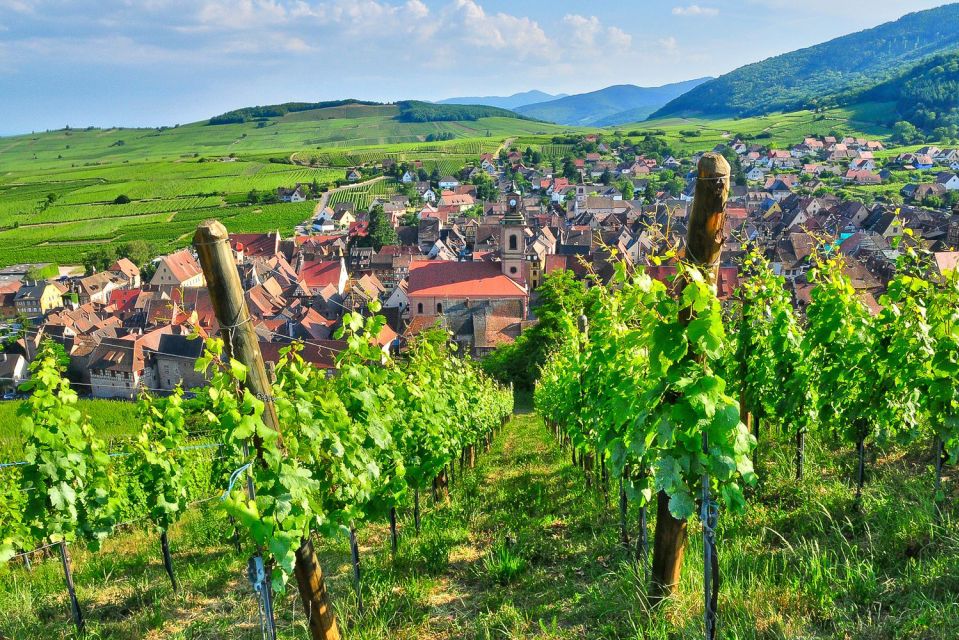
In total, the tour is set up for six Champagne glasses across the day. That’s a smart amount. Enough to notice differences, but not so much that you can’t remember what you tasted.
Here’s how you can get more out of it:
- Take one moment between sips to focus on acidity and finish rather than just sweetness or fruit notes.
- Compare how the first tasting feels versus the later one. Your palate adjusts quickly, and the day is structured to show you that.
- Ask your guide what to look for. With a small group, questions land better than in larger tours.
Also, you’ll hear about different techniques for growing and harvesting grapes. That’s not just “tour talk.” It’s the key to why Champagne tastes different from bottle to bottle.
What the guides do well (names you may hear)
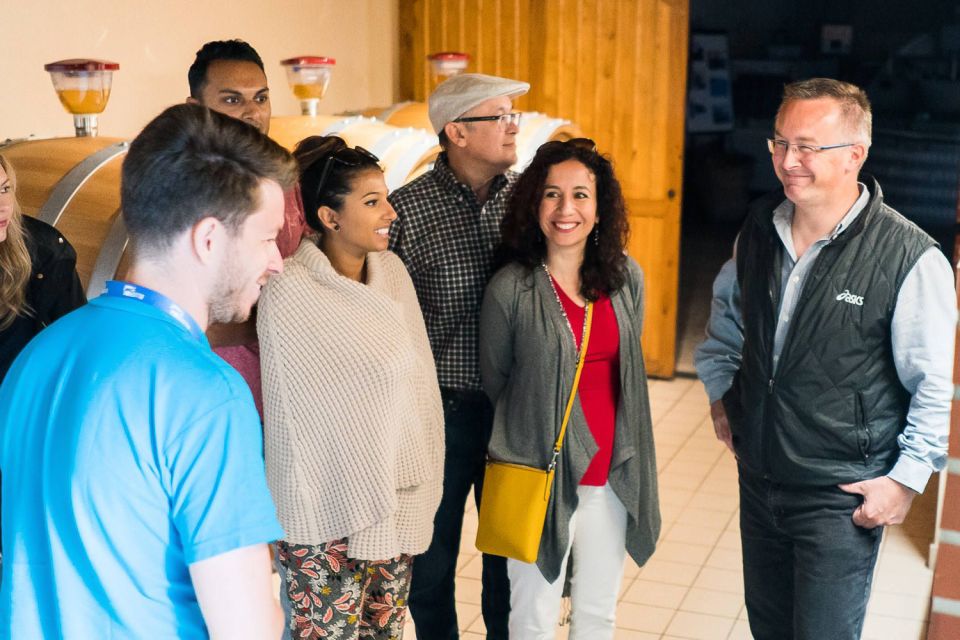
A lot of the high praise centers on the people leading the day. Different guides show up on different dates, and you might meet professionals who have been credited by name in past departures—like Mathieu, Jean, Frankie, Will, Kasia, Karim, Olivier, Laurent, Julie, Wendy Sam, Valeria, Gabe, and Chris. While you can’t count on the exact same person, the consistent theme is that the guidance is energetic, organized, and built around explaining what you’re seeing.
If you care about history or grape-growing details, this is where you’ll feel the value. You’ll likely come away with clearer answers than you’d get from a fast self-guided museum-style stop.
Logistics and timing: what to expect from the full-day schedule
This is a full day at 11 hours. The drive from Paris is part of it, and you should budget your own stamina accordingly. The day includes:
- transfers to Champagne region stops
- brief time at Reims Cathedral
- multiple winery-focused visits with tastings
- a lunch hour in Épernay
Because you’re tasting, timing matters. You’ll want to eat earlier than you think, especially since lunch is later and food isn’t included. A light breakfast before you leave Paris can make the whole day feel smoother.
Price and value: is $271 per person fair?
At $271 per person, this isn’t a budget activity. But for Champagne from Paris, it’s in the “serious day out” range that can still feel fair if you use the time well.
Here’s the value logic:
- Small-group format (max 8) often costs more than big bus tours, but it improves the experience—questions are easier and the day doesn’t feel like a conveyor belt.
- You’re paying for transport plus guided visits plus tastings, not only for the Champagne itself.
- You get two distinct Champagne producer experiences—a family-run winery and Nicolas Feuillatte—so you’re not repeating the same thing twice.
If what you want is just a quick taste and a gift shop stroll, there are cheaper ways to scratch that itch. If you want learning plus six glasses plus famous cathedral time, this is closer to what you’re paying for.
Who should book this Champagne day trip
This is a great fit if:
- you want a guided Champagne education, not just a tasting room hour
- you like comparing small vs large producer styles
- you want a cultural anchor in the day with Reims Cathedral
- you prefer a small group and a clear schedule
It may not be ideal if:
- you hate early mornings (departure is 7 AM)
- you’re expecting lunch to be included (it’s not)
- you want lots of free time at each site (the stops are meaningful, but the day is structured)
Should you book it?
Yes, if your trip logic is Champagne + real context. This day trip is built around smart contrast: a family-run winery for hands-on grape-to-bottle context, then Nicolas Feuillatte for a large-producer perspective, plus Hautvillers and Dom Pérignon for history, and Reims Cathedral for the bigger French story.
Book it particularly if you want value in the form of explanations and comparisons—not only “drink Champagne and take pictures.” If you like structure and you can handle a long day, you’ll likely leave with bottles, better taste instincts, and a clearer idea of why Champagne is so complicated in the best way.
FAQ
What is the duration of this tour?
The tour duration is 11 hours.
How many people are in the group?
The group size is capped at a maximum of 8 people.
What time does the tour depart from Paris?
The tour departs all year round at 7 AM.
Where is the meeting point?
You’ll meet at Café Dada Ternes (located at the address listed for the tour’s starting location).
Is food included?
No. Food is not included, and lunch is in Épernay for you to purchase.
How many Champagne tastings are included?
You’ll have three glasses of Champagne at the family-run winery and three glasses of Champagne at Nicolas Feuillatte.
Do I get skip-the-line access?
Yes, you’ll have skip the line through a separate entrance.
Is the tour guide in English?
Yes, the live tour guide is English.
What’s the cancellation policy?
You can cancel up to 24 hours in advance for a full refund.