REVIEW · PARIS
From Paris: Loire Valley Castles Tour with Hotel Transfers
Book on GetYourGuide →Operated by ParisCityVision · Bookable on GetYourGuide
Three châteaux in one long day.
This Loire Valley outing works because you get hotel pickup and guided time inside three major sites, not just bus-window photos. I like the mix of Château de Chambord’s French Renaissance scale, Château de Chenonceau’s dramatic, woman-shaped story, and Cheverny’s polished “art of living” vibe. The trade-off is the schedule is tight and you’ll do a fair amount of walking from the coach to each château—so wear proper shoes and expect an all-day effort.
You start in Paris by air-conditioned coach and you’ll be back in the evening, with free time for lunch on your own during the day (it’s not built in). I also appreciate the practical rhythm: bus time between stops, guided tours to get your bearings, then space to wander and look at details at your own pace.
In This Review
- Key things you’ll notice on this Loire castles day trip
- Getting out of Paris and into castle mode
- Château de Chambord: Francis I, Renaissance drama, and big views
- Château de Chenonceau: the “story castle” on the Cher River
- Château de Cheverny: 17th-century comfort and garden time
- Your guides, the coach ride, and how the day stays on track
- What $212 buys you (and what it doesn’t)
- Timing realities: long day, uneven ground, and lunch planning
- Who this Loire day trip fits best
- Should you book this Loire Valley castles tour?
- FAQ
- How long is the tour?
- Which châteaux are visited?
- Is hotel pickup included?
- Where does the tour end?
- Are lunch or tickets included?
- What languages are the guides available in?
- Is the tour wheelchair accessible?
- What restrictions should I know about?
Key things you’ll notice on this Loire castles day trip
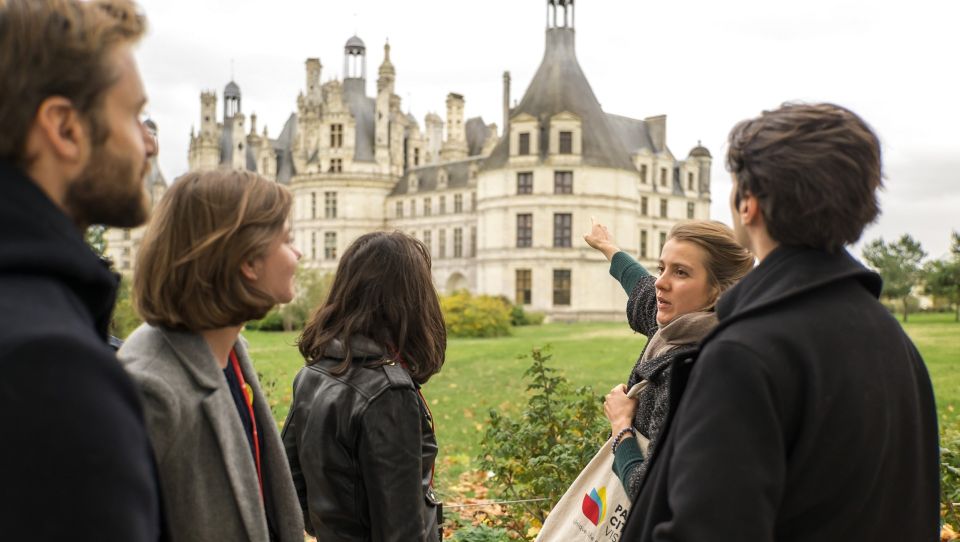
- Chambord’s Francis I Renaissance design (and a designer mystery): built 1519–1547, plus the long-running debate over who really shaped it (names like Leonardo da Vinci come up).
- Chenonceau’s fairy-tale setting on the Cher River: the story is driven by the women who lived there, including tales of royal love and kidnapping.
- Women-centered history with real spectacle: Chenonceau is also noted for being home to France’s first fireworks display.
- Cheverny’s “French art of living” feel: a 17th-century château with tastefully furnished rooms and standout gardens.
- Guided tours + free time: you’ll get guided context, then actual room to stroll on your own—especially helpful if you like photos and detail-hunting.
- Pickup included, drop-off not included: the tour ends at Pullman Paris Centre Bercy, so plan your ride back to your hotel.
Getting out of Paris and into castle mode
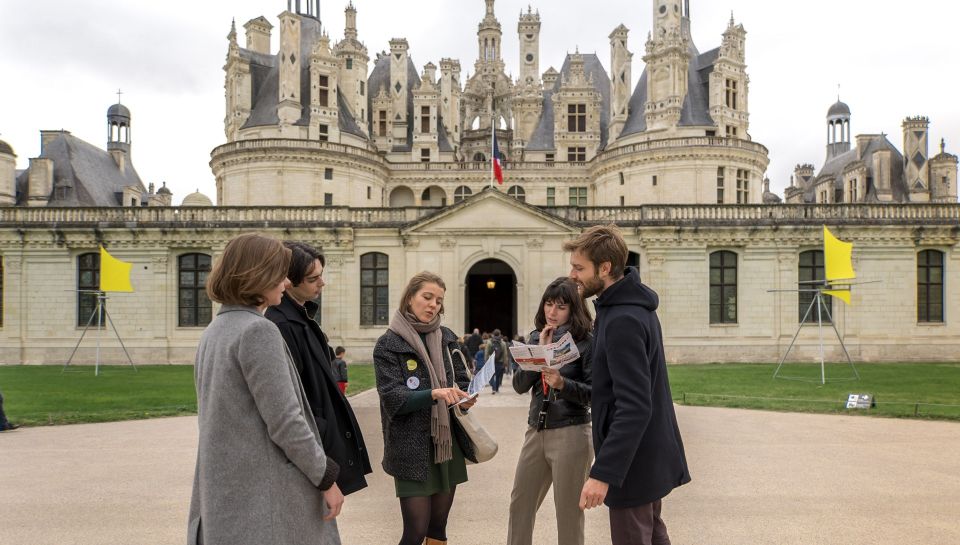
The first thing you’re paying for here is momentum. You’re not spending your morning figuring out trains, connections, or how to get across the Loire region. Instead, you get hotel pickup and a comfortable, air-conditioned coach. That matters because this is a 13-hour day, and the value is in using those hours to actually see things.
You’ll spend time on the road between stops—so treat it like a “workday with no meetings,” meaning bring what makes you comfortable: a water bottle, something for the ride (music or downloaded maps), and wear shoes you can walk in for uneven ground. One review flagged that there may not be a restroom right on the coach for the whole trip, and another mentioned limited bathroom stops on the return. You can’t control traffic or the exact timing, so the best move is to plan ahead and use the scheduled breaks when you see them.
Also note where you finish: the tour wraps at Pullman Paris Centre Bercy, and the tour doesn’t include hotel drop-off. If your hotel is far from there, it’s worth mapping your easiest ride option before the day starts.
You can also read our reviews of more tours and experiences in Paris.



Château de Chambord: Francis I, Renaissance drama, and big views
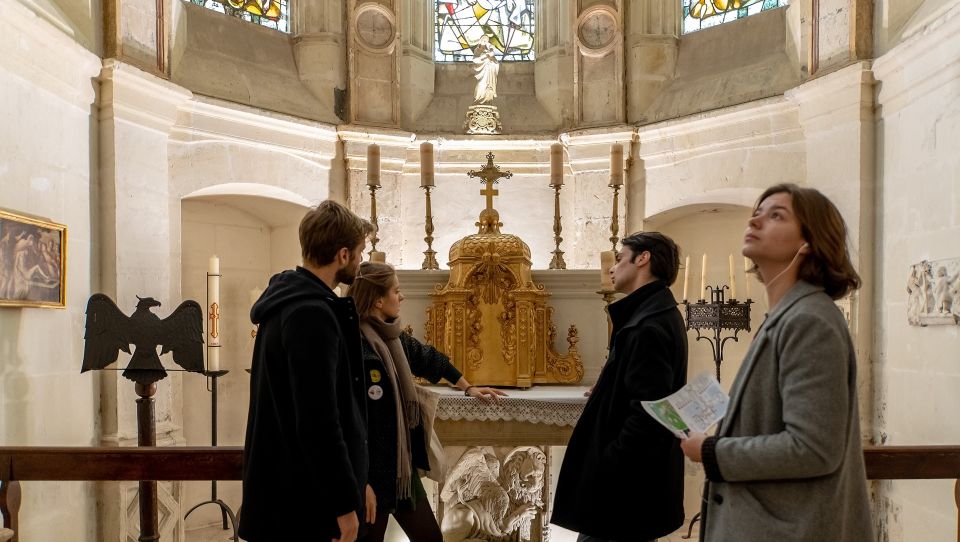
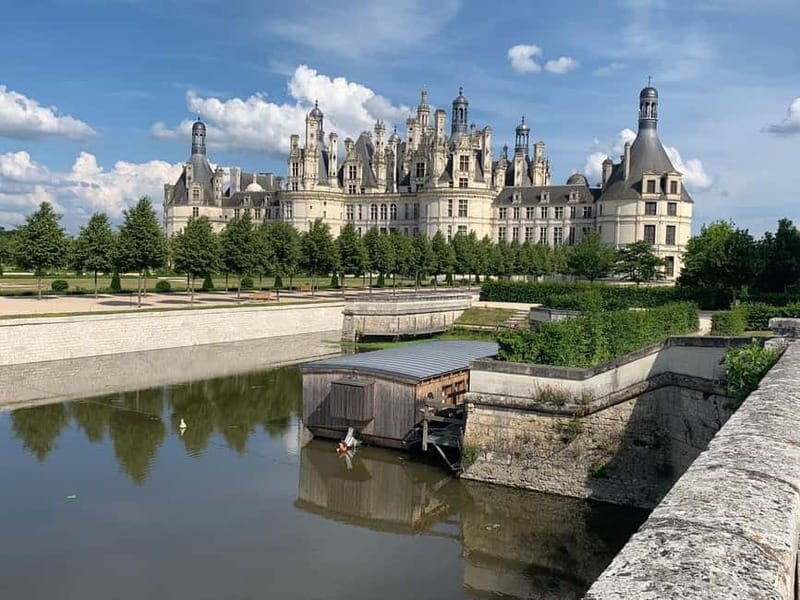
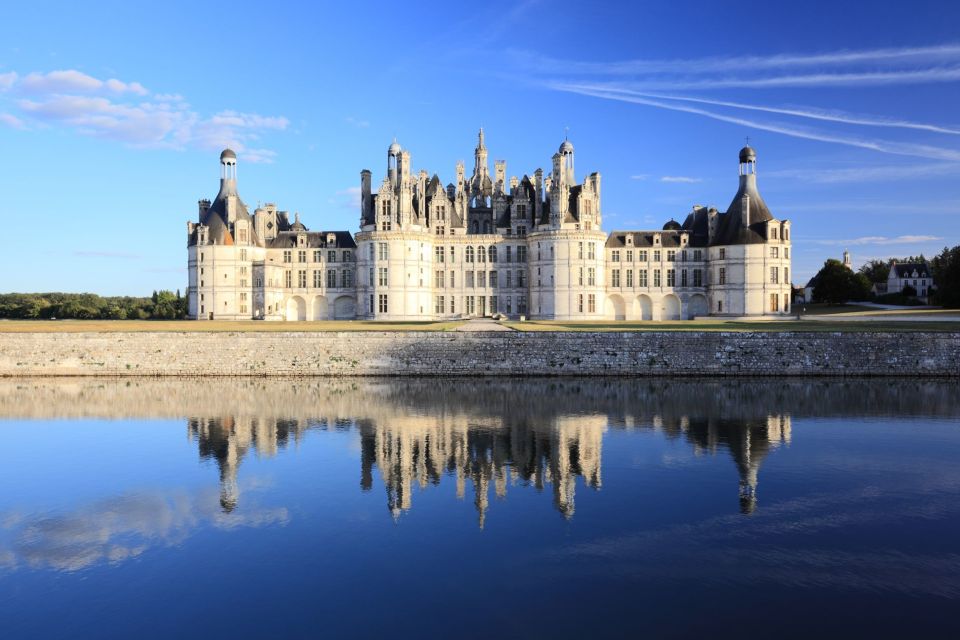
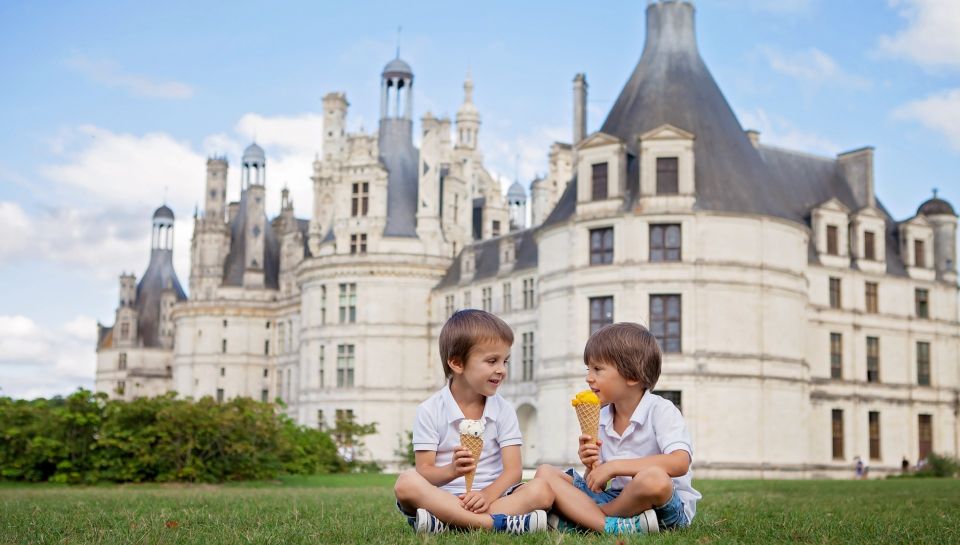
Chambord is the kind of place where the exterior alone can eat up your attention. This château was built by King Francis I between 1519 and 1547, and it’s the largest château in the Loire Valley. You’re looking at French Renaissance architecture on a scale that feels almost theatrical—lots of symmetry, lots of stonework detail, and those famously eye-catching rooflines that make you stop even when you’re trying to keep moving.
Here’s why I think Chambord works so well on a day trip: the guided tour helps you read what you’re seeing. Without context, you can end up only admiring “pretty windows and towers.” With a guide, you start connecting design choices to the era—how power wanted to look, how grandeur was staged in stone, and how this place fit into Francis I’s world.
There’s also the charming fact that the designer question isn’t settled. The debate includes heavyweight names like Leonardo da Vinci, which turns your walking route into a bit of historical detective work. You don’t need to become an art historian by lunch. You just need your eyes open, and a guide can point out what to look for.
Practical note: you’ll have guided time and then time to sightsee. I like this pairing. The guidance gives you a structure; then free wandering lets you linger where your curiosity goes—maybe on stair details, maybe on views from courtyards.
Château de Chenonceau: the “story castle” on the Cher River
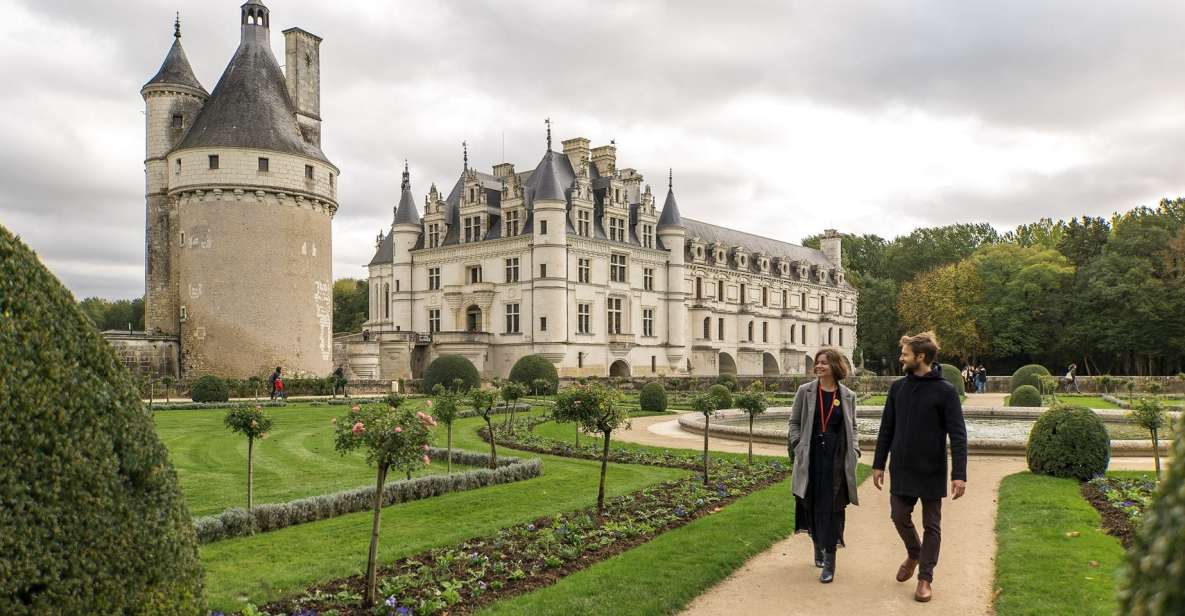
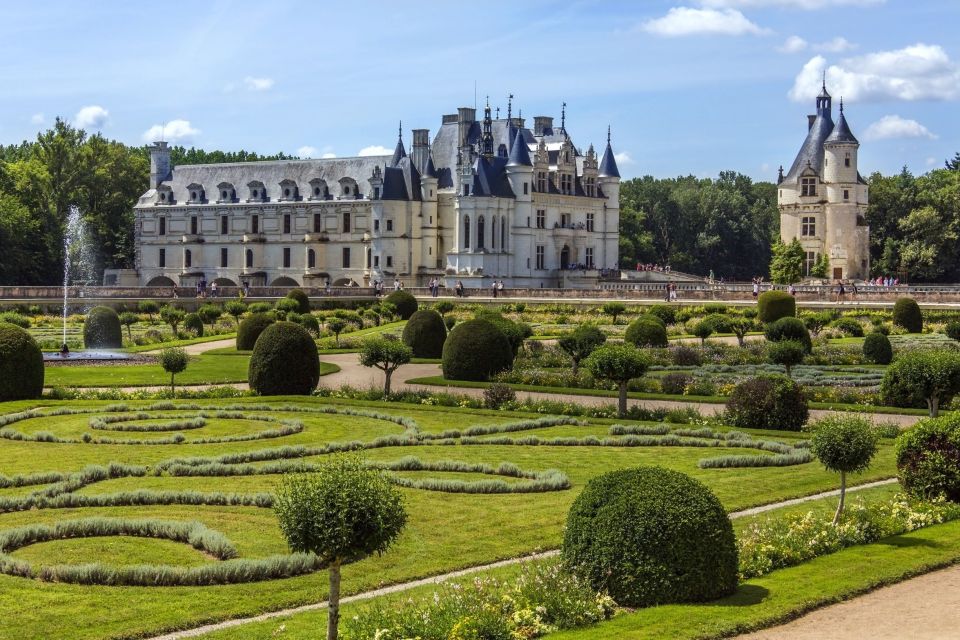
Chenonceau is the stop you’ll likely talk about later—not because it’s just pretty, but because it’s built to feel like a narrative. It sits on the banks of the Cher River, and the château’s character is shaped by the women who lived there. That means your guided tour isn’t only about architecture. It’s about who had influence, who made decisions, and how personal life collided with politics.
Expect the history to come with sharp twists. The overall framing includes tales of royal love and kidnapping, and that combination is exactly what makes Chenonceau feel like a movie set—except you’re standing in the real rooms. One of the most memorable details tied to Chenonceau is that it hosted France’s first fireworks display. That’s the kind of fact that turns a quiet stroll into a “wait, that really happened here?” moment.
The second half of your Chenonceau time includes free time, not just a guided pass. This is a big deal. It gives you room to slow down and choose your own route for photos and lingering. If you’re the type who likes to sit for a few minutes and watch the river light change, this is where you’ll enjoy it most. If you prefer steady movement, you can still do a lot without feeling rushed—just stay aware that the overall day is packed.
As for food: lunch isn’t included, but your schedule gives you a window where you can use the free time at Chenonceau or Chambord for lunch on your own. That’s practical, because you can decide what fits your appetite and budget rather than being tied to one fixed option.
Château de Cheverny: 17th-century comfort and garden time
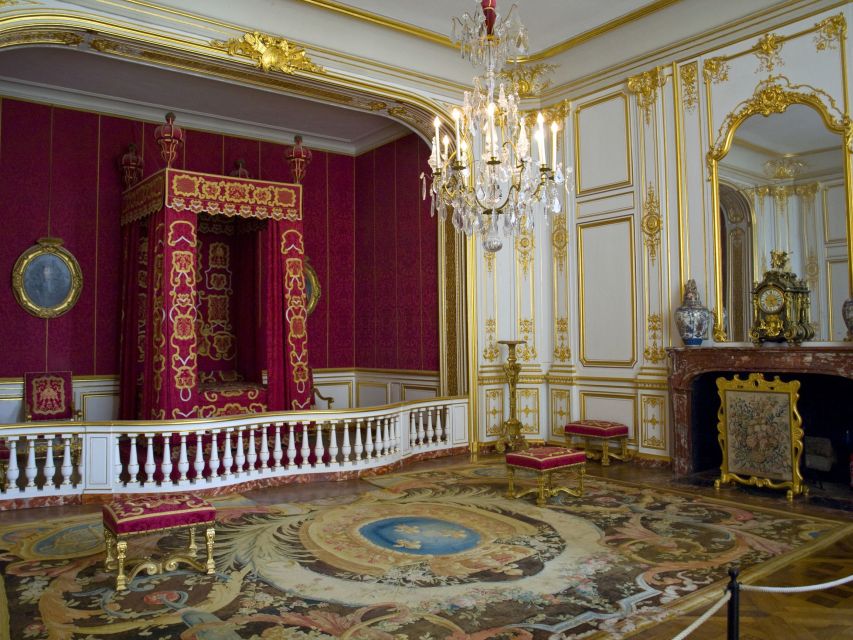
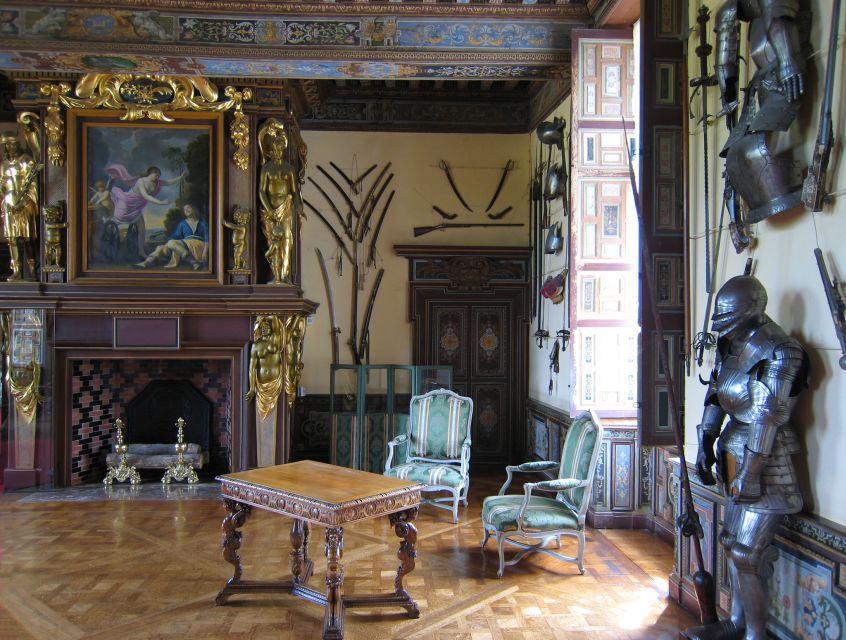
Cheverny is a different flavor from the other two. Chambord feels grand and formal. Chenonceau feels story-driven and dramatic. Cheverny leans toward a lived-in elegance: a 17th-century château with rooms furnished in a way that emphasizes taste and atmosphere, plus marvelous gardens.
This stop is a good reminder that “Loire castles” isn’t one style. Cheverny can feel more intimate. You’re still getting a guided tour, which helps you understand how the place was arranged and how the château’s identity comes through. Then you get a chance to experience the gardens, which is often where the day’s stress starts to melt away.
One thing to keep in mind: the timing here depends on the day’s logistics. In at least one reported case, the plan shifted (Cheverney wasn’t visited on Mondays and Amboise was substituted). You can’t plan around that unless you know the exact operating details for your date, so check your final confirmation. But either way, you’re still getting a château-focused day, with guided context and a strong chance of memorable outdoor walking.
Your guides, the coach ride, and how the day stays on track
This tour stands or falls on communication. And the good news is: many guides here seem to do well with the crowd. Reviews mention guides including Claire, Abel, and Martina, and the pattern is consistent—people come away learning a lot, and the guides handle questions calmly.
That matters because castle history can sound like memorization. A good guide turns it into something you can actually hold onto: why power built like it did, how stories got shaped, and what details are worth your attention. When a guide answers questions and keeps the group moving on time, you don’t feel like you’re racing through masterpieces.
Coach comfort is also part of the experience. Reviews highlight that the transportation is comfortable and the driver is skilled. That reduces the stress of a long day in transit, which is important because you’re bouncing between three sites that each require energy to enjoy properly.
One more realism check: the tour is not wheelchair suitable, and you should also think about mobility in general. Expect uneven paths, cobblestones, and some walking uphill or between areas. Even if you’re fine on your feet, it can add up. If you’re bringing older family members, plan for slower movement and don’t assume every photo spot is a five-second walk from the coach.





What $212 buys you (and what it doesn’t)
At $212 per person for a 13-hour day trip, you’re not just paying for entry tickets. You’re paying for the whole package: air-conditioned coach, local guide(s), guided château time at multiple major sites, and hotel pickup across Paris.
That can be good value if you don’t want to do the planning math yourself. The logistics of getting between three different château locations in one day are exactly the kind of thing that can eat your day. Here, the route is handled, and the guides manage the pacing inside the sites so you get more “seeing” than “wandering.”
What you should budget for yourself:
- Lunch is on you (free time exists, but lunch isn’t included).
- You end at Pullman Paris Centre Bercy, and hotel drop-off is not included.
- Any personal snacks, water, and whatever you decide to pay for during free time.
Also, check how you feel about “guided tours in short bursts.” If you love deep, unhurried museum-style reading, you might find the pacing a bit brisk. But if you want a high-yield day with real context and great photo stops, the time structure is a strength.
Timing realities: long day, uneven ground, and lunch planning
This is a long day. Even when the ride is comfortable, your body notices the schedule. There’s also the practical detail that you’ll be doing significant walks from the bus to each château. That’s not a “dress for the photo” situation. It’s a “bring shoes you can trust” situation.
Packing tip: comfortable shoes are explicitly recommended, and that’s good advice. If your feet are picky, consider a simple plan—good socks, supportive sneakers, and a small blister kit just in case. You don’t want your day to be about pain.
Lunch planning: because lunch isn’t included, you have to decide where you’ll eat during the free time at either Chenonceau or Chambord. If you’re traveling with a limited appetite for crowds, arrive with a simple mindset: grab something that works, eat, and get back out to enjoy the sites. You’ll get more out of the day if you don’t turn lunch into a second expedition.
Who this Loire day trip fits best
This tour is a strong match if:
- You want the classic Loire highlights in a single day from Paris.
- You like guided context to help you understand what you’re seeing at Chambord, Chenonceau, and Cheverny.
- You value hotel pickup and don’t want to wrestle transport planning.
It may be less ideal if:
- You need wheelchair access (it’s not suitable for wheelchair users).
- You prefer slow travel with long free roaming, because the day is structured and the walking adds up.
- You’re hoping for guaranteed restroom access on the coach for the entire return drive. Plan to use stops when available.
If you’re traveling solo, this can be especially useful. You get the route, the guide, and the built-in “don’t get lost” factor. If you’re traveling as a couple or with friends, you can split photo tasks and still stay together during guided segments.
Should you book this Loire Valley castles tour?
I’d book it if your goal is a high-impact Loire day with three major châteaux and the convenience of hotel pickup. The biggest win is that you’re not just looking at pretty buildings—you’re getting guided story and design context, which makes Chambord, Chenonceau, and Cheverny feel connected instead of random.
I’d think twice if you hate long days or struggle with walking. The route is packed, and the day’s comfort depends on your mobility and how you handle breaks for food and bathrooms.
A smart final move: check what day you’re traveling. One report mentioned a Monday swap involving Cheverney, so your exact château order could vary. If your dates line up with the plan you want, this is one of the cleanest ways to see the Loire castles without turning your vacation into a logistics project.
FAQ
How long is the tour?
The tour duration is 13 hours.
Which châteaux are visited?
You visit Château de Chambord, Château de Chenonceau, and Château de Cheverny.
Is hotel pickup included?
Yes, hotel pickup is included for hotels in Paris. You’ll need to share your hotel name and address during booking.
Where does the tour end?
The tour ends at Pullman Paris Centre Bercy (1 rue de Libourne, 75012 Paris). Hotel drop-off is not included.
Are lunch or tickets included?
Lunch is not included. The tour includes free time during the day for lunch on your own, either at Chenonceau or Chambord. Ticket entry is handled so you can skip the ticket line.
What languages are the guides available in?
The live tour guide is available in English and Spanish.
Is the tour wheelchair accessible?
No, the tour is not suitable for wheelchair users.
What restrictions should I know about?
No pets are allowed, smoking is not allowed, and luggage or large bags are not allowed.
If you tell me your travel month and roughly where your hotel is in Paris, I can help you gauge whether the walking and timing will feel comfortable for your group.