REVIEW · AVIGNON
From Avignon: Wine Tour with Visit to Châteauneuf du Pape
Book on GetYourGuide →Operated by Ventourisme · Bookable on GetYourGuide
Rhône wine in three signature stops. This Avignon wine tour takes you into the southern Rhône world with three appellations and big mountain-and-vineyard views that make the drive feel like part of the experience.
My favorite part is the sheer drinking variety: you’ll taste at least 9 wines across three different wineries, including Châteauneuf du Pape. And I like how Arnaud (often spelled Arnoud) turns the countryside into an easy lesson, from Muscat in Beaumes de Venise to why river stones matter in Châteauneuf du Pape.
One thing to consider: this is a half-day, car-based schedule. In winter, you may do fewer estates and there’s no picnic, and the tastings can still pack in time fairly fast for anyone who wants a slow, long lunch.
In This Review
- Key highlights I’d circle
- From Avignon into the Rhône Valley: why the route feels special
- Beaumes de Venise: Muscat sweetness under the Dentelles
- Gigondas: reds shaped by the Mistral wind
- Picnic by the vines: what’s included (and how to treat it)
- Châteauneuf du Pape: river stones, long aging, and real variety
- How the winetasting part works: 9+ pours without turning it into a blur
- Arnaud and the small-group advantage (why max 6 matters)
- Price and value: is $93 a fair deal for this route?
- What changes by season and time of day
- Practical notes before you book
- Should You Book This Avignon to Châteauneuf Wine Tour?
- FAQ
- Where do I meet for the tour in Avignon?
- How many wineries will I visit, and is Châteauneuf du Pape included?
- How many wines will I taste?
- Is the picnic included, and when?
- What if I go in winter (November to March)?
- Is there an afternoon option?
- How long is the tour?
- What languages are offered, and how large is the group?
- Are there restrictions on luggage or who should avoid this tour?
- What if weather cancels the tour, and what about cancellation/refunds?
Key highlights I’d circle
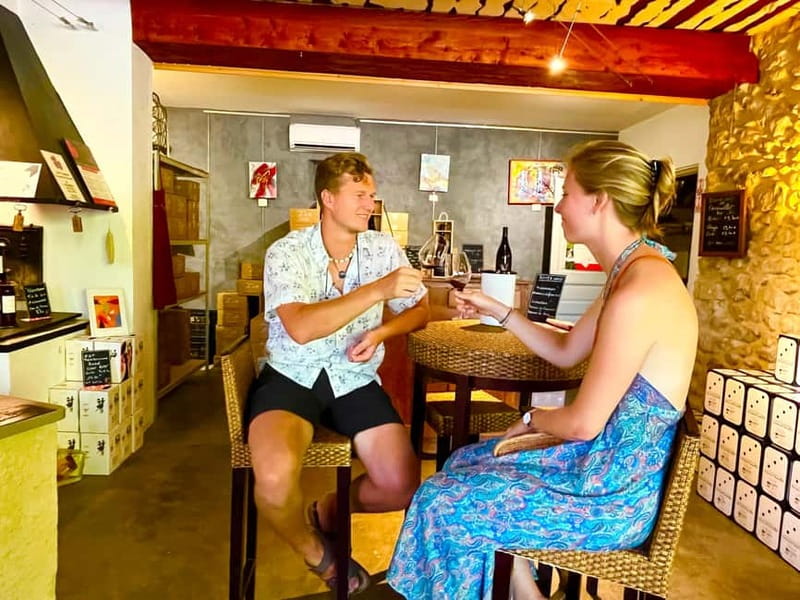
- Max 6 people with a guide who can pace the day without rushing you through each stop
- Minimum 9 wines across three appellations, not just a couple token tastings
- Three very different terroirs: Beaumes (sheltered Muscat), Gigondas (Mistral wind), Châteauneuf (river-stone power)
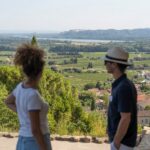
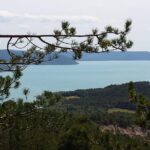
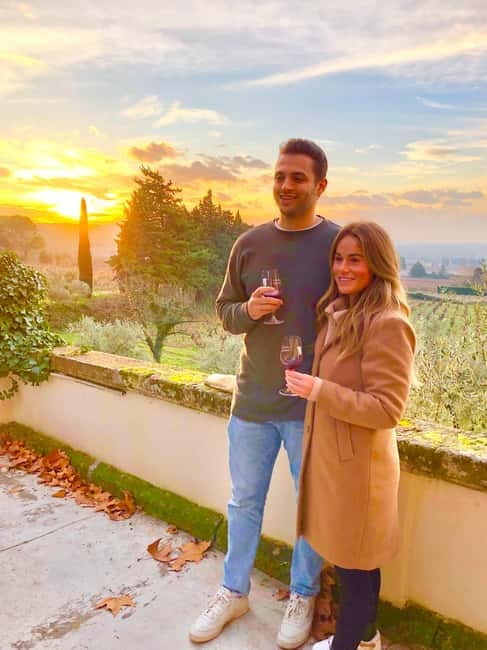
- Photo-friendly vineyard viewpoints with long lines of vines and the Dentelles de Montmirail in the background
- Farmer picnic (morning only, April–October) with local produce like tapenades, goat cheese, and fruit juice
- Arnaud’s inside access and friendly, connected winery visits
From Avignon into the Rhône Valley: why the route feels special
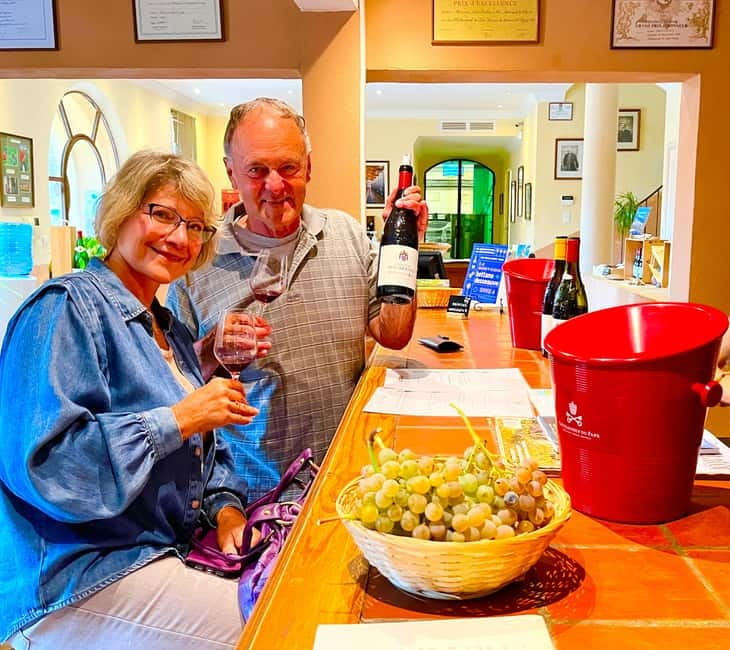
You meet outside Hôtel Le Bristol Avignon, and you’re looking for a black car with Ventourisme on the sides. From the start, the tour is built around a simple idea: don’t just taste wine—learn why it tastes the way it does, using the terrain itself as the lesson.
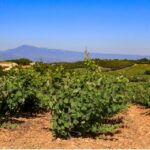
The driving time isn’t filler. Each stretch of road lines up with a different part of the Dentelles de Montmirail area, the jagged mountain ranges that shape the microclimates. When you understand that the same valley can grow very different grapes, the tastings make more sense. You’ll also get plenty of chances to admire the vineyards with mountains in the distance. It’s the kind of view you’ll want to stop and frame, not just glance at from the window.
You can also read our reviews of more wine tours in Avignon

Beaumes de Venise: Muscat sweetness under the Dentelles
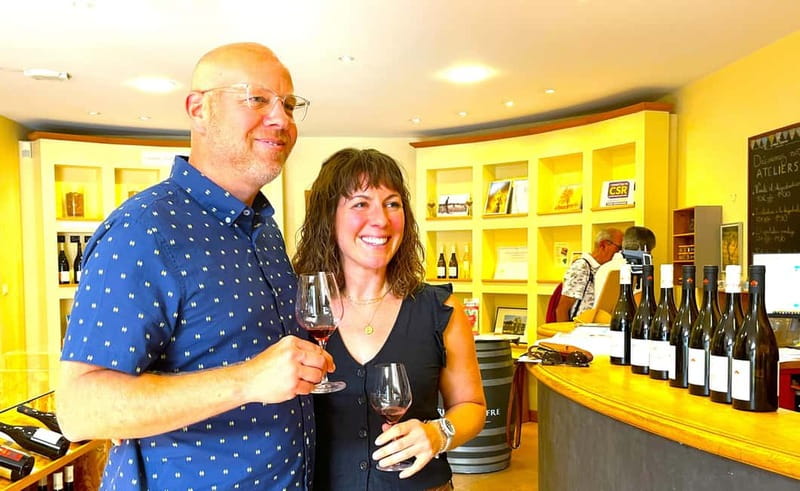
Beaumes de Venise is where the day gets aromatic and warm in character. This area sits on the southern face of the Dentelles de Montmirail and is protected from much of the wind. That matters because the winemaking here leans heavily into Muscat, including a natural sweet wine with AOC status since 1943.
At the tasting stop, you’ll get a chance to compare different styles that can pair in very practical ways. Muscat is commonly enjoyed with aperitif time or alongside desserts, blue cheese, and charcuterie. If you’ve only had Muscat in small, sugary forms, this is where you learn how broad it can be.
You’ll also hear how the terroir supports the style: limestone or sandstones, plus sandy and clay soils. Even the red wine story has its own timeline—red wine has AOC status since 2005, and winemakers can use up to 10% of white grapes in the blend. That detail helps you understand why two bottles labeled the same place can still feel different in the glass.
Gigondas: reds shaped by the Mistral wind
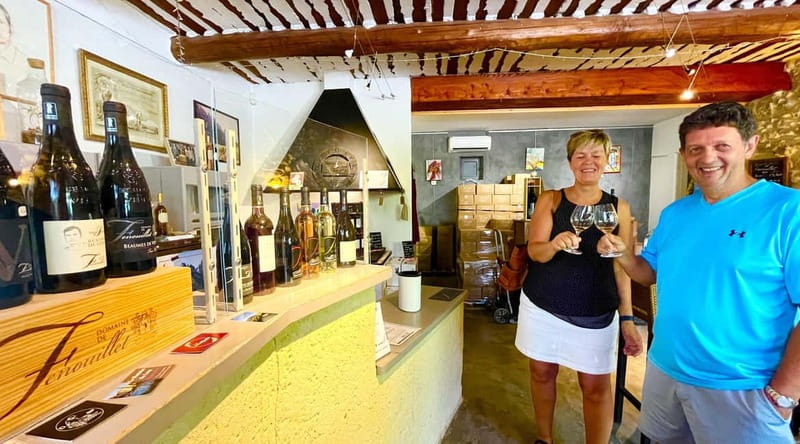
Then the tour shifts to Gigondas, and the personality changes. Gigondas sits on the northern face of the Dentelles de Montmirail, and it’s known for wind—especially the Mistral, which can blow around 150 days per year. Even when it’s cold, the wind helps by drying vines out and reducing disease pressure. So it’s not just weather trivia; it’s a farming advantage that shows up later in the wines.
Gigondas also has altitude, roughly 100 to 600 meters (about 300 to 1,800 feet). That elevational difference often means the growing conditions aren’t the same as the more sheltered areas.
Terroir here is described as sandy marls in particular, though you can also find clay, sandy soils, limestone, and sandstones. The result is that Gigondas is famous for red wines (AOC recognition since 1971) and also for rosé starting in 1971. White wine is newer in the AOC system—joined in 2023—so if you’re building a mental map of the region, this is a good place to learn what’s traditional versus what’s still emerging.
Picnic by the vines: what’s included (and how to treat it)
If your tour starts in the morning from April to October, you get a picnic at the second stop area (so you’re not dragging a full meal through the day). It’s designed as a relaxed countryside snack, not a heavy restaurant lunch.
The picnic contents are built from local farm items, including things like eggs, black olives tapenade, sweet pepper tapenade, fresh goat cheese, seasonal fruits, and fruit juice. It’s a nice way to keep your palate fresh before the final Châteauneuf tasting, especially because you’re tasting at least 9 wines total.
How I’d plan this as a practical move: pace the wine tastings, then use the picnic to reset your palate rather than overload. Also, if you have sensitive stomachs, drink water between tastings. The day is fun, but it’s still wine-focused.
If you’re doing an afternoon departure or visiting in November to March, you won’t have the picnic meal. The tastings stay, but the food part is removed.
Châteauneuf du Pape: river stones, long aging, and real variety
The final stop is the iconic one: Châteauneuf du Pape, in the southern Rhône. This area is strongly red-wine oriented—about 92% of production is red—with white wine making up the remaining 8%. The AOC system began here in 1936, and the name is recognized far beyond France.
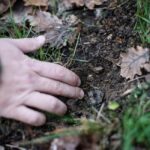
One specific feature keeps coming up for a reason: river stones. Big stones are described as especially characteristic here, and they contribute to the richness people often associate with Châteauneuf wines. Alongside the river stones, the terroir mix includes clay soil, sandy soil, sandstones, and limestone.
The payoff is what you’ll feel in the tasting. Châteauneuf wines tend to be richer in general, and you’ll likely hear about cellar potential—often mentioned as 20 to 30 years. Even if you don’t plan to age a bottle that long, it helps you understand why these wines can taste powerful even when they’re young.
There’s also a practical upside to ending here: it’s a strong finish. After Beaumes and Gigondas, your palate has context. When you taste Châteauneuf at the end, it’s easier to notice how the style shifts from Muscat-driven sweetness to wind-influenced reds to stone-driven richness.

How the winetasting part works: 9+ pours without turning it into a blur
The tastings are spread across three wineries (with a minimum of 9 wines total). That’s a sweet spot. You get enough variety to understand the region, but it isn’t so many wines that everything becomes one mass of similar flavors.
Here’s what I think makes this format work for you: each winery visit ties back to a specific terroir explanation. So when you taste, you’re not just playing a guessing game. You’re linking grape style and winemaking choices to weather and soils—like how Beaumes is warmer and less windy, how Gigondas gets the Mistral, and how Châteauneuf’s stones help build depth.
If you’re the type who wants to take notes, you’ll have time. Small-group pacing also helps: you can ask questions, and you won’t feel shoved along.
Arnaud and the small-group advantage (why max 6 matters)
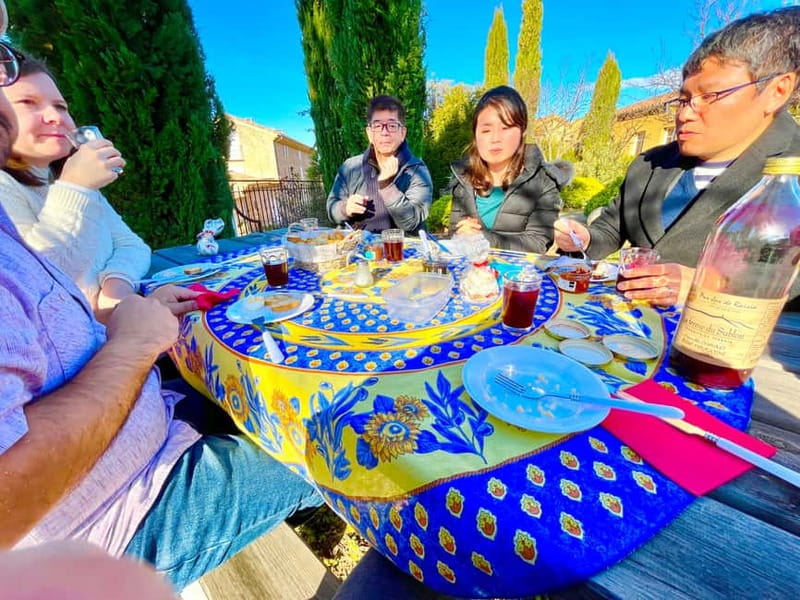
This tour runs as a small group limited to 6 people. In practice, that’s the difference between tasting wine and feeling like you’re part of a class.
Arnaud’s style shows up in the details. The day isn’t just facts. He’s friendly, he talks through what you’re seeing as you drive, and he’s patient if you want to learn pronunciation in French (yes, he’ll help). People also mention he adapts to the pace of the group, so the day can run longer if you ask a lot of questions—but it doesn’t feel like you’re being herded.
Another practical plus: the wineries often feel less crowded and more personable than the large-coach style routes. That makes it easier to talk to staff, ask what wines are best suited to your tastes, and get a sense of why a family or domaine feels connected to the place.
Price and value: is $93 a fair deal for this route?
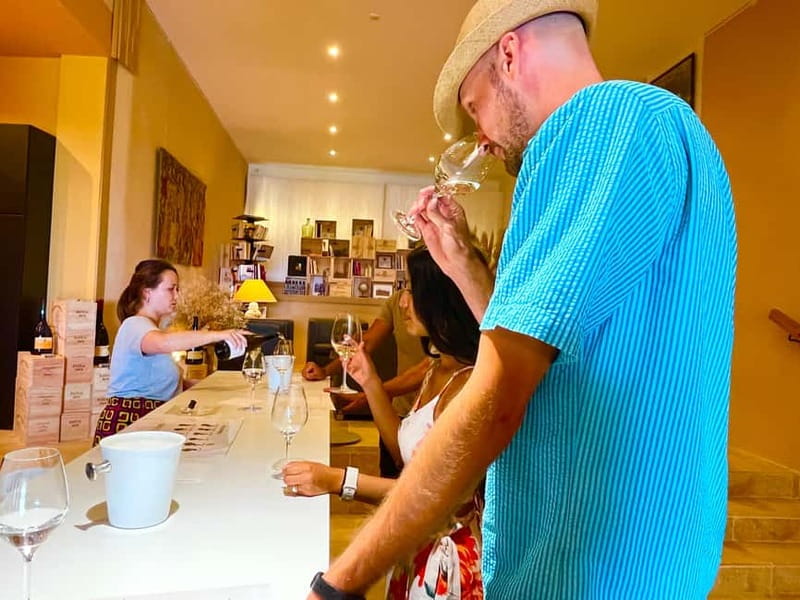
At $93 per person, this tour isn’t just paying for wine samples. You’re paying for three things that are hard to reproduce on your own in half a day:
- Transportation plus smart sequencing. You’re hitting Beaumes de Venise, Gigondas, and Châteauneuf efficiently from Avignon, with viewpoints that match the terrain.
- Tasting access across multiple estates. You’re sampling across three wineries, with at least 9 wines total, and one stop is Châteauneuf du Pape specifically.
- A guide who interprets the terroir. You get explanations tied to soils, wind, altitude, and region specifics—so tastings don’t just become entertainment.
If you do the April–October morning version, the value jumps because the picnic is included with local produce (not generic packaged food). Even if you don’t eat much, the picnic is part of the authenticity and the countryside rhythm.
The only time value may feel less strong is winter, when the tour shortens and you might visit only two estates before Châteauneuf—still great, but fewer tastings and no meal.
What changes by season and time of day
This tour is flexible, with different directions depending on when you go:
- April to October (morning): about 9:30 am to around 3:30 pm, tasting at least 9 wines in three wineries (Beaumes de Venise, Gigondas, and Châteauneuf du Pape), plus picnic.
- All year (afternoon): about 2:00 pm to around 6:30 pm, same overall concept but in the opposite direction (Châteauneuf, then Gigondas, then Beaumes), without meals.
- November to March: about 9:30 am to around 12:30 pm, typically two estates (Gigondas or Beaumes), then Châteauneuf, without meals.
So your best choice depends on two things: whether you want the picnic and whether you’re okay with a shorter winter program.
Practical notes before you book
This is a car tour, so keep things simple. You can’t bring oversize luggage, and luggage or large bags aren’t allowed in the vehicle. Walking frames aren’t allowed.
Also, it’s not suitable for pregnant women or people with heart problems, based on the tour’s physical demands and car environment.
Finally, there’s weather sensitivity. The tour can be canceled because of weather conditions. If you’re traveling in shoulder seasons, I’d plan a bit of buffer in your schedule.
Should You Book This Avignon to Châteauneuf Wine Tour?
Book it if you want a smart half-day that teaches southern Rhône through real places—Beaumes de Venise, Gigondas, and Châteauneuf du Pape—without the stress of arranging wineries and getting the timing right. The small group size (max 6) and the guide-led storytelling make it feel more personal than a rushed tasting circuit.
Skip it if you need a slow, sit-down meal day, or if you’re arriving at a time when there’s no picnic and you still want a longer food experience. And if restrictions on luggage or walking frames affect you, plan for that now.
If you like wine with context—wind, altitude, soils, and why river stones show up in the conversation—this tour is a strong match.
FAQ
Where do I meet for the tour in Avignon?
You meet in front of Hôtel Le Bristol in Avignon. The car is black and has Ventourisme on the sides.
How many wineries will I visit, and is Châteauneuf du Pape included?
You’ll visit three wineries, including one in Châteauneuf du Pape. The tastings include Beaumes de Venise and Gigondas as well.
How many wines will I taste?
You can expect tasting of at least 9 wines in total across the wineries visited.
Is the picnic included, and when?
The picnic is included only if your tour starts in the morning, between April and October. It includes fresh produce from local farms.
What if I go in winter (November to March)?
In November to March, the schedule is shorter. You’ll visit only 2 estates (either Gigondas or Beaumes), then Châteauneuf du Pape, and there’s no picnic or meal included.
Is there an afternoon option?
Yes. The afternoon tour runs all year and goes in the opposite direction (Châteauneuf, Gigondas, Beaumes). It does not include meals.
How long is the tour?
The tour duration is listed as 3 hours to about 330 minutes, with seasonal start and end times that vary.
What languages are offered, and how large is the group?
The guide speaks French and English. The group is small, limited to 6 participants.
Are there restrictions on luggage or who should avoid this tour?
Oversize luggage and luggage/large bags aren’t allowed, and walking frames aren’t allowed in the car. It is also not suitable for pregnant women or people with heart problems.
What if weather cancels the tour, and what about cancellation/refunds?
The tour can be canceled because of weather conditions. You can cancel up to 24 hours in advance for a full refund, and you can reserve now and pay later.