REVIEW · AIX EN PROVENCE
From Aix-en-Provence: Côtes de Provence Wine Tour
Book on GetYourGuide →Operated by Tylene Transport Tourisme · Bookable on GetYourGuide
Provence wine with Cézanne views. This Côtes de Provence wine tour from Aix pairs a scenic morning drive to Mont Sainte-Victoire with guided tastings at two estates, so you get both the setting and the sips. I especially like the small-group feel (limited to 8) and the chance for big-picture wine lessons from guides such as Greg or Remy; one possible drawback is that the timing is tight, and there’s no included food—so you’ll want to pace yourself and plan for lunch after.
What makes this tour work is that it connects the geography to the glass. You learn how the Mistral wind helps dry things out and how the shallow, limestone-rich soils shape the wines, then you taste the result: structured reds and elegant rosés. The other consideration: it isn’t a fit for people with mobility impairments, and there’s a lot of “bring camera, wear comfy shoes” energy in a short window.
In This Review
- Key highlights worth waking up for
- Setting out from Aix-en-Provence: minibus comfort and sensible timing
- Sainte-Victoire Mountain photo stop: seeing Cézanne’s world in real life
- Why Côtes de Provence tastes the way it does: Mistral, limestone, and dryness
- Estate visit #1: vineyard tours and tasting with calm, guided pacing
- Estate visit #2: second tasting, more variety, and the time tradeoff
- What you’ll drink: structured reds and subtle Provence rosé
- Pricing and value: why $116 works for this format
- Group comfort and “how to not feel rushed”
- Should you book the Côtes de Provence Wine Tour from Aix?
- FAQ
- How long is the Côtes de Provence Wine Tour from Aix?
- Where do I meet the guide in Aix-en-Provence?
- Is food included with the wine tastings?
- What languages are spoken during the tour?
- How many people are in the group?
- What are the tour times during winter versus spring?
- What should I bring and wear?
- Is the tour suitable for children and mobility needs?
Key highlights worth waking up for
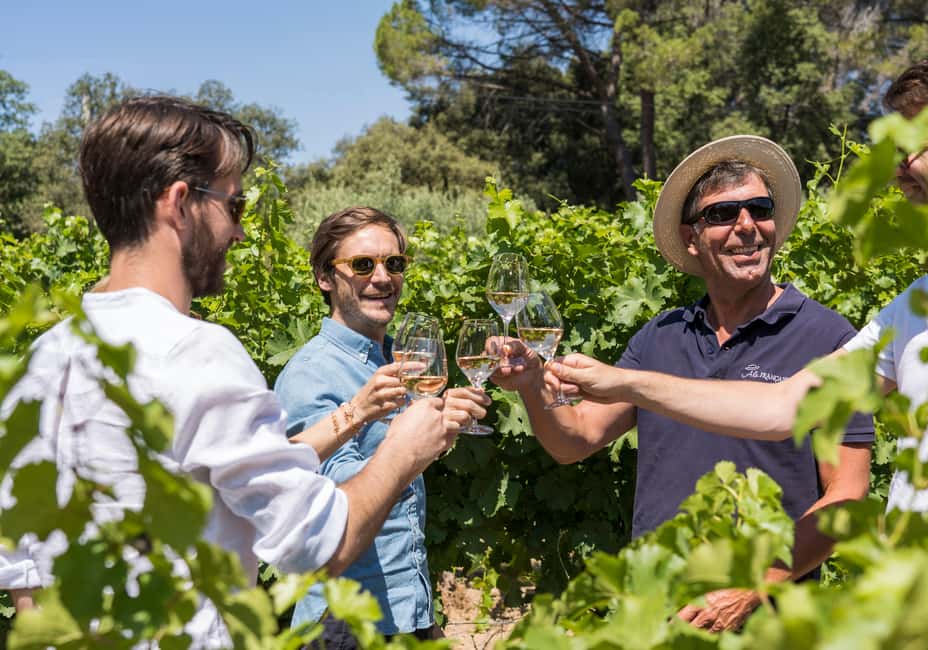
- Sainte-Victoire photo stop tied to Cézanne: you’ll see the scenery that inspired the painter, not just the vineyard blocks.
- Two estate visits in one morning: tours plus tastings mean you taste more styles and learn faster than a single-stop outing.
- Guides with real regional talk: many groups are led by guides like Greg, Remy, Audrey, or Susanna, and the focus stays on Provence and wine.
- Rosé that aims for subtle elegance: not sugary; more refined and dry-leaning in style based on the tour description.
- Transport built for comfort: an air-conditioned minibus and a strong transport score (92% gave perfect marks).
- Small-group pacing (max 8): enough people for conversation, not so many that your questions get lost.
Setting out from Aix-en-Provence: minibus comfort and sensible timing
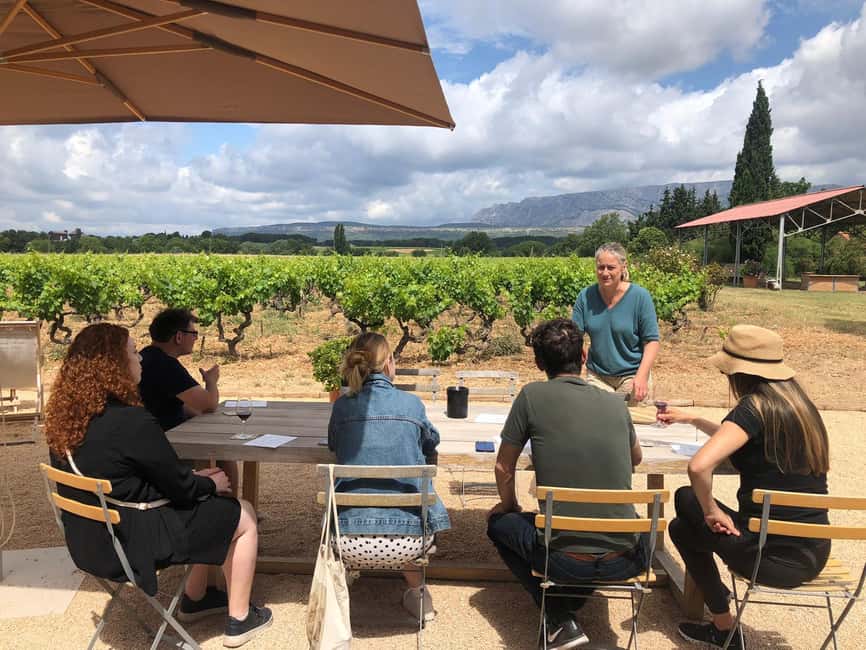
Your tour starts in Aix-en-Provence, meeting your guide outside the local Tourist Information Center. The tour also uses 300 Av. Giuseppe Verdi as the starting/ending address, so you’ll end where you began. It’s a straightforward setup: show up a bit early, get oriented, then hop onto a small, air-conditioned minibus.
This matters because the tour is short—about 3 hours—and it runs in the morning. From Nov 1 to Mar 31, 2025/26, the departure is 8:30 am to 12:00 pm. From Apr 1, 2026 onward, it shifts to 9:00 am to 12:00 pm. If you like your day planned but not overstuffed, this timing is a big plus.
The group size is limited to 8 participants, so you usually get more guide time and easier photo stops. The driver-guide is listed as English/French, which helps if you want questions answered clearly rather than guessed at.
Practical tip: bring water, sunglasses, and a hat. Provence sun can feel friendly at first, then suddenly not. Also wear comfortable shoes, since you’ll be walking during vineyard visits.
You can also read our reviews of more wine tours in Aix En Provence

Sainte-Victoire Mountain photo stop: seeing Cézanne’s world in real life
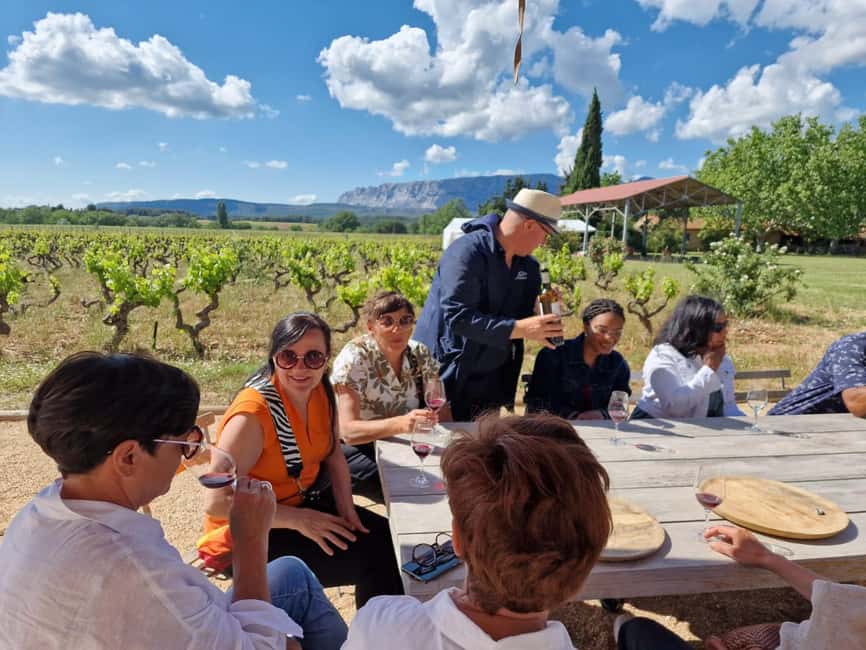
The minibus ride takes you south through Provence toward Mont Sainte-Victoire, with a scenic photo stop of about 15 minutes. Even if you’ve seen the mountain in photos, seeing it in person changes the scale. It’s one of those viewpoints that instantly makes Provence feel like a place with a strong identity, not just a backdrop.
This stop is more than sightseeing. The tour is built around the idea that Cézanne found inspiration here, so you’re not just taking pictures—you’re learning how the landscape shaped artistic vision. Expect classic Provence light, stone-colored slopes, and that “how did a painting get this depth” feeling.
Camera strategy: use the photo stop for wide shots first, then switch to details (vines, stone edges, the way the ridges layer). Fifteen minutes disappears fast when you’re also trying to frame the perfect shot, so keep moving.
Why Côtes de Provence tastes the way it does: Mistral, limestone, and dryness
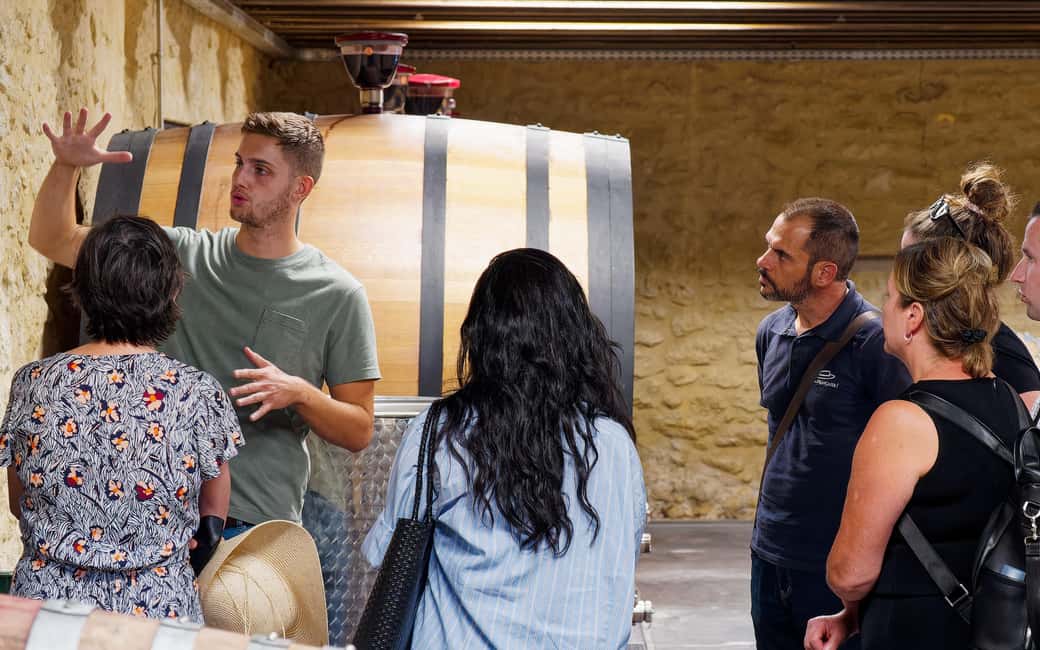
Before you get to the estates, you’re given useful context. The tour explains that Côtes de Provence vineyards benefit from the Mistral wind, which helps dry the vines naturally. That dryness can support healthier growing conditions, which in turn helps grapes keep their character.
You also learn about the soils: limestone and argillaceous sandstone form shallow ground. Shallow soils typically limit how much water vines can draw, which can push grapes toward more intensity. In plain terms, it’s one reason Provence wine doesn’t taste like it’s chasing sweetness—it tastes more shaped, with structure.
This is the kind of explanation that makes tastings easier to understand. When you later taste reds described as full-bodied with excellent structure, you have a framework. And when you taste rosés described as subtle and elegant, you can focus on texture and balance rather than expecting a fruit-bomb.
Estate visit #1: vineyard tours and tasting with calm, guided pacing
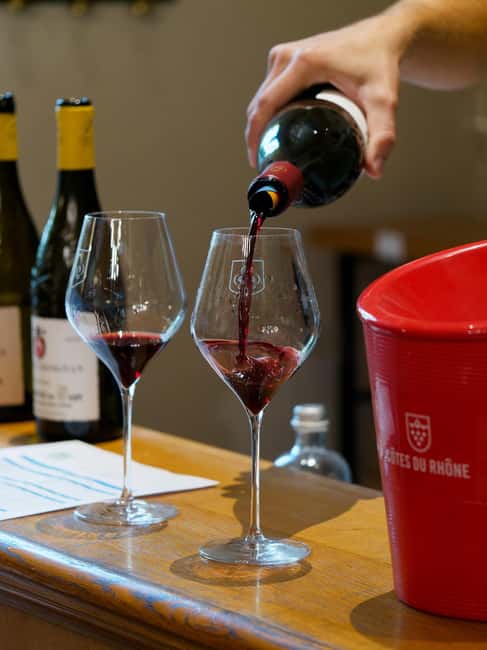
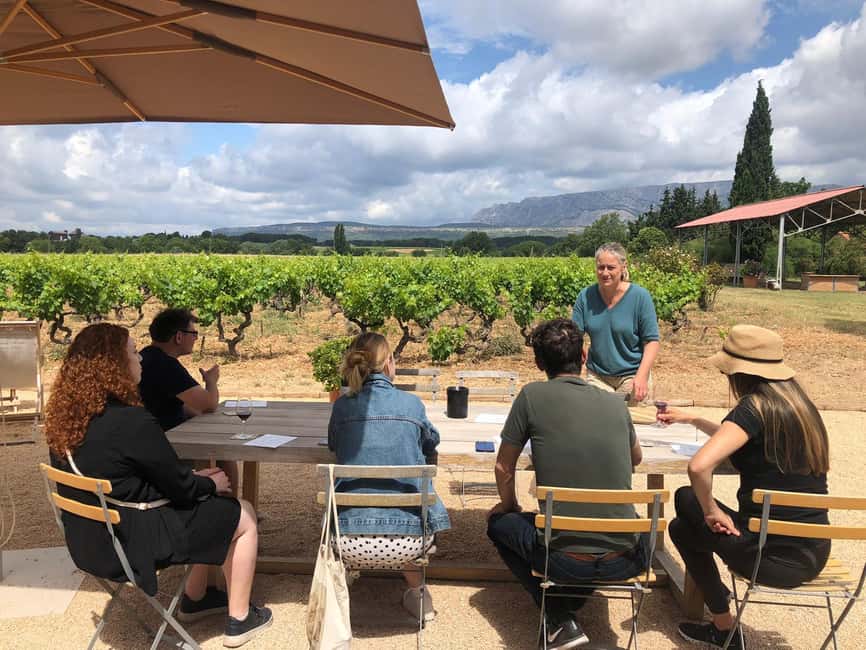
Your first winery stop runs about 1 hour, which is a comfortable amount of time for a vineyard tour plus tasting. You’ll typically start with a guided look at how the estate works, then move into wine tasting. The tour also leaves room for a special moment: you might be lucky and meet the owner of the domain.
That “might” matters because it can turn a normal tasting into something more human. Provence estates often feel personal, and when the people behind the vines show up, the story doesn’t sound rehearsed. In past groups, wine hosts at the wineries are described as warm and welcoming, and that tone can make the tasting feel relaxed instead of formal.
What I’d watch for during your tasting notes is how the guide connects style to place. The tour focuses on Provence grapes such as Grenache, Syrah, Cinsault, Mourvèdre, Carignan, and Cabernet-Sauvignon. Even if you can’t name each wine instantly, you’ll start recognizing patterns: what tastes lighter or darker, what feels more structured, and what reads as dry and crisp.
Important: the tour includes wine tastings, but it doesn’t mention snacks or a full meal. One practical drawback to consider is that if you arrive hungry, your palate may feel tired faster. You’ll still enjoy the wines, just pace sips and take water breaks.
Estate visit #2: second tasting, more variety, and the time tradeoff
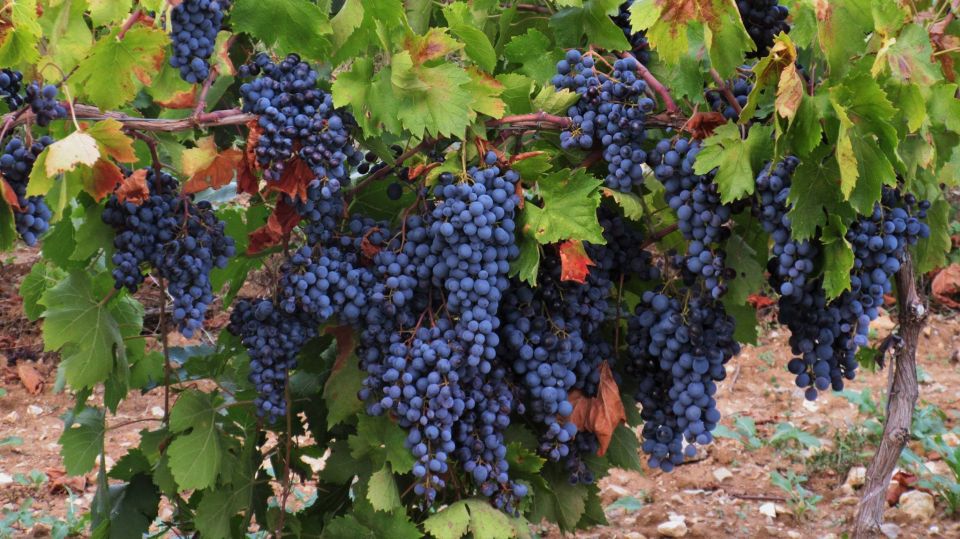
Between the two wineries, there’s a short transfer (about 15 minutes) in the minibus, then another 1-hour visit with tour and tasting. Two estate stops are a big part of the value here: you’re not locked into one producer’s house style. You can compare how different land choices and winemaking approaches land in the glass.
The tradeoff is timing. Because the tour is only a morning window, you may not get hours at each place to wander and linger. Some guests have noted that tastings felt small or that they wanted more food to reset the palate between pours. You can still have a great time, but plan like this is a curated tasting, not a full-day winery hangout.
A small tip that helps: take a couple of notes right away. Write down which rosé feels driest or most delicate, then which red feels most structured. When you’re halfway through the second tasting, your memory gets fuzzy—notes keep you engaged.
If you prefer a more leisurely food-and-wine day, pair this morning tour with a longer lunch plan afterward. If you love learning and want to cover two estates without losing your afternoon, this format hits the mark.



What you’ll drink: structured reds and subtle Provence rosé
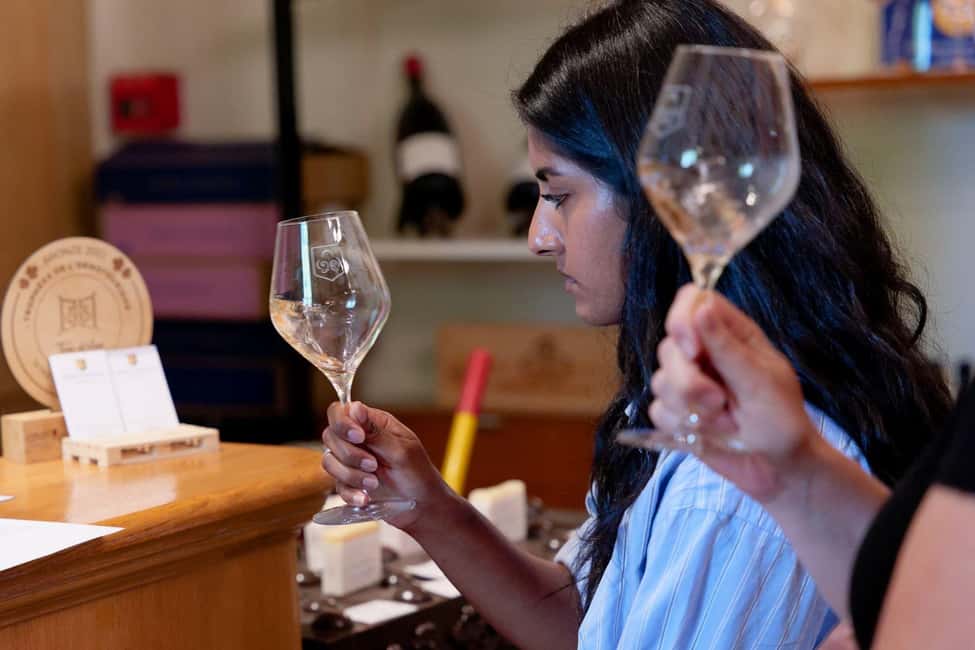
The tour description is clear about style. You’ll taste full-bodied reds with excellent structure, plus subtle, elegant rosés. That balance is part of what makes Côtes de Provence fun: reds can be substantial without being heavy, and rosé can be refined without feeling thin.
The typical grape lineup mentioned includes Grenache, Syrah, Cinsault, Mourvèdre, Carignan, and Cabernet-Sauvignon. That variety means you’ll likely encounter different expressions of spice, fruit depth, and tannin feel. Here’s a simple way to judge what you like:
- For reds, pay attention to structure: does it feel firm and “built,” or softer and more immediate?
- For rosé, focus on elegance: is it crisp and dry, or does it feel sweet and rounded?
If you’re visiting Provence for the first time, this is a smart tasting blend. You get classic local identity through rosé, then you get enough red structure to feel like the region has more to offer than pink wine.
Pricing and value: why $116 works for this format
At $116 per person for about 3 hours, the price is high enough that you should ask: what’s included, and what’s not.
Here’s what you do get:
- Air-conditioned minibus transportation
- Driver-guide service (English/French)
- Wine tastings at two estates
The value isn’t just the tasting pours. It’s the fact that you’re buying expert interpretation plus transport to estates you likely wouldn’t reach easily on your own without planning. Also, small group limits (max 8) usually improve the quality of the conversation.
What’s not included:
- Food and drinks, unless specified
- Entrance tickets to monuments (not the focus of this tour anyway)
- Optional gratuities
So if you want a meal included, you’ll need to budget for lunch nearby in Aix after the tour ends. If you’re traveling light and want a guided wine education morning, this price is easier to justify.
Group comfort and “how to not feel rushed”
A lot of wine tours fail at the basics: uncomfortable transport, too many people, or a schedule that feels like running an errand. This one has a few built-in stabilizers: small group size, AC minibus comfort, and short, well-timed stops.
The tour also covers what you should bring:
- Comfortable shoes
- Sunglasses
- Sun hat
- Camera
- Water
You should also know what’s not allowed: pets, oversize luggage, and smoking. If you’re traveling with bags, keep it simple—think “daypack” rather than “big suitcase.”
Who should do this: people who want an efficient introduction to Côtes de Provence, enjoy scenery, and like the idea of two tastings in a single morning. It’s a good fit for couples, friends, and anyone who wants a structured plan without committing to a whole day.
Who shouldn’t: the tour is listed as not suitable for children under 4 and not suitable for people with mobility impairments.
Should you book the Côtes de Provence Wine Tour from Aix?
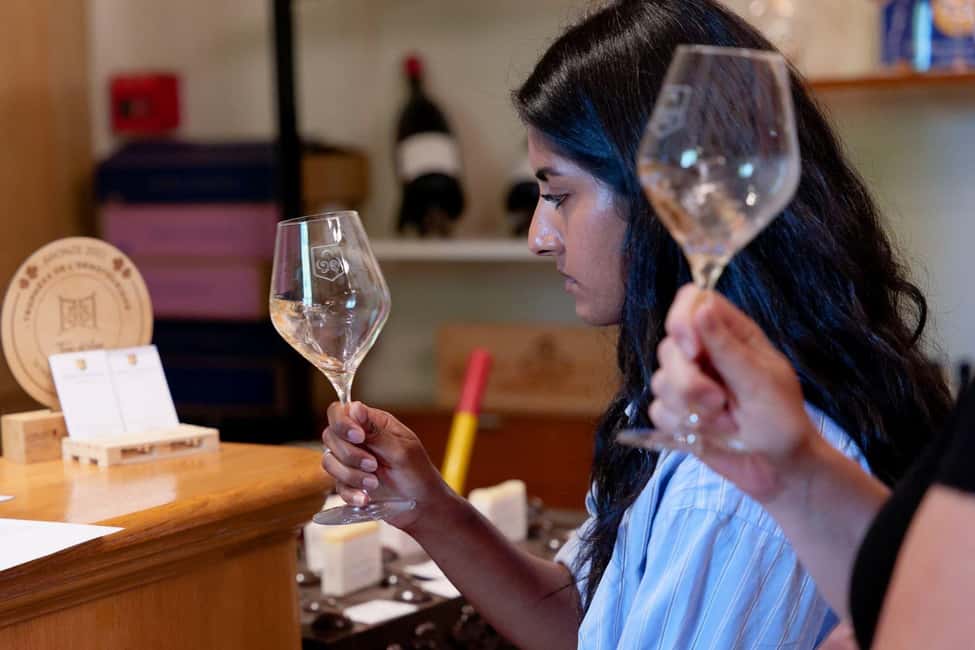
I’d book it if you want a short, high-impact Provence morning: a Cézanne-scented drive, a real viewpoint moment at Sainte-Victoire, and two winery tastings where the guide ties the region’s growing conditions to what you’re tasting. If you’re nervous about spending money on wine without enough context, this tour’s format helps because you get a framework before the glasses start moving.
Skip it (or at least think twice) if you need snacks, a leisurely pace, or you’re hoping for a full day that includes long winery wandering and a sit-down lunch. Also consider the mobility note and plan your footwear and sun protection carefully.
FAQ
How long is the Côtes de Provence Wine Tour from Aix?
The tour duration is listed as 3 hours, with morning departures that fit a half-day plan.
Where do I meet the guide in Aix-en-Provence?
Please meet your guide outside the Aix-en-Provence Tourist Information Center. The tour also lists 300 Av. Giuseppe Verdi as the starting/ending address.
Is food included with the wine tastings?
No. Food and drinks are not included unless specified, so you’ll want to plan lunch after the tour.
What languages are spoken during the tour?
The tour includes a driver-guide service in English/French.
How many people are in the group?
The tour is described as a small group, limited to 8 participants.
What are the tour times during winter versus spring?
From November 1 to March 31, the tour runs 8:30 am to 12:00 pm. From April 1, 2026, it runs 9:00 am to 12:00 pm.
What should I bring and wear?
Bring comfortable shoes, sunglasses, a sun hat, a camera, and water.
Is the tour suitable for children and mobility needs?
The tour is listed as not suitable for children under 4 and not suitable for people with mobility impairments.
If you cancel, you can cancel up to 24 hours in advance for a full refund.