REVIEW · AIX EN PROVENCE
Aix-en-Provence: Caumont – Centre d’Art + Exposition
Book on GetYourGuide →Operated by HOTEL DE CAUMONT · Bookable on GetYourGuide
Aix-en-Provence can surprise you with quiet luxury. Caumont-Centre d’Art lets you walk through a refined private mansion, then continue into temporary exhibition time with the Regards d’un collectionneur show. I especially love the shift from the mansion’s 18th-century rooms to the gardens’ calm, and then into paintings presented with clear chronological storytelling. One practical watch-out: if you’re sensitive to noise, plan for the fact that commentary can come through loud when there’s no personal listening system.
This is a 1-day visit south of France style: history first, art next, and a short film to tie it together. You’ll pay about $18 per person for entry, with an optional audioguide available on site, plus the movie in the auditorium in French with English subtitles.
In This Review
- Key things I’d put at the top of your list
- Caumont-Centre d’Art: the value behind an 18th-century mansion visit
- Arriving in the Mazarin district and the Cour d’Honneur moment
- Historic rooms: walking through a marquise’s daily life
- The private gardens: fountains, boxwood borders, and breathing room
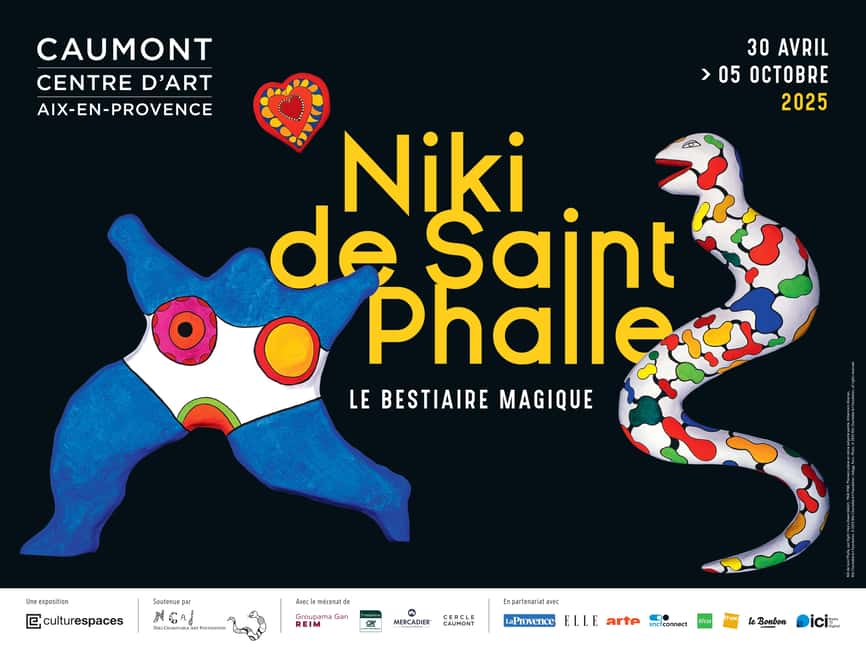
- Temporary exhibition: Regards d’un collectionneur and Oscar Ghez’s point of view
- How the exhibition pacing helps you see the whole story
- The Cezanne film in the auditorium: a helpful context stitch
- Price and practical value: $18, plus the optional audioguide
- When this visit really fits your travel style
- Should you book Caumont-Centre d’Art and Regards d’un collectionneur?
- FAQ
- FAQ
- How long is the Caumont-Centre d’Art visit?
- What’s included in the ticket price?
- Is there an audioguide?
- What language is the Cezanne film in?
- Is the venue wheelchair accessible?
- What price should I expect?
Key things I’d put at the top of your list
- Caumont’s mansion setting: paved courtyard, elegant rooms, and that old-Aix feeling right by Cours Mirabeau
- 1000+ m² of gardens: fountains, flowerbeds bordered by boxwood, and large flower vases
- A focused temporary exhibition: Oscar Ghez’s collection mapped from late 19th century to 20th-century avant-garde
- Smart artist mix: includes names like Gustave Caillebotte, Frédéric Bazille, Marie Bracquemond, and Maximilien Luce
- Women artists are front and center in the show’s portrait-leaning vision
- A Cezanne film in the auditorium: French audio, English subtitles, and a helpful context bridge
Caumont-Centre d’Art: the value behind an 18th-century mansion visit
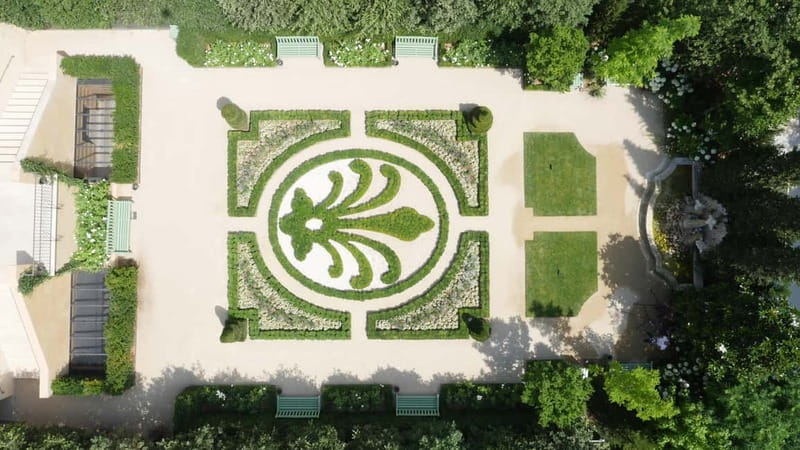
For around $18, you’re not just buying museum entry. You’re paying for a full experience: a historic private mansion layout (courtyard to rooms to gardens), plus a temporary exhibition, plus a film. That combo matters, because it turns the visit from a quick look into a slower, more atmospheric day.
Caumont is in the Mazarin district, and you’re literally a few steps from Cours Mirabeau, Aix’s most famous boulevard. You can start the day with the city’s energy nearby, then step inside and feel the temperature change—less street noise, more space, more quiet.
The mansion rooms are set up to recreate the aesthetic and day-to-day atmosphere of the 18th century. Then the temporary exhibition shifts gears into late-19th and 20th-century French painting, organized both chronologically and thematically. In other words: you’ll be bouncing between periods, but in a way that feels intentional rather than random.
You can also read our reviews of more tours and experiences in Aix En Provence.



Arriving in the Mazarin district and the Cour d’Honneur moment
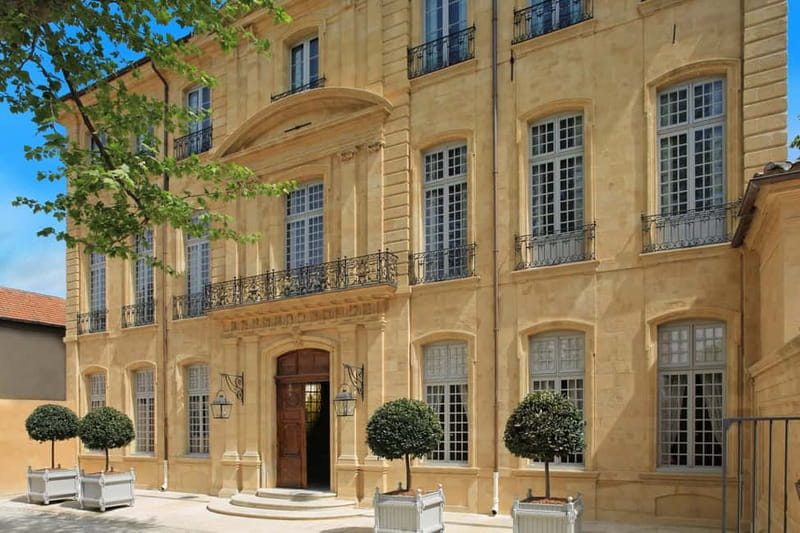
The entrance experience is designed to set the tone. You get a paved Cour d’Honneur right at the start, so you immediately feel you’ve arrived at a real residence, not just a building with tickets.
From there, the route pulls you forward: the cour gives you a formal “before you enter” feeling, and then the mansion rooms take over. Even if you’re not a hardcore architecture person, this is the kind of approach that helps you get your bearings fast. You know where you are, and you understand the scale.
Practical tip: wear shoes you can walk in comfortably. The experience covers gardens and room-to-room movement, and Aix can feel warm even outside peak summer.
Historic rooms: walking through a marquise’s daily life
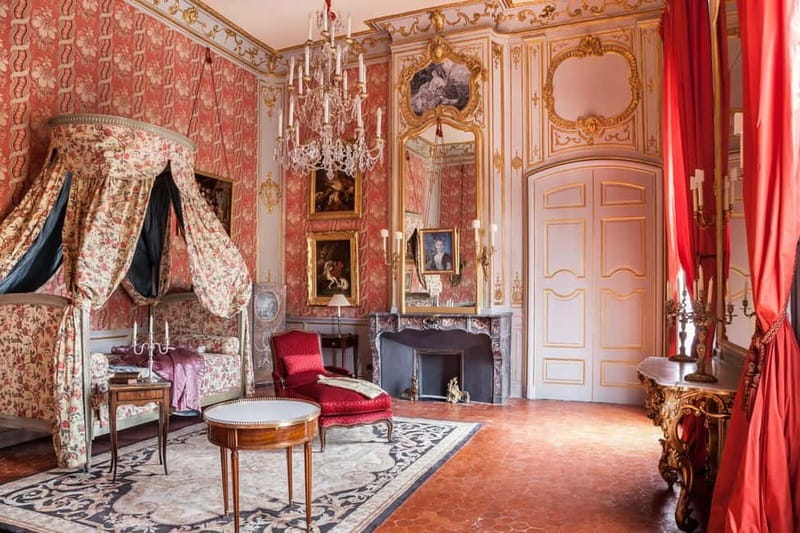
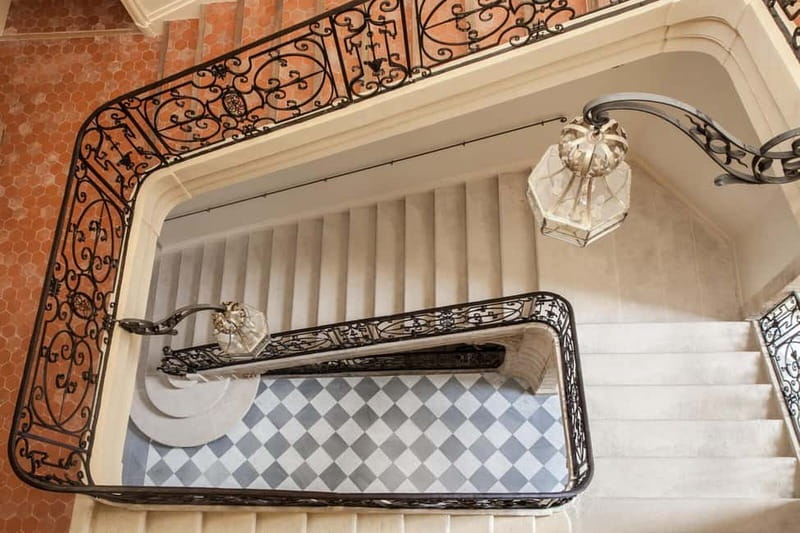
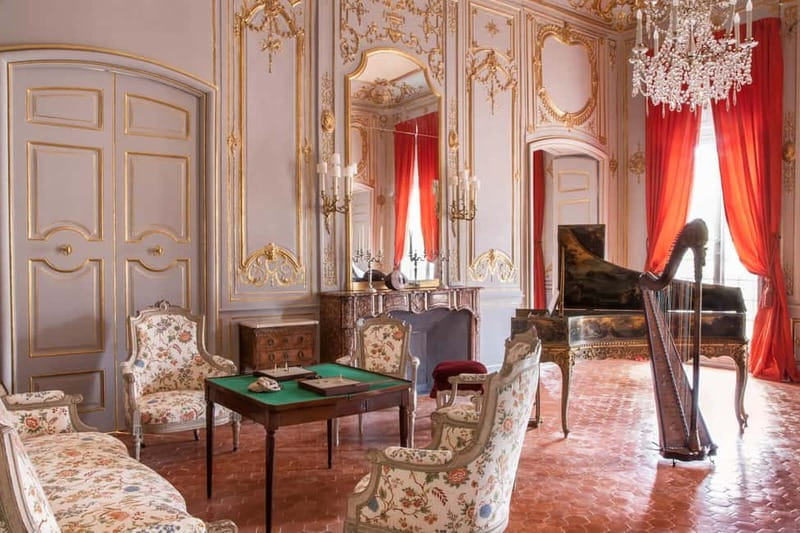
Inside, Caumont recreates the atmosphere of the 18th century through carefully decorated rooms. The focus isn’t on a single famous painting on a wall—it’s on daily life as it was meant to look and feel, with furnishings and décor that build the mood.
A key name ties it together: Pauline, marquise de Caumont, one of the mansion’s most famous owners in the 18th century. As you move from room to room, that framing helps the visit click. You’re not just “looking at rooms.” You’re seeing how someone lived—how spaces were arranged, how elegance was staged, and how the home functioned as a statement of taste.
What I like about this kind of historical display is that it’s not trying to be flashy. It works because the rooms are meant to feel lived-in. If you enjoy museums that use setting and style to explain a time period, you’ll likely spend longer here than you expect.
One small consideration: if you’re looking for strict, label-heavy interpretation, you’ll need to decide whether the optional audioguide is worth it for you (it’s available on site in French or English). Without it, you’ll still get a lot from the rooms and the overall structure—you just won’t have as much spoken guidance.
The private gardens: fountains, boxwood borders, and breathing room
After the interiors, the gardens are a reset. The mansion’s outdoor space covers over 1,000 m², and it’s fully refurbished in the spirit of the site.
You’ll find fountains, flowerbeds framed with boxwood borders, and large vases of flowers. It’s the kind of garden design that feels deliberately composed—less wild, more styled—so it matches the mansion’s whole “refined residence” vibe.
Why this garden section is more than a pretty add-on: it changes your pace. Art museums can make you speed up. Here, you’re given space to slow down. If you tend to rush, the garden walk helps balance the day so the exhibition doesn’t feel like sensory overload.
Also, the garden-to-rooms contrast is useful. You’ll likely notice the same design thinking—clean lines, controlled beauty, careful placement—showing up across the estate.
Temporary exhibition: Regards d’un collectionneur and Oscar Ghez’s point of view
This is the part most visitors come for—and it’s where the mansion connection starts to feel deeper.
The temporary exhibition, titled Regards d’un collectionneur, presents nearly 60 masterpieces from the collection of Oscar Ghez (1905–1998), a Tunisian-born industrialist and avid art collector. The show is presented at the Musée du Petit Palais in Geneva, founded by Ghez in 1968, and these works are arranged in a way that traces the development of French painting.
You won’t just see one art movement. The exhibition is organized:
- Chronologically: from the end of the 19th century forward
- Thematically: with emphasis on how tastes and subjects evolve
What I find compelling about Ghez’s approach is that his collecting choices went against the market of his era. The exhibition highlights artists who weren’t well regarded by the market at the time, then later became major names in art history—like Gustave Caillebotte, Frédéric Bazille, Marie Bracquemond, and Maximilien Luce.
There’s also a clear thematic preference: Ghez was especially drawn to figures and portraits, stepping away from landscape painting, which dominated many Impressionist collections of the period. If you like human subjects—faces, identities, personality in paint—this part of the exhibition should feel purposeful.
And importantly, women artists have strong representation. So even if you’ve seen plenty of French painting shows before, you’ll likely feel like this one is arguing for attention rather than following the same old script.

How the exhibition pacing helps you see the whole story
The show’s structure is a practical gift to your brain. Without needing to be an art historian, you can still follow the timeline and thematic shifts.
If you read the room as you go, you’ll start noticing patterns such as:
- how subject matter changes over time
- how “accepted” tastes differ from what collectors like Ghez valued
- how portrait-focused works create continuity across periods
That’s why the mansion visit works well as a lead-in. In the mansion, you’re experiencing aesthetics and lifestyle. In the exhibition, you’re experiencing aesthetics and taste—on canvas. Same language, different medium.
If you want the most out of your time here, don’t sprint. Pick one or two sections to linger in, and let the rest be a steady walk-through. You’ll remember more that way.
The Cezanne film in the auditorium: a helpful context stitch
After the mansion and exhibition, you’ll watch the movie Cezanne au Pays d’Aix in the auditorium. The film is in French, with English subtitles.
Why this is worth your time: it gives you a cultural and geographic anchor. You’re in Aix-en-Provence already, so even a short film can sharpen what you notice later—light, place, and why Cezanne’s world mattered. Even if you’re not a die-hard Cezanne fan, it helps tie the day together rather than leaving you with three separate stops.
If you prefer self-guided pacing, the film also offers a short sit-down reset before you head back into the streets.
Price and practical value: $18, plus the optional audioguide
The price—about $18 per person—is a strong value for what’s included. For that, you get:
- access to the mansion’s historic rooms, gardens, and courtyards
- access to the temporary exhibition Regards d’un collectionneur
- the Cezanne film in the auditorium
The main extra cost to know about: there’s an optional audioguide for the exhibition available on site for 4.50€, in French or English. If you like guided explanation while you look, it can be worth it. If you prefer reading at your pace, skip it and focus on the visual story.
One more practical note: room-to-room and garden walking are part of the day. Budget a bit of energy, especially if you visit during a warm part of the day.
When this visit really fits your travel style
This experience is best for you if you like:
- history that feels like a real home, not just a timeline
- gardens with structure and design (not just a casual stroll)
- French painting, especially when it includes portraits and women artists
- an exhibition that explains itself through layout, not only labels
It’s also a good choice if you want a quieter counterpoint to street sightseeing near Cours Mirabeau. You can connect the city’s public life with a private-residence atmosphere in one day.
You might want to think twice if you’re expecting a heavily interactive, tech-driven museum. This is more about atmosphere, rooms, and curated presentation. Also, plan around the possibility that any spoken commentary could be loud without personal listening support.
Should you book Caumont-Centre d’Art and Regards d’un collectionneur?
If you’re in Aix and you want an art-and-setting day that feels both elegant and thoughtfully organized, I’d book it. The mansion provides a strong sense of place, the gardens add breathing room, and the Oscar Ghez exhibition gives you a clear art story without requiring advanced knowledge.
The biggest reasons to say yes:
- you get more than one experience in one ticket
- the temporary exhibition is built around a collector’s distinct vision
- you’ll have a relaxing garden walk plus a film context boost
Book it especially if you enjoy portrait-focused painting and want to see French art through choices that weren’t always market-approved.
FAQ
FAQ
How long is the Caumont-Centre d’Art visit?
It’s listed as a 1-day experience, so you should plan to spend a full visit day on site.
What’s included in the ticket price?
Included are access to Caumont-Centre d’Art including historic rooms, gardens, and courtyards; access to the temporary exhibition Regards d’un collectionneur; and the movie Cezanne au Pays d’Aix in the auditorium.
Is there an audioguide?
Yes. An audioguide for the exhibition is available on site for 4.50€ in French or English.
What language is the Cezanne film in?
The film is in French, with English subtitles.
Is the venue wheelchair accessible?
Yes, it’s listed as wheelchair accessible.
What price should I expect?
The price is listed as $18 per person.