REVIEW · PARIS
Paris: Sacré-Coeur and Montmartre Tour with Expert Guide
Book on GetYourGuide →Operated by UTG EXPERIENCE · Bookable on GetYourGuide
Sacré-Cœur looks best with a storyteller. This one-hour walk pairs the basilica exterior with the streets and art vibe of Montmartre, so you’re not just sightseeing rocks and rooftops. I especially like how the guide frames what you’re seeing with clear background, from the church’s building story to why Montmartre stayed different from the rest of Paris.
Two things I really like: you get a strong view of Sacré-Cœur’s exterior details (including the world-famous mosaic artwork) and you end up at Place du Tertre, where the neighborhood’s artist energy is right in front of you. It’s a tight route with just enough time to look, stop, and take photos without turning into a full-day grind.
One possible drawback: this is an exterior-focused tour, so you won’t get inside the basilica or up to the dome. Also, Montmartre’s hill means plenty of steep walking and stairs, so plan accordingly if mobility is a factor.
In This Review
- Key Points Worth Noticing
- Sacré-Cœur and Montmartre in One Hour: A Smart “First Taste” of the Hill
- Meet at Carrousel de Saint-Pierre: How to Start Without Stress
- What You See at Sacré-Cœur When You Don’t Go Inside
- The Christ in Majesty Mosaic: One Detail That Changes How You Look
- Place du Tertre: Why This Square Still Feels Like Montmartre
- La Maison Rose and the Dalida Statue: Photo Stops With Meaning
- The Real Montmartre Factor: Steps, Inclines, and Smart Planning
- Price and Value: Is $28 Worth It?
- Guide Style in Action: What to Expect From the Narration
- Who This Tour Is Best For (and Who Should Skip)
- Should You Book This Sacré-Cœur and Montmartre Tour?
- FAQ
- Where is the meeting point?
- How long is the tour?
- Is this tour inside Sacré-Cœur?
- Does the tour include entrance to the Dome?
- Is there skip-the-line entry to Sacré-Cœur?
- Which Montmartre sights will we see?
- Do I need to dress appropriately?
- Can I take photos inside Sacré-Cœur?
- What language is the live guide?
- What’s included, and what’s not?
Key Points Worth Noticing
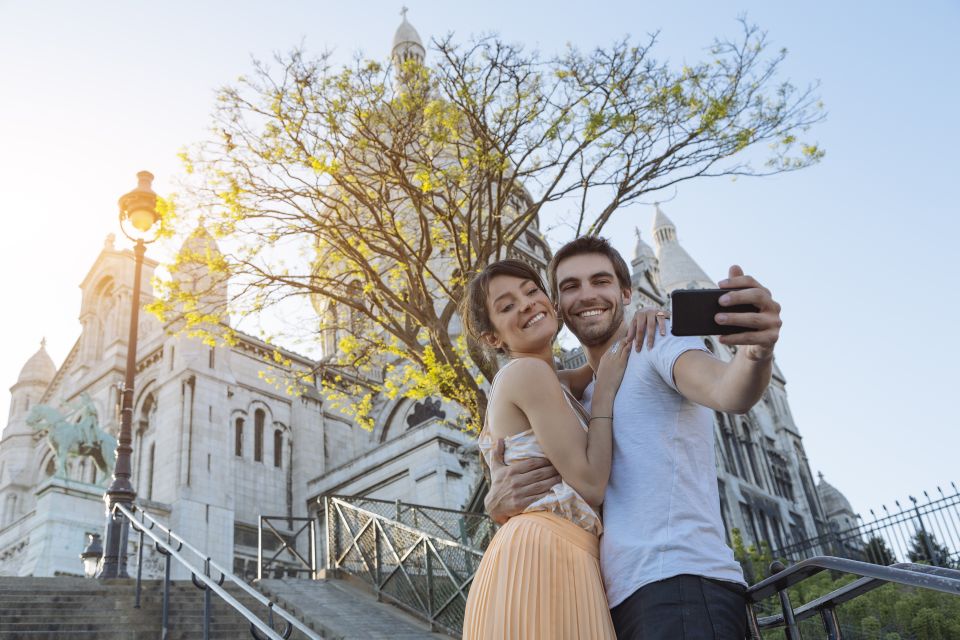
- Sacré-Cœur exterior focus with expert explanations, without waiting for interior entry
- Christ in Majesty mosaic highlight, described in a way that makes the details click
- Place du Tertre time (about 20 minutes) for real Montmartre atmosphere
- Stops that anchor the neighborhood look, including La Maison Rose and the Dalida statue
- A short 1-hour format that works well when your Paris days are packed
- Guide-led narration in Portuguese (some guides may share extra language support)
Sacré-Cœur and Montmartre in One Hour: A Smart “First Taste” of the Hill
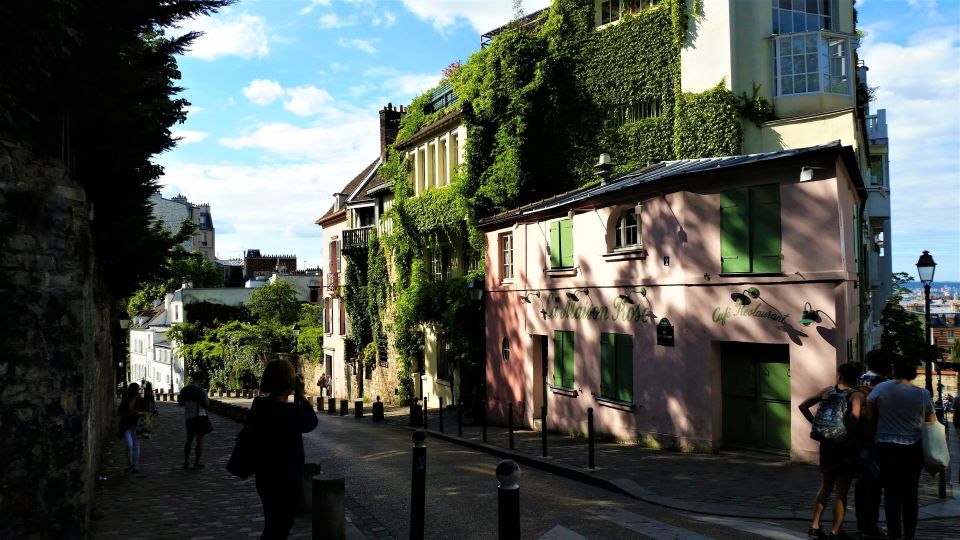
If you’re only giving Montmartre a slice of time, this tour is a very practical choice. You start where Sacré-Cœur dominates the skyline, then move down the hill through classic Montmartre scenery and landmark spots.
The best part is that you don’t have to guess what you’re looking at. The guide keeps your eyes moving in the right direction: what matters on the church façade, why the mosaics are such a big deal, and what makes this neighborhood historically unusual.
And because the tour is short, it doesn’t eat your whole morning or afternoon. You get a guided hit of context plus photo-worthy stops, then you can decide what you want to linger on afterward.
You can also read our reviews of more guided tours in Paris



Meet at Carrousel de Saint-Pierre: How to Start Without Stress
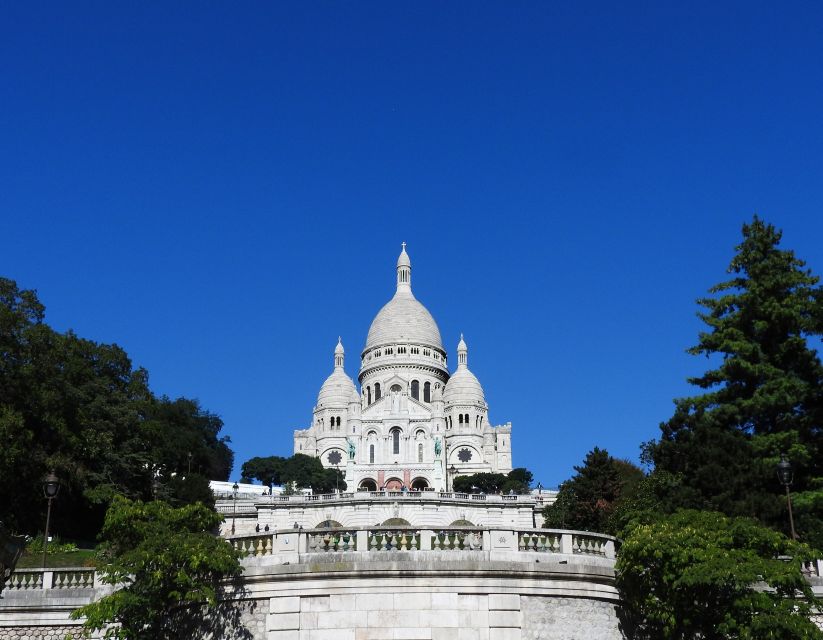
You meet your guide at Carrousel de Saint-Pierre, inside the Square Louise-Michel. Once you arrive, you’ll be able to see Sacré-Cœur up on the hill, which makes it easier to orient fast.
This start point matters because Montmartre can feel like a maze if you’re on your own. With a guide, you’re immediately working from a clear plan: church perspective first, then neighborhood landmarks and squares.
Dress smartly for a church visit even though you’ll be outside much of the time. You’re still close to religious spaces, and appropriate attire helps you move through the area confidently. Also, comfortable shoes are non-negotiable because the hill is steep.
What You See at Sacré-Cœur When You Don’t Go Inside

This tour stays outdoors at Sacré-Cœur, which changes what the experience feels like. Inside a church, you usually get the dramatic payoff fast. Outside, you have more time to study the architecture and understand why the basilica looks the way it does.
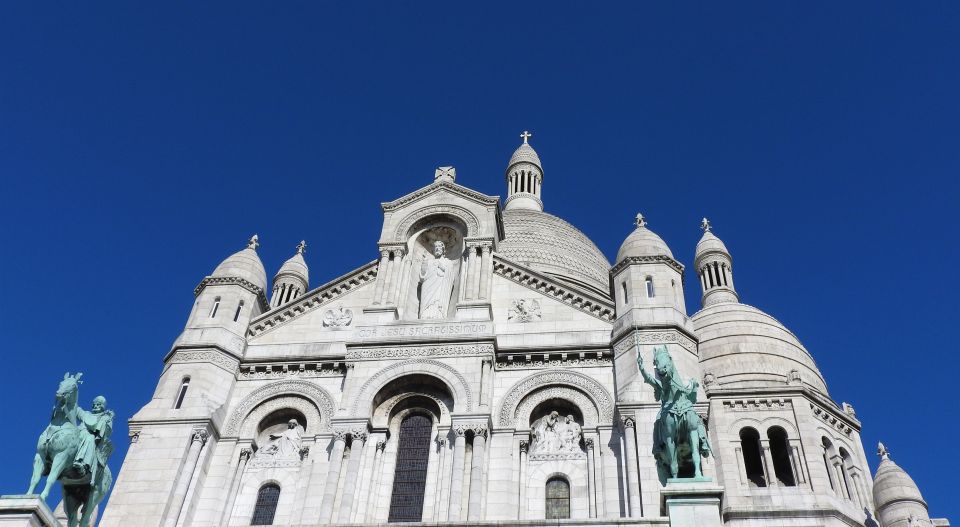
Your guide explains the basilica’s exterior and its background, including the long build period from 1874 to 1914. That timeline isn’t just trivia; it helps you read the stonework and the overall “why here” of Sacré-Cœur on the hill.
You’ll also learn about interior highlights from the outside viewpoint. The guide discusses elements you’d otherwise only hear about if you went in, so the exterior tour doesn’t feel like a watered-down version of the real thing.
One practical note: you will not have skip-the-line entry and you won’t be taken inside. If your dream is silence inside the basilica itself, you’ll need a different plan on another day.
The Christ in Majesty Mosaic: One Detail That Changes How You Look
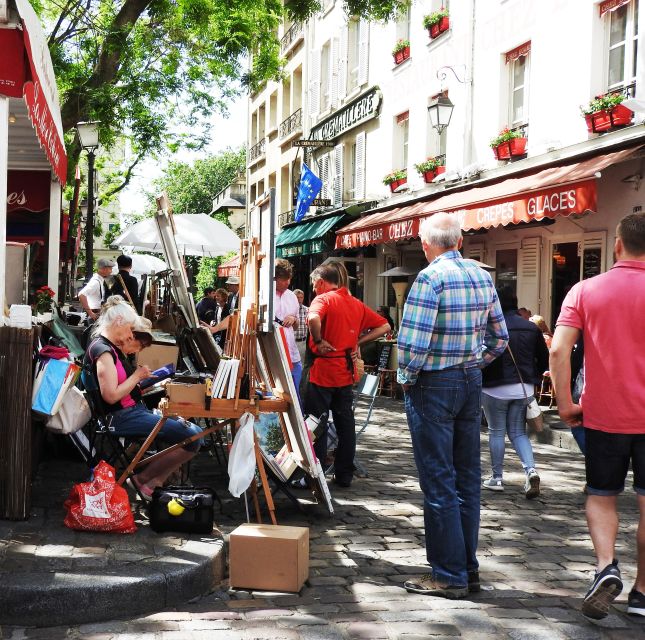
Sacré-Cœur is famous, but there’s one reason your eyes should slow down: the largest mosaic in the world, Christ in Majesty. Your guide points out what the mosaic depicts, including the Sacred Heart of Jesus and figures like the Virgin Mary, Jeanne d’Arc, and St. Michael the Archangel.
What makes this work on a short tour is that you’re not just told the mosaic is impressive. You get a frame for what it symbolizes, and then you can actually notice the artistic storytelling when you look up.
This is the kind of detail you’d miss if you simply snap a photo and move on. With narration, the mosaic becomes a focal point instead of background decoration.
Place du Tertre: Why This Square Still Feels Like Montmartre
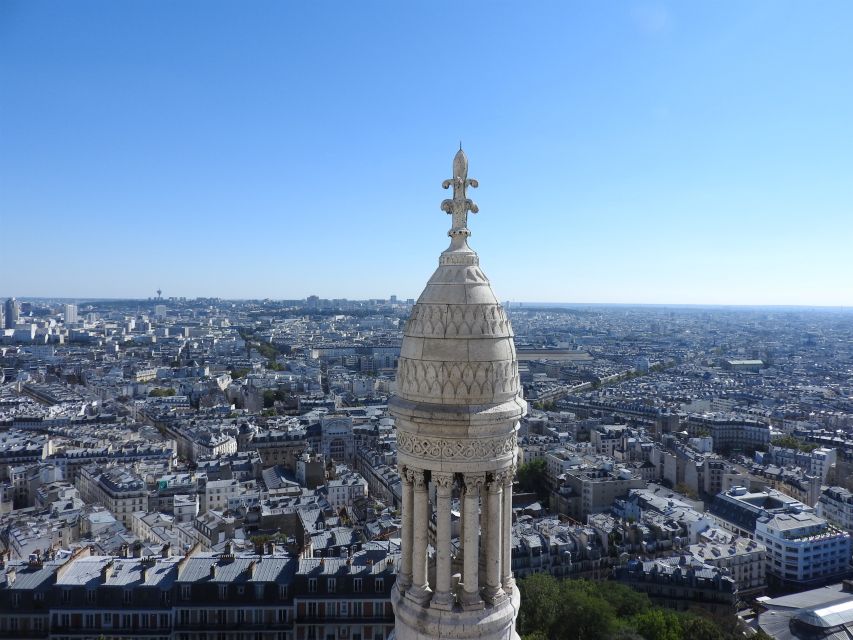
After Sacré-Cœur, the tour shifts into the neighborhood itself: Montmartre’s streets, its artists-and-outsiders identity, and the small-town feel that historically separated it from the rest of Paris.
You’ll visit Place du Tertre for about 20 minutes. This is the stop that most often delivers the classic Montmartre scene: a square where art culture isn’t just a theme, it’s part of the daily street rhythm.
In a short tour, that timing is useful. You have enough minutes to arrive, look around, take photos, and read the scene without feeling rushed out the door. And since you’re here with a guide, you can ask quick questions and get suggestions on what’s worth your time after the tour ends.
Place du Tertre is also a good point to reset your bearings. If you want to wander afterward, you’ll know which direction to head and what you’re actually chasing visually.






La Maison Rose and the Dalida Statue: Photo Stops With Meaning
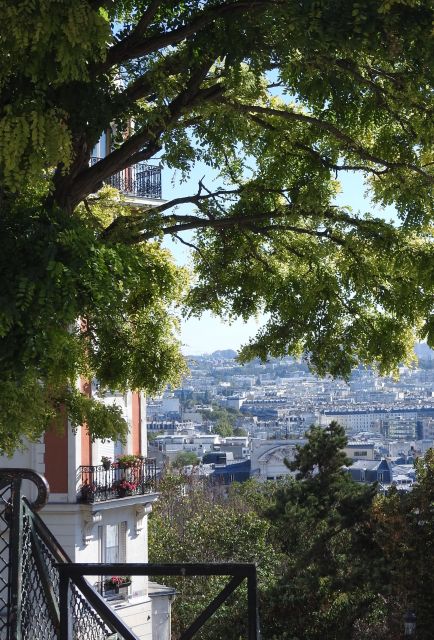
Two landmark stops help turn Montmartre from a “place to walk” into a sequence you remember.
La Maison Rose is a visual anchor. Even if you’re not obsessed with architecture, it gives you a clear reference point for what Montmartre looks like in the classic imagination. Think of it as your visual checkpoint: yes, you’re really in the Montmartre you’ve seen in photos and postcards.
The Dalida statue adds another layer. It ties the neighborhood to popular culture and reminds you that Montmartre isn’t only old history—it’s also where artists became icons and where performance life shaped the area’s identity.
These stops aren’t huge museum moments, but in a one-hour walk, they do the job well: they give you recognizable silhouettes and story hooks that make the rest of the streets easier to appreciate.
The Real Montmartre Factor: Steps, Inclines, and Smart Planning
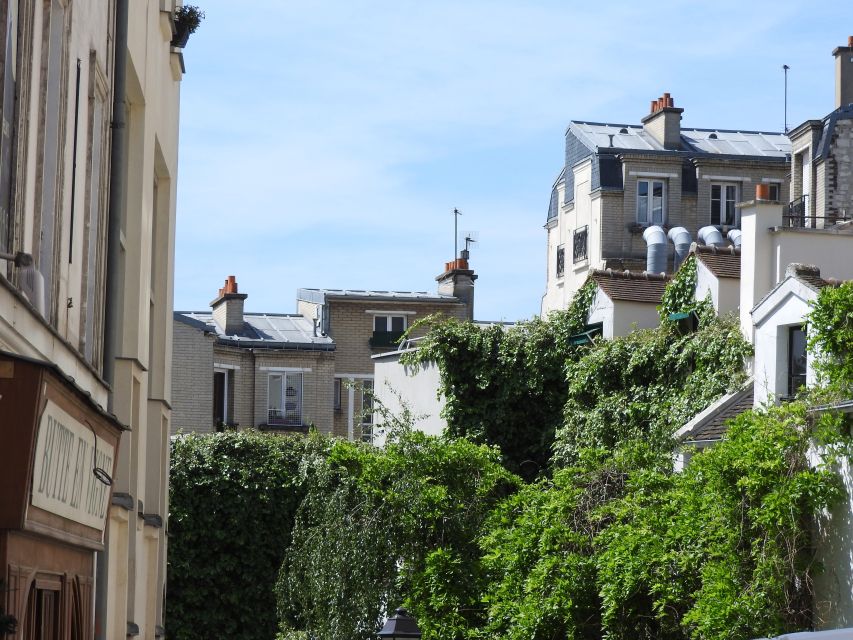
Montmartre is famous for being pretty. It’s also famous for being steep. One key consideration from the experience you’re planning: there are lots of stairs involved, with one account noting over 200 steps to reach Sacré-Cœur.
So I’d plan your energy like this:
- Go slow on the stairs. Your photo stops will happen better if you don’t arrive out of breath.
- Wear shoes you’d trust on uneven stone.
- If you have mobility limits, make a backup plan. This tour is short in time but long in effort.
The upside is that the view payoff and the hill setting make sense when you’ve made the climb. The basilica and the neighborhood feel connected in a way that’s hard to replicate if you avoid the ascent.
Price and Value: Is $28 Worth It?
At about $28 per person for a 1-hour guided walk, the value depends on what you’re trying to accomplish.
If your goal is: understand Sacré-Cœur’s significance quickly and get into the Montmartre mood without doing hours of self-guided research, this hits the mark. You’re paying for direction, context, and a guided path that strings together the church exterior plus key neighborhood stops.
Where it may not be worth it is if you specifically want interior access or the dome. Since the tour excludes entrance for the Dome, tour inside the basilica, and any skip-the-line entry, you’ll need to budget a separate visit if you want the inside experience.
In practical terms, think of this tour as a high-clarity overview. You’ll likely enjoy it most if you treat it as your Montmartre orientation plus storytelling snack, not the full meal.
Guide Style in Action: What to Expect From the Narration
A good guide turns a scenic walk into a real story you can retell later. This tour’s strength is how it uses the sights as teaching points—architecture outside, symbolism in the mosaic, and Montmartre’s distinct character.
You may be led by different guides, and several names show up in strong feedback patterns, including Lara, Carlos, Anna, Morgan, Ely, and Jaime. The common thread: people describe them as friendly, patient, and able to connect the history to what you’re actually looking at right now.
If you want a guide who takes time with questions and keeps things clear for different ages, this route tends to fit that need. One account even singled out that teens remembered the stories, which tells me the pacing and explanations likely work for more than just adults.
Who This Tour Is Best For (and Who Should Skip)
This tour fits best if you:
- Want a short, guided introduction to Sacré-Cœur and Montmartre
- Prefer learning from a guide instead of wandering and guessing
- Like photo-friendly landmarks like Place du Tertre, La Maison Rose, and the Dalida statue
- Don’t need to go inside the basilica to feel satisfied
You might skip or rethink it if:
- You need limited walking or you want an easier route (the hill is steep and stairs are a big part of the day)
- You’re specifically chasing interior Sacré-Cœur moments or dome access
- You expect a long Montmartre ramble. This is one hour, so you’ll likely want extra unstructured time afterward if you fall in love with the streets
Should You Book This Sacré-Cœur and Montmartre Tour?
I’d book it if you’re the type who likes to return from a trip able to explain what you saw. The exterior-focused structure makes this efficient, and the mosaic and Montmartre storytelling give you more meaning than a quick walk alone.
Skip it if you’re counting on entering Sacré-Cœur or climbing the dome. In that case, plan a separate basilica visit and treat this tour as a supplement, not the main event.
If you’re unsure, think of it this way: for the effort of climbing up to the Sacré-Cœur area, you want the most payoff possible. A guided route that points out the right details is one of the best ways to make that steep hill feel worth it.
FAQ
Where is the meeting point?
Meet your guide at Carrousel de Saint-Pierre, inside Square Louise-Michel.
How long is the tour?
The tour runs for 1 hour.
Is this tour inside Sacré-Cœur?
No. This experience focuses on the exterior of Sacré-Cœur and does not include a tour inside.
Does the tour include entrance to the Dome?
No. Entrance for the Dome is not included.
Is there skip-the-line entry to Sacré-Cœur?
No. Skip-the-line entry is not included.
Which Montmartre sights will we see?
You’ll visit Place du Tertre and also stop for La Maison Rose and the Dalida statue.
Do I need to dress appropriately?
Yes. You should dress appropriately for entering a church.
Can I take photos inside Sacré-Cœur?
No photography is allowed inside.
What language is the live guide?
The live tour guide is Portuguese.
What’s included, and what’s not?
Included: professional guide, outside tour of Sacré-Cœur, and Montmartre/Place du Tertre. Not included: entrance for the Dome, tour inside the basilica, skip-the-line entry, and food and drinks.