REVIEW · PARIS
Explore Paris on a Side Car with a Local
Book on Viator →Operated by Wild Side Tour · Bookable on Viator
Paris looks different from a sidecar. You trade long lines for street-level views and fast photo chances. And with a local guide at your side (guides like Raphaël have a knack for making the city click), you get more than landmarks—you get directions for how to see Paris on your own next.
I love two things most: the photography-friendly angles and the private, attentive guiding that keeps the ride personal instead of scripted. One couple tip that matters in real life: the setup works for both one rider and two riders, so you can choose who sits in the basket and who sits behind the driver.
One thing to consider: it’s a fast 90-minute circuit with short stops, and some major sights have admission not included, so you’ll want to decide what you’re viewing from the outside versus what you’ll enter.
In This Review
- Key things you’ll notice right away
- Why Paris feels faster (and more fun) in a sidecar
- The Raphaël-style guiding: personal, funny, and flexible
- Seating in the basket and behind the driver (and why it matters)
- What’s the route like in 90 minutes? Big landmarks, quick stops
- Notre-Dame de Paris and the Île de la Cité setup
- Eiffel Tower photo stop: quick, classic, and very efficient
- Musée d’Orsay: former railway building, top-tier art
- Champs-Élysées and Arc de Triomphe: the grand boulevard duo
- Pont des Arts: romantic views across the Seine
- Conciergerie: Gothic walls tied to the French Revolution
- Les Invalides and Napoleon’s tomb area
- Place de la Concorde and the sweep toward the Tuileries
- Grand Palais and Hôtel de Ville: Beaux-Arts style and civic Paris
- Pont Alexandre III and the final Seine views
- Île Saint-Louis and Île de la Cité: two very different feelings
- Sainte-Chapelle: stained glass that hits fast
- Price and value: $139 for a private ride that actually saves time
- Weather, wind, and tickets: the practical stuff that affects your experience
- Who this sidecar tour suits best
- So should you book it?
- FAQ
- FAQ
- How long is the sidecar tour?
- Is hotel pickup included?
- Are admission tickets included for the stops?
- What language is the tour in?
- How many passengers can ride, and how are seats set up?
- What happens if weather is poor?
Key things you’ll notice right away

- Sidecar perspective: you’ll get lower, wider views than a bus or a standard walking route
- Private guide + driver combo: your guide can adjust stops to your pace and interests
- Couples ride setup: one passenger in the basket, one behind the driver
- Photo time, not museum marathons: quick looks let you cover major sights fast
- Helmets and gloves included: practical comfort for the wind and road noise
Why Paris feels faster (and more fun) in a sidecar

A sidecar changes your sense of distance. Paris can feel big when you’re walking, but from the road you get that instant geography: where the islands sit, how the boulevards connect, and why certain bridges matter for views across the Seine.
This tour is built for momentum. In about 1 hour 30 minutes, you get exterior sightlines at places most visitors only manage to “see later” after lots of transport time. If you’re the kind of traveler who wants the city to make sense quickly—then come back for deeper exploring on foot—you’ll like this approach.
There’s also the simple joy factor. Wind, speed, and street sounds make Paris feel like Paris. You’re not stuck behind a window or swallowed by crowds. You’re part of the scene.
You can also read our reviews of more tours and experiences in Paris.



The Raphaël-style guiding: personal, funny, and flexible
What makes this experience really work is the human factor. In the feedback, Raphaël comes up again and again as the guide who is both informative and easygoing, with the kind of humor that keeps a short tour from feeling rushed.
On a tour like this, you don’t just want facts. You want someone to point out the details that help you remember what you saw later. That’s exactly the role a good local guide plays: turning a quick stop into a mental map.
You’ll also appreciate the flexibility. If your priorities are photos, or you’re aiming for a specific angle, or you simply want a bit more time at a given spot, your guide can work with it. It’s still a set route, but it doesn’t feel like you’re locked into rigid timing.
Seating in the basket and behind the driver (and why it matters)

If you’re traveling as a couple, this is one of the smartest parts of the design. The tour offers seating for one passenger in the basket and a second passenger behind the driver (helmets and gloves are included). That means you can choose a layout that feels comfortable.
The basket seat also tends to be the one that invites better sightlines for photos. From there, you’re higher than a street-level view but still close enough to feel the architecture and details go by. The rear position behind the driver can feel more sheltered from the wind, depending on how your hair and jacket behave that day.
Either way, the included safety gear is a real plus. Helmets for both riders, plus gloves, are what make the ride feel practical rather than “just for thrill seekers.”
What’s the route like in 90 minutes? Big landmarks, quick stops

This tour is a highlights circuit that mixes Paris’s most famous icons with the kind of “I didn’t expect that view” spots that help you understand the city layout. You’ll typically get about 5–10 minutes at each stop, which is short on purpose.
That short timing is why the tour is valuable: you cover a lot without exhausting yourself. The tradeoff is that you’re not doing long entries into every monument. Instead, you’ll have quick windows to look, photograph, and decide what’s worth returning to later.
Here’s the flow you can expect.
Notre-Dame de Paris and the Île de la Cité setup
Your first stop is Cathédrale Notre-Dame de Paris. Even when you’re just taking it in from a quick visit, your guide can help you notice the parts that most visitors miss—especially the way the cathedral anchors the Île de la Cité. The stop is short, but it sets the tone: Paris isn’t only about grand squares; it’s about this historical center.
Later, the route returns to the heart of the islands again, which is what I like. You don’t just see one landmark; you see the neighborhood logic. Those cobblestone lanes and Seine-side positioning are what make the area feel like the city’s origin point.




Eiffel Tower photo stop: quick, classic, and very efficient
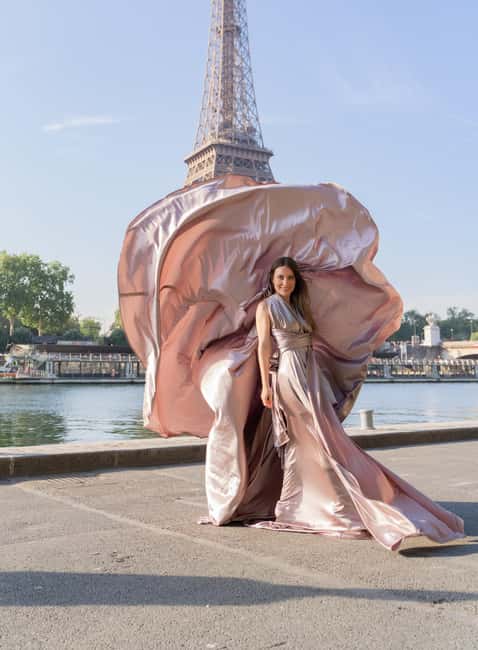
Next up is a stop by the Eiffel Tower with time for a photo shoot. This is one of those timesaving moments that feels almost unfair in the best way—you get the signature shot without losing most of your day waiting.
If you care about photos, this is where you’ll enjoy the sidecar perspective. Your angle is different from the typical standing lineup, and that makes the photos feel less like postcards and more like your own Paris story.
Musée d’Orsay: former railway building, top-tier art
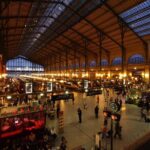
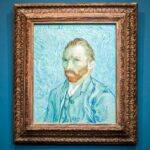
Then comes Musée d’Orsay, one of the world’s best-known museums. It’s known for major works from artists like Monet, Van Gogh, and Degas, and the building itself is a showpiece—housed in a former railway station.
The catch: admission is not included, and the stop time is brief. So your move is simple: use the moment to orient yourself. If a specific painting or exhibit matters to you, this quick pass helps you decide what to target later when you have time to enter and slow down.
Champs-Élysées and Arc de Triomphe: the grand boulevard duo
You’ll glide past Champs-Élysées, with a quick wind-in-your-hair break on one of Paris’s most famous avenues. The guide can help connect it to the bigger layout: where it points, what it frames, and why it’s always busy even when you’re not walking it.
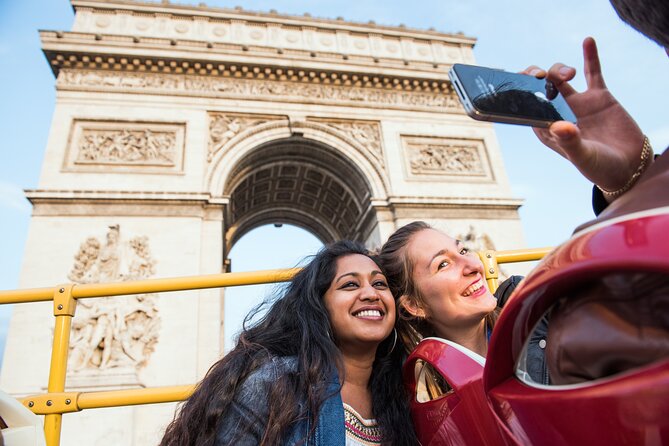
Then there’s a stop at Arc de Triomphe, where admission is not included. You’re likely getting exterior views and photo time here, not a full visit. That’s not a problem if you treat it as reconnaissance. You’ll know exactly what you want to do on a later day if you decide to climb, enter, or spend more time.
Pont des Arts: romantic views across the Seine
A key stop is Pont des Arts, known for romantic energy and the history of lovers placing locks on the railings. Even if you don’t linger long, the bridge gives you some of the best Seine-crossing perspectives—especially looking toward landmarks like the Louvre and the Institut de France.
This is where the sidecar shines for me. Bridges look best when you’re moving; you feel the flow of the river and the city’s geometry.
Conciergerie: Gothic walls tied to the French Revolution
You’ll also get a stop at Conciergerie, a medieval Gothic complex that was once a royal palace and later a prison during the French Revolution, with Marie Antoinette connected to the story. The architectural contrast matters here: it’s not just a pretty building; it’s a place shaped by real dramatic events.
Since this is mostly a quick look, the value is context. The guide’s job is to translate what you see into a clearer timeline, so the place doesn’t feel like random stone.
Les Invalides and Napoleon’s tomb area
At Invalides, you’ll see the grand complex with its famous gilded dome, home to Napoleon’s tomb and a military museum. It’s a stop with big presence, even in short time.
Admission here is listed as free for the tour stop, which is a helpful detail. Still, don’t assume you’re doing a full museum deep dive on this day. Think of it like a grand “Paris moments” checkpoint, not a full itinerary replacement.
Place de la Concorde and the sweep toward the Tuileries
Next is Place de la Concorde, one of Paris’s largest squares, tied to Revolutionary history and featuring an Egyptian obelisk. You’ll get the big-surface view: how open the square is, how it connects to the Champs-Élysées direction, and how it relates to the nearby Tuileries Gardens.
Even if you don’t have time to explore the edges, this stop makes Paris feel navigable. It gives you a sense of scale that walking alone often delays.
Grand Palais and Hôtel de Ville: Beaux-Arts style and civic Paris
You’ll pass Grand Palais, famous for its glass-domed roof and the way it hosts major exhibitions. Built for the 1900 World’s Fair, it’s a classic example of Beaux-Arts grandeur.
Then there’s Hôtel de Ville, Paris city hall, with its ornate Renaissance-style facade. It matters not just because it looks impressive, but because it represents how long this city has been organized around governance, even though the building was reconstructed after a fire in the late 1800s.
Pont Alexandre III and the final Seine views
One of the most elegant road-to-river transitions is Pont Alexandre III, often considered among the most beautiful bridges in Paris. It’s loaded with statues and gilded details, classic Belle Époque design.
This stop is great for photos because it gives you “Paris as postcard” looks without needing a full day at a single monument. You see why the bridge is famous from how it frames the river and connects key neighborhoods.
Île Saint-Louis and Île de la Cité: two very different feelings
The tour includes a look at Île Saint-Louis, a calmer, residential island with 17th-century townhouses. Then it goes back to Île de la Cité, the historical center with Notre-Dame and Sainte-Chapelle nearby.
The reason I like this pairing: it helps you feel how the Seine isn’t just a river—it’s neighborhoods. One island feels like a quieter chapter, the other like the older heart of the city.
Sainte-Chapelle: stained glass that hits fast
Finally, Sainte-Chapelle is famous for its stained glass windows. It’s a Gothic masterpiece from the 13th century, designed for relics of Christ, including the Crown of Thorns.
Admission is listed as not included for this stop, so you’re looking at the value of the moment. Even if you’re not entering, the guide’s explanation helps you understand why people treat this as a must-return site.
Price and value: $139 for a private ride that actually saves time

At $139 per person for about 90 minutes, it’s not the cheapest way to “see Paris.” But it is one of the best ways to buy time and comfort in a tight schedule.
You’re paying for a private tour, a professional driver, and a local guide, plus equipment like helmets and gloves. And because the route is built around quick, efficient photo stops, you’re covering multiple famous areas without the fatigue of constant transfers.
If you’re a couple, or you want a first-night tour that helps you plan the rest of your trip, this can feel like a bargain. It gives you a mental map fast, and that can save you hours later.
If you’re the type who only wants to enter museums for real, you might find it better to pair this with separate full-day visits. Here, the goal is smart overview.
Weather, wind, and tickets: the practical stuff that affects your experience

This experience requires good weather. If conditions are poor, the provider will offer another date or a full refund. That matters because sidecar tours depend on riding conditions, not just sightseeing desires.
Also, pay attention to what’s included for each stop. Some stops are marked as free admission for the tour visit, while places like Musée d’Orsay, Arc de Triomphe, and Sainte-Chapelle show admission as not included. In plain terms: you may need to decide whether you’ll do an exterior view today or plan to enter those sites on a different day.
What to bring is simple: a camera with a strap you trust, a wind-resistant layer, and something to secure small items. Helmets and gloves help a lot, but Paris can still be breezy.
Who this sidecar tour suits best

This is ideal for photographers and anyone who wants a different Paris perspective without spending the whole day standing in lines. It’s also great for couples because the sidecar seating supports two people in a natural, romantic-feeling way.
It works well if you like guidance. You’ll get personal attention from your guide on a private tour, and that’s a big difference compared to crowded group tours where you can’t ask questions or adjust your pace.
If you’re traveling with limited time—like just a first night or a short stop between other plans—this is a strong way to get your bearings. The ride helps you understand where things are, so you don’t feel lost on your next walk.
So should you book it?

If you want a high-impact, low-effort way to see Paris fast—and you like photos, streets, and learning the city’s layout—this sidecar tour is an easy yes. The private nature, professional driver, and local guidance (especially with guides like Raphaël who bring flexibility and humor) make the short time feel worth it.
I’d skip it only if you’re mainly hoping for long museum hours at multiple ticketed sites. This route is built for quick views and context, not for turning into a full-day ticket spree.
FAQ
FAQ
How long is the sidecar tour?
It lasts about 1 hour 30 minutes.
Is hotel pickup included?
Yes. Pickup is offered from your hotel, restaurant, or any place within the pickup arrangement.
Are admission tickets included for the stops?
Some stops are listed as free for admission during the tour, while others show admission tickets as not included (such as Musée d’Orsay, Arc de Triomphe, and Sainte-Chapelle).
What language is the tour in?
The tour is offered in English.
How many passengers can ride, and how are seats set up?
The tour is private and offers 1 or 2 passenger seating. One passenger rides in the basket, and a second passenger can ride behind the driver.
What happens if weather is poor?
This experience requires good weather. If it’s canceled due to poor weather, you’ll be offered a different date or a full refund.