REVIEW · AVIGNON
EXPLORATION – Visit of the estate, the cellars & tasting
Book on Viator →Operated by Maison Galuval · Bookable on Viator
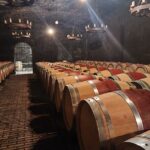
The most unusual part of this wine visit is the semi-gravity cubist cellar, a modern space that reflects Maison Galuval’s creative approach to winemaking. You’ll also taste wine directly from the vat while it is still aging, a useful chance to understand how a wine changes before it reaches the bottle.
I like the clear link between the estate, its terroirs, and the wines in your glass. I also like the small private format, which should make it easier to ask questions and keep the visit personal. The main drawback is the short 90-minute schedule: with several wines listed for tasting, the pace may feel brisk if you want a long cellar tour or a slow tasting.
In This Review
- Key points at a glance
- Why this Cairanne visit feels different
- Starting at Domaine de Galuval in Cairanne
- Learning the estate’s philosophy and terroirs
- Inside the semi-gravity cubist cellar
- The tasting: Cairanne whites and reds
- Rasteau and the Coq Volant range
- Is the $36.12 price good value?
- Who should book this wine experience?
- Booking, timing, and cancellation advice
- Should you book Maison Galuval?
- FAQ
- Where does the wine visit begin?
- Where does the activity end?
- How long does the experience last?
- Is the tour offered in English?
- Is this a private tour?
- What wines are included in the tasting?
- Can I cancel for a full refund?
Key points at a glance

- A modern cubist cellar: See a working cellar designed around Maison Galuval’s innovative vision.
- Wine from the vat: Taste a wine during aging, before the final bottled expression.
- Eight listed wine pours: The program includes Cairanne, Rasteau, and Côtes du Rhône wines in white, red, and rosé styles.
- A private visit: Only your own group participates, making this more personal than a large public tour.
- A 90-minute format: The visit fits neatly into a day based around Avignon or the northern Vaucluse.
- A clear meeting point: You meet and finish at Domaine de Galuval, at 1720 Route de Vaison in Cairanne.
Why this Cairanne visit feels different
Many winery visits follow a familiar pattern: walk through the vines, see a few tanks, and taste several finished bottles. This one takes a more design-minded route. Its centerpiece is a cubist cellar, described as semi-gravity, where the shape and function of the building reflect Maison Galuval’s modern view of wine.
That matters because the cellar is not simply a backdrop for tasting. It gives you a way to think about how the estate handles grapes, movement, and aging. The semi-gravity design also offers a practical point for discussion. Your guide can explain how wine moves through the cellar and why the estate chose this approach.
The visit begins with the estate itself. You’ll hear about Maison Galuval’s philosophy and the character of its terroirs before moving into the cellar. That order makes sense. You first get the broad idea, then see the physical place where the wines are made, and finally taste the results.
I would not book this as a grand château tour or a long countryside outing. The experience is focused on the estate’s ideas, its cellar, and its wines. If you enjoy seeing how a producer works and comparing several Rhône styles, the format should suit you well.
You can also read our reviews of more food & drink experiences in Avignon


Starting at Domaine de Galuval in Cairanne

Your meeting point is Domaine de Galuval, 1720 Route de Vaison, 84290 Cairanne, France. The activity begins and ends there, so you will not need to arrange a separate drop-off point at the end.
The location is in Cairanne, a village associated with the Southern Rhône wine area. The program features wines from Cairanne, Rasteau, and the broader Côtes du Rhône Villages designation. That gives the tasting a useful local frame, since you are not sampling unrelated bottles from far-flung parts of France.
You should allow enough time to find the estate before the scheduled start. The booking information says confirmation arrives within 48 hours, subject to availability, so check that your reservation is confirmed before setting out. The experience is offered in English, which is important if you want the explanations to carry the full detail of the estate’s philosophy and winemaking methods.
Since the tour is private, only your group participates. That can be a real advantage at a wine estate. You can ask about a specific bottle, request clarification about a term, or spend more time on the styles that interest you most without trying to keep up with a large mixed group.
Learning the estate’s philosophy and terroirs
The first part introduces Maison Galuval’s approach. The word terroir can sound vague when it is used without examples, but here it should connect directly to the wines you taste later. The point is to understand how place, grape growing, and cellar work come together in each bottle.
This introduction is especially useful for people who know Rhône wine only by broad labels. Cairanne and Rasteau are not the same thing, and the tasting gives you a chance to compare them. The estate’s own names, such as La Vallée, The Mountain, The Renewal, and Les Collines, also suggest a strong connection between the wine range and the character of its sites.
Do not expect this opening to be a full wine-school lesson unless your guide has time to expand it. The visit lasts about an hour and a half, and the cellar tour plus tasting still need their share of the schedule. I would listen for practical details about the estate’s philosophy, then save your questions for the parts that affect the wines in front of you.
The listed program does not provide the guide’s name. It does confirm an English-language visit, so you can book it without relying on French explanations. If you have a particular interest, such as aging, cellar design, or the difference between Cairanne and Rasteau, ask about it during the private tour.
Inside the semi-gravity cubist cellar
The cellar is the visual and practical center of the experience. Its cubist design reflects Maison Galuval’s creative and innovative vision, giving the visit a more contemporary feel than a traditional stone-cellar presentation.
The phrase semi-gravity is worth paying attention to. It refers to the way wine can move through parts of the production process with less reliance on pumping. The supplied information does not give technical details about the cellar’s exact layout, so I would not assume a particular system. Instead, use the tour as your chance to ask how the design works and what the estate gains from it.
This is also where the visit becomes more than a standard tasting. You are not only shown finished bottles. You see the place where the wines develop, then sample a wine directly from the vat during aging. That kind of tasting can be revealing, but it may be unfamiliar if you have tasted only finished wine.
Wine from the vat is not a final product. It can be less settled, less rounded, or simply different from the bottle you eventually buy. That is part of the value. You get a snapshot of the wine at one stage, then compare it with the estate’s completed wines. I would treat this as a learning moment rather than a test of whether the unfinished wine is better or worse.
The cellar visit also gives you a reason to look beyond the architecture. Ask how the design supports the estate’s work, how the team moves wine during aging, and which part of the process the estate considers most important. Because your group is private, you should have a better chance to shape the conversation.
The tasting: Cairanne whites and reds
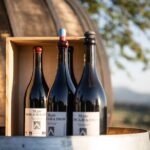
The formal tasting includes La Vallée, an AOC Cru Cairanne Blanc. This gives you a white-wine starting point within a visit that otherwise leans heavily toward Rhône reds. It is a helpful reminder that the Southern Rhône is not limited to full-bodied red wine.
The red lineup includes The Mountain and The Renewal, both AOC Cru Cairanne Rouge. Tasting two Cairanne reds side by side should help you notice how different vineyard sites, blends, or winemaking choices can produce distinct results under the same broad appellation. The program does not provide grape varieties or tasting notes, so your guide will be the best source for the exact differences.
I like this part of the lineup because it keeps the comparison close and useful. You are not jumping from one unrelated style to another. You can focus on how the estate expresses Cairanne in more than one red wine.
Take small sips and give each wine a moment before moving on. With several bottles scheduled, it would be easy to rush. If you care more about understanding three wines than sampling every listed label quickly, tell your guide. The private format should make that kind of conversation possible, though the total time remains limited.






Rasteau and the Coq Volant range
Les Collines is listed as an AOC Cru Rasteau wine. This brings a second Rhône cru into the tasting and gives you a direct point of comparison with the Cairanne wines.
The program lists Les Collines twice. It may be an intentional repeat, a second presentation, or a simple duplication in the wine schedule. I would ask the estate about this when you confirm your visit, especially if the exact tasting order matters to you. The available information does not identify two different versions of Les Collines.
The Coq Volant range broadens the tasting again. You’ll sample Le Coq Volant AOC Côtes du Rhône Villages Rouge, along with Le Coq Volant in rosé and white. This is one of the most useful parts for a newer wine drinker because it covers three colors under the same label family.
The rosé gives you a lighter style to compare with the reds. The white offers another chance to consider how the estate handles a fresh, non-red expression. The Côtes du Rhône Villages Rouge then gives you a different reference point from the Cru Cairanne and Cru Rasteau wines.
You should not expect the program to provide a full meal or food pairing. The information describes a commented tasting of the estate’s wines, not a lunch or tasting menu. If you need food before or after, plan that separately.
Is the $36.12 price good value?
At $36.12 per person, this is not the cheapest way to taste Rhône wine. It is also more than a quick retail-counter sampling. The value rests on what you want from the visit.
You are paying for roughly 90 minutes, an estate introduction, a guided cellar tour, a vat tasting, and a broad selection of wines. The private format adds weight to the price, since your group is not folded into a large public session. For a couple or small group that wants direct conversation, the cost can be reasonable.
The number of wines is another factor. The program lists eight pours, though Les Collines appears twice. You may taste seven distinct named entries unless the repeated listing refers to separate presentations. That is still a substantial range for a 90-minute visit.
I would call it good value for people who care about production and comparison, not simply quantity. If your goal is to drink as many wines as possible, a cheaper tasting may serve you better. If you want to understand the estate’s style, see its unusual cellar, and taste wine at different stages, the price makes more sense.
The experience is also private, which can matter more than a low ticket price. You get a setting where your questions can guide the visit. That is particularly useful if you are buying bottles or trying to understand Rhône labels before choosing wines for a meal.
Who should book this wine experience?
I would recommend this visit to:
- Wine drinkers who want to compare Cairanne, Rasteau, and Côtes du Rhône Villages.
- People curious about modern cellar design and the semi-gravity process.
- Small groups who prefer a private visit to a large public tasting.
- Visitors based in or near Avignon who want a focused wine stop in Cairanne.
- Anyone interested in tasting wine during aging, not only finished bottles.
- English-speaking visitors who want the tour explained in English.
I would be more cautious if you want a long vineyard walk, a full meal, or extensive time with each bottle. None of those features is included in the stated program. The experience is compact and centered on the estate, cellar, and tasting.
Most people can participate, and service animals are allowed. The information does not describe specific mobility conditions inside the cellar, so contact Maison Galuval if you need detailed access information.
Booking, timing, and cancellation advice
The visit lasts approximately one hour and 30 minutes. Because the activity begins and ends at the estate, it is easy to fit into a larger day, but you should not assume the tour can absorb a late arrival. A short tasting schedule works best when you arrive ready to begin.
Confirmation is sent within 48 hours of booking, subject to availability. Check for that confirmation before making firm plans around the visit.
Free cancellation is available if you cancel at least 24 hours before the start time. Canceling later, or making changes less than 24 hours ahead, is not accepted and will not be refunded. The cut-off uses Cairanne’s local time, so keep that in mind if you are booking from another time zone.
Should you book Maison Galuval?
Book this visit if you want a personal, English-language introduction to a Rhône estate with a modern cellar and a varied tasting. The vat sample is the special touch, and the private format gives you a better chance to turn the 90 minutes into a real conversation about wine.
Skip it if you are looking for a long rural outing, food pairings, or a detailed vineyard walk. For everyone else, the mix of cellar design, unfinished wine, and finished Cairanne, Rasteau, and Côtes du Rhône wines offers a focused way to spend part of a day near Avignon.
FAQ
Where does the wine visit begin?
It begins at Domaine de Galuval, 1720 Route de Vaison, 84290 Cairanne, France.
Where does the activity end?
The activity ends back at the same meeting point at Domaine de Galuval.
How long does the experience last?
The visit lasts approximately one hour and 30 minutes.
Is the tour offered in English?
Yes. The experience is offered in English.
Is this a private tour?
Yes. Only your group participates in the activity.
What wines are included in the tasting?
The program includes La Vallée, an AOC Cru Cairanne Blanc; The Mountain and The Renewal, both AOC Cru Cairanne Rouge; Les Collines, an AOC Cru Rasteau; Le Coq Volant in AOC Côtes du Rhône Villages Rouge, Rosé, and Blanc; and Les Collines is listed a second time.
Can I cancel for a full refund?
Yes. You can cancel at least 24 hours before the start time for a full refund. Cancellations or changes made less than 24 hours before the experience are not accepted.