REVIEW · PARIS
Exclusive Semi-Private Louvre Tour with Mona Lisa, Max 6 People
Book on Viator →Operated by LivTours · Bookable on Viator
The Louvre, but you can actually hear the guide. I love the max-6 group size and the included admission ticket that lets you continue on your own afterward. One caution: audio quality can be hit-or-miss depending on the guide on a crowded day.
You’ll meet at the Louis XIV statue in Cour Napoléon, just by the glass pyramid. Then the tour moves through two main wings with a tight route from Ancient Egypt to Romanticism, landing on Mona Lisa before you go at your own pace.
In This Review
- Key things to know before you go
- Why this small-group Louvre tour works when the museum feels huge
- Meeting at Louis XIV and the glass pyramid: the 20-minute warm-up that pays off
- The main highlights loop: what you’ll actually see in about 2 hours 10 minutes
- Ancient Egypt: the Great Sphinx of Tanis
- Ancient Greece: Venus de Milo and Winged Victory
- Renaissance and major European painting
- The Mona Lisa moment: seeing it as an encounter, not a photo-op
- Where the tour ends and what you can do afterward with your entrance ticket
- Price and value: is $204.38 worth it for a 2.5-hour tour?
- Guide quality: why names you’ve heard matter here
- How to tilt the odds in your favor
- Practical timing: how to plan your day around a 2.5-hour highlight run
- Who should book this tour, and who should skip it
- Best fit
- Consider skipping if
- Practical tips that make your short Louvre visit feel longer
- Should you book this exclusive semi-private Louvre highlights tour?
- FAQ
- How long is the semi-private Louvre tour with Mona Lisa?
- How many people are in the group?
- Where do I meet the guide?
- Where does the tour end?
- Is the Louvre entrance ticket included?
- Will I see the Mona Lisa during the guided portion?
- What language is the tour offered in?
- Can I stay in the museum after the guided tour?
- Do children or younger visitors get free admission?
- What is the cancellation policy?
- What should I know about gratuities?
Key things to know before you go
- Max-6 semi-private vibe: small enough to ask questions without shouting over strangers
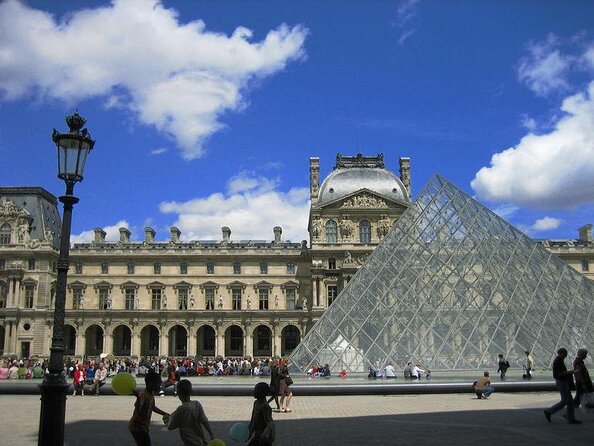
- Start at Louis XIV near the Pyramide du Louvre: you get the building story early, before the art sprint
- Two-wing highlight circuit: you cover big-name works across multiple periods in about 2.5 hours
- Classic sculptures and paintings: Venus de Milo, Winged Victory, Sphinx of Tanis, plus major French art
- Ticket included for adults: you also get time to wander after the guided portion
Why this small-group Louvre tour works when the museum feels huge
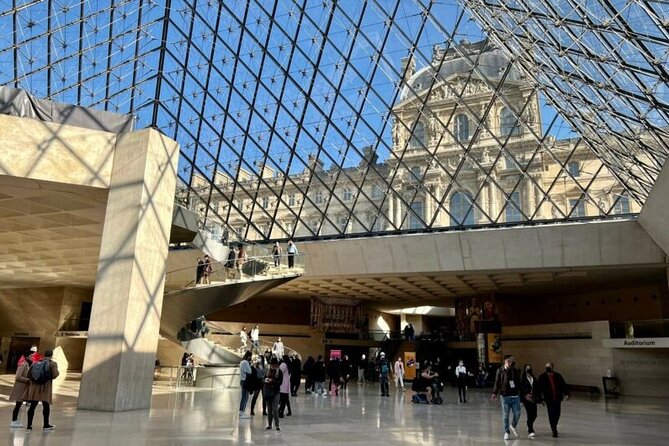
The Louvre can make you freeze. It’s not just big, it’s overwhelming: long corridors, dark rooms, and crowds that seem to multiply the closer you get to the icons. A semi-private format helps because you’re not stuck in a long line or trying to keep up with a pack.
I like this tour’s promise of control. In a group of up to 6, you spend less time herding, more time looking and listening. And because the tour is designed as a quick overview, you get a guided “map in your head” for later, when you return on your own.
There’s also a practical benefit: guides can steer you around the worst bottlenecks and time your stops so you don’t lose the entire morning (or afternoon) just finding the next masterpiece.
One thing to keep in mind is that the Louvre can be loud, even with a small group. In the best versions of this tour, you can hear the guide clearly and questions get answered. If you’re the type who hates straining to listen, arrive a few minutes early so you can settle and confirm how sound is handled for your group.
You can also read our reviews of more private tours in Paris


Meeting at Louis XIV and the glass pyramid: the 20-minute warm-up that pays off
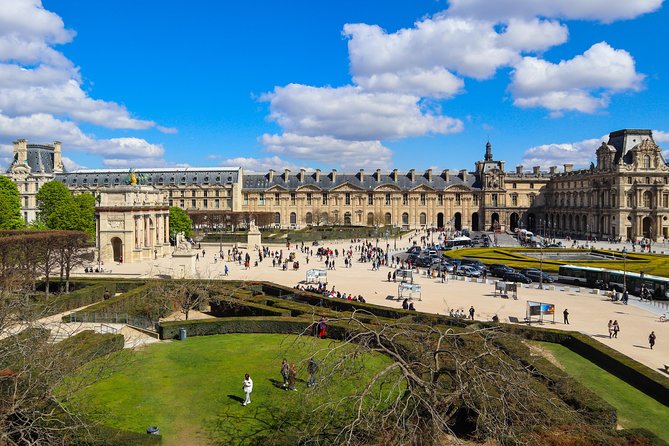
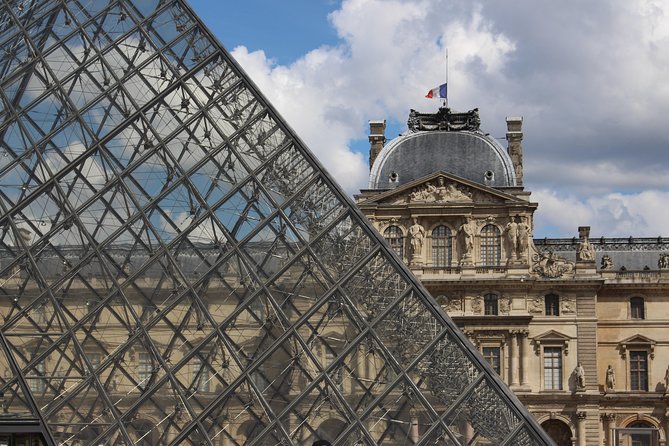
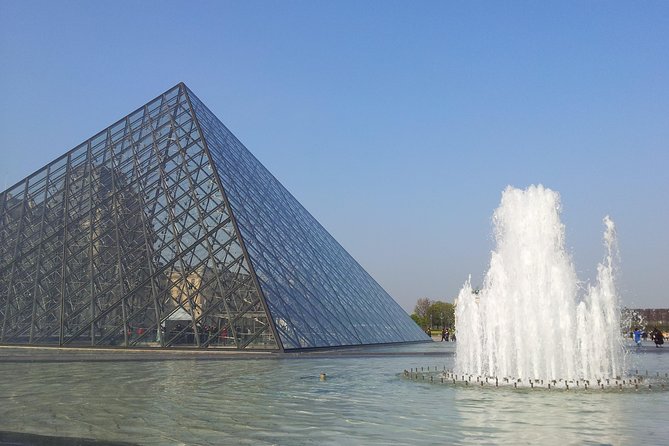
Your tour begins in Cour Napoléon, under the glass pyramid area, near the Louis XIV statue (Louis XIV sous les traits de Marcus Curtius, copie). This matters more than it sounds. Starting here gives you an orientation anchor, so later, when rooms and corridors blur together, you can still picture where you started.
The first stop is focused on the building itself: you get the history of the Louvre’s transformation into the museum experience we recognize today. You’re not just handed facts. You’re given context for why the place looks the way it does now—what you’re seeing is the result of lots of layers, not one “finished” masterpiece.
You only spend about 20 minutes here, so it’s not a slow lecture. It’s a warm-up designed to help you understand the museum as an object, before the art starts competing for your attention.
The main highlights loop: what you’ll actually see in about 2 hours 10 minutes
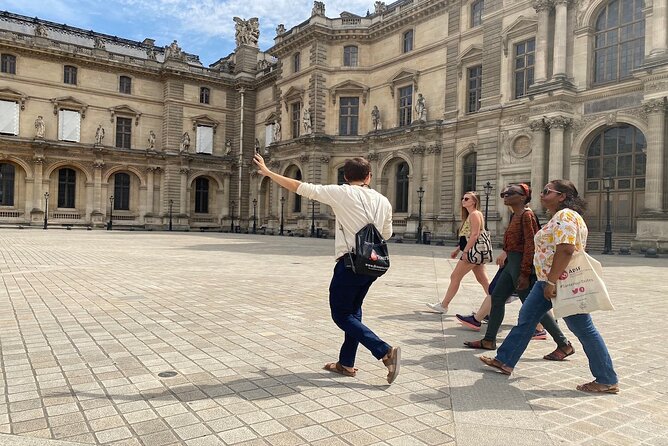
After the pyramid intro, the tour becomes a fast, structured walkthrough across two wings. The idea isn’t to “do the Louvre.” No guide can. The idea is to show you the works that shape how people talk about art from Ancient Egypt through the Renaissance, Neoclassicism, and Romanticism.
Ancient Egypt: the Great Sphinx of Tanis
One early highlight is the Great Sphinx of Tanis in the Ancient Egypt collections. It’s described as sleek granite and notable for being one of the biggest and best-preserved examples found in Western museum settings. Seeing it in person helps you understand scale in a way photos don’t.
If you like objects with strong silhouettes, this is a good first “wow” moment. You can also use this stop as a pace check: if you feel rushed already, remind yourself you’ll get your own time later too.
Ancient Greece: Venus de Milo and Winged Victory
The route then hits two of the most recognizable Greek sculptures:
- Venus de Milo (the armless statue)
- Winged Victory of Samothrace (headless)
These works are famous for a reason, but the guide’s role is what makes them feel less like names you’ve heard and more like actual sculptures you’re looking at. Pay attention to posture, drapery, and the way the figures seem to move through space—because when you stand in front of them, those choices become obvious.






Renaissance and major European painting
From there you move into paintings and French masterpieces, including big crowd-stops such as:
- Paolo Veronese’s Wedding Feast of Cana
- Jacques-Louis David’s Coronation of Napoleon
- Théodore Géricault’s Raft of the Medusa
These selections span storytelling styles and political or emotional weight. In a time-limited tour, that variety helps. It prevents the visit from turning into a single-note march through similar rooms.
The Mona Lisa moment: seeing it as an encounter, not a photo-op
And yes, you’ll see the Mona Lisa. Of all the thousands of paintings in the Louvre, it’s still the most magnetic, because it feels small in person compared to how enormous it is in your head.
The smart way to handle Mona Lisa is to treat it like a short, focused visit. Your guide’s job is to get you oriented before the crowd noise takes over, so you can look with purpose—face, gaze, technique, and why people keep returning. Then you move on without burning your entire tour standing in the same spot forever.
Where the tour ends and what you can do afterward with your entrance ticket
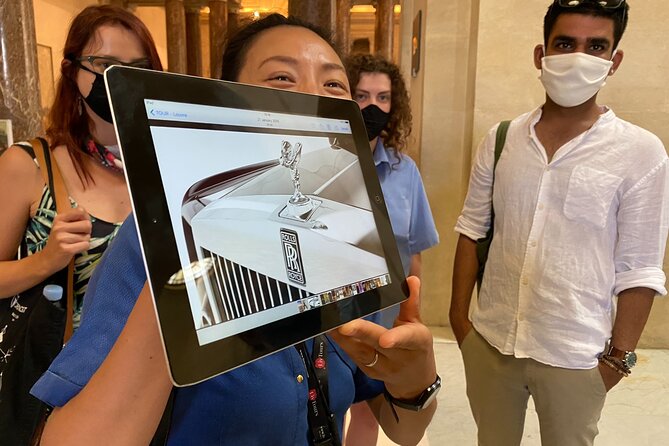
This is one of the biggest practical values: your admission ticket is included, and it lets you keep going after the guided portion ends. So the tour acts like your fast primer, then your ticket turns into the slower, personal experience.
That’s ideal because the Louvre doesn’t reward speed—it rewards choice. After you’ve seen the major anchors, you can return to what actually hooked you and spend real time with it. You’ll also know what you want to look for next, instead of walking around hoping.
If you’re trying to fit everything into one visit, this is the difference between:
- seeing the Louvre, then forgetting it later
and
- seeing the Louvre, then building your own mini-itinerary from what you already learned.
Price and value: is $204.38 worth it for a 2.5-hour tour?
At $204.38 per person, this isn’t a budget add-on. But it becomes more reasonable when you look at what’s included.
You’re getting:
- A semi-private group (max 6)
- A professional local guide
- An adult entrance ticket included (listed as €22)
- The tour time itself (about 2 hours 30 minutes total)
Here’s the value logic: if you go without a guide, you’ll still have to solve the Louvre by yourself. That can mean hours spent deciding where to go, especially if it’s your first time. A small group guided circuit saves you that decision fatigue, and it gives you a workable route you can trust.
You also gain question time. Even a few smart answers from a guide can change what you notice in front of Venus de Milo or how you interpret a painting like Raft of the Medusa.
If you already know the Louvre well and you’re comfortable navigating by yourself, you might not need this. But if you’re a first-timer, short on time, or overwhelmed by scale, this price often lands in the “worth it” category.
Guide quality: why names you’ve heard matter here
This tour lives or dies by the guide. The strongest sessions tend to share a pattern: clear pacing, good explanations tied to specific works, and an approachable style that makes non-experts feel included.
You’ll see that reflected in real examples of guides who have led groups on this route, such as Anais, Julie, Claire, Diane, and Raphael, plus Avi and Imad. The consistent theme is that they don’t just point. They explain why a work matters, and they do it while moving you efficiently through the museum.
There are also caution notes. Some experiences have flagged audio or microphone issues on crowded days, and one account complained about staying in one section too long. That doesn’t mean every tour is like that, but it does mean you should go in with a realistic mindset: the Louvre crowd can drown sound, and even a small group needs good audio practice.
How to tilt the odds in your favor
- Arrive a few minutes early so you aren’t rushed into a bad standing spot.
- Ask a question early. If your guide responds well and adjusts, that’s a great sign.
- If you can, position so you’re not stuck behind taller people; hearing the guide is half the benefit.
Practical timing: how to plan your day around a 2.5-hour highlight run
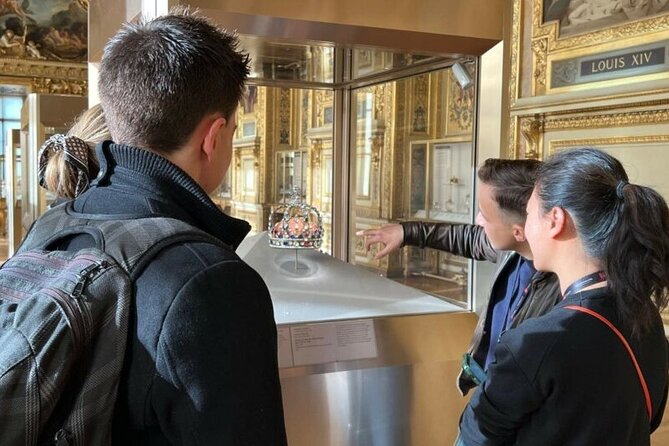
The total tour time is about 2 hours 30 minutes, with:
- ~20 minutes at the pyramid area
- ~2 hours 10 minutes inside the museum route across two wings
That means it’s a strong fit for a half-day plan. You’ll still have time afterward to wander, and you won’t feel like you gave up your whole Paris day to art.
Book early when you can. The average booking window is about 42 days in advance, which tells you this is a popular format with limited capacity.
Also, the meeting point is near public transportation, so it’s easier to fold into the rest of your city plan. I’d still give yourself extra time to reach Cour Napoléon because the Louvre’s entrances and security flow can vary day to day.
Who should book this tour, and who should skip it
Best fit
This is a great match if you:
- are visiting the Louvre for the first time
- want a guided overview that still leaves freedom afterward
- like structured highlights more than wandering without a plan
- enjoy asking questions (since the small group format supports it)
Consider skipping if
You might want a different format if you:
- already have a detailed plan of what you want to see and feel confident doing it alone
- hate any “timeboxed” route, even a short one
- need consistently loud, high-volume audio (because, as with any museum crowd, sound can vary)
Practical tips that make your short Louvre visit feel longer
You’ll get more out of this tour if you think like this:
- Use the guided time to learn what matters
- Use your self-guided time to go deeper on what you connected with
Wear comfortable shoes. You’ll walk enough that blisters turn into a bad mood fast. Also, don’t plan a major lunch mission right after the tour unless you know the timing works for you. Paris has its charm, but the Louvre requires your attention first.
When the tour ends, pick one or two priorities. Otherwise you’ll spend your ticket time making decisions instead of enjoying art.
Should you book this exclusive semi-private Louvre highlights tour?
I’d book it if you want the Louvre to feel doable. The max-6 format, the focused highlight route across key periods, and the included ticket for continued wandering afterward turn this into a smart first visit, not just a checklist.
If you’re sensitive to audio issues or you’re the type who hates crowds, do a little extra planning: arrive early, choose a good spot during stops, and treat the tour as an overview you’ll expand on later.
If you want a Louvre day that starts with guidance and ends with freedom, this is one of the cleaner ways to make that happen.
FAQ
How long is the semi-private Louvre tour with Mona Lisa?
It runs about 2 hours 30 minutes.
How many people are in the group?
The tour is guaranteed to be a safe, intimate semi-private group with a maximum of 6 people.
Where do I meet the guide?
Meet under the statue of Louis XIV in Cour Napoléon and the Pyramide du Louvre (Louis XIV sous les traits de Marcus Curtius, copie), 75001 Paris.
Where does the tour end?
The tour ends at the Louvre Museum, 75001 Paris.
Is the Louvre entrance ticket included?
Yes. The tour includes an entrance ticket listed as €22 for adults.
Will I see the Mona Lisa during the guided portion?
Yes, the tour includes seeing the Mona Lisa.
What language is the tour offered in?
It is offered in English.
Can I stay in the museum after the guided tour?
Your entrance ticket lets you keep visiting after the tour ends (until closing).
Do children or younger visitors get free admission?
Free admission applies to visitors under 18 and EEA residents under 26, as long as they show valid ID and proof of residency.
What is the cancellation policy?
You can cancel for a full refund up to 24 hours in advance.
What should I know about gratuities?
Gratuities are optional and not included.