REVIEW · PARIS
Discover the bohemian Montmartre with a Parisian
Book on GetYourGuide →Operated by Voilà Tours · Bookable on GetYourGuide
Montmartre feels like a movie set. This 2-hour Montmartre walking tour with René from Voilà Tours focuses on the art-and-nightlife side of the neighborhood, with stops that explain why this place mattered to Paris after dark.
I love the way the guide ties landmark stories to the streets you’re actually walking, so the neighborhood feels like a lived-in past, not a classroom.
I also love the Place du Tertre art-square moment and the Le Bateau-Lavoir stop tied to the artist world. The only possible drawback: at two hours, it moves at a tourist-walk pace, so you’ll want comfortable shoes and you may need extra time on your own if you want slower photo breaks everywhere.
In This Review
- Key things to know before you go
- Why a 2-hour Montmartre walk can feel worth it
- Starting at Blanche: the fastest way to get oriented
- Moulin Rouge and the cancan past (with Toulouse-Lautrec in the mix)
- Café des Deux Moulins: a short stop that still adds texture
- Moulin de la Galette and the artist playground mood
- Place du Tertre: the working art gallery you can actually watch
- Rue Lepic and La Maison Rose: the fun side streets
- Van Gogh’s Paris: walking the area that shaped his style
- Le Bateau-Lavoir: where the studio stories hit hardest
- Dalida’s tribute: a pop-culture thread through the hill
- Sacré-Cœur secrets and the Saint Denis legend at the finish
- Price, food stop, and whether $28 feels fair
- Who this tour suits best
- Should you book this Montmartre walk with René?
- FAQ
- Where does the tour meet?
- How long is the tour?
- What is the price per person?
- What languages does the guide speak?
- Is hotel pickup included?
- What should I bring, and where does the tour finish?
Key things to know before you go

- Meet at Metro Blanche (green kiosk): easy start point if you’re staying anywhere in central Paris
- Moulin Rouge context: how the cancan legend and artists like Toulouse-Lautrec shaped what people imagine today
- Van Gogh’s Paris streets: you’ll visit the area tied to where he lived and how Montmartre affected his painting
- Le Bateau-Lavoir + artist talk: stories that connect Picasso, Renoir, and that creative crowd
- Place du Tertre as a working art scene: it’s still an active spot where artists create in public
- Sacré-Cœur finish with legends: panoramic viewpoints plus the Saint Denis headless martyr story behind Montmartre’s name
Why a 2-hour Montmartre walk can feel worth it

Montmartre is one of those places where you can burn hours and still feel like you only saw crowds. This tour is short on purpose. It’s designed so you get the key sights—Moulin Rouge, Place du Tertre, and the climb up to Sacré-Cœur—without getting stuck in the biggest lines or the most obvious photo angles.
What makes it practical is the guide-led storytelling. René is the name to look for on this tour through Voilà Tours, and the reviews describe him as friendly and energetic. That matters, because Montmartre’s appeal isn’t just architecture. It’s attitude: painters, performers, and mischief rolling downhill through narrow streets.
You’re also paying for value in the “how” as much as the “what.” The tour includes a short bistro stop with authentic local delicacies. For $28 per person and two hours, that’s a real perk if you’d otherwise spend time hunting for something simple and solid.
The vibe you should expect is bohemian. It’s the kind of walk where cobblestones and old façades turn into clues—like you’re reading the neighborhood with your feet.
You can also read our reviews of more tours and experiences in Paris.



Starting at Blanche: the fastest way to get oriented

You begin at the exit of the Metro Blanche at the green kiosk. That’s the kind of meeting point you like on a walking tour: clear, central, and easy to navigate without playing guessing games.
From there, the tour puts you in motion right away, before you’ve had time to get disoriented. Montmartre has a way of making you feel like you’re always walking “toward something,” even when you’re not. A guided start helps you understand where you are and why each bend in the street matters.
Also, this is a walking tour that expects you to participate. Wear comfortable shoes because you’re on cobblestones and you’ll be moving through uphill terrain. Bring water too. It’s a simple tip, but in Montmartre it becomes a lifesaver.
Moulin Rouge and the cancan past (with Toulouse-Lautrec in the mix)

The first big landmark stop is the Moulin Rouge area. You’ll get a photo stop, then a guided look that frames it as more than a famous signpost.
What I like about this stop is the angle: you’re not just told it’s iconic. You learn the scandal-and-style history that made it famous, including the cancan story and how artists such as Toulouse-Lautrec helped turn the whole scene into cultural memory.
This works for you if you’ve ever wondered why the Moulin Rouge feels so tied to art and not only nightlife. In the late 1800s and early 1900s, Montmartre was where performers and painters rubbed shoulders. René’s approach makes that connection feel logical, like the neighborhood had a job to do.
Quick practical note: Moulin Rouge is busy, so use the guided windows for your best photos and don’t assume there will be empty sidewalks. Your time is limited on a two-hour tour, so focus on getting photos at the guide’s pace.
Café des Deux Moulins: a short stop that still adds texture

You’ll pause at Café des Deux Moulins for a photo moment. This stop is brief on purpose. The goal isn’t to linger. It’s to give you a recognizable anchor point you’ll later understand in context.
If you like travel details, even a short stop like this helps. It makes Montmartre less “random streets” and more “a neighborhood with recognizable threads.” You start to spot how the area’s images—cafés, dance halls, studios—match the stories.
Moulin de la Galette and the artist playground mood

Next comes Moulin de la Galette. You’ll have a photo stop and then a guided visit.
This is one of the stops where the tour becomes more than sight-seeing. You’re walking through a place remembered for creativity and outdoor entertainment, and then hearing stories that connect the location to the artists who once lived and worked there. The goal is to help you see the neighborhood the way painters did: with attention to light, streets, and the energy of crowds.
You’ll also hear about the artist world in nearby spaces, which sets you up for the more studio-focused stop later.
One more tip: this is a good time to watch how the street layout changes. Montmartre’s slopes create natural viewpoints and dramatic framing. Even if you’re not a photographer, it changes your sense of direction.




Place du Tertre: the working art gallery you can actually watch

Place du Tertre is the part of Montmartre many people want to see, but this tour handles it better than a simple photo sweep.
You’ll spend time there with a guided focus, and you’ll get the idea of why it became known as a place where artists work in public. The tour also points out that past masters like Utrillo and Dufy once worked here, while modern painters keep the tradition going.
I like Place du Tertre because it gives you permission to slow down for a moment. It’s not only historic. It’s still alive as an art square. If you stop and actually watch, you’ll understand why people keep returning.
The downside of Place du Tertre is that it can get crowded, so don’t expect silence. Use your guide time to learn what you’re looking at, then decide if you want to keep it as a quick stop or stay longer on your own afterward.
Rue Lepic and La Maison Rose: the fun side streets

After Place du Tertre, you’ll walk through Rue Lepic, with time for shopping, sightseeing, and just enjoying the street character. You’ll also visit La Maison Rose with a guided look and time to wander the area.
These stops are valuable because they remind you Montmartre isn’t only for the big landmarks. The charm is in the small scale: shopfronts, doorways, and the “how did they fit everything here” feeling of old Paris streets.
If you like browsing, this is your chance. But keep an eye on the schedule. With a two-hour tour, the “small detour” can become “oops, we fell behind.”
Van Gogh’s Paris: walking the area that shaped his style
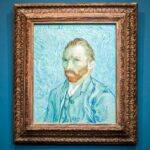
The tour brings in Van Gogh’s connection to Montmartre. You’ll walk the streets tied to his Paris period and see the house where he lived. You’ll also learn how his time in Montmartre influenced his painting style.
This is the kind of stop I think is genuinely worth it. It turns the artist from a name on a museum wall into a person with a route, a view, and daily life. When you hear the story and then look at the street layout, you start to understand why an artist might change their work based on a neighborhood.
Practical advice: if you’re a museum person, this will make later art viewing feel more personal. If you’re not, it still helps because it gives your walk a clear storyline.
Le Bateau-Lavoir: where the studio stories hit hardest

Le Bateau-Lavoir is one of the most interesting stops on this experience. You’ll visit it for long enough to absorb what it represents, and you’ll hear stories that connect it to artists such as Picasso and Renoir and their bohemian circle.
Why this stop works is simple: Montmartre is often sold as nightlife and landmarks. Le Bateau-Lavoir redirects you to the creative engine behind the myth. It’s where you can picture the social side of art: people sharing ideas, experimenting, and building reputations out of shared work.
If you want a more “art history you can walk through” feeling, this is the portion to pay attention to. Even if you don’t know the names, you’ll understand the vibe—like creativity had a physical home here.
Dalida’s tribute: a pop-culture thread through the hill
You’ll also see the bust of Dalida as a tribute to her connection to Montmartre. This is a nice reminder that Montmartre didn’t stop being an art magnet in the 1900s.
It’s not a long stop, but it adds a human layer. You get the sense the neighborhood kept producing artists and turning personal stories into public memory.
If you like travel moments that connect decades, this helps your brain file Montmartre as a continuum, not a single era.
Sacré-Cœur secrets and the Saint Denis legend at the finish
The tour ends at Sacré-Cœur Basilica. You’ll have time for the visit and time for the views—one of the main reasons people feel a little stunned when they arrive.
What I like here is the way the tour connects the viewpoint to story. You’ll hear the macabre legend of Saint Denis, the headless martyr who is said to have given Montmartre its name. It’s the kind of tale that feels right for the hill: dramatic, grim, and totally in character for old Paris legends.
Now, a realistic expectation: Sacré-Cœur can be busy. You’re finishing after a walk, so plan to treat the basilica as a “take it all in” stop, not a slow sit-down session. If you want longer time inside, add it after your tour.
Also, the views from the area make your earlier walking choices click. You start to understand why the neighborhood is shaped the way it is, and why the artists and performers wanted to look down at the city.
Price, food stop, and whether $28 feels fair
At $28 per person for a two-hour guided walking tour, the price feels fair if you value guided context. You’re not only paying for access to a route. You’re paying for a narrative that connects Moulin Rouge, artist sites, and the final Sacré-Cœur finish into one walkable story.
You also get local delicacies at a bistro during the experience. That’s important for value. Montmartre days can turn into snack hunting, which is fine, but it costs time and money. This gives you a built-in break with something authentic rather than guesswork.
One more note: the overall rating is 3.9 based on 13 reviews. The praise is strongest for René’s friendly, lively guiding style. A smaller number of issues show up around refund timing when a cancellation happens late, so if you’re booking close to your travel day, it’s smart to be extra careful.
Who this tour suits best
I think this tour fits you if:
- You want a Montmartre walking tour that gives you stories, not just photos
- You’re curious about Van Gogh and the artist circles tied to this hill
- You like a short, structured route instead of wandering for half a day
I’d think twice if:
- You need lots of free time at each stop to shop, sit, and browse slowly
- You’re hoping for a leisurely pace with minimal uphill walking
- You’re booking with uncertainty about your schedule, because one review mentioned a refund delay after a late cancellation
In other words: it’s best for people who want to see a lot and leave feeling like they understood Montmartre’s creative myth.
Should you book this Montmartre walk with René?
If you’re weighing options, I’d book when you want the art-and-nightlife story of Montmartre in a tight two-hour format. The guide makes a difference here, and René is repeatedly described as the reason the experience feels alive and fun, not just informational.
Also, the mix of stops is smart: Moulin Rouge, Place du Tertre, Le Bateau-Lavoir, and a Sacré-Cœur finish gives you a complete arc from performance to studio creativity to a big-city view.
Just go in knowing it’s a walk, not a leisurely sit-everywhere museum day. Wear good shoes, bring water, and plan to explore a bit more on your own once you’re done.
FAQ
Where does the tour meet?
You meet in the exit of the Metro Blanche at the green kiosk.
How long is the tour?
The duration is 2 hours.
What is the price per person?
The price is $28 per person.
What languages does the guide speak?
The live guide offers Spanish, English, and French.
Is hotel pickup included?
No. Hotel pickup and drop-off are not included.
What should I bring, and where does the tour finish?
Bring comfortable shoes, a camera, and water. The tour finishes at the Basilica of Sacré-Cœur de Montmartre.