REVIEW · AIX EN PROVENCE
Aix-en-Provence: Croissant Baking Class
Book on GetYourGuide →Operated by French Baking Academy · Bookable on GetYourGuide
Croissants are science you can eat. This 3-hour Aix-en-Provence croissant baking class turns the famous French laminated dough into a hands-on experience in the city’s historical center, guided step-by-step by a local pastry chef in a small group. You even learn why a classic croissant is built from 55 layers of dough and butter—then you apply it with your own hands.
I really like two things here: you leave with 2 croissants and 2 pains au chocolat you made yourself, and the lesson doesn’t stop at the oven. You also get a croissant recipe and technical sheet so you can try again at home with clearer guidance than most cooking demos.
One caution: if you have gluten or lactose intolerance, this may not be the ideal fit. The class is built around French wheat flour, butter, and milk, so you’d want to consider whether you can safely participate.
In This Review
- Key highlights at a glance
- Croissants in Aix: why this class is worth your time
- Where Ma Cuisine sits in the historical center (and why the location helps)
- What you’ll make: 2 croissants and 2 pains au chocolat
- Inside the 3-hour flow: knead, laminate, shape, bake
- The “small group” difference you can actually feel
- Comfort, equipment, and what to wear
- Price in context: what $125 buys you (and why it’s not just a snack)
- Who this class fits best (and who should choose something else)
- Planning tips: make the most of your Aix baking morning
- Should you book this Aix-en-Provence croissant class?
- FAQ
- What is the duration of the Aix-en-Provence croissant baking class?
- How many people are in the small group?
- What will I make during the workshop?
- What languages are used during the class?
- Do I need prior baking experience?
- Is this class suitable for children?
- What should I bring, and is the class food-free or allergy-friendly?
Key highlights at a glance

- Small group (up to 8) means you can get real attention while you learn lamination and shaping.
- Hands-on, step-by-step coaching from a local chef with instruction in English and French.
- Express format in 3 hours so you can cover kneading, laminating, shaping, and baking.
- Your own batch to take home: 2 croissants and 2 pains au chocolat.
- Coffee or tea and fresh water included, right during the class.
- Recipe plus technical sheet so your next bake at home is repeatable.
Croissants in Aix: why this class is worth your time

Aix-en-Provence has that easy South of France rhythm: morning light, small streets, and cafés everywhere you look. This class fits that vibe. Instead of just tasting pastries, you learn the method behind them, in a format that’s actually doable on a travel schedule.
The big draw is that it’s hands-on and small. You’re not watching someone else work while you take photos. In a group limited to 8 participants, you get to knead, shape, and bake your own croissants and pain au chocolat. That matters because croissants are sensitive: the dough feel, butter behavior, and shaping all affect the final outcome.
And yes, the workshop leans into the famous facts. You’ll hear why a traditional croissant can be built from 55 layers, then you connect that concept to the practical steps—especially laminating and shaping. Even if you’ve never baked before, the “learn the feel, not just the recipe” approach helps a lot.
The other value is the express timing. This is optimized for a 3-hour workshop, so you still get the full sequence of dough work and baking without needing a whole day of waiting around. It’s a smart choice if you want the craft, but you don’t want the long production schedule.
You can also read our reviews of more cooking classes in Aix En Provence

Where Ma Cuisine sits in the historical center (and why the location helps)

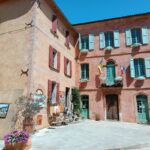
The workshop is hosted by Ma Cuisine on Rue Constantin, number 4. You’re looking for the workshop named Ma Cusine on that pedestrian street.
Location matters more than people think for cooking classes. You want to start relaxed, not stressed. Being in the heart of Aix’s historical center means you can arrive, park your day mentally, and then focus on the class. It’s also close to main squares, cafés, and restaurants area—so if you’re hungry before class, you can get something nearby without scrambling.
There’s also a practical benefit to the setting. The class is in a quiet pedestrian street, which tends to make a difference for how quickly you find the place and how smoothly you settle in. You’re not negotiating traffic, buses, or long transfers.
Before you go, plan your timing. Arrive on time, and you don’t need to arrive more than about 5 minutes early. That reduces the “waiting in the doorway” feeling and helps the team stay on schedule.
What you’ll make: 2 croissants and 2 pains au chocolat

You’ll produce exactly what the highlight list promises: 2 croissants and 2 pains au chocolat. That’s a great deal of “finished product” for a 3-hour class.
The lesson focuses on the classic components of French pastry:
- dough work (kneading and managing texture)
- laminating (the butter-and-dough layering technique)
- shaping (turning prepared dough into croissant and pain au chocolat forms)
- baking (getting that golden, buttery result)
If you’re a beginner, this structure helps you understand the logic. You learn what each step is trying to achieve, not just what to do next. And if you’ve baked before, the class still offers value because you can compare your usual method to the chef’s technique—especially around how lamination and shaping should look and feel.
One more practical point: you’ll be using top-quality ingredients and baking with materials provided for the workshop. That removes a common travel-baking problem: trying to source the right flour or butter at home without knowing what to buy.
When it’s over, you’re not leaving empty-handed. You get pastries you can eat right away or bring back, plus the documentation (recipe and technical sheet) that helps you repeat the results later.
Inside the 3-hour flow: knead, laminate, shape, bake
A lot of people hesitate about croissant classes because they imagine the traditional timeline. Croissants can involve long waits, and that can be a dealbreaker on vacation. This class is designed as an express workshop optimized for a 3-hour duration, so you’ll cover the essential skills in a tight window.
Here’s what the class time is built around:
First comes dough work. You’ll knead and get a handle on texture and handling. Even if you’re new, this part is where you start learning. Croissant dough has to feel right before it’s ready for lamination, and you’ll be guided step-by-step.
Next is laminating. This is the heart of the croissant. The technique builds the layers that create the flaky structure when baked. Since the class explicitly references the idea of 55 layers, you’ll understand why patience and careful handling matter here.
Then you move to shaping. Croissants and pain au chocolat aren’t shaped randomly. You’ll learn how the dough is formed into recognizable patterns so the final bake looks like the real deal, not just “something buttery.”
Finally comes baking. This is where your work turns into the reward. You’ll bake your pastries, and you’ll see how the method you practiced translates into a real crust and crumb.
In short: you get the whole craft sequence—just in a travel-friendly timeline. That balance is exactly what makes this class feel like learning, not a rushed demo.
The “small group” difference you can actually feel
With a class capped at 8 participants, the experience doesn’t turn into a mass lesson. That size is big enough to be fun and social, but small enough that you’re not lost in the crowd.
What you benefit from is feedback. When you’re kneading, shaping, or working through lamination, small errors happen quickly. The chef’s guidance matters because croissants respond to details. In a larger class, it’s harder to correct you in time. Here, the pace supports real coaching.
It’s also easier for solo travelers. If you’re coming alone, this format tends to feel welcoming rather than awkward. The workshop environment is described as professional and friendly, and the group size supports that tone.
And yes, the class has a comforting rhythm: complimentary coffee or tea during the session and a carafe of fresh, drinkable water available anytime. That’s not just hospitality fluff. When you’re doing hands-on work, you want to avoid the energy dip that comes from forgetting to drink or grabbing something later.





Comfort, equipment, and what to wear
Good news: you don’t have to bring tools. The class includes all necessary equipment and tools, plus an apron to wear during the workshop. Ingredients are provided, and the team uses carefully selected top-quality ingredients.
What you do need to think about is your body. Wear comfortable shoes—croissant classes mean time at a work surface, standing, leaning, and moving around. In summer, it’s a good idea to wear light clothes so you don’t overheat while you’re working.
Food and drink support the session too. You’ll have coffee or tea included and fresh water at your disposal. That helps you keep your focus on the process instead of the logistics of feeding yourself.
Diet note (important): the class is not designed as gluten- or lactose-free. Since croissants are made from French wheat flour, butter, and milk, gluten and lactose intolerance can be a real limitation. The workshop does note that people are welcome if they’re willing to have some spare croissants for the next breakfast, but if you need strict avoidance, this may not be your best match.
Price in context: what $125 buys you (and why it’s not just a snack)
At $125 per person for a 3-hour class, you’re paying for more than pastries. You’re paying for instruction, a small-group setting, professional kitchen support, and ingredients that would cost real money if you tried to recreate the whole process on your own.
This is also a “materials included” experience:
- top-quality ingredients
- all equipment and tools
- an apron
- coffee or tea
- fresh water
- and a meaningful take-home product: 4 pastries total (2 + 2)
Then there’s the documentation. You get a croissant recipe and technical sheet. That’s often where value lives. A lot of cooking experiences give you a memory. This one also gives you a plan for your next bake at home.
So the real question is whether you want to learn the technique or just eat the result. If you want to do the technique, the price starts to make sense. If you only want a pastry, Aix has plenty of places to buy croissants and pain au chocolat without a workshop fee. This class is best when you see it as skill-building.
Who this class fits best (and who should choose something else)
This workshop is open to everyone, including beginners. That’s a strong point if you’re intimidated by pastry terminology. You’ll still learn the steps—knead, shape, laminate, bake—but the chef’s guidance should keep it approachable.
It also fits travelers who like structured, practical experiences. You get a clear output at the end (your pastries), and you leave with a repeatable guide.
You might consider another option if:
- you need strict gluten-free or lactose-free food
- you’re expecting an advanced, professional-level pastry program (this is an express class optimized for the 3-hour duration, so advanced-focused training may be better in an advanced class)
- you’re traveling with children under 12 (children are more than welcome in the right age range, but it’s not suitable for children under 12 years)
If you’re traveling as a family with younger kids and you worry about attention and timing, the workshop itself suggests booking a private class with your family. Private can also help if you want a slower pace.
Planning tips: make the most of your Aix baking morning
A few smart moves can help your experience feel smooth.
First, treat timing like part of the class. Arrive on time, and don’t show up much earlier than needed. The team says you don’t need to arrive more than about 5 minutes before start time, since they may still be preparing.
Second, wear the right shoes and dress for heat if you’re baking in summer. Croissant dough work can be physical even when it’s not intense cardio.
Third, ask questions while you’re working. Since the group is small, the chef can respond quickly. If you’re trying to learn what you should notice—like how dough should feel before lamination—this is the moment to ask.
Fourth, plan your next meal after class. The pastries you make are the point, but they’re also the reward. If you’re going to eat later, consider saving one or two for the walk back through Aix.
Finally, use the technical sheet right after. Don’t let it become a souvenir that gets lost in your luggage. If you want the class to matter at home, the best time to review your notes is soon while the process still feels fresh.
Should you book this Aix-en-Provence croissant class?
If you want a hands-on French pastry experience in the center of Aix, this is an easy yes. The small group size, clear outputs (2 croissants + 2 pains au chocolat), and the fact that you get a recipe plus technical sheet make it a strong value for learning something real.
I’d skip it if gluten or lactose intolerance is a hard requirement for you. And if you’re looking for an advanced deep-dive pastry program with a long traditional schedule, you may prefer a more advanced class that matches that pace.
If your goal is to learn the method, leave with finished pastries, and take home a plan for your next bake, this workshop is exactly the kind of trip memory that turns into a real skill.
FAQ
What is the duration of the Aix-en-Provence croissant baking class?
The class lasts 3 hours.
How many people are in the small group?
The class is limited to 8 participants.
What will I make during the workshop?
You will make 2 croissants and 2 pains au chocolat.
What languages are used during the class?
The workshop is taught in English and French.
Do I need prior baking experience?
No. The class is open to everyone and beginners are welcome.
Is this class suitable for children?
Kids are welcome as long as they can follow instructions, but it is not suitable for children under 12 years.
What should I bring, and is the class food-free or allergy-friendly?
Wear comfortable shoes. The class uses French wheat flour, butter, and milk, so it may not be ideal for gluten or lactose intolerance.