REVIEW · FRANCE
Simple Visit to Discover the Domaine d’Arton
Book on Viator →Operated by Domaine d'Arton · Bookable on Viator
Music for healing vines sets the tone. At Domaine d’Arton near Lectoure, an English-guided walk turns wine history into something you can actually see, with Genodics sound technology and stories that stretch from Roman Gaul to Armagnac craftsmanship. I really liked how the visit starts in peaceful private gardens, then keeps moving at a smooth pace through vineyard, cellar, and tastings when available.
I love the vineyard portion, especially learning the eight grape varieties and the specific focus on Haut-Armagnac terroir rather than generic wine talk. One consideration: if tastings are your main goal, double-check what is offered during your time slot, since the information says tasting is on request while it also lists wine/Armagnac tasting as not included—so you’ll want to confirm before you go in expecting a full sit-down tasting flight.
In This Review
- Key highlights you’ll feel quickly
- A smooth, one-hour visit that still feels special
- Entering the Domaine d’Arton: history, vines, and the story arc
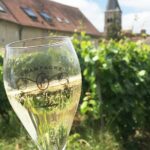
- The vineyard walk: eight grape varieties and Haut-Armagnac terroir
- Genodics and music for vine care: the part you’ll remember
- Private gardens and Gers views: calm before the cellar work
- Inside the aging cellar: where Armagnac becomes itself
- Tastings on request: plan your expectations so you get what you want
- Price and value: $24-ish for a small, structured estate visit
- Who this tour suits best (and who might want a different option)
- Practical tips before you go
- Should you book Domaine d’Arton?
- FAQ
- What is the duration of the Domaine d’Arton visit?
- How much does the tour cost?
- Is the tour offered in English?
- How large is the group?
- Is a tasting included?
- What’s the cancellation policy?
Key highlights you’ll feel quickly

- Genodics explained in plain language, where music is used as part of vine care
- Private gardens access at Château Artondomaine d’arton, with a calm start before the cellar
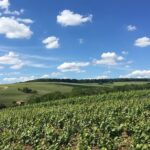
- Vineyard walk for eight grape varieties, plus a clear look at Haut-Armagnac character
- Aging cellar visit, focused on how Armagnac matures (not just where it’s stored)
- English guidance and a small max group size (20 travelers), so questions actually get answered
- Tastings on request, including dry and sweet whites, rosé, reds, and Armagnacs when offered
A smooth, one-hour visit that still feels special
This is the kind of wine-region experience that respects your time. You’re in for about one hour, and it ends back at the same meeting point at Château Artondomaine d’arton in 32700 Lectoure. It’s short enough to fit into a day of exploring Gers, but structured enough that you’re not just wandering around and hoping for the best.
The setting helps. Even before the vineyards, you step into the estate’s private gardens, which makes the whole visit feel quieter and more intentional than the typical “pressured tour” you might find elsewhere. From there, the tour flows logically: gardens to vines, vines to cellar, and then tasting if that’s part of your plan for that session.
It’s also small-group by design: up to 20 people. That matters more than you’d think. When the group is capped, the guide can pace the story to the questions in the room, and you’re more likely to remember details like the different grape varieties and what makes Haut-Armagnac distinct.
One more detail I appreciate: it’s offered in English, and it includes a mobile ticket. So you’re not juggling paper confirmations while you’re trying to enjoy the countryside.
You can also read our reviews of more tours and experiences in France.

Entering the Domaine d’Arton: history, vines, and the story arc

What I like about Domaine d’Arton is that it doesn’t treat wine as a set of products. It frames the whole place as a story—Roman Gaul, the Gascony of the Musketeers, then the resurrection of Haut-Armagnac and the enthusiasts who turn it into eau-de-vie.
That matters because it changes how you look at the vineyards. Instead of thinking, Here are grape rows, you start thinking, This is a long-running craft with a local identity. In a short guided hour, that story hook makes the technical parts easier to follow.
During the walk, you also get a sense of the estate’s commitments as a harvesting producer. The tour isn’t just about how wine ends up in a glass; it’s about the choices made along the way—especially when it comes to vine health and how the property approaches the work.
The vineyard walk: eight grape varieties and Haut-Armagnac terroir

The heart of the visit is the guided vineyard stroll. This isn’t a “look, vines!” moment. You’re walking as you learn, and you’re meant to come away with a mental map: the estate, the planting choices, and how the eight grape varieties fit together within the Haut-Armagnac idea of place.
The tour also focuses on the Haut-Armagnac terroir. Even if you’re not a wine nerd, that phrase is useful because it points you toward what’s local and specific—why this area’s Armagnac character isn’t simply interchangeable with another region’s brand story.
I’d come prepared for a bit of learning. The tour is educational and hands-on in the way it connects process to the land. It moves quickly, but it’s not rushed. You’ll get enough explanation to make the vineyard feel meaningful, not just photogenic.
A helpful tip for your day: plan your other stops with this pace in mind. Since it’s about an hour, it’s a great anchor activity near Lectoure. You can pair it with a slow lunch afterward and still have time to explore nearby.
Genodics and music for vine care: the part you’ll remember

If you’re curious about unusual methods, this is the standout segment. The guide explains Genodics technology, described as using music to help heal the vines. Whether you’re fully convinced by the science or just intrigued by the approach, the format works because you’re hearing it as part of the estate’s broader philosophy—not as a gimmick.
I like that it’s presented during the tour rather than as a separate demo. You’re already in the vineyards, which makes the idea easier to picture. Instead of watching something unrelated, you connect it to the living system around you.
This is also where the guide can make or break the experience. In some sessions, guides like Didier lead the vineyard explanation with energy and genuine ownership of the story. When that happens, the tech section becomes a human moment—someone who cares about what they do and can explain it without making it complicated.
Bottom line: if you want a wine visit that includes something you won’t see everywhere, this is it.
Private gardens and Gers views: calm before the cellar work

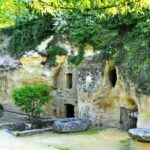
Before you get into fermentation and aging, you’re in private gardens. That’s not just a nice perk—it changes the tone of the whole visit.
You take a guided start in a more relaxed setting, and you’re able to look out toward the Gers hills and vineyard views as the tour begins. Even when the visit stays focused on winecraft, this garden moment keeps it from feeling mechanical.
If you’re traveling with someone who isn’t obsessed with Armagnac yet, this is often the easiest sell. Gardens and views are universal. The tour then earns the interest through explanation—how the estate cares for vines, how the cellar works, and why the end product matters.



Inside the aging cellar: where Armagnac becomes itself

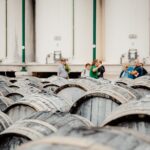
The cellar visit is where the tour turns from “how it grows” to “how it matures.” You see the aging cellar of the estate’s Armagnacs, and you get an explanation of the universe around Armagnac—how time, process, and careful handling shape the final character.
I like that the cellar portion is included, not optional. A lot of short tours skip this and only talk. Here, you get a real sense of where the magic happens: maturation in a dedicated space built for the job.
This section also pairs well with the vineyard learning. When you understand the vine inputs (grapes, terroir, vine care approach), the aging cellar stop makes more sense. You’re not just passively hearing facts—you’re building a chain from vineyard to spirit.
In some tours, the experience keeps its friendly pace with guides who explain the processes clearly, so you leave with a better mental model of what Armagnac is and how the estate treats it.
Tastings on request: plan your expectations so you get what you want

Here’s the practical part. The information you’re given says tasting on request can include a selection of dry whites, sweet whites, rosé, reds, and Armagnacs. That sounds great, and people often love pairing the story with a chance to taste the result.
But the same details also list Armagnac tasting and wine tasting as not included. So I’d treat tastings as something you may be able to arrange during the visit, not something guaranteed in every booking.
My advice: when you book (or when you arrive), confirm what tasting options are actually available for your session. Ask what’s included with your specific tour time so you don’t end up with the wrong expectation. If you’re the type who wants Armagnac specifically, ask directly. If you mainly want wines, ask for the wines list.
Also, because the tour is about one hour, tastings likely happen quickly. Come in ready to taste, not ready to settle in for a long, leisurely flight.
Price and value: $24-ish for a small, structured estate visit

At about $24.08 per person, this isn’t a budget “look and leave” stop. It’s priced like a guided estate experience: private gardens access, a vineyard walk, environmental approach discussion, Genodics explanation, cellar visit, and tasting options when offered.
Where the value really shows up is in the structure. You’re not paying just for access to a property—you’re paying for the guided storytelling and the specific estate focus on Haut-Armagnac and their approach to vine care.
And the small-group size (up to 20) helps justify the price. When you’re sharing the guide’s attention with fewer people, you get more back—especially if you enjoy asking questions.
One more value factor: English guidance. In a lot of regional French experiences, language can be a bottleneck. Here, it’s built into the format.
Finally, the overall guest sentiment is very strong—a 5/5 rating with 100% recommending the experience. That doesn’t mean you should ignore your own preferences, but it does suggest the tour consistently hits its mark.
Who this tour suits best (and who might want a different option)
This is a good fit if you:
- want an easy, guided introduction to Armagnac and Haut-Armagnac
- like estate tours that connect vine care to the final spirit
- enjoy hands-on explanations more than just scenic photo stops
- appreciate small-group pacing (max 20)
- want English guidance in a rural setting near Lectoure
You might consider a different style of tour if:
- you’re mainly hunting for a long, in-depth tasting session with multiple pours and slow comparisons
- you’re the type who needs lots of time to ask questions and linger after the tour ends
Because this is about an hour, it’s designed to be efficient. The upside is you’ll feel organized. The downside is you won’t get a half-day deep dive.
Practical tips before you go
A few things that will help your visit go smoothly:
- Wear comfortable shoes for the vineyard walk. Even if it’s not extreme hiking, it’s still outdoors on estate ground.
- Bring a light layer. Gers weather can shift fast once you’re in shade or near open slopes.
- If you care about tastings, plan to ask what’s available for your session. The wording suggests tasting is on request, so confirmation saves time.
- If you’re scheduling multiple activities, remember this ends back at the meeting point—so it’s a clean add-on before dinner.
Also, the visit is typically booked about 48 days in advance on average. If you’re traveling in peak season or want a specific day, don’t wait too long.
Should you book Domaine d’Arton?
I’d book this if you want a compact, well-guided estate experience that mixes practical vine education with a memorable twist—Genodics and music for vine care—then follows through with a real cellar visit. The private garden start is a nice bonus, and the small-group size keeps the tone personal.
The only reason not to book is if you’re specifically seeking a long, guaranteed, sit-down tasting experience. In that case, you’ll want to verify tasting details before you pay.
If you like your wine travel with stories you can picture, and you enjoy learning while you walk, Domaine d’Arton is a strong choice in Gers.
FAQ
What is the duration of the Domaine d’Arton visit?
The tour is approximately 1 hour.
How much does the tour cost?
The price is $24.08 per person.
Is the tour offered in English?
Yes, the experience is offered in English.
How large is the group?
The tour has a maximum of 20 travelers.
Is a tasting included?
Tasting on request is mentioned as part of the experience, including wines and Armagnacs, but the information also lists wine tasting and Armagnac tasting as not included. It’s smart to confirm what tastings are available for your specific session when you arrive or book.
What’s the cancellation policy?
Free cancellation is available up to 24 hours in advance for a full refund. If you cancel less than 24 hours before the start time, you won’t receive a refund.