REVIEW · STRASBOURG
Discover Strasbourg’s most Photogenic Spots with a Local
Book on Viator →Operated by LocalBini - The go-to platform for Experiences by Locals in Europe · Bookable on Viator
Strasbourg photographs easier with a local guide. I love how this tour turns the city into a sequence of practical photo stops, mixing classic landmarks with quieter corners, and I also love the on-the-ground guidance from locals who can explain what you’re seeing in plain terms. One possible drawback: it’s mostly a walking experience, and it’s not recommended for guests with impaired mobility, so you’ll want to be comfortable on foot.
This is built for people who want good pictures without playing guesswork. With a max group size of 8, you get real conversation time, not a “follow the leader” vibe, and the route adjusts to your pace and interests. The outing is about 1 hour 30 minutes, so it’s long enough to feel like a mini-introduction to Strasbourg, but short enough to keep the rest of your day flexible.
The guide angle matters here. In past groups, guides like Atreyu, Rebecca, and Tom have been praised for answering detailed questions, connecting French and German influence to the buildings around you, and even steering people toward good food spots afterward. If you’re the type who likes history only when it helps you understand the view in front of you, this format should work well.
In This Review
- Key photo-stop strengths you’ll feel right away
- Why This Strasbourg Photo Walk Beats Wandering on Your Own
- Price and what you really get for $118.95
- Picking morning vs afternoon: how to choose the right vibe
- From Place Kléber to La Petite France: the first photo “wow”
- Barrage de Vauban and the Rhin: getting real angles, not just sightseeing
- Palais Rohan: architecture that rewards a slower look
- Strasbourg Cathedral: the must-have picture, done without the rush
- Palais du Rhin as the finish: what you can do next
- What the small-group guide experience feels like in practice
- Walking comfort and who should book this (and who shouldn’t)
- Tips to get better photos without turning it into a chore
- Should You Book This Strasbourg Photo Tour?
- FAQ
- How long is the Strasbourg photo tour?
- What group size is the tour limited to?
- Is the tour offered in English?
- Where do we meet, and where does the tour end?
- Are museum or monument entry tickets included?
- What’s included in the price?
- What’s the cancellation policy?
- Is the tour suitable for people with impaired mobility?
Key photo-stop strengths you’ll feel right away

- A guided route that balances big sights and small surprises (so you don’t just get the postcard version)
- Photo timing from bridges and viewpoints, not only from plazas
- Stops that adapt to weather and your walking pace, keeping things realistic
- Architecture explained in a way you can use while you’re shooting
- Restaurant and neighborhood recommendations you can act on after the walk
Why This Strasbourg Photo Walk Beats Wandering on Your Own

Strasbourg can make you feel like you’re doing fine… right up until you realize you’ve walked past the best angles because no one told you where to stand. This tour solves that. It’s not just a sightseeing stroll; it’s a photo-focused route with stops chosen for views, compositions, and quick context.
I also like the “local brain” part of it. The experience isn’t trying to impress you with fancy words. The guides are there to point out what matters: why certain buildings look the way they do, how the city’s identity mixes French and German influence, and what you should notice when you look up from your camera.
A bonus is that the tour format helps you move efficiently. With only 1 hour 30 minutes on the clock, you can’t afford a slow, aimless circuit. Here, each stop has a job: show you a landmark, give you a moment for photos, then move on.
You can also read our reviews of more tours and experiences in Strasbourg.
Price and what you really get for $118.95

At $118.95 per person for roughly 1 hour 30 minutes, this isn’t a bargain-basement activity. But it doesn’t try to be. You’re paying for three things that usually cost time and effort when you DIY it:
- a local guide who can explain what you’re seeing (with extra detail when you ask),
- a route built around photo angles and short transitions,
- and personalized recommendations for where to go next.
It also helps that the group stays small—up to 8 people. That matters for questions. If you want to ask why a church façade looks a certain way, or how a neighborhood name fits the city’s story, you’ll get space to do that instead of getting rushed.
Just note what’s not included: personal expenses, and any entry tickets for museums or monuments. So if you plan to go inside anything after you get the outside photo you came for, you’ll want to budget separately.
Picking morning vs afternoon: how to choose the right vibe

This experience offers morning or afternoon departure times. That choice matters because Strasbourg’s light changes across the day, and the tour includes multiple photo stops—some from bridges and viewpoints.
A practical way to choose:
- If you like a calmer start and want your photos done early, go with morning.
- If you prefer a more relaxed pace and don’t mind a later rhythm, choose afternoon.
Weather also plays a role. The tour says stops may vary depending on conditions, so don’t lock yourself into a rigid “I must photograph exactly this one spot at exactly this minute” plan. Instead, treat the route as flexible guidance that still gets you key viewpoints.
From Place Kléber to La Petite France: the first photo “wow”

You begin at Place Kléber (Pl. Kléber, 67000 Strasbourg, France), one of the city’s central squares. Starting here is smart: it’s easy to orient yourself fast, and it sets the tone for the walk. You’re not waiting around in an out-of-the-way spot where you’ll stress about whether you’re in the right place.
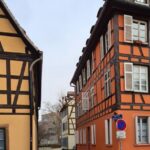
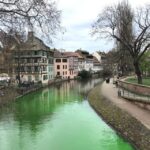
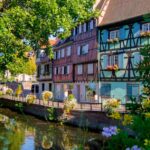
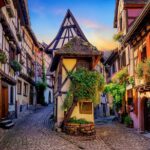
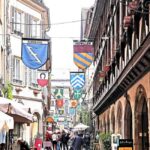
From there, the itinerary heads toward La Petite France, the charming neighborhood known for its canals, classic streets, and postcard-ready atmosphere. This is one of those areas where you can easily spend hours if you wander on your own. With a guided photo walk, you get the best stretches without losing time.
What I like about doing La Petite France within a structured tour is pacing. You’ll get time to photograph cafés and typical restaurants, plus enough guidance to help you find angles that show the neighborhood’s character instead of just documenting where you’ve been.
A small consideration: this area can feel busy in peak hours, and because your guide is working you through a planned sequence of stops, you may need to pause your own curiosity for a moment. The trade-off is that you’ll still cover the important bits efficiently.
Barrage de Vauban and the Rhin: getting real angles, not just sightseeing

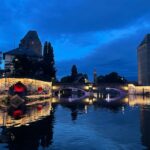
Next up is the Barrage de Vauban, where you stop for “nice first pictures.” This is the kind of location that rewards being stood in the right place. A guide helps here because you’re not only capturing the structure—you’re capturing how it frames the water, the riverbanks, and the city’s relationship to the Rhin.
From the bridge viewpoint, you’ll get wonderful pictures of the Rhin. This part is especially useful if you’ve ever felt like river photos look flat in your images. Having someone point you toward practical viewing positions is a quick fix.
Also, remember this tour is built for walking and moving. So don’t expect a long, stop-and-lecture session. You’ll get the moment, then move on while the light is still good and your energy is still there.

Palais Rohan: architecture that rewards a slower look

You’ll visit the Palais Rohan, and it’s a welcome change from purely scenic stops. This building has a clear architectural personality, and the tour frames it as more than a pretty façade. You’ll get the kind of explanation that helps you look with intention: what makes the architecture feel unique in Strasbourg, and why it matters in the city’s wider identity.
This is also where the guide’s “ask me anything” style really pays off. If you like to know how style, politics, and culture show up in stone, you’ll probably enjoy this segment. Past guides in similar tours have been praised for connecting architecture to the city’s French and German influence, which gives you a bigger picture while you’re standing right in front of the building.
If you’re more photo-first than fact-first, don’t worry. The info is there to help your photos come out better, not to turn the tour into a classroom.
Strasbourg Cathedral: the must-have picture, done without the rush

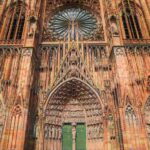
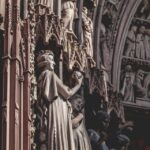
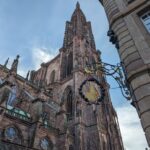
Of all the stops, the cathedral is a must-have stop and must-have picture. If Strasbourg is on your list, you’ll want to include it. This tour does the practical thing: it puts the cathedral on your route, and it treats the photo opportunity as part of the experience, not an afterthought.
Why a guided stop helps: you don’t just arrive, snap, and sprint. You get a better chance to pick angles and understand what you’re photographing. Even if you’re not the type to read every sign, context makes the scene feel more “yours.”
Keep in mind that your guide may adjust timing based on weather. If conditions shift, you’ll still get the cathedral moment—but the exact sequence of other stops might shuffle. That flexibility helps you keep the tour enjoyable instead of frustrated.
Palais du Rhin as the finish: what you can do next

The walk ends at Palais du Rhin (1 Pl. de la République, 67000 Strasbourg, France). The tour calls it similar to Palais Rohan only in name, and that wording is spot-on as a way to set expectations: don’t assume you’re seeing the same storybook building twice.
Ending here gives you options. You can continue exploring on your own afterward, grab food nearby, or line up your next museum or neighborhood stop. Because the tour duration is short, you’re usually not left with that end-of-tour feeling where you’re too tired to do anything else.
What the small-group guide experience feels like in practice
This is an intimate small-group experience, max 8 travelers, and it’s hosted by an independent local. The itinerary also says it adapts to your interests and your walking pace, which is rare in tours that try to rush through a checklist.
That flexibility matters most in two situations:
- When you ask questions and want real answers, not quick blurts.
- When your energy or interest level shifts mid-walk, and you want the guide to respond.
Based on the guide feedback you have, the strongest moments tend to come when you engage. Guides have been praised for detailed explanations about churches and buildings, and for giving food recommendations in neighborhoods like Krutenau. So if you want the tour to do more than point, show up with a couple questions ready—about architecture, about why things look the way they do, or about where to eat afterward.
Walking comfort and who should book this (and who shouldn’t)
This tour is close to public transportation and uses an easy-to-find starting location at Place Kléber. Most people can participate. But it’s not recommended for guests with impaired mobility.
So ask yourself a simple question before booking: can you comfortably walk through an urban historic area with multiple photo stops over about 90 minutes? If yes, you’re probably in the right place. If not, you might prefer something with less walking and fewer viewpoint transitions.
Also consider the weather. Stops may vary based on conditions, and at least one past guide experience notes that the tour can work even in rain. Still, if wet streets are an issue for you, wear shoes you trust.
Tips to get better photos without turning it into a chore
Since this tour is photo-driven, it’s worth optimizing your approach:
- Wear comfortable shoes. You’ll be moving between viewpoints and streets.
- Bring a camera strap you can handle at walking speed.
- Have your phone battery charged. You’ll want both wide shots and detail shots.
- If you care about specific angles, ask early. The guide can steer where you stand and what direction to face.
One more practical thought: because entry tickets aren’t included, treat this as a “outside and view” advantage unless you plan to pay for interiors separately later.
Should You Book This Strasbourg Photo Tour?
Book it if you want:
- a fast, high-quality way to see Strasbourg’s main photo hits (La Petite France, Vauban viewpoints, cathedral),
- a small-group experience with room for questions,
- and a guide who can connect French and German influence to what you’re actually seeing.
Skip it if:
- you need a low-walking option or have mobility limits,
- you’re hoping for included museum or monument entry tickets,
- or you prefer total freedom with no structured sequence.
If you’re doing Strasbourg as a stop on a longer trip, this tour is a smart way to get your bearings quickly and come away with photos you’ll actually like later.
FAQ
How long is the Strasbourg photo tour?
It lasts about 1 hour 30 minutes.
What group size is the tour limited to?
The experience has a maximum of 8 travelers.
Is the tour offered in English?
Yes, it’s offered in English.
Where do we meet, and where does the tour end?
You meet at Place Kléber, Pl. Kléber, 67000 Strasbourg, France, and the tour ends at Palais du Rhin, 1 Pl. de la République, 67000 Strasbourg, France.
Are museum or monument entry tickets included?
No. Entry tickets for public transportation, museums, and monuments are not included.
What’s included in the price?
You get a knowledgeable local, a small-group experience, and personalized recommendations.
What’s the cancellation policy?
Free cancellation is available if you cancel up to 24 hours in advance of the experience start time, for a full refund.
Is the tour suitable for people with impaired mobility?
No, it’s not recommended for guests with impaired mobility.