REVIEW · PARIS
Champagne tour – Private Day trip from Paris
Book on Viator →Operated by HASTA PARIS · Bookable on Viator
The best part of this private Champagne day trip is the mix of grand sights and small-scale wine country. You begin at Reims Cathedral, then trade royal Gothic architecture for village roads, cellar tastings, vineyard views, and the church linked to Dom Pérignon. It gives you a taste of Champagne beyond the famous labels.
I like the hotel pickup and drop-off, which saves you from piecing together trains, taxis, and winery appointments. I also like the personal touch from guides Clem, Clémence, and Chloé, who explain tasting technique, grape varieties, and the work of independent winemakers in a relaxed way. The main drawback is the early start and long day, plus lunch and personal purchases are not included in the $53 listed price.
In This Review
- Key points at a glance
- Why this private Paris to Champagne trip works
- Reims Cathedral: a powerful first stop
- Champagne-Ardenne: meeting small producers
- What the cellar visits are really like
- Lunch on the Avenue de Champagne
- Hautvillers and the story of Dom Pérignon
- The guides make a real difference
- Time, comfort, and group size
- Who should book this Champagne day?
- Should you book it?
- FAQ
- How long is the Champagne tour from Paris?
- What time does the tour begin?
- Is hotel pickup included?
- Is this a private tour?
- How many Champagne houses do you visit?
- Are Champagne tastings included?
- Is lunch included?
- Do you visit Reims Cathedral?
- Do you visit Dom Pérignon’s village?
Key points at a glance
- 7:30 a.m. Paris pickup: Start early and avoid the fuss of arranging transport to Reims or the Champagne villages.
- Reims Cathedral in 30 minutes: See the place where French kings were crowned and admire its stained glass.
- Independent Champagne houses: Visit two artisanal producers, with several tastings and a technical look at cellar work.
- Lunch with Champagne: Stop for a French meal and learn how food and sparkling wine work together, though lunch itself is not included.
- Hautvillers and Dom Pérignon: Walk among the vines, visit his church, and enjoy views across the Champagne countryside.
Why this private Paris to Champagne trip works
Champagne is close enough to Paris for a day trip, but far enough away to make driving worthwhile. The region opens into rolling vineyard country, quiet villages, and cellar doors where production feels more personal than at a major city tasting room.
I see the private format as the main advantage. Your group travels together, and the day can feel more conversational than a large coach excursion. The tour is designed for your group alone, with pickup from your Paris hotel, a central Paris address, or another specified address. That is useful if you are carrying purchases, traveling with family, or simply want to avoid finding an unfamiliar meeting point before sunrise.
The tour lasts about 11 hours. The start time is 7:30 a.m., so this is not a lazy countryside outing. You should expect a full day with several stops and a return to Paris in the evening. Still, the early departure makes sense. It gives you time for both Reims and the vineyard villages without rushing every tasting.
The listed price is $53, which makes the transport and private format look like strong value if that price applies to your booking as shown. Read the inclusions carefully before paying. Lunch is not included, and bottles or other personal purchases are extra. Because private tour pricing can depend on group size and booking details, confirm the final amount and what it covers.
You can also read our reviews of more private tours in Paris


Reims Cathedral: a powerful first stop
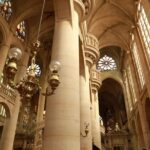
Your first major stop is Notre-Dame de Reims, one of France’s great medieval churches. The guided visit lasts about 30 minutes, with admission included.
The cathedral matters for more than its size. French kings were crowned here, giving the building a direct link to the country’s monarchy and national story. Inside, you can look for the tall stained-glass windows, carved details, and the sense of scale that makes Gothic architecture so effective. Outside, the elaborate stonework rewards a slow look upward.
Thirty minutes is enough for a focused introduction, not a full architectural study. I would use the time well: listen to the explanation of the coronations, notice the stained glass, and take a few minutes to appreciate the exterior. If you prefer long museum visits, this stop may feel brief. The tour’s purpose is to set the cultural stage before shifting toward wine country.
This is also a smart opening stop. Champagne is not only a drink. It is a region with religious, royal, farming, and commercial traditions. Reims Cathedral gives the day a sense of place before the tastings begin.
Champagne-Ardenne: meeting small producers
The heart of the day is the visit to artisanal Champagne houses in the Champagne-Ardenne area. The scheduled wine portion lasts about three hours and includes two wineries, countryside driving, cellar visits, explanations of production, and tastings.
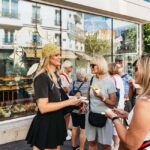
The appeal here is scale. Instead of treating Champagne as a polished brand alone, you get a look at independent winemakers and the choices behind each bottle. You can expect a technical explanation of the Champagne-making process, followed by tasting in the cellars. Guides Clem, Clémence, and Chloé are especially useful here because their approach combines clear instruction with an easy sense of humor.
Pay attention to the details that change the taste:
- The grape varieties used in the blend
- How the wine is made and aged
- Differences between cuvées
- How sweetness and structure affect the final drink
- Why one style may suit food better than another
The tasting is not simply a succession of glasses. The guide helps you understand what you are drinking. Chloé, in particular, is described as offering a technical approach to tasting, including help with identifying preferences such as Pinot Noir. That kind of lesson can make future buying easier. You may leave with a clearer idea of the styles you enjoy instead of choosing a bottle only because the label is familiar.
One detail needs clarification before booking. The tour description specifies two Champagne houses, while one account of a day with Clemence describes three houses and seven types of Champagne. The number may vary by the day, season, or exact arrangement. Ask the provider what your particular booking includes if the number of producers matters to you.
The setting also adds value. You are not confined to a city cellar. The drive through Champagne brings you into the villages and vineyards where the wine begins. The experience may include quieter roads and less familiar corners of the region, rather than only the biggest commercial names.
What the cellar visits are really like
A cellar visit can be the most useful part of the day if you enjoy process. Champagne requires patience, careful handling, and a precise method. The guide’s job is to connect those steps with what you taste in the glass.
You should expect to walk through production or storage areas and hear how the houses make their wines. Exact cellar layouts and tasting selections are not fixed in the information provided, so I would not promise underground tunnels, a certain number of bottles, or a particular producer. What is clear is that the visits focus on artisanal houses, technical explanations, and multiple tastings.
The private format gives you room to ask practical questions. Ask why one Champagne tastes more toasty, why another seems fruitier, or how Pinot Noir changes the character of a blend. If you are buying bottles, ask the guide to explain which styles work well with the food you plan to serve at home.
Drink at your own pace. Several tastings over a long day can add up, especially when you are tired from the early start. Eat properly, use the provided water if available, and remember that you can appreciate a wine without finishing every pour.
Lunch on the Avenue de Champagne
The midday stop lasts about 90 minutes and centers on a typical French lunch paired with Champagne. The goal is to show you the basics of sommellerie, or the art of matching wine and food.
This is more useful than a quick sandwich break. Food changes the way sparkling wine tastes, and a guide can point out how acidity, bubbles, sweetness, and texture work with a meal. If you are interested in French dining, this is a chance to learn by tasting rather than sitting through a formal lecture.
Lunch is not included in the stated inclusions. The guide provides restaurant recommendations, so plan to pay for your own meal. That arrangement gives you some choice, but it also means the final cost will be higher than the headline price. If you have dietary needs or a strict budget, mention them when arranging the day.
The description connects this stop with the Avenue de Champagne. The exact restaurant and meal are not specified, so I would treat the lunch as a guided regional dining stop, not a guaranteed fixed menu or a formal Champagne pairing course.
You can also read our reviews of more wine tours in Paris



Hautvillers and the story of Dom Pérignon
The final sightseeing portion takes you to Hautvillers, a village tied to Dom Pérignon. You visit his church, learn about Champagne history, walk in the vines, and stop at a viewpoint.
This part of the tour slows the pace. After cathedral stonework and cellar explanations, you get open views and a chance to see how vineyards shape the region. A walk among the vines makes the production process more concrete. You are looking at the land that supplies the grapes, not just hearing about it indoors.
Dom Pérignon’s name is central to Champagne’s popular story, and the village visit gives that story a physical setting. The stop does not promise a large museum or a full abbey tour. Instead, it focuses on the church, the village, vineyard views, and conversation about Champagne’s past.
I like this ending because it leaves room for the countryside to make its impression. The view may be especially welcome after several hours of driving, tasting, and indoor visits. Bring comfortable shoes, since the program includes walking in the vines. Conditions can change, and one account describes enjoying the day even in rain, so a weatherproof layer is sensible.
The guides make a real difference
The provider names Clem, Clémence, and Chloé as guides associated with the experience. Their style, based on the details available, is friendly, professional, and strongly focused on Champagne.
Clem is described as arranging pickup details through WhatsApp before a tour and bringing a personal touch to special occasions. Chloé is praised for clear explanations, humor, and practical tasting guidance. Clémence is associated with anniversary and birthday outings, as well as explanations of the wines served during the day.
That matters because a Champagne tour can easily become a routine bus ride with brand names and scripted facts. Here, the guide is expected to connect the wine to the people who make it and help you understand your own preferences. The experience also suits celebrations. Anniversaries, birthdays, Valentine’s Day, and a special couple’s outing all fit naturally with the setting.
The guide may also know viewpoints and less obvious places for a private tasting. Those stops are not described in enough detail to guarantee a specific secret location, but the inclusion of viewpoints and lesser-known spots suggests a day that goes beyond the most obvious stops.
Time, comfort, and group size
Hotel pickup and drop-off remove the biggest practical headache. You do not need to navigate a morning train to Reims, arrange a taxi to a rural producer, or worry about getting back to Paris after tasting Champagne.
The tradeoff is the length of the day. Eleven hours is a serious commitment, especially with a 7:30 a.m. start. If you want an easy day with plenty of free time, this may feel too structured. If you want to see several parts of Champagne in one outing, the long schedule is exactly what makes the trip useful.
Because the tour is private, only your group participates. That makes it a good match for couples, families, and friends who want to set the conversational pace. It is also useful if members of your group have different interests. One person can ask about winemaking while another focuses on history, food, or photography.
The information says most people can participate and that the activity is near public transportation, though the tour itself offers pickup. Specific accessibility details are not provided, so ask before booking if you need information about vehicle access, cellar steps, or walking surfaces.
Who should book this Champagne day?
I would choose this trip if you want Champagne without spending a night outside Paris. It offers more than a single tasting room: Reims Cathedral, rural villages, two artisanal houses, lunch, Hautvillers, and vineyard views all fit into one day.
It is especially well suited to:
- Couples planning an anniversary or birthday outing
- First-time visitors who want transport handled
- Champagne drinkers who want to understand grape varieties and production
- Small groups that prefer a private guide
- Visitors who want independent producers instead of only famous brands
- Anyone who enjoys combining food, history, wine, and countryside
I would hesitate if you dislike early mornings, long drives, or a full schedule. I would also check the final price carefully, since lunch and shopping are extra and the listed number of houses may vary.
Should you book it?
Book this private Paris to Champagne trip if you want a packed but personal day with real regional context. The strongest reasons are the private transport, the independent winemaker visits, the tasting guidance from Clem, Clémence, or Chloé, and the combination of Reims with Hautvillers.
Before paying, confirm the final group price, the exact number of Champagne houses, the lunch arrangement, and the pickup address. If those details suit you, this is a practical way to experience the vineyards without renting a car or spending your Paris holiday on transport planning.
FAQ
How long is the Champagne tour from Paris?
The experience lasts approximately 11 hours.
What time does the tour begin?
Pickup and departure are scheduled for 7:30 a.m.
Is hotel pickup included?
Yes. Pickup from your Paris hotel is included, along with drop-off at your hotel, central Paris, or a specified address.
Is this a private tour?
Yes. Only your group participates in the activity.
How many Champagne houses do you visit?
The tour description includes visits to two artisanal Champagne houses. One account of a tour with the provider describes three houses, so confirm the exact number for your booking.
Are Champagne tastings included?
Yes. The experience includes tastings at the Champagne houses and many tastings of selected Champagnes.
Is lunch included?
No. Lunch is not included in the stated inclusions. The guide provides restaurant recommendations, and you pay for your own meal.
Do you visit Reims Cathedral?
Yes. The tour includes a guided visit to Reims Cathedral, with about 30 minutes scheduled there.
Do you visit Dom Pérignon’s village?
Yes. The tour visits Hautvillers, including Dom Pérignon’s church, vineyard paths, and a viewpoint.