REVIEW · BORDEAUX
Bordeaux Private Baking Class : A Journey Into French Pastry
Book on Viator →Operated by PARIS A DREAM · Bookable on Viator
Bordeaux’s best souvenir may be one you bake yourself. In a private two-hour class, you work in a professional lab in the city center and learn the techniques behind local treats such as cannelés and Dunes blanches. Depending on the class, you may also make choux pastry, a fine test of patience and steady hands.
I like the small private format, since your group gets direct help instead of fighting for a place at a shared workbench. I also like the language choice: English, French, or Spanish makes the lesson more useful, especially when pastry terms and timing matter. The main drawback is the firm cancellation rule. At $275.74 per person, this is a serious splurge, not a casual drop-in.
In This Review
- Key points
- A pastry lesson in the heart of Bordeaux
- Cannelés and Dunes blanches: the local stars
- What making choux pastry is really like
- Sandra and the value of close instruction
- Meeting at the Musée d’Aquitaine area
- Is $275.74 per person good value?
- Who will enjoy this Bordeaux class most?
- Booking details that deserve attention
- What this experience adds to a Bordeaux trip
- Should you book the Bordeaux pastry class?
- FAQ
- Where does the baking class meet?
- Where does the activity end?
- How long does the class last?
- What languages are available?
- Do I need to provide a language preference?
- Is this a private activity?
- What pastries can I learn to make?
- How much does the experience cost?
- Can I cancel or change my booking?
Key points
- Bake Bordeaux specialties: Learn about cannelés and Dunes blanches, with choux pastry also featured in the hands-on teaching.
- Private instruction: Only your group takes part, so you can ask questions and set the pace.
- Three language choices: Request English, French, or Spanish when booking.
- Central Bordeaux setting: Meet at 61 Cours Pasteur, near public transportation and the Musée d’Aquitaine.
- Strong teaching focus: Sandra is praised for making choux pastry feel manageable, even for beginners.
- Plan carefully: The activity lasts about two hours, costs $275.74 per person, and is non-refundable.
A pastry lesson in the heart of Bordeaux

This experience gives you a useful change of pace from museums, monuments, and long lunches. You spend about two hours working with French pastry in a professional lab at 61 Cours Pasteur, in central Bordeaux. The setting matters: you are not simply tasting a finished cake in a shop. You are learning how the process works.
The class is designed for a private group, which makes it a better fit for couples, families, or friends who want a shared activity. You are not placed with strangers, and the teaching can focus on your group’s questions and skill level.
The workshop is offered in English, French, or Spanish. You need to give your preferred language when you request the booking. That small step is important. Pastry depends on exact instructions, and it is much easier to judge texture, temperature, and timing when the explanation is clear.
The activity returns to the same meeting point. Since it is near public transportation and the Musée d’Aquitaine, it should be simple to fit into a day in central Bordeaux. Still, allow a little extra time to find 61 Cours Pasteur. A baking class is not the place to arrive flustered and hunting for the door.
You can also read our reviews of more private tours in Bordeaux


Cannelés and Dunes blanches: the local stars

The class introduces you to two specialties associated with the region: cannelés and Dunes blanches. That gives the workshop a clear Bordeaux identity instead of making it a general French cooking lesson that could happen anywhere.
Cannelés are known for their dark, caramelized outside and soft center. They look modest, but their contrast of textures requires care. A lesson can show you why pastry work is built around small details: mixing, shaping, baking, and knowing when the outside has gone far enough without losing the tender middle.
Dunes blanches are another reason to choose this class if you want a taste of southwest France. The name refers to a light pastry associated with the coastal area near Bordeaux. The supplied details do not specify the exact recipe or filling used in your session, so you should ask the teacher what will be prepared on your date.
This is one of the strongest parts of the experience for me. You are not just making a familiar croissant or chocolate tart. You are being introduced to pastries tied to the region, then taking the lesson home as a technique and a memory.
The exact menu may vary. The main description highlights cannelés and Dunes blanches, while the hands-on account from a previous class involved choux pastries. That flexibility can be a benefit, especially if you enjoy learning more than one style of pastry, but you should confirm the planned recipes before booking if one particular dessert is your main reason for going.
What making choux pastry is really like
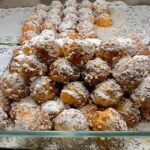
Choux pastry appears simple because it starts with a short list of basic ingredients. The method is less forgiving. You must handle the mixture correctly, watch its consistency, and treat the pastry with care as it develops in the oven.
Sandra received especially warm praise for this part of the teaching. Her approach made a delicate dessert feel manageable, guiding the couple through each stage and encouraging them to take on the challenge. That is useful information if you have little baking experience. A good teacher can make the difference between an enjoyable lesson and two hours of wondering why your pastry has collapsed.
The teaching also suits people who already cook. One participant described the chef as patient and skilled at teaching new essentials of French pastry cooking. That suggests the class is not limited to complete beginners. You can come with some kitchen experience and still pick up methods you do not use at home.
The class is interactive, with many hands-on baking activities. You should expect to take part rather than sit and watch a demonstration. That makes the price easier to understand, since you are paying for instruction, use of a professional lab, and practical work rather than only for a tasting.
Still, a two-hour session has limits. You will get an introduction and guided practice, not a full pastry diploma. If you want a long lesson covering several complex recipes, this class may feel brief. Its strength is focus: you spend a short period working closely with the teacher and learning a few French pastry skills.
Sandra and the value of close instruction

Sandra is the only teacher named in the available details, and her role comes through clearly. She is described as encouraging, easy to talk with, and good at making difficult steps feel less intimidating. Those qualities matter in a baking class because you need to ask questions as soon as something looks wrong.
A private class also gives you more room to speak up. You can ask why a mixture has a certain texture, how to recognize the right stage, or what to change when you repeat the recipe at home. In a large public workshop, the teacher may need to move on before you are ready. Here, your group is the only group taking part.
The experience is offered by PARIS A DREAM, but the class takes place in Bordeaux. The available information does not promise that Sandra will teach every session, so do not book on the assumption that she will be your instructor. You can ask who is scheduled to teach when you make your request.
The language choice adds another layer of comfort. English is available, along with French and Spanish. If you are learning French, you could request French for extra practice, but choose the language in which you can best follow precise cooking instructions. Pastry is not improved by politely misunderstanding the directions.
Meeting at the Musée d’Aquitaine area

The listed stop is the Musée d’Aquitaine, while the start and end point is 61 Cours Pasteur, 33000 Bordeaux. The activity ends back at the meeting point, so you do not need to arrange a separate ride from another part of the city.
The museum is a useful nearby landmark for planning your day. You might visit it before the class or afterward, depending on your schedule, but the provided information does not say that museum admission or a museum visit is part of the baking experience. Treat it as a location reference, not as an included stop.
Being near public transportation is practical. You can build the class into a sightseeing day without committing to a long transfer across Bordeaux. I would still check your route before leaving your hotel, since the meeting time is not included in the supplied details and confirmation depends on availability.
The central location also gives you a chance to continue exploring on foot after class. You may leave with pastries or finished work from the session, though the available details do not specify what you take home. Ask about this before booking if carrying your creations is important to you.
You can also read our reviews of more cooking classes in Bordeaux

Is $275.74 per person good value?

At $275.74 per person, the cost is high for a two-hour activity. I would not recommend it simply because you want a cheap dessert or a quick taste of Bordeaux. Local bakeries and pastry shops will give you that for far less.
The price makes more sense if you value private teaching and active participation. You are paying for time with a professional chef, a private group setting, access to a working pastry lab, and instruction that you can use after the trip. For a couple or family that enjoys cooking together, the class can replace a standard sightseeing activity with something more personal.
It is also a better value for people who care about regional food. Cannelés and Dunes blanches connect the lesson to Bordeaux and its surrounding area. You are not just following a generic recipe. You are learning about sweets that help explain the local food culture.
Group discounts are available, which may soften the cost for a larger private party. The exact discount is not provided, so you should ask about the final rate before confirming. Since the price is listed per person, compare the total cost for your group rather than focusing only on the individual figure.
The class earns its price only if you take part fully. If you prefer watching a chef work while you sample the results, this is not the right use of your budget. If you like rolling up your sleeves, asking questions, and trying the techniques yourself, the expense becomes easier to justify.
Who will enjoy this Bordeaux class most?

I would recommend this experience to couples looking for a shared activity, families with an interest in food, and home bakers who want a French pastry lesson in a private setting. It also suits a birthday or special occasion, provided everyone in the group is happy to spend two hours working in a kitchen.
Beginners should feel comfortable booking. Sandra’s teaching style is described as encouraging, and the class is built around guided practice. You do not need to arrive as an expert to enjoy choux pastry or the regional specialties.
Experienced home cooks can benefit too, especially if they want to improve their pastry technique. The chef is praised for teaching new essentials, and a private session gives you the chance to ask detailed questions.
This may not suit you if your Bordeaux schedule is packed. The class lasts about two hours, but you also need time to reach the meeting point and handle the booking confirmation. It is a planned appointment, not something to squeeze in between two attractions at the last minute.
I would also think twice if your group has no interest in baking. The experience is hands-on and centered on pastry. A reluctant participant could make the private format feel expensive rather than special.
Booking details that deserve attention

Confirmation is sent within 48 hours of booking, subject to availability. Since the activity is often booked well ahead, with an average lead time of 139 days, early planning is sensible if your Bordeaux dates are fixed.
You must provide the language your group wants to use: French, English, or Spanish. Do this at the time of the booking request rather than leaving the provider to guess.
The activity is non-refundable and cannot be changed for any reason. If you cancel or request an amendment, you do not receive your payment back. This is the biggest practical risk, especially at this price, so book only after your schedule is firm.
There is one exception on the provider’s side. The experience requires a minimum number of participants. If it is canceled because that minimum is not reached, you are offered another date or experience, or a full refund.
The class accepts mobile tickets. It is near public transportation, and it ends where it begins. Those details keep the logistics simple, but they do not remove the need to arrive at the right address and confirm your language preference.
What this experience adds to a Bordeaux trip

Bordeaux is easy to approach through grand architecture, wine, and museums. A pastry workshop gives you a more active way to connect with the city. You learn through smell, texture, heat, and timing, then leave with an understanding of how much care goes into a small French sweet.
The regional focus is the key. Cannelés and Dunes blanches give you a direct link to Bordeaux rather than a lesson that could belong to any French city. The choux option adds a technical challenge and gives the teacher room to adapt the session to the group.
I like that the class leaves space for conversation. Sandra was praised as a good conversationalist as well as a teacher, and that is part of what can make a private class memorable. You are not only following steps. You have a chance to ask about French pastry and the habits behind it.
The short format keeps the commitment manageable. Two hours is long enough to learn and work, but not so long that it takes over your day. The tradeoff is that you should not expect a wide survey of French baking. This is a focused lesson, not an all-day cooking school.
Should you book the Bordeaux pastry class?
Book it if you want a hands-on regional food experience and your group values personal instruction. The strongest reasons are the private format, the choice of English, French, or Spanish, the central Bordeaux location, and the teaching style praised in the choux pastry session.
Think carefully before booking if $275.74 feels high for two hours, if your schedule may change, or if you only want to eat pastries rather than make them. The non-refundable policy makes flexibility especially important.
For couples and small groups who enjoy cooking, I think this is a worthwhile splurge. For everyone else, Bordeaux’s bakeries offer a cheaper route to French pastry. Ask which recipe will be taught, who your instructor will be, and what you can take home, then make the booking only when the details and your dates are settled.
FAQ
Where does the baking class meet?
The class begins at 61 Cours Pasteur, 33000 Bordeaux, France.
Where does the activity end?
The activity ends back at the meeting point.
How long does the class last?
The class lasts approximately two hours.
What languages are available?
The workshop is offered in French, English, or Spanish.
Do I need to provide a language preference?
Yes. You should provide your speaking language when making the booking request.
Is this a private activity?
Yes. Only your group participates in the activity.
What pastries can I learn to make?
The workshop focuses on Bordeaux and regional specialties such as cannelés and Dunes blanches. Choux pastry has also been taught in a session.
How much does the experience cost?
The listed price is $275.74 per person. Group discounts are available.
Can I cancel or change my booking?
The experience is non-refundable and cannot be changed for any reason. If the provider cancels because the minimum number of participants is not met, you are offered another date or experience, or a full refund.