REVIEW · BIARRITZ
Boat trip to the Spanish coves
Book on Viator →Operated by Oceanboat64 · Bookable on Viator
Basque coves look different from a boat. This 3.5-hour ride along the Basque coast hits the best kind of sightseeing: dramatic cliffs from the sea and plenty of chances for water time when conditions cooperate. I also like how the route crosses into Spain at Hondarribia while still staying anchored to the Basque story, from fishing ports to fortifications. The main drawback to plan around is that the trip depends on good weather, and swim stops can be changed or reduced if the sea isn’t right.
You’ll start in Saint-Jean-de-Luz, with a small group size (up to 12 people), an English-speaking guide, and a mobile ticket. On boat days with Paul guiding, the commentary tends to land in a clear, “you’ll understand what you’re seeing right now” way. Just know there’s no drink included in the experience, so if you want water or soda, you’ll need to bring it.
In This Review
- Key highlights you’ll actually feel on the water
- Setting off from Saint-Jean-de-Luz: the Basque port that makes the day work
- La Corniche Basque: seeing fragile flysch cliffs when the hiking trail is closed
- Hondarribia and Los Frailes: crossing into Spain at the waterline
- Jaizkibel: wild viewpoints, natural heaths, and a real chance to swim
- Loia bay and the Castle of Abbadia: a French coastal scene reached by sea
- The two Jumeaux rocks and the Socoa port fort: finishing with Basque structure and scale
- Price and value around $119 per person: what you’re really paying for
- Group size, language, and mobile ticket: the logistics that keep things smooth
- What to bring for a comfortable Basque boat ride
- Weather planning: the one condition that can change your day
- Who should book this Spanish coves boat trip?
- Should you book Oceanboat64’s boat trip to the Spanish coves?
- FAQ
- What time duration should I expect for the Spanish coves boat trip?
- Where does the boat trip start and end?
- Is the tour offered in English?
- How many people are on the boat at most?
- What is the cancellation policy if the weather is bad?
- Do I get confirmation right away, and is there a mobile ticket?
Key highlights you’ll actually feel on the water

- Basque corniche views from the sea: you get flysch cliffs without dealing with the closed-on-foot hiking section
- Coves and calm water around Hondarribia: the Bay of Los Frailes area and Amuitz islet are known for clear, quiet stretches
- Jaizkibel cliffs plus a planned swimming window: raw coastline views with a good chance for a swim when conditions allow
- Loia bay via water only: a small French “pearl” you reach by boat, dominated by the Castle of Abbadia
- Two Jumeaux rock formations: those rock sentinels watching the open sea make the return detour memorable
Setting off from Saint-Jean-de-Luz: the Basque port that makes the day work

The day starts at Oceanboat64 on the Promenade en Mer, Quai de l’Infante in Saint-Jean-de-Luz. This matters more than you might think: you’re not traveling far by land first. You slide straight into the coastal rhythm of the Basque Country—ports, fishing activity, and viewpoints that feel built for boats.
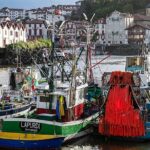
Stop 1 is Port de Saint-Jean-de-Luz (also tied to Port of Saint-Jean-de-Luz in the schedule). It’s framed as a mythical Basque port, and the key idea is that fishing still drives daily life there. On a boat trip like this, that context turns “pretty coastline” into something more grounded: you’re cruising a working coast, not just sightseeing from a fantasy postcard.
Tip for your timing: aim to arrive a little early at the dock area so you can get settled before departure. With a tour around 3 hours 30 minutes, there’s less “dead time” than on longer cruises.
You can also read our reviews of more boat tours in Biarritz
La Corniche Basque: seeing fragile flysch cliffs when the hiking trail is closed

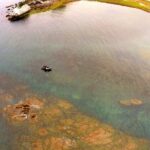
After leaving the first port stop, the route follows the Basque corniche between Hendaye and Ciboure. There’s a specific detail that makes this leg worth your time: the hiking trail that winds around the cliff is closed to the public due to fragility. That’s a rare bonus. You’re getting a view that most people only hear about.
From the water, the protected area and the flysch cliffs come into focus differently. Flysch formations tend to look best with angle and distance—so the sea becomes your natural “lens.” You’ll get that cliff system close enough to appreciate its texture and shape, but without the erosion-pressure that affects footpaths.
The downside? Even though this part is built for good viewing, your actual comfort depends on conditions at sea. If the coast feels windy, bring a layer you’re comfortable wearing for a moving ride.
Hondarribia and Los Frailes: crossing into Spain at the waterline

Next you head toward Hondarribia, which the route frames as the start of the Spanish coast. I love that the border moment is low-stress here. You don’t switch transport, you don’t hunt tickets, you just keep moving—one coastline flowing into the next.
Hondarribia is described as home to one of the most important fishing ports on the Basque coast. That’s another practical storytelling clue: when a place is still fishing-first, you often see boats, daily routines, and port structure that don’t feel staged for tourists.
You’ll also reach the bay of Los Frailes and the Amuitz islet. This area is highlighted for water that’s often transparent and very calm. Translation for you: if the sea state is cooperative, this is where the trip can turn “nice cruise” into “I get why people come back.”
Good to know about expectations: calm water doesn’t mean guaranteed perfect visibility every day. Weather can shift quickly on the Atlantic side, and the operator is upfront that the trip requires good weather.
Jaizkibel: wild viewpoints, natural heaths, and a real chance to swim
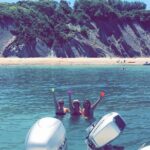
Jaizkibel is where the coastline gets more dramatic. The schedule calls out spectacular ocean and Basque coast views, wild cliffs, natural heaths, and raw, unspoiled nature—plus it’s the time for swimming.
This is a highlight worth planning around, because swimming is one of the main reasons many people choose a boat outing like this. When it works, it’s one of those “you can’t do this from shore” moments: you’re not just looking at coves, you’re actually in them.
At the same time, I’d treat the swimming time as a conditional bonus, not a sure thing. The experience requires good weather, and the route can change if conditions aren’t right. That’s not a small detail—it’s the difference between bringing your swimsuit with confidence versus bringing it as a backup.
If you’re the type who hates surprises, pack smart:
- Bring a swimsuit and a towel in a dry bag if you have one.
- Wear quick-dry layers on top of it so you’re comfortable when you’re back on deck.
- If you’re sensitive to choppy water, have a plan for that too (even just timing your snacks and hydration).
Loia bay and the Castle of Abbadia: a French coastal scene reached by sea
On the way back, you don’t just retrace the path. You detour into the bay of Loia, described as a small French pearl accessible only by sea. That’s the core value here: the coast is shaped by geography, and boat access is what makes this kind of place feel special.
Dominating the bay is the castle of Abbadia. The schedule gives a clear timeframe: it was built between 1864 and 1870 by Antoine d’Abbadie, a French traveler and astronomer. That combination is unusually specific and helps the castle feel more than decorative on the horizon. You’re seeing a landmark that’s tied to a person’s scientific life, not just a pretty building.
When you’re on the water, the castle and bay read as a composition—castle, shoreline, and sea space. This is the part of the ride where I’d slow down mentally and just take in the view. You get that “coastal architecture framed by water” feeling that’s hard to recreate any other way.

The two Jumeaux rocks and the Socoa port fort: finishing with Basque structure and scale

Below the castle, you can admire the two Jumeaux—two emblematic rock formations described as sentinels that watch over the open sea and have resisted the ocean. Even if you don’t know the geology, the description gives you the right mental model: these aren’t random rocks. They’re persistent shapes that help define the coastline’s behavior against waves.
Then the return route includes a short detour to the port of Socoa, dominated by its fort. The fort is framed as a historical treasure of the Basque country and the port area is a satisfying way to end. You’ve spent much of the day on natural features and water access, and then you land on human-built structure—fortification that makes sense in a place where the sea is always present.
From a practical point of view, this final stretch keeps the ride from feeling repetitive. You’re not just going back; you’re collecting a few different coastal “reads,” from working port to cliff geology to architecture.
Price and value around $119 per person: what you’re really paying for

At $119.21 per person, this isn’t a bargain snack. But it can be good value if you measure it by what the boat actually gives you: access and time.
Here’s what you’re buying for your money:
- A 3 hours 30 minutes outing with travel time included, so you’re not stuck on long land transfers
- A small group (maximum 12), which usually means less jostling for sight lines and more room to hear the guide
- Sea access to spots you can’t easily reach on foot, especially when cliffside trails are closed
- Multiple different coastline “zones” in one day: Basque corniche, the Spanish coastline start at Hondarribia, Jaizkibel, then Loia bay and Socoa
Also, check how the day’s conditions affect what you get. If good weather lines up, swimming can happen at Jaizkibel and the water around Los Frailes can be clear. If conditions don’t cooperate, the operator may adjust the route and swimming time. That flexibility is part of the value—because on the Atlantic coast, sea conditions matter.
If your main goal is water time, I’d book with the understanding that this is weather-dependent. If your goal is coastline views plus history and geography from a boat, it still tends to deliver even when swimming is limited.
Group size, language, and mobile ticket: the logistics that keep things smooth

This experience is offered in English and uses a mobile ticket. For most people, that removes the typical “print and pray” stress. You’ll also find it’s near public transportation, which makes it easier to get to the dock area without needing a car.
The group limit of 12 can change the feel of a tour. On bigger boats, it can get noisy and impersonal. Here, it’s more realistic to pay attention to what the guide points out—like where the Basque corniche sits, how Hondarribia’s port identity shapes what you see, or how the castle of Abbadia anchors the bay of Loia.
What to bring for a comfortable Basque boat ride
The schedule focuses on scenery and short stops, with one longer swimming window. So pack for a mix of sun, sea breeze, and being on a moving deck.
I recommend:
- Swimsuit + towel, just in case the planned swimming window happens
- A light layer for wind on the water
- Sunscreen and sunglasses, since coastal viewpoints often come with strong light
- Something to drink or snack, since the experience doesn’t include beverages
If you’re traveling with camera gear, keep in mind that deck time and quick stops mean you might want easy access rather than deep bag rummaging.
Weather planning: the one condition that can change your day
This trip requires good weather. The operator notes that if the tour is canceled due to poor weather, you’ll be offered a different date or a full refund. That’s the practical reality of a coastal boat route: if conditions aren’t safe or comfortable, they’ll adjust.
In earlier-season conditions, the plan can shift too. One common pattern on water trips is that swimming stops depend on sea state, and the route may be modified to match what’s possible on the day.
So I’d treat the trip as: great for viewing, and potentially great for swimming—when the sea allows.
Who should book this Spanish coves boat trip?
This is a strong match if you want:
- Coastline views with movement, not just a shore walk
- To see Basque features from the water, especially the corniche cliffs
- A route that crosses into the Spanish coastline starting at Hondarribia
- A smaller-group feel (up to 12) with guided context in English
It may not be the best fit if:
- You’re very set on a swim every time, no matter the weather
- You dislike time on open water and wind
- You want included drinks without planning ahead
For many people, it lands in the sweet spot: a relaxed half-day outing that feels like you’re using the geography instead of fighting it.
Should you book Oceanboat64’s boat trip to the Spanish coves?
If your ideal day on the Basque coast includes boats, coves, cliff views, and a bit of history (from fishing ports to fortifications and the Castle of Abbadia), I’d book it. The route is built around what the coast does best, and the small group size helps you actually enjoy it rather than just endure it.
My one caution is simple: keep your expectations flexible about swimming. If the weather is solid, this can be a standout water-and-views outing. If the weather isn’t there, you’ll still get the coastal route and the sea-level perspective, just with possible adjustments.
If that balance works for you, this is the kind of trip you’ll remember long after you leave the dock.
FAQ
What time duration should I expect for the Spanish coves boat trip?
The trip lasts about 3 hours 30 minutes, and travel time is included in the total duration.
Where does the boat trip start and end?
It starts at Oceanboat64, Promenade en Mer, Quai de l’Infante, 64500 Saint-Jean-de-Luz, France, and it ends back at the meeting point.
Is the tour offered in English?
Yes, the tour is offered in English.
How many people are on the boat at most?
The group size is limited to a maximum of 12 travelers.
What is the cancellation policy if the weather is bad?
You can cancel for a full refund up to 24 hours before the start time. The experience requires good weather, and if it’s canceled due to poor weather, you’ll be offered a different date or a full refund.
Do I get confirmation right away, and is there a mobile ticket?
Confirmation is received at the time of booking, and the experience uses a mobile ticket.