REVIEW · BIARRITZ
Biarritz: Surf lessons on the Côte des Basques beach
Book on GetYourGuide →Operated by Lagoondy école de surf · Bookable on GetYourGuide
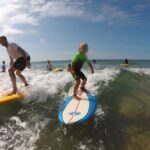
Surfing in Biarritz feels like it was made for your first wave. You get instructor-led lessons on the legendary Côte des Basques beach, with a setup designed for safety and real progress from the sandbar. I like that the lesson structure is clear and hands-on, with people in the water helping you shape takeoff and balance.
Two things I love: the equipment is chosen to fit you (board and wetsuit thickness for season), and the coaching is direct and practical, including the kind of feedback Baptiste gave me that made my next attempt easier. One possible drawback is the timing: the surf happens only at low tide, so start times can shift if conditions are not ideal.
In This Review
- Key things to know before you go
- Côte des Basques: Why this beach makes sense for a surf lesson
- Pricing and what you actually get for $53
- The 1-day session: what happens from meet-up to the last wave
- Where you meet (and how it keeps things simple)
- The timing: low tide is the whole game
- Gear up: wetsuit, leash, and board setup
- The discovery session (1h30): how the coaching is structured
- Level 1 basics: the fast path from foam to standing
- If you already have skills: what Level 2 focuses on
- What the small-group setup changes for you
- Language options and how that affects learning
- Reviews in spirit: what people praise, and why it matters
- Practical tips so your lesson goes smoothly
- Should you also consider the 3-lesson mini stage?
- Who this surf lesson is best for
- Book it or skip it: my decision guide
- FAQ
- What is the duration of the surf lessons?
- Do the lessons run at any time, or only certain tides?
- What equipment is included?
- How many people are in the group?
- What languages are available?
- What should I bring?
Key things to know before you go
- Côte des Basques: a famous Biarritz surf beach where surfing took off in 1957 in Europe
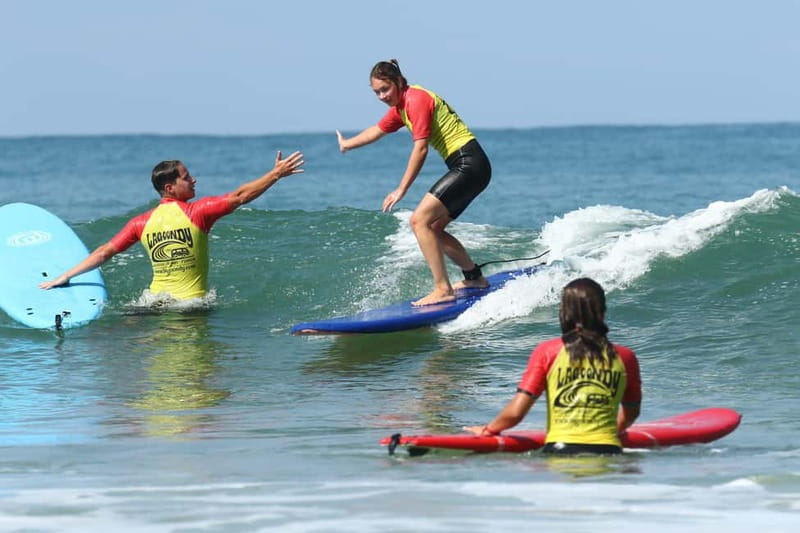
- Small groups: up to 8 participants total, with a close instructor-to-student setup in the water
- Low-tide only: lessons are scheduled around sandbars so you have a safer foothold
- Gear tuned to you: boards and wetsuits adapted to your size and the water temperature
- Safety coaching included: safety rules, landmarks, and current awareness are part of Level 1
- Flexible level match: beginner through advanced formulas, plus an optional 3-lesson mini stage
Côte des Basques: Why this beach makes sense for a surf lesson
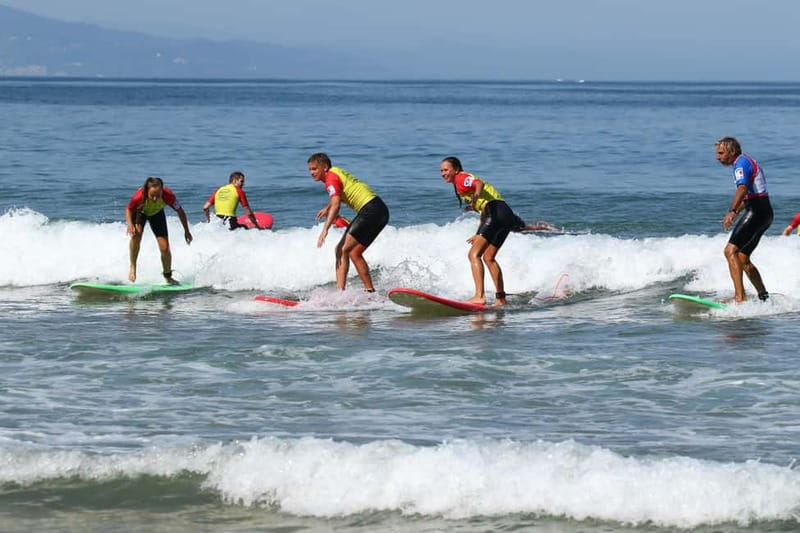
Biarritz already has “surf town” energy, but Côte des Basques is the specific spot that matters. It’s often called one of France’s most beautiful beaches, and it also carries the heritage label of La plage des Tontons Surfeurs. Even better for you as a learner: this is a beach where the local surfing culture is longstanding, dating back to when surfing really started to take hold in Europe in 1957.
So what does that mean for your lesson? You’re not just going to a random coastline. You’re training on a known surf environment, where the school’s method makes sense: use the sandbar at low tide, keep the group small, and help you catch waves quickly without turning the session into chaos.
One more point I appreciate: the school’s vibe is built for all ages and all levels. Their lesson design explicitly covers beginners and people who already surf, and it even lists a wide age range from 7 to 97. That doesn’t mean everyone will start the same way. It means the coaching approach is ready for different bodies, different swim comfort, and different confidence levels.
A few more Biarritz tours and experiences worth a look

Pricing and what you actually get for $53
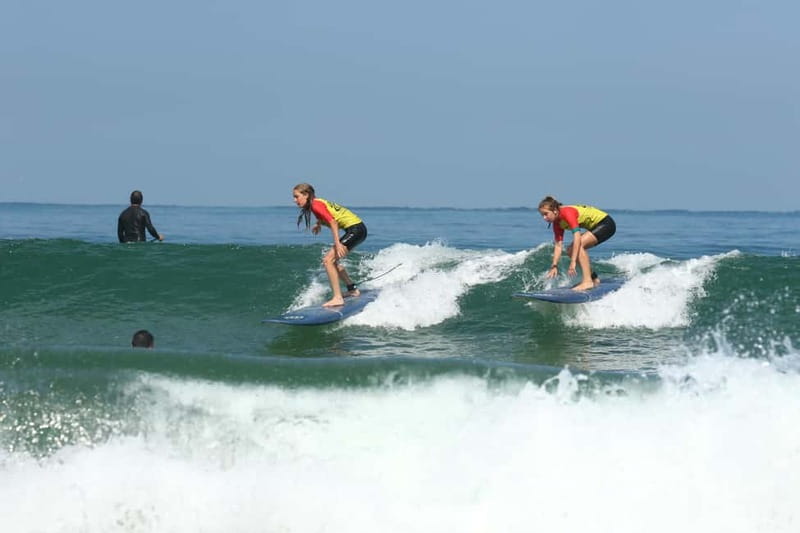
At about $53 per person for a one-day, one-session format, the value comes from what’s included rather than from the price tag itself.
You’re paying for:
- 1h30 of supervised instruction on the Côte des Basques beach
- DE instructors (and the school limits class size so you’re not just standing around)
- Equipment for your size and the season: surfboard and wetsuit
- Lycra tops in yellow and red, plus slippers if your feet get cold
- Liability insurance
In real terms, that means you show up and get the “surf lesson package,” not just access to a beach. Wetsuits aren’t one-size-fits-all, and board choice matters a lot for your first attempts. When equipment is matched to your body and water temperature, you spend less time fighting gear and more time working on balance and takeoff.
If you’re wondering whether the lesson feels worth it: it usually does when the coaching ratio is tight and the session starts on time with conditions that support learning. The school’s low-tide focus is part of that value equation.
The 1-day session: what happens from meet-up to the last wave
Where you meet (and how it keeps things simple)
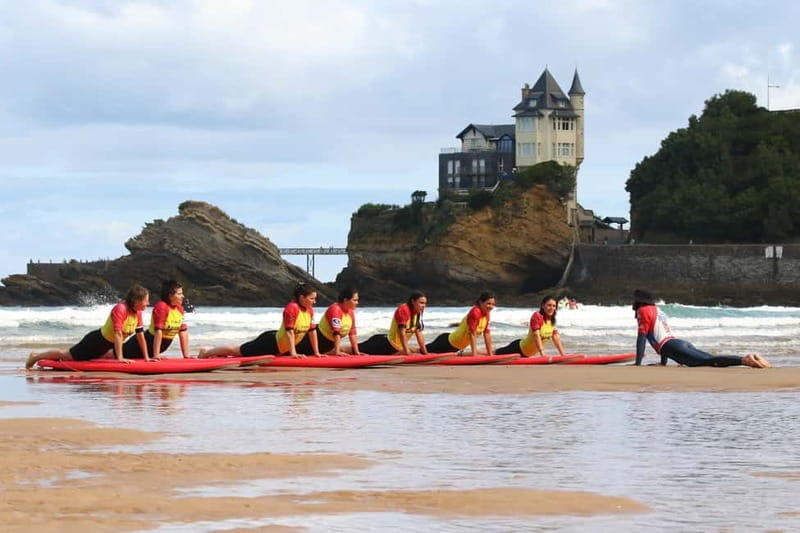
You meet directly at the Lagoondy bungalow right in front of the beach on Avenue du Prince de Galles. That matters because you’re not doing a scavenger hunt. You show up, store anything you brought in the changing room storage bins, and get geared up quickly.
You’ll want to bring a towel. That’s the one personal item called out, and it’s practical: you’ll get wet, and you’ll want to dry off before you sit with cold legs and sandy knees.
The timing: low tide is the whole game
Here’s the rule that shapes your experience: the school only runs lessons at low tide. They even note that times may change if the sandbanks, tide, or wave forecast don’t look suitable.
As a traveler, plan around that uncertainty. The good news is the “low-tide only” approach isn’t random. It’s what lets them guide you to a sandbar with footing, so you can catch more waves in safer conditions. When the location works, your learning accelerates fast.



Gear up: wetsuit, leash, and board setup
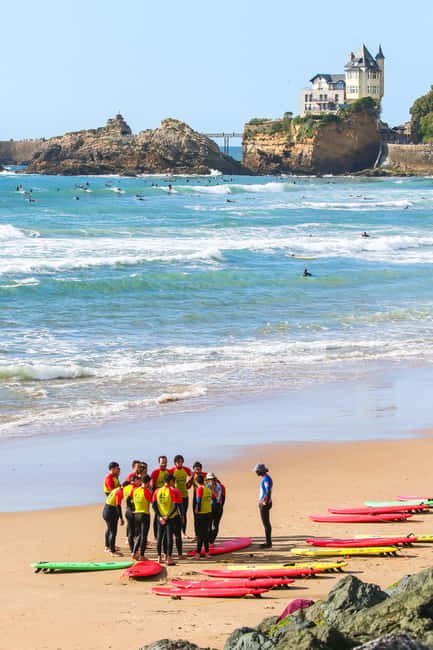
Before you paddle out, you’ll suit up with a wetsuit thickness that fits the water temperature and the season. You also get a leash and the right surfboard for your level. You’ll wear the school yellow or red Lycra so instructors can track the group easily in the water.
A small detail I like: slippers for cold feet are provided for anyone who needs them. It’s not flashy, but it keeps your legs functional while you wait and walk over wet sand.
The discovery session (1h30): how the coaching is structured
The discovery session is built to keep you moving and keep you safe. You’ll get:
- basic theory and safety instructions on the beach
- help in the water so you can progress, not just watch
They also cap the number of students per instructor in the water (they mention limits like up to 6 per instructor). That’s how you get real feedback while you’re still hot with adrenaline from the last wave.
And they choose the spot based on conditions. If low tide creates a good sandbar, they’ll organize around it so there’s a foothold. If conditions don’t cooperate, they adjust times. Either way, the goal is the same: set you up for wave-catching, not frustration.
Level 1 basics: the fast path from foam to standing
Level 1 is the core “get you surfing” track. It’s not just about standing on the board. It’s about learning the sequence so you don’t waste energy.
Here’s what Level 1 includes:
- Gear up: wetsuit and leash
- Take your board positions: they teach you how to do the initial setup lying on the board
- Stand up on the board: building the motion without rushing
- Balance upright: staying stable before you try to control anything
- Safety when picking up foam: you’ll get instructions about current awareness
- Respect landmarks: instructor positions and flags are part of the system
That last part sounds basic, but it matters. Surf lessons can turn messy if you’re the only person unsure where to go next. When you follow landmarks, you avoid panicked paddling, blocked takeoffs, and that awkward scramble right when a set arrives.
I also appreciate the emphasis on safety during moments that feel small. For example: learning what to do when dealing with foam isn’t glamorous, but it keeps you from slipping into unsafe zones.
If you already have skills: what Level 2 focuses on
If you’re not brand new, Level 2 is where the session starts to feel more technical. The school spells out key focus points like:
- standing up quickly
- maintaining balance while standing
- turning left or right when you’re up
- protecting your head during a fall
- paddling mechanics: rowing efficiently to catch waves
- takeoff execution: making sure you pop at the right moment
- balance at the bottom of a wave
This is useful even if you’re “intermediate in confidence” but inconsistent in the actual takeoff. The lesson language is basically a checklist: if you can tick these items, your surfing gets more stable right away.
What the small-group setup changes for you
A lesson like this can go two ways. Either you get a few tips and spend most of the time waiting, or you get frequent correction and you can test adjustments immediately.
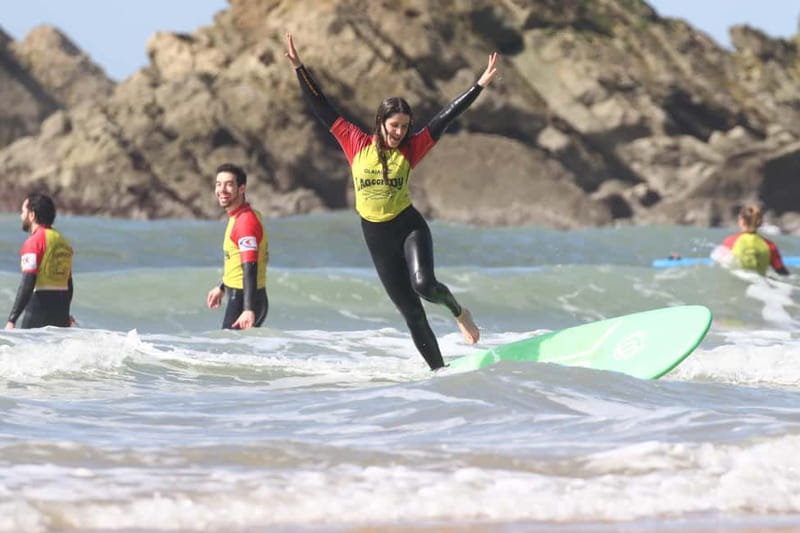
This format leans hard toward the second option. The group is small (up to 8 participants), and the instructor supervision is tight, with the instructors in the water guiding progress.
That means:
- You learn faster because corrections happen between attempts
- Your fatigue drops because you’re not paddling blindly
- You feel safer because safety rules are actively reinforced
And it’s a real plus for first-timers. It’s also nice for experienced surfers who want their technique broken down clearly without having to translate everything from a more generic talk.
Language options and how that affects learning
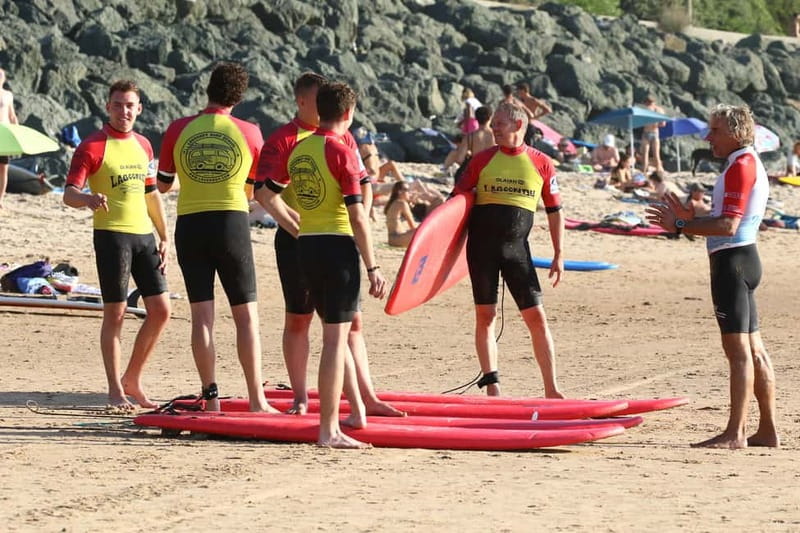
You can get instruction in French, English, or Spanish. That sounds like a simple logistics note, but it’s actually huge for surf coaching. Surf has quick cues: where to look, when to pop up, what to do with your feet, what to watch at the line of foam. If you understand the instructions instantly, you correct instantly.
If you’re visiting from outside Europe, I’d treat the language choice as part of your planning. Pick the session language you’re most comfortable following under pressure, not the one you can manage on a calm day.
Reviews in spirit: what people praise, and why it matters
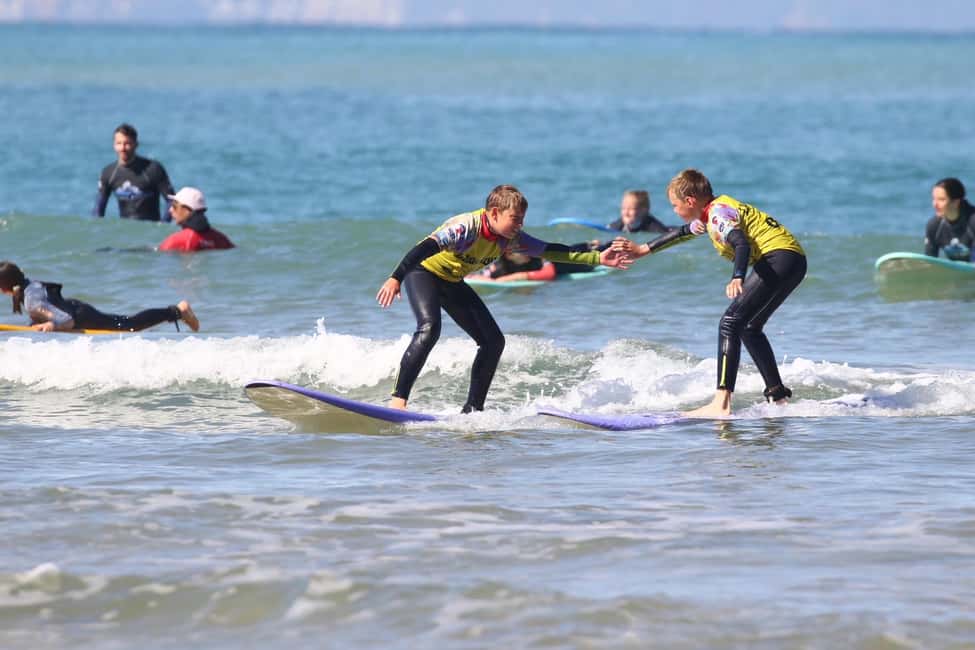
The school’s reputation for a smooth experience comes through in the kind of details people highlight: you feel looked after, the in-water vibe stays positive, and the coaching advice feels helpful right away.
One name that pops up is Baptiste, and that fits the pattern: good instructors give feedback you can use immediately, not vague reminders. When coaching is specific, your brain can make a clean adjustment for your next attempt. That’s the difference between doing the same mistake for an hour and improving within minutes.
Also, it’s not only about skill. People respond to the feeling of order and support in the water. Small groups and active supervision make that easier to create.
Practical tips so your lesson goes smoothly
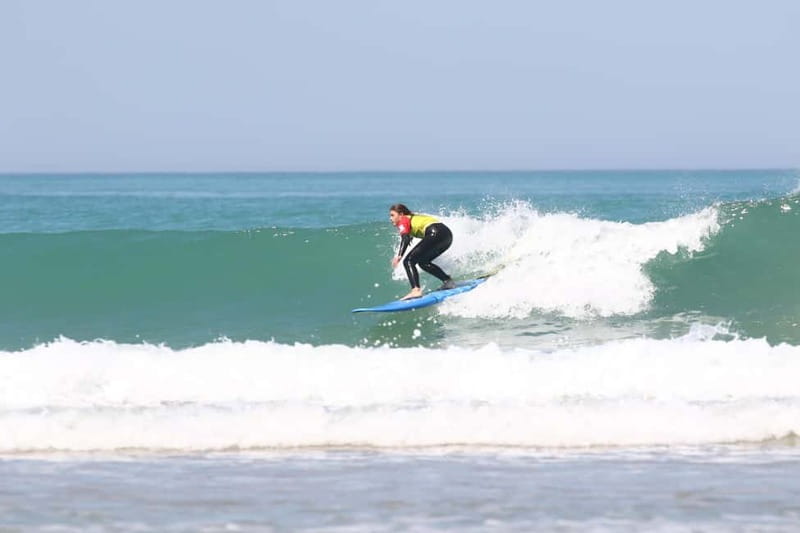
Here’s what will help you get the best out of your 1h30 surf session:
- Swim ability matters: the school only lists that you need the ability to swim. If you’re unsure, say so to your instructor so they can support you with safety decisions.
- Bring a towel: you’ll want it right after.
- Be ready for schedule shifts: low tide is required, and lesson timing can change with conditions and forecasts.
- Dress for getting wet and sandy: you’ll rinse off later, but your body will be wet long before that.
- Listen for safety instructions the first time: the rules for current and landmarks are part of the lesson flow, especially at Level 1.
If you’re the type who likes to overthink: don’t. Follow the instructor cues early, and then let the repeated attempts do the work.
Should you also consider the 3-lesson mini stage?
If you fall in love with wave time, the school offers a mini stage with 3 surf lessons, each 1h30. You can do them on consecutive days or spread them out over the week.
This is a smart choice if you want progress that actually sticks. Surf technique changes quickly, but your muscle memory improves with repetition. Three sessions also give you a better chance to benefit from different wave conditions while still staying within the same coaching system.
Who this surf lesson is best for
This is a good match if:
- You want structured surf instruction instead of just renting boards
- You prefer a small group and hands-on coaching
- You’re okay planning around low tide timing
- You want quality equipment provided, including the right wetsuit thickness
It also works well for families and mixed-age groups, since the school specifically notes age coverage from 7 to 97 and adapts to different levels.
Where it might not fit:
- If you can’t be flexible with schedule or low-tide timing, the lesson may be harder to coordinate
- If you don’t like cold water, you’ll want to mentally prepare for wetsuits and ocean exposure
Book it or skip it: my decision guide
Book this if you want a real shot at catching waves early, with instructors who keep you safe and focused, and with gear that doesn’t fight you. The Côte des Basques location is historic and iconic, but the bigger reason to book is the lesson method: low tide sandbar setup, tight group limits, and a step-by-step path from foam handling to standing balance.
Skip or reconsider if your trip is too rigid to handle low-tide scheduling changes. Also think twice if you’re not comfortable swimming, since the school explicitly requires that.
If you’re flexible and you show up ready to listen and retry, this is the kind of surf lesson that turns curiosity into something you can actually do.
FAQ
What is the duration of the surf lessons?
The surf lesson experience is listed as 1 day, with a 1h30 surf lesson session.
Do the lessons run at any time, or only certain tides?
The school only gives lessons at low tide. Lesson times may change if they judge that the sandbanks and tide or the wave forecast are not suitable.
What equipment is included?
Equipment is included during lessons: surfboard and wetsuit adapted to your size and water temperature. Yellow and red Lycra are provided, and slippers are provided for cold feet.
How many people are in the group?
The activity is described as a small group with a limit of 8 participants, and instruction in the water is limited to keep coaching close.
What languages are available?
Instruction is available in English, French, and Spanish.
What should I bring?
Bring a towel. The school provides the rest of the lesson gear on site.