REVIEW · MARSEILLE
Beyond Bouillabaisse: Diving into Marseille’s Multicultural Stew
Book on Viator →Operated by Culinary Backstreets Walks · Bookable on Viator
Marseille doesn’t do one-note food. This tour turns the city into a multicultural meal in motion with small groups and two full meals. You’ll walk key streets, hit markets and cafés that don’t show up in every guide, and end at the harbor with an apéro that feels like a local ritual.
I especially like the mix of migration-linked tastings and classic Marseille sights. You start near Gare Saint-Charles with an Algerian delicacy, then trade French-only stereotypes for Provençal biscuits, spice shop stops, and the no-nonsense flavor of Noailles.
One heads-up: it’s a lot of walking, and the food focus isn’t tuned to a strict traditional French menu. If you want sit-down French restaurants at every stop, you may be happier choosing something else.
In This Review
- Key points to know before you go
- Why Marseille’s Food Mix Matters on Day One
- Meet Near Place des Marseillaises, Then Start with Saint-Charles
- Église Saint-Vincent de Paul and Provençal Biscuits in a Café
- La Canebière: Boulevard Views Plus a Proper Spice-and-Market Stop
- Noailles Market: Smell, Color, and Food You’d Skip on Your Own
- Vieux-Port and Apéro: The Best Way to Close the Circle
- Two Full Meals Plus Tastings: What You Should Expect to Eat
- Price and Value: Why $160 Can Actually Make Sense
- Guides You Might Get: Séverine, Coco, Chloé, Alexis
- How Much Walking and Who Should Book This
- Should You Book This Marseille Food Walk?
- FAQ
- How long is the Beyond Bouillabaisse Marseille’s Multicultural Stew tour?
- Where do I meet, and where does the tour end?
- Is the tour offered in English?
- How big is the group?
- What do we eat and drink during the tour?
- Is the tour mostly snacks or are there real meals?
- Do I need to bring a ticket on my phone?
- What happens if the weather is bad?
Key points to know before you go
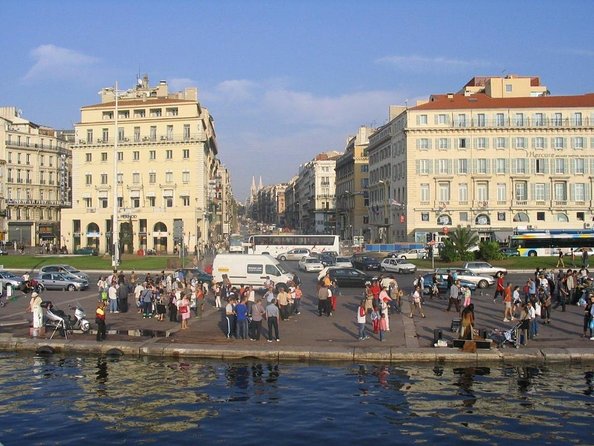
- Max seven people keeps things relaxed and gives you time to ask questions
- Two full meals plus tastings means you likely won’t need dinner afterward
- End at the Old Port (Vieux-Port), so plan your transport for later, not for backtracking
- English is supported with guides who connect food to neighborhoods and migration
- No extra entry fees built into the stops (your cost is really about guide + food)
- You’ll cover multiple Marseille food worlds from Saint-Charles to La Canebière to Noailles and the harbor
Why Marseille’s Food Mix Matters on Day One
Marseille’s story is written in ingredients. This walk helps you read that story without getting lost in museum mode. You get street-level context: how people arrived, how they cooked, and how the city’s food habits formed over time.
If you’re here only a couple days, this kind of tour is a smart shortcut. It gives you bearings fast: where Marseille’s energy shows up, what neighborhoods taste like, and what to order later when you’re on your own. I also like that the pace is built around frequent tastes, not rushing from one photo spot to the next.
You can also read our reviews of more scuba diving tours in Marseille


Meet Near Place des Marseillaises, Then Start with Saint-Charles
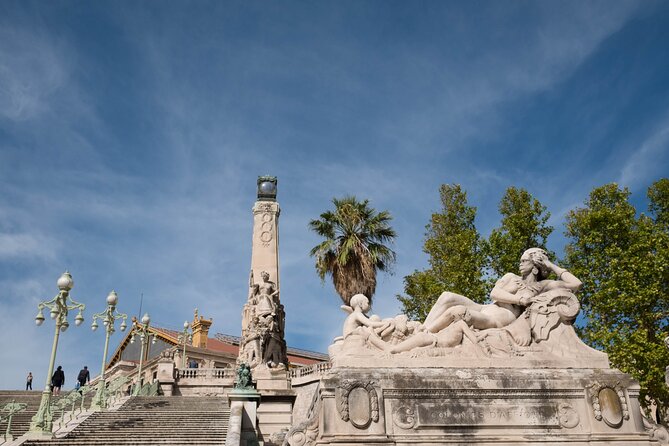
The tour begins at Place des Marseillaises in the 1st arrondissement and runs for about 5 hours 30 minutes. From there, you’ll head to Gare de Marseille Saint-Charles, one of the city’s key gateways.
Stop 1 is set up like an opening act. You’ll explore Marseille’s migratory history right at the train hub, with an Algerian delicacy to start you off. It’s a good way to avoid the common tourist pattern of eating first and learning later. Here, the food is tied to the city’s movement—people coming in, settling, and shaping what “normal” tastes like.
Practical note: because the tour is food-heavy, I’d treat breakfast like optional. Many guests recommend arriving with an empty stomach because the tour starts with pastries/coffee energy early on and keeps feeding you through the day.
Église Saint-Vincent de Paul and Provençal Biscuits in a Café
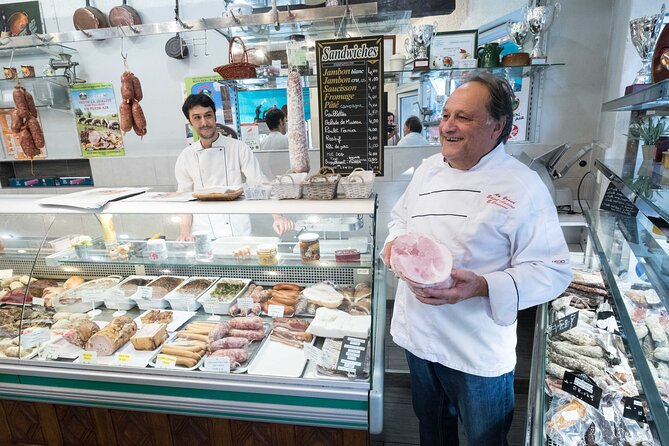
Next you’ll step into Église Saint-Vincent de Paul, described as Marseille’s grandest gothic church in this experience. Even if churches aren’t your thing, it works because it’s brief and purposeful—then you go straight back to taste mode.
Right after the church visit, you’ll move to a classic café for Provençal biscuits. This is a nice pivot: from migration-connected stories to local sweets that belong to the region, not just one community.
This stop also gives you a chance to slow down. You’ll be walking all day, and a short café break makes the rest of the pace feel easier.
La Canebière: Boulevard Views Plus a Proper Spice-and-Market Stop
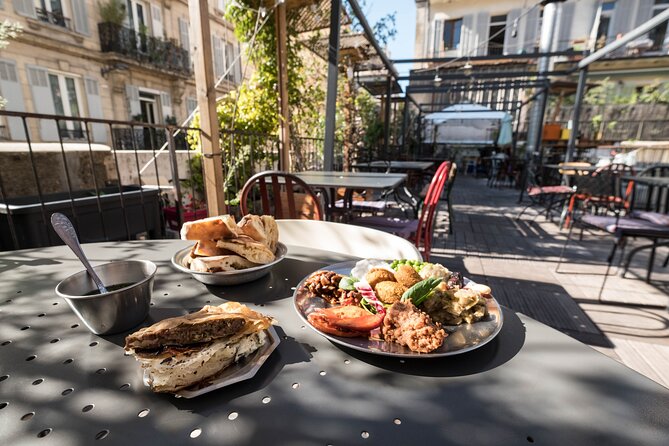
Then it’s onto La Canebière, Marseille’s iconic boulevard. You’ll stroll through the city’s most recognizable stretch, and you’ll get practical flavor shopping along the way.
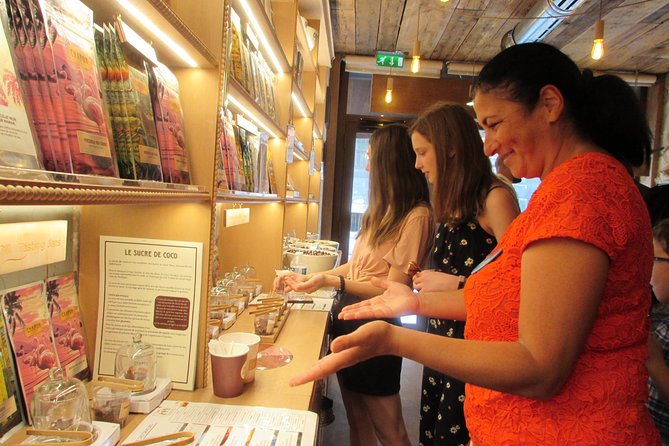
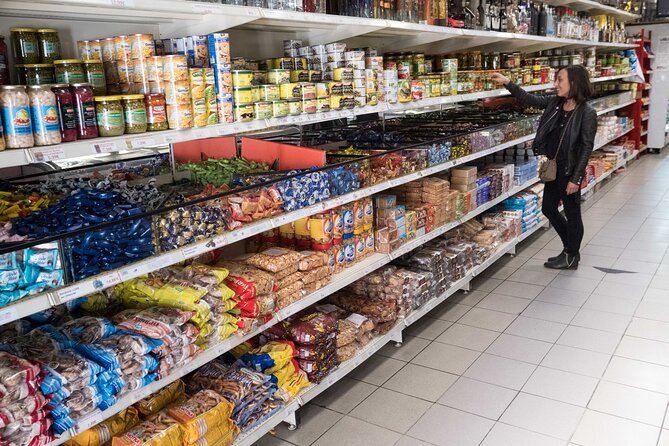
A highlight here is the stop at a colorful spice shop and market area. Even if you don’t buy much, you’ll learn what to look for: the aromas, the blends, and how spices show up in everyday cooking across Marseille’s communities.
For me, this part is valuable because it changes how you shop later. Once you’ve seen what locals browse for, your supermarket instincts start to fade. You’ll know what to ask for when you want something that tastes like Marseille, not just “French seasoning.”
Noailles Market: Smell, Color, and Food You’d Skip on Your Own
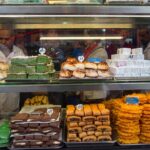
Marche de Noailles is where the tour gets properly hands-on. The neighborhood is often called the belly of Marseille, and the focus here is on the stalls and what’s coming out of them.
You wander through fragrant food stalls for about an hour, sampling along the route. This is the part of the day that feels most like real life: you see the market rhythm, you talk to shopkeepers indirectly through your guide, and you taste foods you might not choose if you were guessing based on a menu photo.
This also helps if you’re the kind of traveler who worries about “ordering wrong.” The tour structure takes the stress away. You’re sampling without having to commit to a full plate at every stop.




Vieux-Port and Apéro: The Best Way to Close the Circle
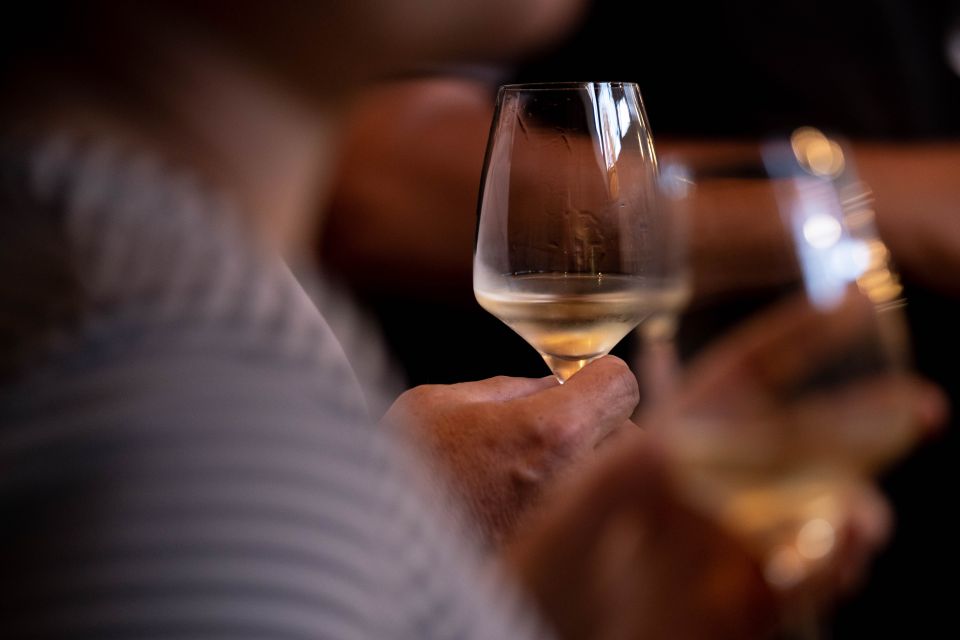
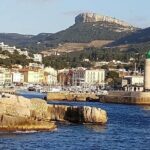
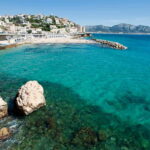
The final stretch brings you to Vieux-Port, the old harbor packed with boats. Here you’ll learn the history behind the harbor and then finish with an apéro—Marseille’s quintessential pre-dinner drink ritual.
You’ll have that apéro in a former sailors’ bar, which adds character to the ending. The vibe matters because it turns the food walk into a Marseille day, not just a tasting schedule.
Important logistics: the tour does not return to the starting point. It ends at the Old Port, so line up your next plan around that location—dinner nearby, a taxi back, or a train connection. If you’re on a tight schedule (like a cruise day), the Old Port ending is usually convenient, but you’ll want to be ready for the one-way walk.
Two Full Meals Plus Tastings: What You Should Expect to Eat
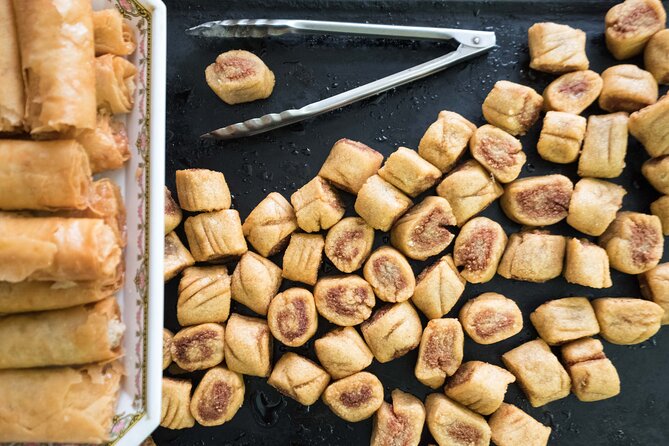
The tour is built around more than small bites. You’ll feast on two full meals across the experience, with additional tastings and drinks between.
That matters for two reasons:
First, you’ll get a real sense of how different cultures show up in Marseille cooking, not just in one snack. Second, your appetite won’t be constant worry. Even if you’re picky, you’ll have enough variety and repeated chances to find foods you enjoy.
One thing to be aware of: Marseille’s multicultural food doesn’t always mean the meat-and-seafood route. Some guests mention lots of bread and vegetarian-leaning items, with other guests wanting more seafood or meat. If your ideal day is steak and seafood at every stop, this tour may feel uneven. If you like trying lots of styles, it’ll probably feel like a win.
Price and Value: Why $160 Can Actually Make Sense
At $160 per person for about 5.5 hours, this isn’t a cheap casual stroll. But you’re paying for more than footsteps and stories.
You’re also getting:
- a small group experience (max seven people)
- tastings throughout the walk
- two full meals
- a guide who connects food to migration and neighborhood identity
If you price it against eating out at a sit-down lunch plus snacks plus a structured tasting session, the math often starts to work. You’ll also save time. Instead of searching for “what to try” in each neighborhood, the guide does the hard part and you get to focus on tasting.
One extra planning tip: the tour is commonly booked about 51 days in advance on average. If you want a first-day slot or a time that fits your schedule, book sooner rather than later.
Guides You Might Get: Séverine, Coco, Chloé, Alexis
A strong theme across the experience is the guide. Names you may see include Séverine, Coco, Chloé, and Alexis.
What I take from the pattern is this: the best tours here feel like a friendship with a food-loving local. The guides are great at connecting the dots—church to café, boulevard to spices, harbor to apéro—and they tend to make the day easy to follow even when you’re switching food worlds.
There’s also evidence of flexibility. On quieter days, the group can feel more personal. And when you’re communicating preferences, it helps that your guide is used to tailoring what’s served at stops.
How Much Walking and Who Should Book This
This is a walking food tour. You’ll move between neighborhoods and sights, so comfy shoes are not optional.
I think it suits you best if:
- you want to understand Marseille quickly through food
- you like markets, cafés, and neighborhood stops
- you’re open to cultures beyond the standard French seafood framing
- you’re here for a short visit and want strong recommendations for later
I’d hesitate if:
- you want lots of traditional French fine-dining plates
- you strongly prefer seafood/meat at every stop
- you get cranky when a day ends with tired feet and full stomach
If your goal is to get your bearings fast and eat like Marseille for real, this tour does that.
Should You Book This Marseille Food Walk?
Yes—if you want a first-day plan that helps you eat smart for the rest of your trip. The combination of small group pacing, two full meals, and stops in places you might miss on your own makes it a good value play, not just a novelty.
Hold off if you’re picky about vegetarian versus meat/seafood balance or you want a strictly traditional French menu. In that case, you could still enjoy Marseille, but you’d probably prefer a different style of tour.
If you book, arrive hungry, bring comfy shoes, and plan your onward transport around the Old Port ending.
FAQ
How long is the Beyond Bouillabaisse Marseille’s Multicultural Stew tour?
It runs about 5 hours 30 minutes.
Where do I meet, and where does the tour end?
You meet at Place des Marseillaises and the tour ends at the Old Port of Marseille (Vieux-Port). It does not return to the starting point.
Is the tour offered in English?
Yes, the tour is offered in English.
How big is the group?
The tour has a maximum of 7 travelers.
What do we eat and drink during the tour?
You’ll have tastings throughout the walk, plus two full meals and an apéro at the end.
Is the tour mostly snacks or are there real meals?
There are two full meals as part of the experience, not just small bites.
Do I need to bring a ticket on my phone?
You’ll receive a mobile ticket.
What happens if the weather is bad?
The experience requires good weather. If it’s canceled due to poor weather, you’ll be offered a different date or a full refund.