REVIEW · PARIS
The Musée d’Orsay in Focus: Impressionists & Beyond (Max 6)
Book on Viator →Operated by Fat Cat Tours · Bookable on Viator
Art that changed Paris still glows. This small-group, skip-the-line visit to Musée d’Orsay uses a licensed, English-speaking guide to turn 19th-century paintings into a living story of style, rivalry, and change.
What I like most is the way the tour doesn’t just point at artworks—it helps you connect the artists’ choices to the bigger world around them.
The second big win is the lineup: you’ll focus on Impressionists like Monet and Renoir, then move into Post-Impressionist works such as Vincent Van Gogh, with guided insight followed by time to roam on your own. One thing to consider: with an approx. 2-hour format, you’ll need to be ready to keep pace (especially if you love reading every label).
In This Review
- Key things to know before you go
- Why Musée d’Orsay is the right place for Impressionists and beyond
- Skip-the-line + max 6: how the group format changes everything
- The guided route at Orsay: from Impressionists to the stories behind them
- Monet, Renoir, Degas: what to watch for when you’re actually guided
- Van Gogh and the shift toward Post-Impressionism
- Orsay’s 1848–1914 context: the “why” behind the art
- Timing and pacing: 2 hours can be great if you go in ready
- English-speaking licensed guide: what you gain from having one person connect the dots
- Group discounts, mobile ticket, and the value of what’s included
- Who should book this Orsay tour?
- Should you book this Musée d’Orsay tour?
- FAQ
- How long is the Musée d’Orsay in Focus: Impressionists & Beyond tour?
- What is included in the price?
- Is the tour offered in English?
- How many people are in the group?
- Does it include skip-the-line entry?
- Where does the tour start and end?
- Do I need to print a ticket?
- How far in advance is this tour typically booked?
- Is service animal access allowed?
- What cancellation options do I have?
Key things to know before you go

- Skip-the-line access so you spend more time looking, less time waiting.
- Max 6 people keeps the pace human and questions easy to ask.
- Licensed English guide who explains both technique and artist relationships.
- Monet, Renoir, Degas, and Van Gogh are all part of the guided thread.
- Guided portion first, self-paced time after so you can linger where you want.
- Orsay’s 1848–1914 scope helps you place Impressionism in a wider, fast-changing era.
Why Musée d’Orsay is the right place for Impressionists and beyond

If you only know Musée d’Orsay for Impressionists, you’ll still be happy. But the real advantage of Orsay is the way it sits inside a broader turning point in modern life. The museum’s collection spans 1848 to 1914, which lines up with major shifts people actually felt in daily life—new technology, new transportation, and new ways of seeing.
This matters because Impressionism wasn’t just a new painting look. It grew out of a world that was moving faster and changing faster. Even the guide framing here—how innovations like the invention of paint tubes, trains, and electricity shaped society—gives you a lens for why artists started experimenting when they did.
You’re not just collecting famous names. You’re learning why the “rebellion” of these movements made sense in their moment.
You can also read our reviews of more tours and experiences in Paris.



Skip-the-line + max 6: how the group format changes everything
This is a small-group tour capped at 6 travelers, and it shows in the experience. With fewer people, the guide can slow down where the art needs slowing. You’re also more likely to get direct answers instead of watching someone else’s question become lost in the shuffle.
I also like that the guide is described as someone who keeps things clear—good diction and easy-to-follow explanations. That might sound minor, but in a crowded museum it’s the difference between enjoying the art and just hearing noise.
And because the tour is skip-the-line, you arrive, get oriented, and start looking sooner. If you’re doing other Paris museum stops too, this kind of time-saver can make your whole day feel more relaxed.
The guided route at Orsay: from Impressionists to the stories behind them

The Orsay experience here is built around one main stop: the museum itself. You get a guided route through works connected to the Impressionist movement—especially Monet and Renoir—and then you’re guided toward Post-Impressionist artists, including Vincent Van Gogh.
What makes the guidance especially useful is that it focuses on more than surface-level technique.
You’ll get a sense of:
- how artists developed their own visual habits,
- how their ideas overlapped and diverged,
- and why “style” was often tied to personality, choices, and what was happening around them.
That’s where the guide narration pays off. If you go in cold, some paintings can feel like pretty light and color. With the story thread, you start noticing what’s being argued—what an artist wanted to capture, and what they refused to follow.
Monet, Renoir, Degas: what to watch for when you’re actually guided
Even when you know the big names, it’s easy to miss why their work was revolutionary. A good guided visit helps you look with purpose.
With the focus on Impressionists such as Monet and Renoir, expect to be guided toward the ways they built modern images out of everyday scenes and changing light. You’ll also get context that helps you understand why the movement felt bold—especially when it was new and not everyone agreed.
Degas also fits naturally into this conversation because his approach connects Impressionism to broader questions about observation and composition. Without getting overly technical, the guide’s job is to help you see what you’d normally skim past: the choices in framing, the sense of immediacy, and how the subject is handled.
Practical tip: when the guide mentions a detail to watch for, make yourself do it. Even a tiny prompt—like where your eye should land first—can turn a painting from a quick glance into a real “aha.”
Van Gogh and the shift toward Post-Impressionism
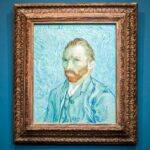
After the Impressionist anchor, the tour moves toward works by Vincent Van Gogh. This part is valuable because it shows what comes after the first wave of “new looking.”
Impressionism often focuses on the immediate visual experience—light, atmosphere, and the present moment. Post-Impressionism pushes further: structure, emotional weight, and ways of expressing inner intent. That change can feel dramatic if you’re ready for it, and it’s easier to catch when you’ve just been taught how the earlier style worked.
And here’s the added bonus: the tour doesn’t end with just more talking. You’ll then have time to explore post-impressionist works at your own pace. That self-guided window matters. It lets you go back to the pieces that got under your skin and spend more time there without needing to stick with the group’s rhythm.




Orsay’s 1848–1914 context: the “why” behind the art

One of the most practical parts of this experience is the museum-era context the guide brings in. You’re not only looking at paintings; you’re learning why the period from 1848 to 1914 produced such restless creativity.
The tour’s framing connects art to change in the outside world. When you hear how paint tubes made outdoor work more convenient, how trains shifted movement and time, and how electricity altered everyday life, the art starts feeling less random. It becomes a response to real conditions: faster life, new possibilities, and a growing appetite for fresh ways to see.
This is also why the guide emphasizes relationships among artists. Movements don’t grow in a vacuum. You’ll get a better sense of how artists influenced each other, disagreed, or simply shared an environment that encouraged experimentation.
Timing and pacing: 2 hours can be great if you go in ready
The tour runs about 2 hours. That’s a sweet spot for people who want meaningful art context without sinking half a day.
But here’s the consideration: a museum can easily swallow time. Labels, side galleries, and just wandering can turn a quick plan into a long one. With a guided route that has a set structure, you’ll get the most value if you’re comfortable with a brisk pace.
That’s especially true if you’re traveling with someone who needs breaks. On this tour, the experience has included guide flexibility—like accommodating requests for occasional seating—so you can still enjoy it at a comfortable rhythm.
English-speaking licensed guide: what you gain from having one person connect the dots
In Paris, it’s easy to wander through museums with a phone and a vague plan. A licensed guide changes the whole quality of the visit because it’s one continuous line of explanation.
The guide role here is described as:
- helping you skip the confusion,
- making the connections between artworks,
- and explaining the backstories of rebellious artists and movements.
You may even encounter different guides on different dates. For example, Adam has been praised for charm, clarity of speech, interactive pacing, and accommodating seating requests for older visitors. Another guide, Lilijana, has been described as excellent at navigating galleries efficiently while sharing historical and biographical facts in an engaging way.
Those details matter because they hint at what you’ll feel once inside: less “where do I look?” and more “I get what I’m seeing.”
Group discounts, mobile ticket, and the value of what’s included
At $190.52 per person for an approx. 2-hour tour, you’re paying for three things at once:
1) an expert, English-speaking licensed guide,
2) skip-the-line museum access, and
3) admission tickets included in the price.
So the comparison isn’t just against a self-guided museum entry. It’s against the time cost of doing it alone. For many people, the biggest value of a guided museum tour is not that it teaches you facts—it’s that it helps you form a solid understanding quickly, so you can enjoy the rest of the museum without getting lost.
The tour also uses a mobile ticket, which is convenient. And with group discounts mentioned as part of the offering, you may find it’s easier to justify with a small group of your own.
One more planning note: the experience is often booked about 110 days in advance. That’s a sign the limited-group setup can fill up, so earlier booking usually helps.
Who should book this Orsay tour?
This is a strong fit if you:
- want a focused Impressionists-and-beyond experience rather than an open-ended museum day,
- like learning the why behind styles and movements,
- want help seeing famous paintings in a way that feels connected,
- and prefer a max 6 group for a smoother pace.
It can also be a good match if your group includes someone with moderate physical fitness needs. The tour format is still inside one museum, which is generally manageable, and guides have shown flexibility with occasional seating requests.
You might want a different approach if you’re the type who needs to read every label and spend long stretches on one painting. Two hours is short enough that you may feel you’re moving through rather than soaking.
Should you book this Musée d’Orsay tour?
I’d book it if your goal is to leave Orsay with real understanding, not just photos. The combination of skip-the-line entry, a small group, and a guide who links Impressionists to what came after (including Van Gogh) makes the time feel efficient.
Also, if you’re traveling on a tight schedule, a guided route helps you hit the right ideas fast. You’ll start with context, then get a chance to slow down on your own for the Post-Impressionist works that grab you.
If you’re on the fence, ask yourself one question: do you want to see great art, or do you want to understand why it mattered? If understanding matters to you, this tour is a solid bet.
FAQ
How long is the Musée d’Orsay in Focus: Impressionists & Beyond tour?
It runs for about 2 hours.
What is included in the price?
The tour includes an expert English-speaking licensed tour guide and all entry tickets.
Is the tour offered in English?
Yes, it is offered in English.
How many people are in the group?
The maximum group size is 6 travelers.
Does it include skip-the-line entry?
Yes. The experience is advertised as a skip-the-line visit.
Where does the tour start and end?
It starts at Musée d’Orsay Esplanade Valéry Giscard d’Estaing, 75007 Paris, France, and it ends inside the Orsay Museum at the same meeting location.
Do I need to print a ticket?
You’ll use a mobile ticket.
How far in advance is this tour typically booked?
On average, it’s booked about 110 days in advance.
Is service animal access allowed?
Yes, service animals are allowed.
What cancellation options do I have?
Free cancellation is available up to 24 hours in advance for a full refund.