REVIEW · PARIS
Best of the Louvre Museum Private Tour with Monalisa
Book on Viator →Operated by The Expat Tours · Bookable on Viator
The Louvre can feel like a maze. This private Best of the Louvre tour helps you move with a chronological path and prepaid tickets so you spend less time stuck and more time seeing. One tradeoff: at about 2 hours, you still have to choose what you linger on.
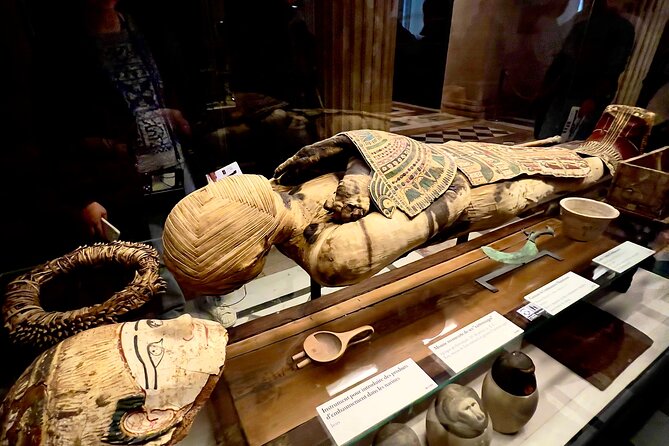
I like how the tour is built around real decision-making in the museum. You can set your own pace, ask questions, and get help steering around the crowds, including quieter rooms where speaking is restricted. The optional Egyptian Antiquities add-on (the one with the mummy) is also a smart way to expand beyond the usual paintings.
If you’re bringing a suitcase or big bag, plan to travel light. The museum security rules matter here, and late arrivals can miss time-stamped tickets—so you’ll want to be on time at the Louvre Pyramid meeting point.
In This Review
- Key things I’d pay attention to
- Meeting at the Louvre Pyramid and Getting Inside Faster
- Your Private (and Semi-Private) Style: What You Really Get
- How the Chronological Route Works Inside the Louvre
- Highlights You Can Actually See: Monalisa to Canova
- The Optional Egyptian Antiquities Hour (and the Mummy Choice)
- When the Museum Is Packed: Pacing, Headsets, and Quiet Rooms
- Price and Value: Is $299.57 Worth It?
- Small Rules That Matter: Bags, Phones, and Time Stamps
- Should You Book This Best of the Louvre Tour?
- FAQ
- How long is the tour?
- Where is the meeting point?
- Is museum admission included in the price?
- Is this tour private?
- Do I need to speak French?
- Does the tour include the Egyptian mummy?
- Are hotel pickup and drop-off included?
- What should I bring for entry and security?
- What time should I arrive?
- What if the Louvre has delays or closures?
- Can I cancel for free?
Key things I’d pay attention to
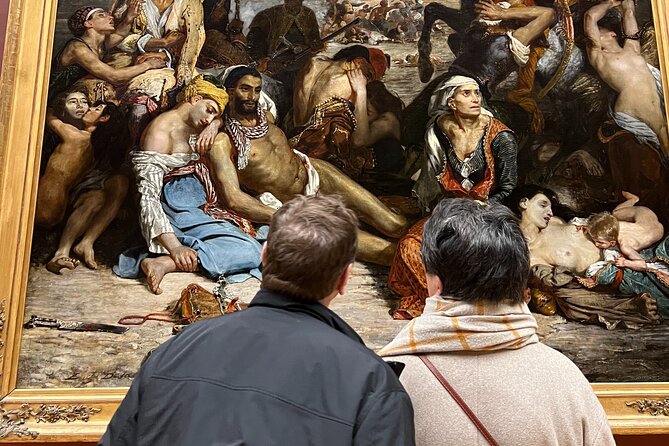
- Meet at the Louvre Pyramid for an easy start and less stress finding your guide
- Prepaid entry saves time compared with figuring out ticket lines on your own
- A chronological story that connects the Louvre foundations to palace halls and standout masterpieces
- Big-name highlights in a short window like Monalisa and the Venus di Milo
- Optional Egyptian Antiquities with the mummy if you choose the 3-hour add-on
- Audio/headsets may be used, but quality can vary based on what you get that day
Meeting at the Louvre Pyramid and Getting Inside Faster

The tour starts at the Louvre Pyramid (75001 Paris), and it ends back at the same meeting point. That sounds simple, because it is. When you’re dealing with one of the world’s most confusing buildings, a clear meeting spot is half the win.
Your tickets are prepaid and time-stamped, which is why you should arrive 15 minutes early. The tour start time is firm, and late arrivals won’t be accommodated since tickets can’t be adjusted. Also, bring an identification document if they ask for it, and make sure the phone number you provide works on the day of the tour.
Inside, security can slow you down, and this tour is still subject to the Louvre’s normal security rhythms. The good part is that you’re not wasting time researching ticket counters while everyone else is lining up. You’re starting the museum with momentum.
One practical tip: travel with a handbag or small thin bag pack. Large bags and suitcases aren’t allowed through museum security. If you forget, you may lose time handling bag storage before you even start the art.
You can also read our reviews of more private tours in Paris


Your Private (and Semi-Private) Style: What You Really Get
This experience is marketed as a private tour, but you can also choose a shared or semi-private option for different fees. In practice, that choice changes how many people your guide has to manage and how flexible the pacing feels.
When you’re truly private, you’re not competing for your guide’s attention. You can ask follow-ups without feeling rushed, and you can adjust your route based on what grabs you in the moment. That matters in the Louvre, where it’s easy to walk right past something just because your brain is overloaded.
Semi-private tours can still be a good compromise. I’ve seen guides handle small groups like six to eight people, which often keeps the museum from feeling completely chaotic. If you like a more social feel but still want guided flow, the semi-private choice can be a smart middle ground.
Either way, guides featured in real tours include people like Wei, Vivian, Blerta, Avi, Melina, and Malina. The consistent theme is energy plus patience—guides who keep you moving without steamrolling your questions. If you’re traveling with teenagers, that patience and engagement style is especially useful; some guides specifically worked to keep younger visitors asking questions and staying involved.
How the Chronological Route Works Inside the Louvre
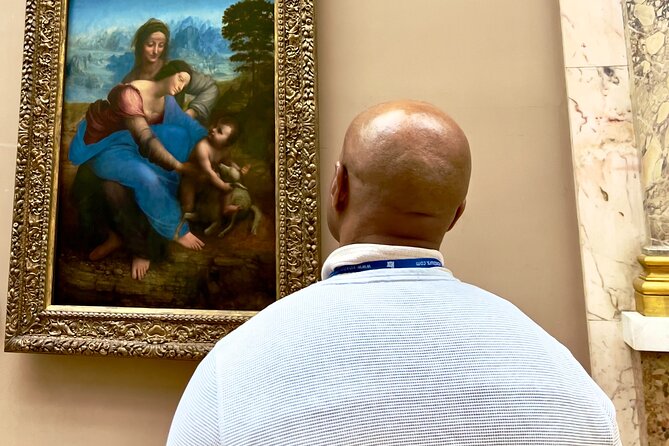
The tour’s structure is designed around a chronological path. Instead of jumping randomly from room to room, your guide walks you through how the Louvre’s collections connect across time. That story approach helps you make sense of what you’re seeing, so it feels less like a collection of isolated masterpieces.
Expect to move through areas described as Louvre foundations, then into art collections, royal jewels, and palace halls. The idea is to give you both the art and the building-as-museum context. The Louvre isn’t just paintings and statues—it’s also a former royal palace, and that shows in the way spaces are laid out.
A helpful detail: the tour includes plenty of time to interact. Since it’s built for a guided conversation, you’re not just walking while someone talks at you. This is also where the guide’s pacing matters. Some guides explicitly offer pauses for resting, which can be a big help if you’re traveling with older legs or anyone who doesn’t want to power through every set of stairs.
You should also know that some rooms are quieter or have speaking restrictions. Your guide will give you the rules before entering those spaces, so you won’t get blindsided by a sudden no-talking moment.
Finally, the Louvre can change what’s on view and what you pass through during the year. Even with a set route, some collections can vary. Your guide can help you focus on what’s available and prioritize what matters most.
Highlights You Can Actually See: Monalisa to Canova

In a museum this size, the value of a highlights tour is not just seeing famous works—it’s seeing the right works in the right order, with enough context to make them stick.
This tour is built around a set list of major stops and themes, including:
- Monalisa
- Venus di Milo
- Michael Angelo’s Slaves
- Wedding at Cana
- Raft of Medusa
- The Coronation of Napoleon
- Canova’s Cupid & Psyche
- Plus additional stops like Louvre foundations, royal jewels, and palace halls
The best part of this lineup is balance. You get Renaissance painting (like Monalisa and Wedding at Cana), famous sculpture (Venus di Milo and Michael Angelo’s figures), plus works that show political power and shifting artistic taste (like Raft of Medusa and The Coronation of Napoleon). By moving in sequence, you’re more likely to notice the evolution in style and subject matter, instead of treating each work like a standalone photo-op.
One detail I appreciate: this tour doesn’t just point. It connects “what you see” to “why it matters.” That’s why people describe the tour as making masterpieces feel like real treasures, not checkboxes. Some guides also push you to think about artist intention and emotion, tying pieces back to their time period and the broader progression of art.
That said, do not assume you’ll get a museum masterclass on every room. At two hours, you’re selecting highlights, not covering everything. If you want to spend long minutes with a single work, the guide can help you choose where to slow down—but you’ll have to accept that you can’t do it all.
The Optional Egyptian Antiquities Hour (and the Mummy Choice)
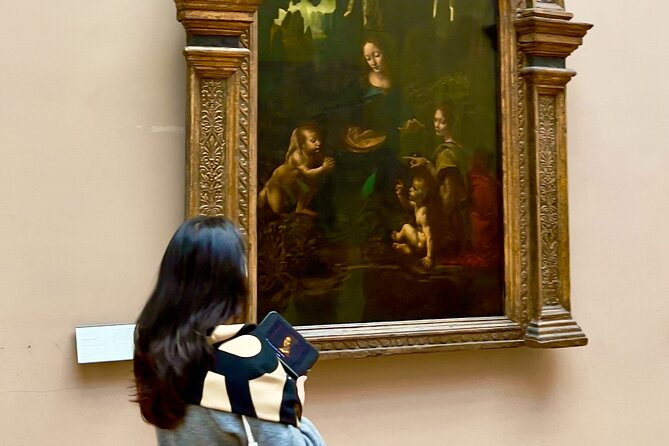
If you want more than the classic European art highlights, there’s an Egyptian Antiquities option. In the supplied details, the Egyptian portion—including the Egyptian mummy—is only included if you choose the 3-hour Egyptian option.
So ask yourself a simple question: do you want a focused highlights plan in two hours, or a longer session that expands your museum story? If you’re the type who enjoys world cultures and material history, that extra hour can be a worthwhile pivot. If your goal is strictly to maximize famous Western masterpieces, the 2-hour tour may fit better.
One more point: the Louvre’s layout means adding an Egyptian segment can shift the pacing. You’re not only adding time; you’re changing what the guide emphasizes. Go in knowing which theme you care about more.
You can also read our reviews of more museum experiences in Paris






When the Museum Is Packed: Pacing, Headsets, and Quiet Rooms
Even with a guide, the Louvre is crowded. That’s not a failure of the tour—it’s just the reality of the building. The value here is that you’re not wandering aimlessly through crowds trying to figure out where to go next.
Some tours use headsets/earbuds to help you hear the guide in the noise. In real experiences, the audio quality has been hit or miss. If the audio is muffled or hard to hear, it can make the commentary feel more like a script than a conversation. That’s the main downside I’d plan around.
Here’s what you can do: stay close enough to your guide’s voice when possible, and if you can’t hear well, speak up right away. A good guide can adjust how they address the group or reposition you. If you let sound issues go on for too long, it becomes harder to enjoy the tour.
Quiet or restricted rooms are also part of the experience. Some spaces limit speaking, and your guide will explain the rules before entering. You can still get the information—you just have to receive it in a lower-key way.
For comfort, look for guides who handle movement thoughtfully. People have highlighted guides who make room for breaks, including sitting and resting for visitors with limited stamina. If that matters for you, the private format gives you a better chance to ask for that pace.
Price and Value: Is $299.57 Worth It?

At $299.57 per person for about 2 hours, this is not a budget tour. It’s priced for people who want efficiency, interpretation, and less stress than self-guided wandering.
Here’s where the value can show up:
- Admission is included: the tour lists an €22 entrance ticket for adults.
- You’re saving time: prepaid tickets and guided routing are meant to cut down on long waits and wasted energy searching for rooms.
- You’re buying clarity: a chronological story and art context can make the Louvre feel like a connected experience rather than a pile of famous images.
- You’re buying control: your pace, your questions, and your priorities matter more than crowd flow.
At the same time, it’s fair to question the cost if you’re comfortable handling planning yourself and building a route based on what you care about most. Some visitors have felt that it didn’t feel worth the price. If you’re the type who loves independent wandering and doesn’t need art-history commentary, you might get similar satisfaction with a self-guided plan and a good map.
My practical take: this tour tends to be worth the money if you’re short on time, want a smarter path through the museum, and value a guide who can explain what you’re seeing. If your schedule is flexible and you enjoy figuring things out, you can absolutely do the Louvre on your own. The difference is how much “thinking and logistics” you want to handle versus offloading it to a guide.
Also, note that this tour is often booked about 36 days in advance on average. If you want a specific day/time, booking earlier helps avoid last-minute scramble.
Small Rules That Matter: Bags, Phones, and Time Stamps

This is where many smooth tours either stay smooth—or get stressful.
- Bring a valid phone number: you must provide one so you can be contacted on the tour day.
- Arrive 15 minutes early: tickets are time-stamped, and late arrivals aren’t accommodated.
- No large bags: only handbags or small thin bag packs are allowed through security.
- Be ready for occasional room rules: some rooms restrict speaking, and your guide will brief you.
- Expect some annual variation: specific collections can vary along the year.
One more curveball: the Louvre can have occasional closures. If museum opening is delayed by more than 1 hour from the tour start time, the provider says they’ll offer an appropriate alternative. Refunds or discounts may not apply because entry tickets are prepaid in advance.
If you’re a careful planner, these rules are exactly why guided tours work better than hoping everything goes your way. You’ll feel calmer when you know what the museum requires before you arrive.
Should You Book This Best of the Louvre Tour?
Book it if you want:
- A fast, guided route that still feels thoughtful
- A chronological narrative that helps you make sense of the Louvre
- The chance to see major hits like Monalisa, Venus di Milo, Raft of Medusa, and Napoleon’s Coronation without spending your trip trapped in logistics
- A guide who can keep conversations going and adjust pacing for different visitors (including teens and older adults, when needed)
Skip it or consider a lighter option if:
- You’re traveling with lots of time and you enjoy building your own route
- You know you hate audio devices and you might struggle with sound quality if headsets are used
- You only want one or two specific masterpieces and you’d rather linger without a fixed highlights plan
If you do book, plan for the practical reality of the Louvre: arrive early, pack light, and treat two hours as a focused sampler. If you want the mummy, step up to the 3-hour Egyptian option. Otherwise, this is a strong way to get the best-known Louvre moments with guidance and less wandering.
FAQ
How long is the tour?
The tour is approximately 2 hours.
Where is the meeting point?
You meet at the Louvre Pyramid, 75001 Paris, France, and the tour ends back at the meeting point.
Is museum admission included in the price?
Yes. The tour includes an €22 entrance ticket for adults.
Is this tour private?
It is private by default. You can also choose a shared or semi-private option for different fees.
Do I need to speak French?
No. The tour is offered in English.
Does the tour include the Egyptian mummy?
The Egyptian Antiquities with the mummy is only included if you choose the 3-hour Egyptian option.
Are hotel pickup and drop-off included?
No. Hotel pickup and drop-off are not included.
What should I bring for entry and security?
Bring a valid phone number. An identification document may be required. Also, avoid large bags or suitcases; only handbags or small thin bag packs are allowed through security.
What time should I arrive?
Arrive 15 minutes early. Late arrivals won’t be accommodated because tickets and reservations are time-stamped.
What if the Louvre has delays or closures?
If the museum opening is delayed by more than 1 hour from the tour start time, the provider will offer an appropriate alternative. Refunds or discounts aren’t mentioned for this situation because tickets are prepaid.
Can I cancel for free?
Yes. You can cancel up to 24 hours in advance for a full refund.
If you want, tell me your travel dates and whether you’re considering the Egyptian 3-hour add-on. I can help you decide which format fits your priorities and time.