REVIEW · PARIS
Behind the Scenes of a Boulangerie: French Bakery Tour in Paris
Book on Viator →Operated by Meeting the French · Bookable on Viator
Baguettes have a secret life in Paris. This one-hour behind-the-scenes boulangerie tour takes you into a working bakery where bread and pastries are made for real, day after day, not staged for a crowd. You’ll see how classic French bread and dough work, hear what makes Paris baguettes different, and finish with a take-home treat.
I especially like the small-group size (maximum 8) and the chance to watch production up close in the kitchen areas. I also love that you leave with a freshly baked baguette and croissant, plus you often get tasting samples during the visit.
One heads-up: if you’re hoping for a full hands-on bread-making workshop, this is more of a close-up tour than a do-it-yourself class. The space is compact and you may spend most of the time watching the process and listening to explanations from the baker and guide (and yes, wear shoes with good grip).
In This Review
- Key highlights you will actually care about
- Montmartre Boulangerie Tour: why this one-hour visit feels special
- What you see during the tour: your in-bakery timeline
- Stop focus: baguettes and the working machinery
- Pastries and patisserie workflow
- Your guides and interpreters: what you should expect in English
- Baguette rules and shaping tips: what makes Paris bread different
- Croissants and pastry tasting: the payoff at the end
- Group size and logistics inside a working kitchen
- Price and value: how to judge if this is worth your money
- Who this tour is perfect for (and who should skip it)
- Should you book this French bakery tour in Paris?
- FAQ
- FAQ
- How long is the French bakery tour?
- Where does the tour start in Paris?
- Is the tour offered in English?
- How big are the groups?
- What food is included at the end?
- Is hotel pickup included?
- Is this tour hands-on where I make bread myself?
- Is the meeting point near public transportation?
- Who should avoid this tour due to allergies?
- What is the cancellation policy?
Key highlights you will actually care about
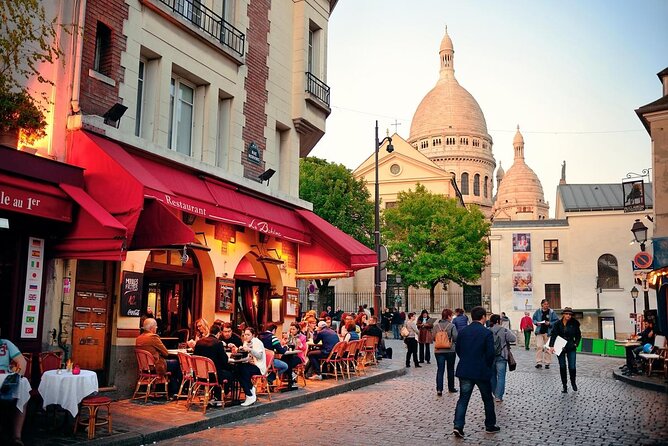
- Back-of-house access in Montmartre at a small, independent bakery production unit
- Baguette know-how including traditional shaping and the reasons behind classic rules
- Live interpretation in English with the guide translating as the baker works
- Take-home bread done right with one baguette and one croissant included
- Up-close pastry and patisserie workflow showing how fillings and finishing steps come together
- Comfort expectations: tight working space, so you will want non-slip footwear
Montmartre Boulangerie Tour: why this one-hour visit feels special
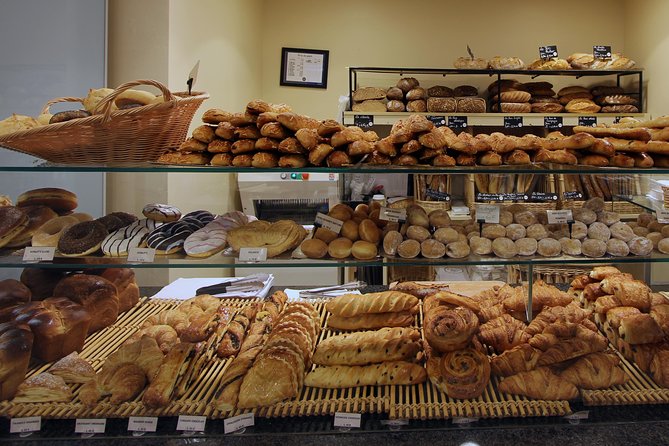
Paris has plenty of places to buy bread. This tour is different because it shows the making, step by step, in a real bakery that is producing for the day’s demand. In other words, you’re not touring a museum display. You’re getting a short window into how French bread culture works when ovens are running and dough is moving.
You also get a genuinely small setting. With groups capped at 8, there’s less waiting around and more time watching what the baker is doing. And the bakery itself is the star: a working boulangerie kitchen with production areas where pain and pastries get built, not just demonstrated for photos.
One more practical bonus: the finish. You don’t just learn. You also take home a freshly baked baguette and croissant, so your tour has a payoff you can eat later.
You can also read our reviews of more tours and experiences in Paris.



What you see during the tour: your in-bakery timeline
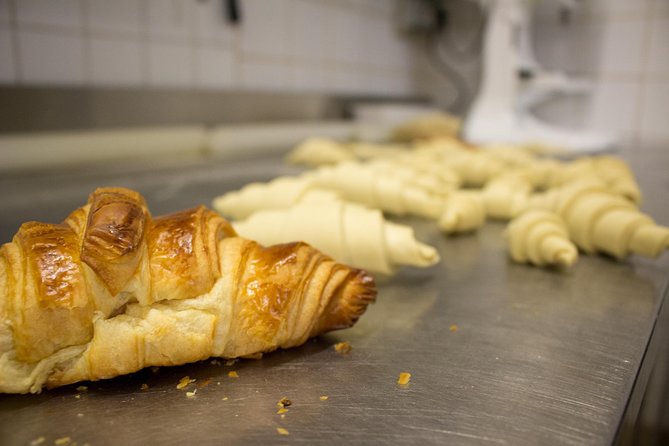
Your visit happens in Montmartre, starting at Le Grenier à Pain Caulaincourt (127 Rue Caulaincourt, 75018 Paris). From there, you head into the bakery’s behind-the-scenes production rooms and kitchens. The whole tour runs about an hour and ends back where it started.
Here’s how the time usually feels, based on the flow of a working boulangerie:
You begin with the baker and guide walking you through the bread-making process at the pace of real production. Then you move through the areas tied to baguettes and pastries, where you can watch dough prep, shaping steps, and baking work in action. You finish with your take-home items, and often with small tastings while you’re inside.
Because the bakery is compact, the tour doesn’t feel like a tour bus day. It feels like a quick, focused pass through the “how it gets done” areas. Some guests love that pace. Others wish they had more time doing things themselves. That expectation check matters.
Stop focus: baguettes and the working machinery
The tour centers heavily on baguettes, since they’re the bread symbol of Paris for a reason. You’ll see how dough is handled and how the machinery works as part of how the bakery keeps up with production demands. You’ll also get explanations tied to traditional methods and the bread-making logic behind them.
A useful detail: you’ll hear bread history and how French baking culture developed the way it has. It’s not just trivia. It helps you understand why a baguette is shaped and baked the way it is, and why bakers are so particular about timing.
Pastries and patisserie workflow
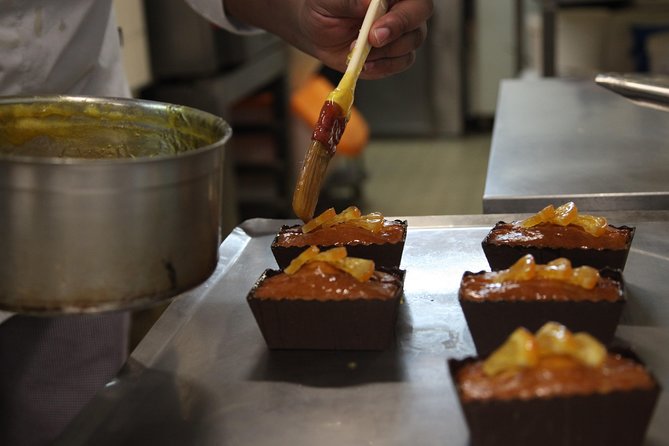
Along with baguettes, the tour shows the pastry side—how patisserie items are put together and finished. This isn’t a deep dessert lab with every ingredient measured in front of you, but you’ll still get a clear view of how pastry work fits into the same daily rhythm as bread production.
If you’re the type who gets excited by handwork and finishing steps, this part can be surprisingly satisfying. You’ll see how bakers manage texture, assembly, and the final moments before items go into their finishing stage.
Your guides and interpreters: what you should expect in English
The tour is offered in English and is guided by a local baker plus a guide who interprets and connects what the baker does to what you should notice. In practice, you’ll often hear the guide translating key points from the bakery staff as they work.
Several guide names show up in guest accounts, including Marie, Mariette, and Vincent. People also note that guides can answer questions and help you understand what’s happening when the process speeds up.
Here’s the key expectation to set: even with English interpretation, the bakery is still a French workplace. So you might hear French from staff at times, while the English guide brings you the important parts. If you want a completely scripted, slow-paced explanation, a bakery with real production may not match that style.





Baguette rules and shaping tips: what makes Paris bread different
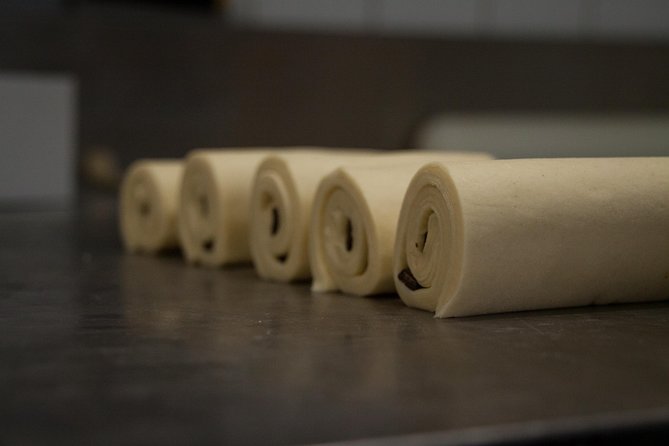
A big reason this tour is worth your hour is that you don’t just watch dough move—you learn the logic behind the results. The best part is how the baker’s hands connect to the structure you see in a finished baguette.
You’ll pick up practical bread-making tips tied to how bakers think about:
- Dough handling and shaping (why the dough’s form matters)
- Baking steps (how production timing affects crust and interior)
- Traditional baguette rules (what bakers care about and why)
In some cases, guests also report getting to do a small hands-on step. For example, a baker may let you make release cuts on your baguette before you take it home. It’s not always guaranteed to be a full hands-on class, but it’s a nice example of how the tour can include participation when the flow allows it.
Also, there’s a lot you can learn just by watching how bakers work with speed and precision. The tour makes it clear that baguette quality comes from more than a recipe card. It comes from routines, timing, and consistent technique.
Croissants and pastry tasting: the payoff at the end
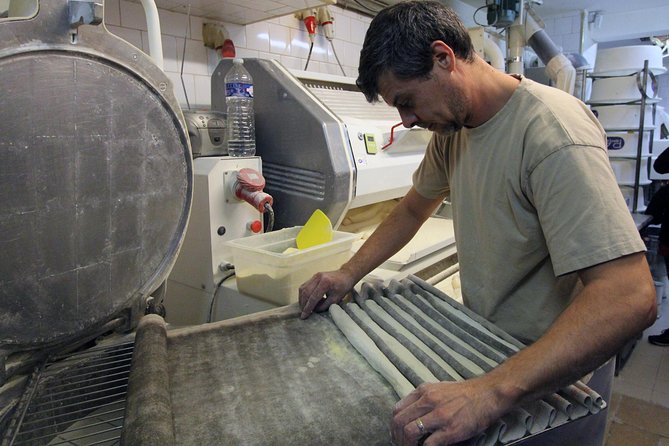
Croissants in Paris can be a life-changing thing—or a disappointing one—depending on freshness. This tour’s structure helps because you take home a freshly baked croissant, not a warmed-up souvenir.
During the visit, you may also taste small pastry samples. Guests describe tasting various pastries and enjoying bites in addition to the take-home bread. That means even if you only have a short attention span for bakery watching, you’ll likely still get something delicious right away.
When you get back to your apartment, don’t overcomplicate it. Let the baguette cool enough to slice nicely, then eat it the way Parisians do: simply. For the croissant, enjoy it soon. Fresh pastry quality fades fast once it leaves the bakery environment.
Group size and logistics inside a working kitchen
This is where your expectations make the difference between a great time and a mildly frustrating one.
The bakery space is small and functional. That’s the point, because it’s a real production unit. But it also means:
- You may feel in the way at times when people and staff are working close together
- The floor can be slippery, so non-skid shoes really matter
- The work area is not set up like a classroom with chairs and wide walking lanes
One guest even flagged that you’ll want clothing you don’t mind getting flour on. That’s good common sense for any bakery tour, but here it’s extra relevant because you’re so close to active dough handling.
If you’re traveling with kids, the compact setup can be a plus. Several families mention that children enjoyed watching dough being shaped and seeing the behind-the-scenes work, especially when the guide handled translation and explained what they were looking at.
Price and value: how to judge if this is worth your money
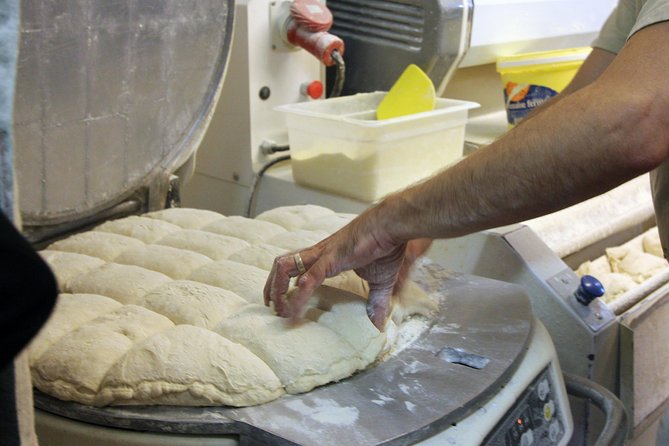
Some guests call the tour pricey for what it is. That critique makes sense if you compare it to a more hands-on cooking class where you spend most of the time doing the work yourself.
So I suggest you judge value by what’s actually included:
- You get one freshly baked French baguette
- You get one freshly baked croissant
- You get a small-group behind-the-scenes view into a working Paris bakery
- You get explanations about baguettes and pastry workflow, delivered in English
If your goal is learning plus a take-home breakfast or snack, the value is easier to justify. If your goal is kneading dough for most of the hour, you may leave wishing for more hands-on time.
One more value factor: the guide and baker dynamic. When translation is clear and the baker can answer questions, you leave with more than bread. You leave with insights you can use next time you buy or bake.
Who this tour is perfect for (and who should skip it)
This experience fits best if you want a fast, authentic look at how Parisian boulangeries work, especially how baguettes and pastries are produced. It’s a great add-on to a sightseeing day in Montmartre because it’s short, guided, and tasty at the end.
It’s also a strong choice if:
- You enjoy watching craftsmanship and production
- You want an English explanation of what you’re seeing
- You like the idea of a guided alternative to a museum
Consider skipping if:
- You want a full hands-on baking class where you leave with a new skill you practiced yourself for an extended period
- You are sensitive to airborne flour (this tour is not recommended for that)
Should you book this French bakery tour in Paris?
If you want a short, flavorful, real-life look at baguette and pastry production in Montmartre, I think this tour earns its place. The combination of a small group, a working bakery setting, and take-home fresh baguette and croissant is a practical win.
My main advice is to book with the right expectation: you’re watching and learning in a production space, not running a classroom. If you want to do more hands-on work, you might end up happier with a different type of baking experience.
FAQ
FAQ
How long is the French bakery tour?
It runs for about 1 hour.
Where does the tour start in Paris?
It starts at Le Grenier à Pain Caulaincourt, 127 Rue Caulaincourt, 75018 Paris.
Is the tour offered in English?
Yes, the tour is offered in English.
How big are the groups?
The tour is a small group with a maximum of 8 travelers.
What food is included at the end?
You take home one freshly baked French baguette and one freshly baked croissant.
Is hotel pickup included?
No, hotel pickup and drop-off are not included.
Is this tour hands-on where I make bread myself?
The tour focuses on going behind the scenes and watching how the bakery works, with demonstrations and explanations. Some guests report getting to help with a small step, depending on what the baker allows during the visit.
Is the meeting point near public transportation?
Yes, it is near public transportation.
Who should avoid this tour due to allergies?
It is not recommended for travelers with sensitive airborne food allergies.
What is the cancellation policy?
Free cancellation is available up to 24 hours in advance for a full refund. If you cancel less than 24 hours before, the amount paid is not refunded.