REVIEW · BORDEAUX
A locals’s guide to Bordeaux’s historic market
Book on GetYourGuide →Operated by FOOD LOVER TOUR · Bookable on GetYourGuide
Bordeaux smells like bread, cheese, and seawind—and this market tour turns that into a plan. I love how it mixes a historic neighborhood walk with hands-on food tastings, and I also love that the focus stays practical: what to try, why it matters, and how to order it like a local. One thing to consider up front is simple: it’s not recommended if you have mobility limits, because it’s a walking-based experience.
The best part for me is the way the stops build in a logical food rhythm: start with pastries and coffee, then move into market browsing and multiple tastings, and finish with classic Bordeaux flavors—especially oysters from Arcachon Bay paired with wine. Guides like Joshua (and also Charlotte on other departures) make the pacing feel lively and friendly, and you’ll get local context from family-run businesses. If you want a long sit-down meal with slow courses, this isn’t that kind of tour—expect motion and lots of sampling in a compact time window.
In This Review
- Key highlights worth marking on your map
- Place de la Victoire to the Colonne de la Vigne et du Vin: starting smart
- Breakfast tastes first: pastries and coffee that set the pace
- A historic walk that actually teaches you how locals eat
- Inside the main market: seasonal shopping, cheese, and charcuterie logic
- Wine and cheese pairings: how Bordeaux flavors connect
- Arcachon Bay oysters: classic Bordeaux, with a backup plan
- Charcuterie tastings: what to look for beyond the label
- Pacing and timing: 150 minutes can feel full (in a good way)
- Price and value: why $74 often adds up to more than you expect
- Who this market-based tour is best for
- Who should skip it or rethink the day
- Should you book this Bordeaux historic market food tour?
- FAQ
- How long is the Bordeaux historic market food tour?
- Where do I meet the guide?
- What food and drink tastings are included?
- Are oysters included, and is there an alternative?
- What kinds of products will we see in the market?
- Is the tour guided in English?
- Does the tour operate in bad weather?
- Is transportation to the meeting point included?
- Is it suitable for people with limited mobility?
- What should I do if I have allergies or dietary requirements?
Key highlights worth marking on your map

- Meet at Place de la Victoire at the base of the Colonne de la Vigne et du Vin, so you’re grounded fast in Bordeaux.
- Breakfast-style start with artisanal pastries and a coffee tasting to set the tone before the market.
- The largest Bordeaux market stop, where you’ll see seasonal produce and learn how locals shop.
- Charcuterie and cheese tastings with guidance on what to look for and how to taste.
- Arcachon oysters plus Bordeaux wine, with an alternative available if you don’t want oysters.
- English-guided small group for a more personal pace and easier questions.
Place de la Victoire to the Colonne de la Vigne et du Vin: starting smart

Your tour begins in the center of Place de la Victoire, right by the base of the colonne de la vigne et du vin. That location matters because it’s a clean, easy-to-find anchor point in Bordeaux—less stress, more food time.
Once you spot the guide’s white food-lover bag (logo plus the laughing tomato), you’ll get oriented for what’s next: a short walk, a food-fueled route through the neighborhood, and tastings that build from morning-friendly bites toward seafood and wine.
You can also read our reviews of more guided tours in Bordeaux


Breakfast tastes first: pastries and coffee that set the pace

The tour’s first phase feels like the right kind of morning kickoff: breakfast, a guided walk, and a focused coffee tasting lasting about 30 minutes. You don’t just get caffeine—you get a chance to understand what makes coffee a morning ritual in France, and how that pairs with the first sweet bites.
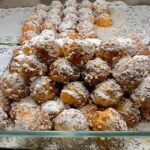
Before you head deeper into the food scene, you’ll start with fresh artisanal pastries. This is one of those moves that seems small until you’re standing in a market later with your senses wide open. I like starting sweet and warm, because it makes the later savory tastings feel clearer, not muddled.
A historic walk that actually teaches you how locals eat

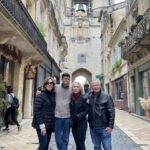
Between stops, you’ll get a historical walk through Bordeaux. It’s not an academic lecture; it’s more like street-level context—how the city’s layout connects with market life and why certain foods show up again and again.
This is also where you’ll pick up practical culture points: how people think about shopping as part of daily routine, and why quality matters when you’re buying things you’ll eat right away. If you’re the type who likes to understand a place beyond photos, this portion helps you read the city while you’re in it.
Inside the main market: seasonal shopping, cheese, and charcuterie logic
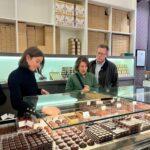
The heart of the experience is the visit to the largest market in Bordeaux. This is where the tour becomes more than tasting: you get a guided look at how stalls work, what seasonal products look like in real life, and how vendors talk about their goods.
Expect a spread of what locals often build meals around—things like cheese, seafood, and high-quality charcuterie. The guide isn’t just pointing; they’re helping you taste with intention. That means you’ll learn how to notice differences in texture, salt level, aroma, and aging style, instead of just saying yes or no to a bite.
A practical tip: when you’re offered cheese or charcuterie, try to slow down for two seconds before you swallow. Smell first, then taste, then notice how the flavor changes as the bite warms in your mouth. It makes the tasting feel personal, not rushed—especially in a tour that runs about 150 minutes total.
Wine and cheese pairings: how Bordeaux flavors connect

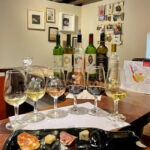
After the market time, the tour leans into Bordeaux’s natural pairing system: wine plus food, designed to work together. You’ll get an aperitif component and multiple tasting moments, including wine tasting and cheese tasting.
This is valuable even if you don’t consider yourself a wine person. You’ll learn the basic idea behind pairings in this region: how acidity and aroma can cut through rich foods, and how a pour can make cheese or charcuterie taste more distinct rather than heavier.
In a city famous for wine, this tour keeps you from getting lost in jargon. Instead of trying to memorize grape names, you’ll build real memory links—what white wine tastes like with briny seafood, what red can do with cured meats, and how a small sip changes the next bite.
You can also read our reviews of more historical tours in Bordeaux




Arcachon Bay oysters: classic Bordeaux, with a backup plan

Bordeaux’s food culture is shaped by the Atlantic, and one of the loudest symbols is oysters. This tour includes oysters from nearby Arcachon Bay, and you’ll get guidance on how to enjoy the experience—with a fresh glass of white wine for pairing.
If you’ve never had oysters, don’t worry. The guide walks you through the moment so it doesn’t feel awkward or intimidating. And if oysters are not your thing, there’s a delicious alternative lined up, so you’re not stuck taking a bite you don’t want.
Even if you’re an oyster fan, I like that the pairing is built in. The wine gives you a baseline to compare flavors, and it helps you focus on the briny, clean taste rather than just chasing shock-value “first time” moments.
Charcuterie tastings: what to look for beyond the label

One of the most praised parts of this tour is the rare, high-quality French charcuterie tasting. In practice, that means you’re sampling items that you might not buy on your own without help, and learning how to assess them.
Here’s what you can try to do in your head while you taste:
- Look for a balance between salt and fat so it doesn’t coat your mouth.
- Notice the aroma—smoke, spice, or more subtle cured notes.
- Pay attention to texture: sliced thin versus thicker cuts can taste like different products.
Guides (including people like Joshua and Charlotte, depending on the departure) tend to keep this engaging. Their job is to make you feel like you can shop smarter afterward, not just eat well in the moment.
Pacing and timing: 150 minutes can feel full (in a good way)

The tour lasts about 150 minutes. That’s long enough for meaningful tastings and market time, but short enough that you’ll be moving again and again. For me, that works best on a travel day when you want a food hit without sacrificing the entire morning.
Small groups help. You’ll get time to ask questions, and the tour doesn’t feel like a conveyor belt. Still, it’s sampling-focused, not a slow meal—so go in with room in your stomach and a willingness to walk.
The tour also runs rain or shine, so plan for a weather-proof day. Bring a light layer, and if you’re in drizzle season, consider shoes you can wipe clean fast.
Price and value: why $74 often adds up to more than you expect

At $74 per person for a 2.5-hour food-focused experience, the value depends on what you’d otherwise do. If you planned a self-guided market snack run, you’d likely pay separately for pastries, coffee, cheese, charcuterie, oysters, and a few drinks. This tour bundles those into one structured flow with guidance.
What makes it feel like good value isn’t only the food count. It’s the “local translation” layer—how the guide explains what you’re eating, what to notice, and what regions like Arcachon bring to the table. That guidance turns random sampling into something you can repeat later when you shop or order in Bordeaux.
Who this market-based tour is best for
This tour is a great fit if you:
- Love food and want a guided tasting route instead of guesswork.
- Want Bordeaux’s culinary side without the pressure of a formal wine class.
- Like seeing a neighborhood on foot while learning how people shop for everyday ingredients.
It also works well for first-time visitors, because it gives you a fast baseline. You’ll learn what Bordeaux takes seriously—markets, seafood, charcuterie, and wine pairings—so the rest of your stay makes more sense.
Who should skip it or rethink the day
If you have limited mobility, the tour is not recommended. Since it’s a walking-based market experience, your comfort level could be a problem even if you’re otherwise feeling okay.
Also consider your schedule if you’re sensitive to crowds or tightly timed activities. The experience packs several tastings into one window, so if you prefer long pauses and minimal walking, you might find the pace a bit energetic.
Should you book this Bordeaux historic market food tour?
If your priority is to taste your way through Bordeaux’s food culture with local guidance, I think this is a solid booking. The structure is clear: pastries and coffee to start, a guided market walk, cheese and charcuterie tastings, then wine and oysters from Arcachon Bay. That mix hits both “what Bordeaux is known for” and “what everyday locals buy,” which is the sweet spot for a first visit.
Book it if you’re hungry for real local flavors and enjoy learning by eating. Skip it if mobility is an issue or if you’d rather spend your morning at a single long table instead of moving through multiple tastings.
FAQ
How long is the Bordeaux historic market food tour?
It runs for about 150 minutes, roughly 2.5 hours.
Where do I meet the guide?
You meet at the base of the colonne de la vigne et du vin in the center of Place de la Victoire.
What food and drink tastings are included?
The tour includes breakfast, coffee tasting, an aperitif, wine tasting, cheese tasting, food tastings, and a market visit. It also includes charcuterie and oysters.
Are oysters included, and is there an alternative?
Yes, oysters are included, with oysters from nearby Arcachon Bay. If you don’t want oysters, there is an alternative lined up.
What kinds of products will we see in the market?
You’ll be introduced to fresh, seasonal products, including cheese, seafood, high-quality charcuterie, and wine-related tastings.
Is the tour guided in English?
Yes. Tours are conducted in English, and other languages are available upon request.
Does the tour operate in bad weather?
Yes, it takes place rain or shine.
Is transportation to the meeting point included?
No. Transportation to and from the meeting point isn’t included.
Is it suitable for people with limited mobility?
It’s not recommended for people with limited mobility.
What should I do if I have allergies or dietary requirements?
Inform the team during the booking process so they can take your needs into account. Tour guide gratuities are also graciously accepted.