REVIEW · PARIS
7-Day Taste of Central Europe from Paris: Germany, Netherlands, Belgium, Luxembourg and France
Book on Viator →Operated by goEUgo International Limited · Bookable on Viator
The biggest appeal here is the sheer variety: in seven days, you move from Champagne vineyards and Roman Trier to Amsterdam canals, Belgian squares, and Paris landmarks. It is a quick, coach-based introduction to five countries, not a slow vacation in any one of them.
I like the practical setup: transportation, six breakfasts, hotels, and a tour manager are arranged for you. I also like the mix of famous sights and smaller stops, from cobblers and cheese at Zaanse Schans to Napoleon’s tomb at Les Invalides. The tradeoff is clear: this is a fast-paced trip, with long drives, short visits, and optional attractions that can add to the price.
In This Review
- Key points to know before booking
- A seven-day sampler, not a leisurely grand tour
- Day 1: Reims cathedral and Luxembourg viewpoints
- Day 2: Roman Trier, the Rhine, and Frankfurt
- Day 3: Bonn, Beethoven, and Cologne Cathedral
- Day 4: Dutch windmills, clogs, cheese, and Amsterdam
- Day 5: Brussels and the return to Paris
- Day 6: Paris boulevards, Napoleon, and Versailles
- Day 7: The Louvre, the Seine, and the Opera district
- What the $934.34 price really covers
- Who should book this coach tour?
- Should you book it?
- FAQ
- Where does the tour start and finish?
- Which countries does the tour visit?
- Are hotels and breakfasts included?
- Are museum tickets and cruises included?
- How much luggage can I bring?
- Can children join the tour?
Key points to know before booking

- Five countries in seven days: France, Luxembourg, Germany, the Netherlands, and Belgium are covered in one round trip from Paris.
- Small group format: The tour has a maximum of 15 people, though English and Chinese groups may share one coach.
- Six breakfasts included: Lunches, dinners, entrance fees, and optional cruises are extra.
- Short sightseeing windows: Most listed stops allow about an hour, so you get an overview rather than a full museum visit.
- Hotel locations vary: The 3-star hotels may be in suburbs, which can make evening meals and independent sightseeing less convenient.
- Keukenhof is seasonal: The flower park is included only for departures from mid-March through mid-May.
A seven-day sampler, not a leisurely grand tour

This trip works best if you want to collect first impressions. You will see major monuments, cross several borders, and get a useful sense of how Central and Western Europe fit together.
You will not have much time to settle into local life. The coach keeps moving, and most stops are designed for a guided introduction, photographs, and a little free time. That makes the tour a good choice for a first European visit, especially if planning five countries on your own feels daunting.
The group size of up to 15 is a real advantage over a large motorcoach tour. A smaller group can make meeting times easier and keeps the walking portions more manageable. Still, the operation can combine English and Chinese speakers on one bus when numbers are low, with one bilingual tour leader handling both groups.
One practical note: the schedule has received mixed feedback. Guides such as Florian have been praised for keeping people on time and adding useful information, while a serious booking problem was reported by one passenger who received an early-morning call suggesting the tour had been canceled. Confirm your departure details before leaving home, and keep the provider’s contact information handy.
A few more Paris tours and experiences worth a look


Day 1: Reims cathedral and Luxembourg viewpoints
You leave Paris from Place d’Italie at 8:45 a.m. The first stop is Reims, the capital of the Champagne region and a fine place to begin. The Cathedral of Notre-Dame de Reims is tied to the coronation of French kings, and its scale and stonework give you an immediate sense of France’s medieval power.
The stop is listed at about one hour, and admission is not included. That is enough for an exterior look and perhaps a quick visit inside if timing allows, but not enough for a relaxed cathedral tour. If seeing the interior matters to you, check the entry arrangements and be ready to move promptly.
From Reims, the coach continues to Luxembourg City. A walking introduction covers Place de la Constitution and Pont Adolphe, two good viewpoints for understanding the city’s dramatic setting above its valleys.
Luxembourg is a pleasant contrast to Paris and Reims. The pace feels more orderly, and the compact center is easy to sample on foot. You then have time to explore independently before spending the night.
Do not expect a full day in Luxembourg. The value is in the quick change of scene and the chance to see a small European capital without arranging another hotel or train connection.
Day 2: Roman Trier, the Rhine, and Frankfurt

The second morning crosses into Germany and heads to Trier, often called Germany’s oldest city. The visit links two very different figures: Karl Marx, whose birthplace is now the Karl Marx Haus museum, and the Roman world represented by Porta Nigra.
You see the exterior of Karl Marx’s birthplace, then walk toward Trier’s cathedral and Porta Nigra. The cathedral is associated with the Holy Robe, traditionally said to be Christ’s tunic. The Roman gate is the stronger visual highlight. It is one of the best-preserved Roman city gates north of the Alps and makes Trier more than a quick lunch stop.
Again, the planned time is about an hour per listed stop. That means you should think of Trier as an orientation walk, not a museum day. Admission fees are not included, so the schedule and your budget both favor seeing the main sights from outside unless the tour manager gives you a workable opening.
Later, you reach Koblenz, where the Rhine and Mosel meet. You can have lunch near the water and add an optional Rhine cruise. The cruise is a sensible extra if you want scenic views from the river, but it costs more and must fit into a tightly timed day.
The coach then passes through Rüdesheim, a wine-making town, before arriving in Frankfurt. Römerberg, with its medieval town hall, gives you a compact finish in the center of a modern German city.
This day packs in Roman remains, river scenery, wine-country views, and urban Germany. It is also one of the longer, more tiring days, so wear comfortable shoes and keep your expectations focused on highlights.
Day 3: Bonn, Beethoven, and Cologne Cathedral
Bonn was the capital of West Germany before reunification, and the morning orientation walk points out the Rococo-fronted town hall and Beethoven-Haus. The composer’s former home is now a museum, though the tour description does not include admission.
Bonn is a thoughtful stop because it adds modern political history to the ancient and royal sights already seen. You get a short walk and a chance to connect Beethoven with the city where he was born, but you will need separate time if the museum is a priority.
Cologne brings the day’s major sight: its Gothic cathedral, a UNESCO World Heritage Site. The cathedral is included as an interior visit, unlike several other stops where you mainly view monuments from outside.
After the cathedral, the afternoon is free for shopping, lunch, or a German beer before the coach continues into the Netherlands. You spend the next two nights in Amsterdam, which is helpful. Two nights in one base is a welcome break from changing hotels every evening.
The day is shorter in sightseeing terms, but the drive north still matters. This is not a trip where every hour is spent walking through city centers. The coach does the connecting work, and you trade some independence for a much simpler route.
Day 4: Dutch windmills, clogs, cheese, and Amsterdam

Zaanse Schans gives you the classic Dutch picture: windmills, wooden shoes, and cheese. You can watch clog-making and get a close look at traditional Dutch crafts in a model-style countryside setting.
It is a popular stop rather than a quiet village experience, so treat it as a clear introduction to Dutch traditions. The benefit is convenience. You get the countryside without arranging a separate bus or train from Amsterdam.
Back in the city, the schedule includes a diamond factory visit. Amsterdam has practiced diamond cutting since the 16th century, and the stop explains a trade that helped shape the city’s commercial identity. If shopping is not your priority, this may feel less essential than extra time by the canals, but it is part of the planned day.
An optional one-hour canal cruise is offered before dinner. I would consider this one of the better add-ons. Amsterdam’s canal ring is easier to understand from the water, and the cruise gives you views of bridges, canal houses, and major landmarks without adding more walking to an already full day.
You then walk to Dam Square, home to the Royal Palace and a central place for shopping and sightseeing. Dinner is not included, so your tour manager can help with restaurant or café suggestions, but you should budget for the meal.
From mid-March through mid-May, the day also includes Keukenhof. The seasonal flower park has more than seven million spring bulbs, making this a major bonus for the right departure dates. It also makes an already busy day even fuller, so check the exact timing before counting on long stretches in Amsterdam.



Day 5: Brussels and the return to Paris

The coach leaves Amsterdam for Brussels and stops first at the Atomium. Built for the 1958 World’s Fair, this large structure of stainless-steel spheres and tubes is one of Brussels’ most recognizable modern monuments.
The visit is mainly a photo stop, with about an hour listed. Entry is not included, so plan on seeing the exterior unless you choose to pay and the schedule permits.
In central Brussels, the orientation walk includes Grand Place and Manneken Pis. Grand Place is the stronger sight, with ornate historic buildings creating one of Europe’s most impressive urban squares. Manneken Pis is much smaller than many first-time visitors expect, but it is a long-running symbol of Brussels and easy to see during the walk.
You have free time for Belgian food before the coach heads back across the French border to Paris. Use it for chocolate, waffles, fries, or a proper meal, but watch the clock. Lunch and dinner are your responsibility throughout the tour.
Arriving in Paris after a full cross-border day can feel abrupt. The reward is that the final two nights are based there, giving you time for the city’s most famous sights without packing again.
Day 6: Paris boulevards, Napoleon, and Versailles
The Paris sightseeing begins with a coach ride along the Champs-Élysées to Place de la Concorde. This is a useful way to cover ground, especially in a city where traffic and distances can eat up a day.
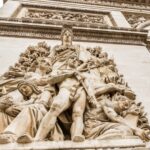
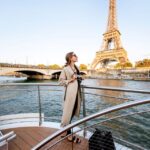
The Arc de Triomphe follows, along with a short Eiffel Tower stop. The tower visit does not include climbing, so you get photographs and an orientation rather than a summit view. If going up the Eiffel Tower is important, the schedule allows a choice later, but you need to confirm how that fits with the group timing.
At Les Invalides, you see Napoleon’s tomb. This is one of the tour’s best historical stops because it gives context to the monuments and wars that shaped France. The itinerary lists the Musée de l’Armée area, but attraction tickets are not included.
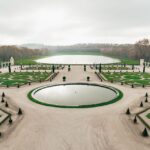
The afternoon goes to the Palace of Versailles. The former royal residence remained home to the French monarchy until the Revolution began in 1789. You will have a chance to see the palace area, though the listed time of about an hour is short for the rooms and grounds.
Optional Paris evening shows are available, adding another expense after a long day. I would choose one only if you still have energy. Otherwise, a simple dinner and an early night may serve you better.
Day 7: The Louvre, the Seine, and the Opera district

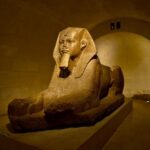
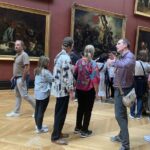
The final day begins with the Louvre. You can see famous works such as the Mona Lisa, Venus de Milo, and Winged Victory of Samothrace, but admission is not included.
The Louvre requires planning. Daily access is controlled, and a visit time is given as 1:00 to 2:00 p.m. If you strongly want to enter, book an official ticket online in advance. A guided gallery visit can help you cover major works efficiently, since the museum is too large to handle casually in a short window.
A Seine cruise is another optional choice. It offers views of Notre-Dame and Pont Alexandre III while giving your feet a rest. Since lunch, cruises, and most attraction tickets are extra, pick the one or two additions that matter most to you instead of trying to buy everything.
The afternoon takes you around Palais Garnier, Paris’s opera house, and Galeries Lafayette. You can shop at the department store or choose an optional French four-course dinner and show. This final choice lets you finish with either shopping or a more formal evening.
What the $934.34 price really covers
At $934.34 per person, the price is reasonable for a seven-day, five-country route if you value convenience. You receive six nights in comfortable 3-star hotels, six breakfasts, air-conditioned coach transport, a professional driver, and an experienced tour manager.
The number looks less complete once you add the extras. You pay for lunch, dinner, attraction entries, optional Rhine, canal, and Seine cruises, Paris evening entertainment, and the required gratuity of €10 per person per day. Visas, travel insurance, personal costs, and accommodation before the tour and on its final day are also outside the price.
The hotels may be in suburbs rather than city centers. That keeps the route practical, but it can make spontaneous evening walks and restaurant choices harder. Hotel details arrive only 24 to 48 hours before check-in, so you should not build detailed evening plans around a specific neighborhood.
The luggage limit is one piece up to 30 kilograms plus one small hand bag. Pack light enough to handle your own belongings during frequent hotel changes. A standard twin room is used, with a double bed available on request, but triple rooms are not arranged for groups of three.
Who should book this coach tour?
I would recommend it to first-time visitors who want an efficient introduction and prefer someone else to handle border crossings, hotels, and long-distance transport. It also suits solo visitors and couples who enjoy meeting a small group and can keep to firm departure times.
It is less suitable if you want extended museum visits, late nights, or several days in each city. Independent rail travel would give you more control, though it would require more planning and separate bookings.
The strongest parts are the variety, the compact group, the six included breakfasts, and the chance to see places that are awkward to combine in one short trip. The main weakness is the speed. You will often leave just as a city begins to feel interesting.
Should you book it?
Book this tour if your goal is to get a broad first look at Central Europe from a Paris base and you accept that each stop is a sample. Choose a spring departure if Keukenhof matters to you, and reserve Louvre entry early if it is high on your list.
Skip it if your ideal trip means lingering over cafés, spending half a day in one museum, or choosing your own hotels in central neighborhoods. For the right visitor, this is a useful route with a lot of ground covered. Just budget for extras, pack light, and treat the schedule as a brisk introduction rather than a deep visit.
FAQ
Where does the tour start and finish?
The tour starts and ends at Place d’Italie, Place d’Italie, 75013 Paris, France. The listed start time is 8:45 a.m.
Which countries does the tour visit?
The route travels through France, Luxembourg, Germany, the Netherlands, and Belgium before returning to Paris.
Are hotels and breakfasts included?
Yes. The tour includes accommodation in a comfortable 3-star minimum hotel with private facilities and six breakfasts. Hotels may be in suburbs, and details are provided 24 to 48 hours before check-in.
Are museum tickets and cruises included?
No. Attraction tickets and optional activities are extra. This includes the Louvre, Palace Garnier, Rhine cruise, Amsterdam canal cruise, Seine cruise, and optional Paris evening activities.
How much luggage can I bring?
Each passenger may bring one piece of luggage weighing no more than 30 kilograms and one small hand carry item, such as a purse, backpack, or camera bag.
Can children join the tour?
Children under 18 must travel with an adult. A twin room can hold two adults and one child aged 2 to 11, but the child does not receive a separate bed. Triple rooms are not arranged for groups of three.