REVIEW · PARIS
1h30 Orsay Masterpieces for adults – optional “families & kids”
Book on Viator →Operated by Paris in Tour · Bookable on Viator
Impressionism hits harder with a guide. This small-group Orsay tour, often led by guides like Cynthia or Damien, helps you move through the museum’s key works with clear context and just enough story to make the art stick. I especially like the calm, organized flow, and I love that you get face-to-face time with big-name paintings instead of racing for photos.
My second favorite part is how the guide tailors the talk for mixed ages, including teens and younger kids on the family-friendly option. One thing to consider: the tour price does not include the adult museum ticket (it’s free under 18), so you’ll want to budget for that extra €16 per adult and plan to arrive at the meeting spot near the elephant sculpture on time.
In This Review
- Key things that make this Orsay tour work
- Orsay in two hours: why the highlights format is smart
- Meeting at the elephant sculpture and skipping long lines
- The masterpieces you’ll see: Manet, Monet, Degas, and Van Gogh
- Manet’s Olympia: scandal made visible
- Monet’s Poppy Field: color and daring choices
- Degas’s Ballet Dancers: motion, posture, and observation
- Van Gogh’s Bedroom: personal story, not just style
- The story your guide tells: how art becomes a timeline
- Small group size, pace, and how families fit in
- Price and value: $144.82 plus the adult ticket
- Before you go: tickets, timing, and what to bring
- Should you book this Orsay Masterpieces tour?
- FAQ
- Is the Musée d’Orsay entrance ticket included for adults?
- How long is the tour?
- What group size should I expect?
- Where do I meet the guide?
- What language is the tour offered in?
- Does the tour work for families and kids?
- What if the tour doesn’t reach the minimum number of travelers?
- Do I need a ticket for the tour itself?
- Is there a fitness requirement?
Key things that make this Orsay tour work
- A max of 6 people keeps the pace human and the questions coming easy
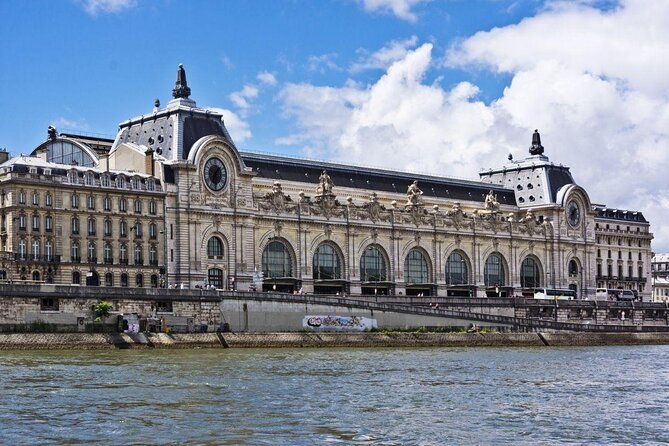
- Meeting at the elephant sculpture outside the museum helps you start in the right place fast
- Stories behind the masterpieces turn Impressionism from names on a wall into a timeline of change
- Guides like Cynthia, Damien, and Gabriel are consistently praised for keeping families engaged
- Two hours is a realistic hit list when you want the highlights without museum exhaustion
Orsay in two hours: why the highlights format is smart
The Musée d’Orsay is a big, gorgeous museum. It’s also the kind of place where it’s easy to get overwhelmed: too many rooms, too many styles, and your brain starts turning art into shapes instead of stories.
This tour aims for a practical goal: help you see the works people go out of their way to find, and understand why they mattered. In about 2 hours, you’re guided through a focused selection of major pieces tied to the rebellious energy of 19th-century art. That time box matters. It’s long enough for real looking, but short enough that you don’t leave cross-eyed and exhausted.
I like that the tour’s structure is built around your attention span. You don’t wander alone, guessing where to go. You follow a plan, and the guide gives you a reason to stop at each work. That makes the museum feel less like a checklist and more like a conversation.
You can also read our reviews of more tours and experiences in Paris.



Meeting at the elephant sculpture and skipping long lines
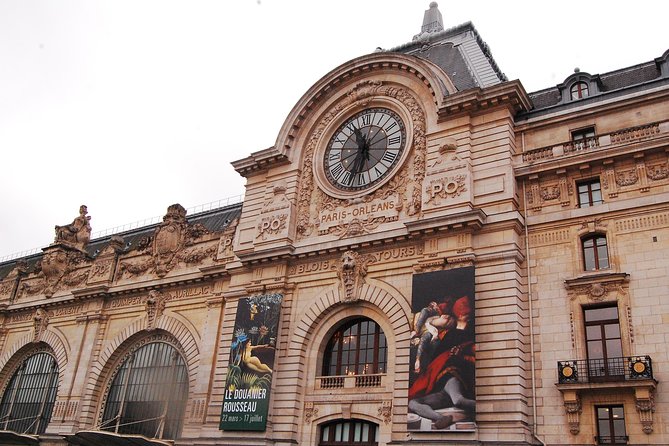
Your start point is just outside the museum, at the elephant sculpture near the entrance area. That detail seems small until you’re standing in Paris with a ticket email in your hand. The most important practical tip is simple: arrive a few minutes early and locate the elephant statue before your start time.
Once you’re with your guide, you’ll skip the long lines and get inside with less friction. The tour uses a mobile ticket, which can save time when you’re juggling phones, weather, and schedules. Also, the tour ends inside the museum rather than outside, so you can keep your sightseeing momentum without an awkward second meeting point.
One small consideration: if you’re traveling with kids or teens, make sure everyone knows the meeting point in advance. The elephant statue is the anchor. It prevents the classic Paris problem where everyone ends up waiting in the wrong square.
The masterpieces you’ll see: Manet, Monet, Degas, and Van Gogh
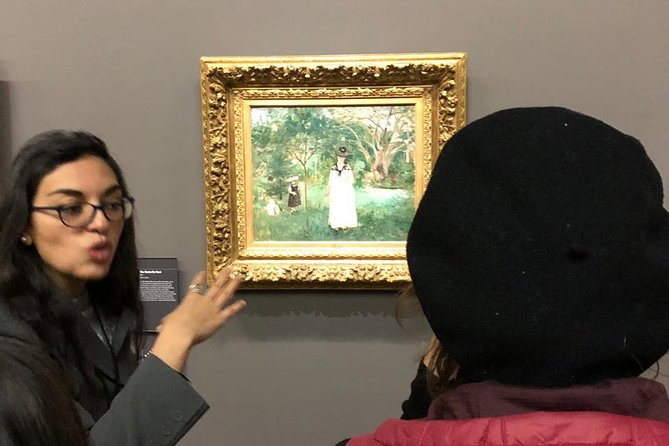
This tour focuses on the Orsay’s big names, but the smarter part is what the guide does with them. Instead of treating famous paintings like museum wallpaper, you get the life story and the artistic problem each painter was fighting to solve.
Here are the highlights you can expect to see as part of the tour’s key stop approach:
Manet’s Olympia: scandal made visible
You’ll get face-to-face with Édouard Manet’s Olympia, one of the paintings that helped spark outrage when it first appeared. The guide explains how this wasn’t just about a nude subject. It was about artistic rules that were being challenged in real time, in 19th-century Paris, when critics were quick to call new ideas crazy.
This is the kind of context that changes how you look. You stop thinking, That’s a famous painting, and start noticing decisions: the brushwork, the attitude, and what the artist refused to soften.
Monet’s Poppy Field: color and daring choices
You’ll also be steered toward Claude Monet’s Poppy Field. The tour frames it as part of the broader shift happening around Impressionism—artists experimenting with how light, color, and everyday scenes could be painted with a fresh kind of honesty.
In practical terms, the guide helps you look longer. You don’t just glance, you actually see why viewers then might have been thrown off by what felt new.




Degas’s Ballet Dancers: motion, posture, and observation
Edgar Degas’s ballet dancers are another anchor point. The guide helps you connect the subjects to the way Degas looked at people: posture, timing, and the split-second feel of movement.
If you have kids in your group, this is often a natural win because dance gives everyone something obvious to watch. Still, the best part is learning why the painting’s choices matter, not just that it shows dancers.
Van Gogh’s Bedroom: personal story, not just style
You’ll see Vincent van Gogh’s Bedroom, and the guide’s approach helps you understand it as more than a famous interior. You’re guided to notice what makes it emotional and personal, and you’ll hear how artists at the time were trying to gain recognition for work that didn’t match what was considered acceptable.
This kind of stop is great for teens. It often turns art into identity and struggle, not just aesthetics.
The story your guide tells: how art becomes a timeline
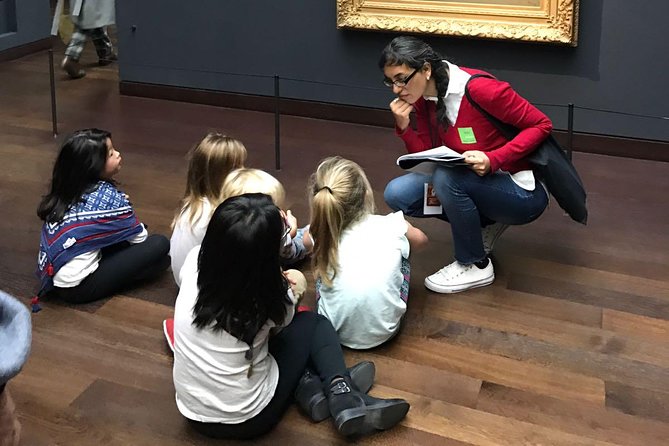
What really separates this tour from wandering the museum with an audio guide is the way the guide turns scattered rooms into a connected timeline.
The museum’s artists are linked by more than style. They shared a problem: how to make work that looked different from what critics expected. Guides on this tour use that throughline to explain why certain paintings triggered arguments, and how new artistic movements gained ground.
If you want an example of what that sounds like from the real-world feel of the tour: guides such as Cynthia and Gabriel are praised for making the Impressionist era understandable, with stories that help non-artists get it without feeling judged. That matters, because Orsay can be intimidating if you don’t know your way around art terms.
You’ll also likely experience a guided discussion rhythm, where the guide prompts you to think about what you’re seeing. Some guides even work hard to get teenagers to interact, which is no small task in a museum setting.
For families, this story approach is the difference between kids zoning out and kids asking questions. It’s also the difference between adults enjoying a museum and adults actually remembering what they saw later.
Small group size, pace, and how families fit in
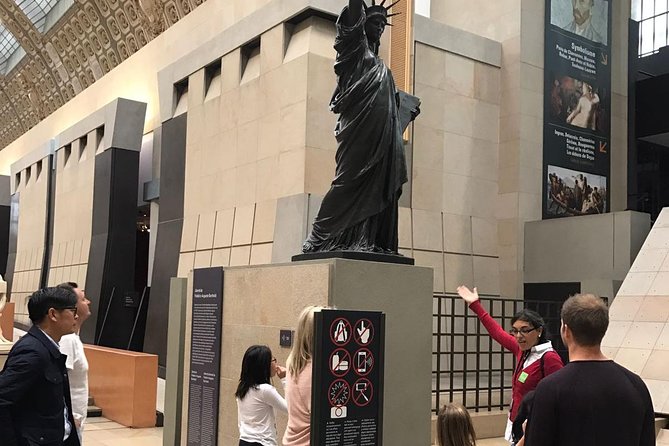
This is a maximum 6 travelers tour, with a minimum of 4. That small size keeps things flexible and makes it easier for the guide to adjust explanations based on who’s in front of them—adults who want depth, kids who need simpler hooks, and teens who need something that feels relevant.
The tour is offered as an option for families and kids when you book. The practical takeaway is that you’re not stuck in a lecture-only mode. Guides on this tour are described as entertaining and engaging, and they’ve been able to keep mixed-age groups focused for the full time.
The tour is around 2 hours and is described as having a moderate physical fitness level. That means you should be ready for normal museum walking and standing time, but it’s not framed as something extreme.
My advice for families: set expectations before you arrive. Tell kids they’ll see a handful of major paintings and that the guide will explain why they were controversial or important. When kids know it’s a story-driven highlights tour, they tend to cooperate better.
Price and value: $144.82 plus the adult ticket
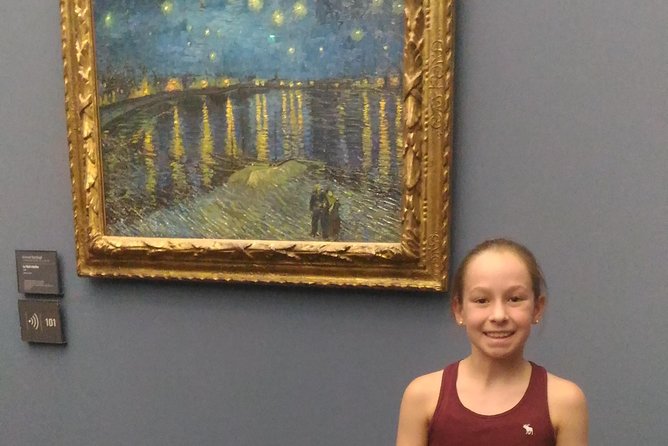
The listed price is $144.82 per person, for an experience about 2 hours long with a professional guide and live commentary. On top of that, the adult museum entrance fee is not included. Under 18 is free, and adults should plan for €16 per person.
So your true adult total is basically the tour price plus that €16 ticket. That may sound pricey until you look at what you’re buying:
- A guide who helps you choose the right works to see first
- Less time lost trying to figure out what matters most
- A small group size, which keeps the experience more personal
- Skip-the-line entry support, which can be a big deal at Orsay
If you’re the type who likes art but gets overwhelmed quickly, the value is strong. If you already know exactly which paintings you want and you’re comfortable wandering, you could save money by booking a self-guided visit. But if you want the museum to feel like a coherent story in a short time, the cost starts to look fair.
Also remember that the schedule flexibility can matter. If the minimum group size isn’t met, you’ll be offered another day or a cancellation with a refund. In plain language: you’re not taking a gamble that’s stuck, you get options.
Before you go: tickets, timing, and what to bring
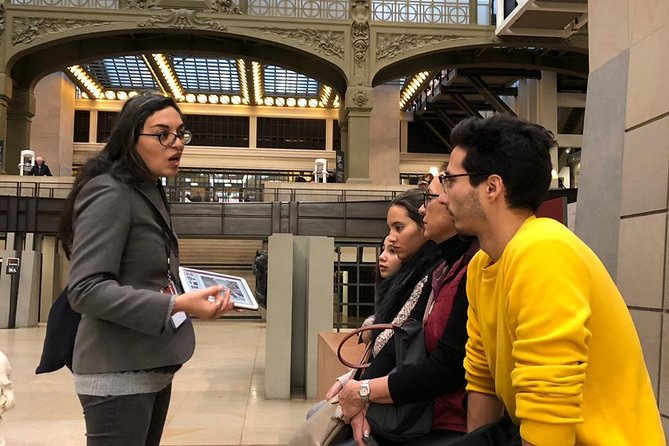
Here’s the simple checklist that makes this tour go smoothly:
- Buy your Orsay adult ticket ahead of time online, since admission is not included for adults
- Bring your mobile ticket for the tour
- Arrive early enough to find the elephant sculpture meeting point
- Wear comfortable shoes. You’ll spend time standing close to paintings
- If you’re traveling with kids, bring one small snack or water for after the tour. The visit is only about two hours, but kids still get hungry and you’ll thank yourself later
Language is English, so everyone should be able to follow the guide’s explanations without strain.
If weather is nasty, you might still be outdoors at the start. Paris is like that. Plan for a quick shelter and keep the meeting point clear.
Should you book this Orsay Masterpieces tour?
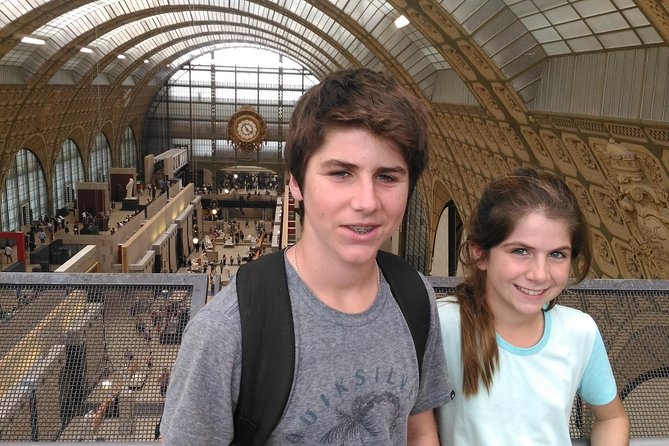
I’d book this tour if you want the Orsay experience without the stress of planning. It’s especially worth it when:
- You’re seeing Paris for the first time or you only have a short window
- You want to understand the Impressionist and Post-Impressionist shift, not just see famous paintings
- You’re traveling with kids or teens and need help keeping attention
- You prefer a small group pace over a loud, fast crowd
I might skip it if you already love studying art on your own and you’re happy reading wall labels and picking a route. Also, if you have mobility challenges beyond a moderate walking day, you should double-check whether the standing and moving around the museum will work for your group.
The bottom line: this tour is built for people who want maximum meaning per hour. You’ll walk in with names, and you’ll leave with reasons.
FAQ
Is the Musée d’Orsay entrance ticket included for adults?
No. The tour price does not include the admission fee for adults. Adults should plan to pay €16 per person for entry. Under 18 is free.
How long is the tour?
It runs for about 2 hours.
What group size should I expect?
This tour has a maximum of 6 travelers, and it requires a minimum of 4 people.
Where do I meet the guide?
Meet at Musée d’Orsay, 1 Rue de la Légion d’Honneur, 75007 Paris, at the elephant sculpture located just outside the museum.
What language is the tour offered in?
The tour is offered in English.
Does the tour work for families and kids?
Yes. The experience is ideal for families and children, and the entrance is free for kids under 18.
What if the tour doesn’t reach the minimum number of travelers?
If the minimum isn’t reached, the provider will notify you and either offer another date or cancel and refund you. This would be communicated before 48 hours.
Do I need a ticket for the tour itself?
You’ll receive a mobile ticket after confirmation at booking.
Is there a fitness requirement?
Yes. The tour is listed as having a moderate physical fitness level, so you should be comfortable with normal museum walking and standing.