REVIEW · BORDEAUX
Walking Tour in Bordeaux with Tastings and Stories
Book on GetYourGuide →Operated by Thats All Local · Bookable on GetYourGuide
Bordeaux reveals itself particularly well through small bites. This two-hour walking tour links pastries, wine, cafés, historic shops, and unusual corners between Porte Dijeaux and Porte Cailhau, so you get a taste of the city while learning how its residents see it.
I like the mix of sweet food and organic wine, and I like that the tour is led by people from Bordeaux rather than by a guide giving only a standard monument talk. Guides including Antoine, Clemence, and Aurélien have brought local stories and practical restaurant tips to the walk. The main consideration is time: two hours passes quickly, and this is a tasting stroll, not a full meal or a detailed tour of every major sight.
In This Review
- Key points to know before you book
- A food-first way to meet Bordeaux
- Starting under Porte Dijeaux
- Pastries, bakery stops, and Dunes Blanches
- The wine stop and the story behind the bottle
- Local cafés and practical city advice
- The quieter corners between the stops
- Ending at Porte Cailhau
- Is $56 a fair price?
- Which visitors will enjoy this most?
- Useful details before you go
- Should you book the Bordeaux tasting walk?
- FAQ
- How long does the Bordeaux walking and tasting tour last?
- Where does the tour begin?
- Where does the tour finish?
- What food is included?
- Is wine included?
- Which languages are available?
- Can children join the tour?
Key points to know before you book
- Dunes Blanches add a distinctly Bordeaux sweet stop to the route, alongside other pastry and café tastings.
- The route runs between Porte Dijeaux and Porte Cailhau, giving you a useful walk through central Bordeaux.
- Wine is part of the experience, with a glass of organic wine and an explanation of how it is made.
- Local guides add personal stories and food advice, with Antoine, Clemence, and Aurélien among the guides who have led the tour.
- At least three food stops are included, but extra food, drinks, and a full meal are not.
- The tour works best for curious walkers, since comfortable shoes are required and large bags are not allowed.
A food-first way to meet Bordeaux
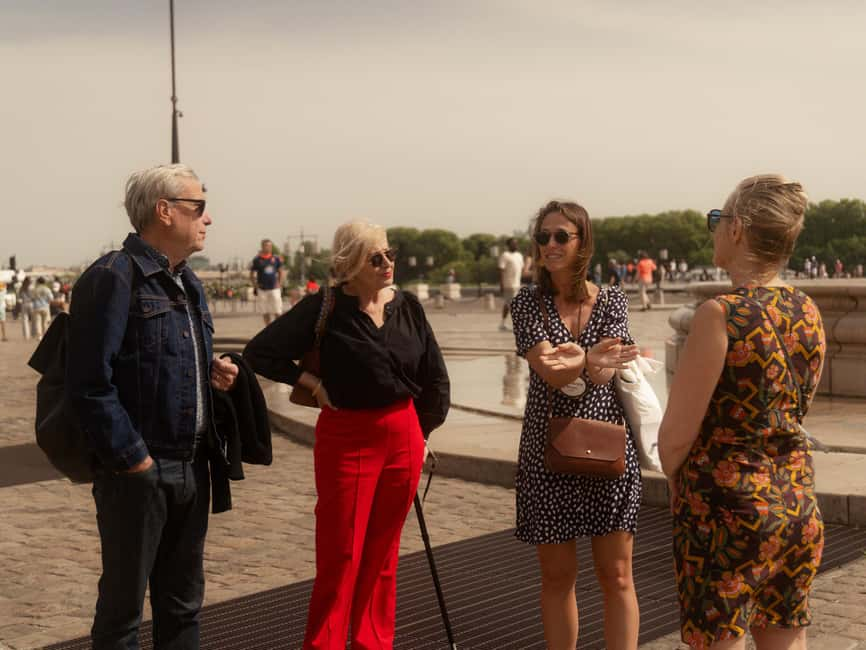
Many city walks ask you to admire façades, listen to dates, and keep moving. This one gives you something to taste at several points along the way. That makes the experience especially useful on your first day in Bordeaux, when you want a quick sense of local food, wine, and central streets without spending half a day in a formal museum.
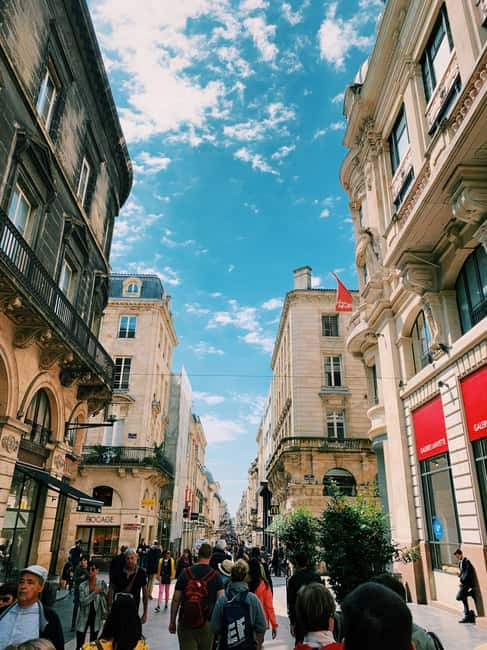
The walk begins at Porte Dijeaux and finishes at Porte Cailhau. Those two gates frame a useful section of the city, and the route also includes smaller places that can be easy to miss if you stick only to the main squares and famous monuments.
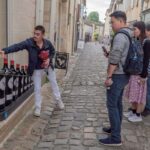
The guide’s role matters here. You are not simply handed a pastry and sent onward. The stops are paired with stories about Bordeaux, its shops, its food customs, and the places locals use. Clemence, for example, has kept the walk lively with funny local stories and conversation during the tastings. Antoine has also pointed out places worth returning to, including a coffee shop that one participant visited again the next morning.
That kind of advice can be more useful than another list of landmarks. You leave with ideas for lunch, coffee, and dinner, not just photos of the route.
You can also read our reviews of more walking tours in Bordeaux
Starting under Porte Dijeaux
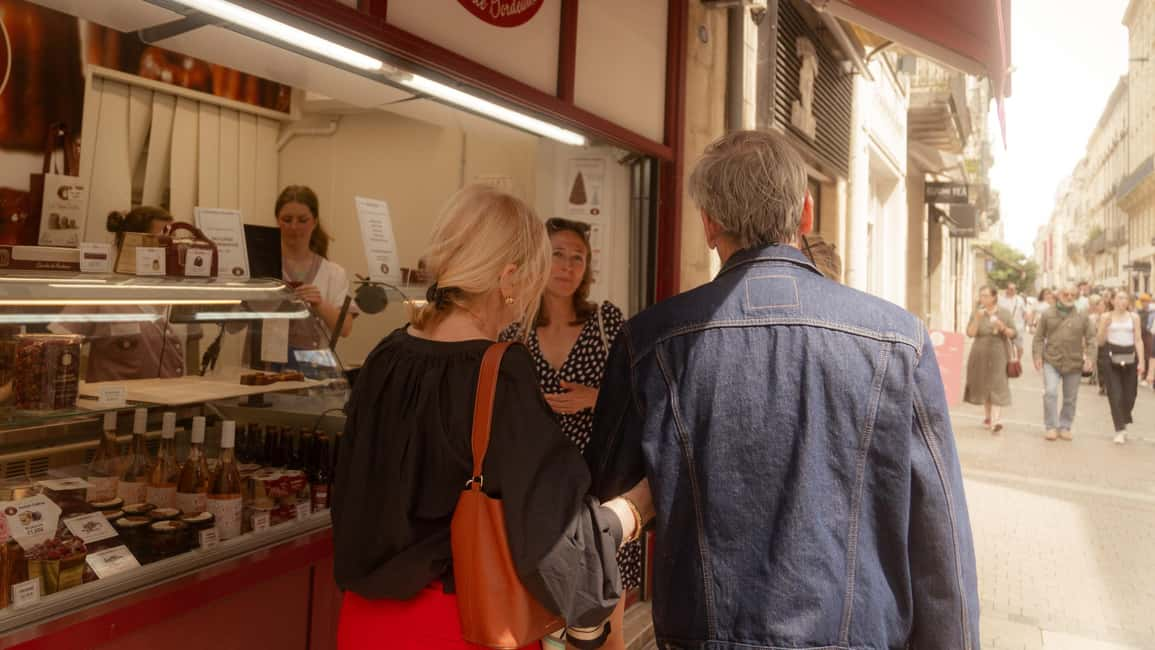
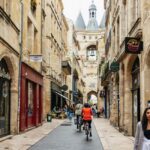
Meet beneath the arch of Porte Dijeaux, facing rue de la porte Dijeau. The wording matters, because meeting at a city gate can otherwise mean searching both sides of a busy passage. Arrive with enough time to find the arch and locate your guide.
Porte Dijeaux gives the tour a suitably local beginning. You are already in the historic center, but the point is not to spend the entire opening on a formal architectural lecture. Instead, the guide sets the scene and begins leading you through a mixture of known streets and quieter stops.
The tour includes several pass-by or sightseeing sections, each lasting around 20 minutes. These stretches give you time to walk, listen, and notice the city between tastings. They also prevent the experience from turning into a series of unrelated food samples.
Bring water and wear comfortable shoes. You will be walking through city streets for the full two hours, and the combination of standing, moving, and tasting is easier when you are dressed for a real walk rather than a quick café visit.
Pastries, bakery stops, and Dunes Blanches
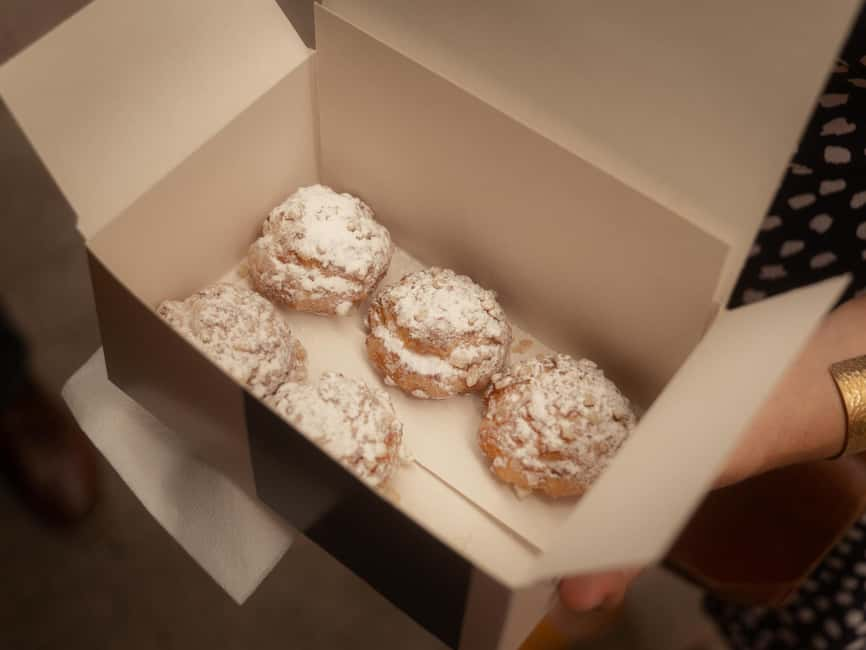
One of the first food-focused moments is a visit to a local bakery, with about 15 minutes set aside for tasting. This is a short stop, but it gives the guide a chance to explain what makes Bordeaux’s everyday baking worth noticing.
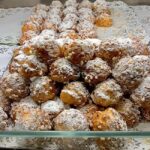
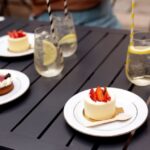
The tour also includes a sweet tasting of Dunes Blanches. These pastries are a special local treat and give the walk a clear Bordeaux identity. If you enjoy trying regional sweets, this is one of the more distinctive parts of the experience.
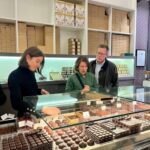
At another point, the route brings you to a local patisserie. The description allows for sweet treats there, but it does not promise a fixed list of pastries beyond the Dunes Blanches tasting. That is worth keeping in mind if you have a particular dessert in mind. The appeal is the chance to try what is selected for the tour and hear why the stop matters locally.
At least three food stops are included overall. The stops may be modest in size, so I would not book this as your lunch. Think of it as a guided tasting menu spread across the city, with time to enjoy each sample without sitting down for a long meal.
The wine stop and the story behind the bottle
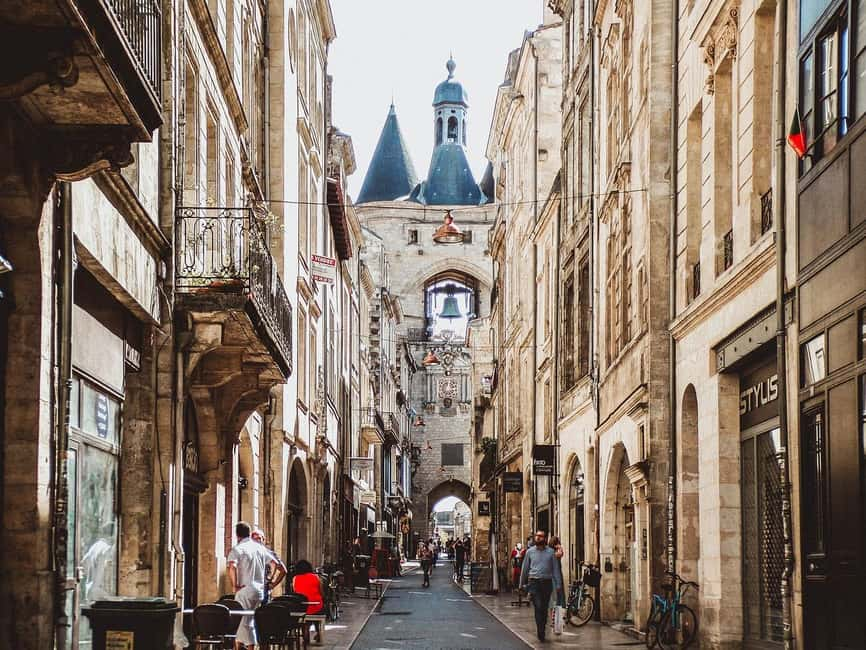
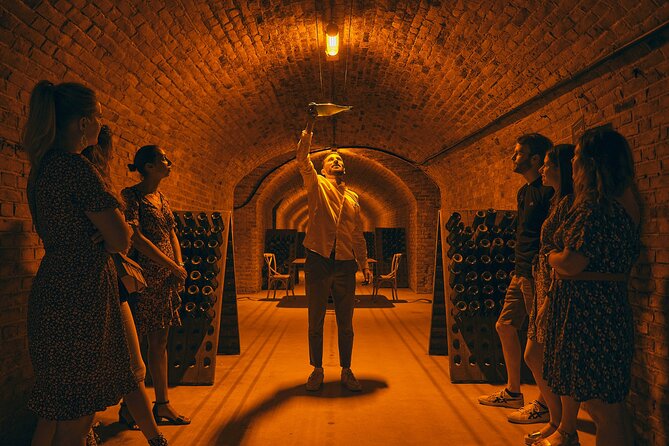
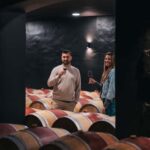
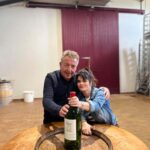
The winery portion lasts about 40 minutes, making it the longest single stop on the route. You receive wine and learn how it is made, with a focus on a high-quality organic wine.
That extra time gives the wine tasting more purpose than a quick pour. You can ask questions, listen to the guide’s explanation, and connect the drink with the wider Bordeaux region. The experience does not list a specific estate, grape, or vintage, so you should not expect a technical tasting built around a named producer. It is better understood as a friendly introduction to local wine and organic production.
I like this balance. Bordeaux is so closely tied to wine that a city food tour without a wine stop would feel incomplete. At the same time, the walk does not turn into a long vineyard excursion. You stay in the city and still get a clear explanation of how the wine is produced.
The wine portion may be less suitable for someone who does not drink alcohol, since wine is included and the tour’s food stops are built around it. The supplied details do not specify a nonalcoholic substitute, so contact the provider before booking if that matters to you.
Local cafés and practical city advice
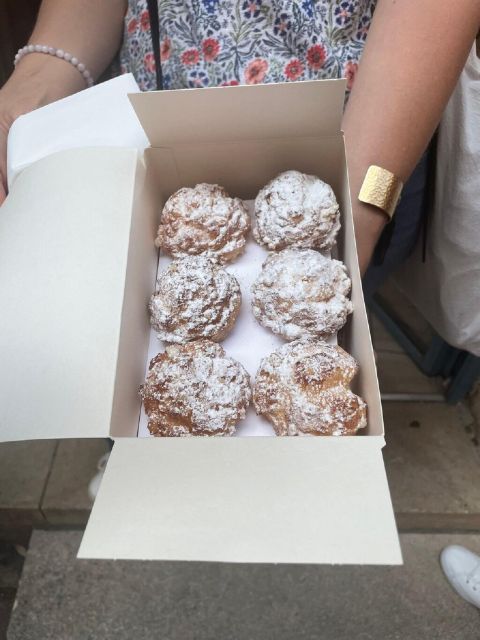
The final food-focused stop is a local café, with about 40 minutes listed for tasting. This is a generous portion of the tour and should give you more time for conversation than the short bakery stop.
The café setting also changes the pace. After walking through streets and stopping at shops, you can pause and talk with the guide while sampling local fare. This is where the tour can feel most personal. Clemence has used the food stops for easy conversation, and Antoine has given useful suggestions for places to return to later.
You can ask about dining in Bordeaux, but remember that any additional food or drinks are at your own cost. The included tastings are part of the $56 price, while the activity does not include a full meal or extra café orders.
For many visitors, this practical advice may be the best value in the final stop. You are not just learning what to eat once. You are building a short list of places to revisit during the rest of your stay.

The quieter corners between the stops
The route includes several secret or lesser-known stops, described as unusual places, historic boutiques, and corners that local residents know better than first-time visitors. The exact sites can vary or are not fully specified, so you should not book this expecting a fixed checklist of named attractions.
That flexibility is part of the point. A guide can use the route to show you small details that would be easy to walk past on your own. You might notice a shopfront, a passage, or an unusual bit of city character that does not appear in a standard sightseeing plan.
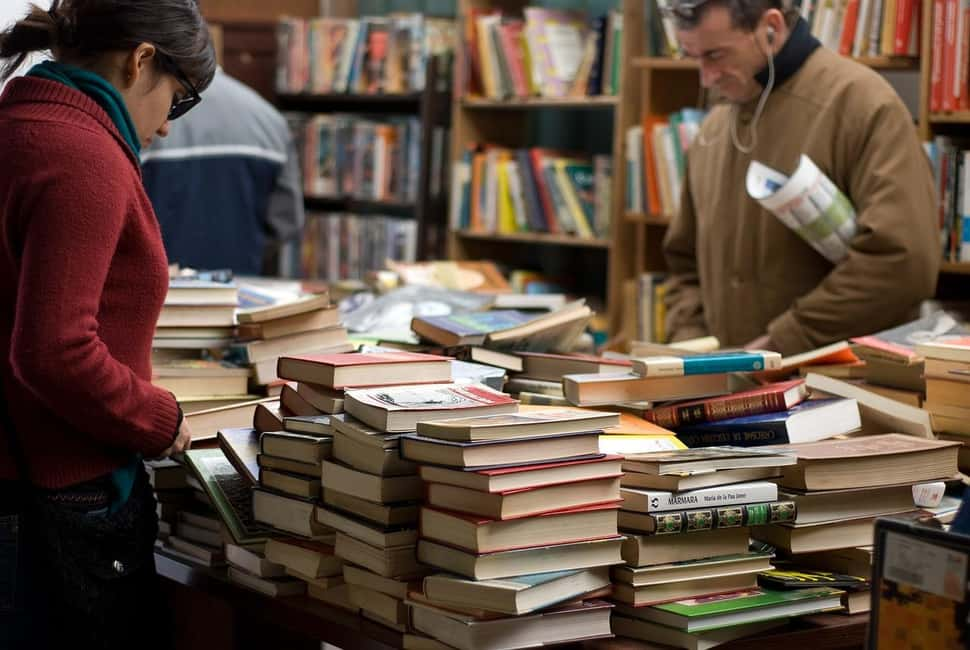
The tour also includes one of France’s iconic libraries. The available details do not name the library or state whether you enter it, so treat this as a sight encountered during the walk rather than a guaranteed interior visit. It adds cultural range to an experience otherwise centered on food and wine.
The balance works well: famous Bordeaux themes provide the structure, while the smaller stops keep the walk from feeling like a basic postcard tour.
Ending at Porte Cailhau
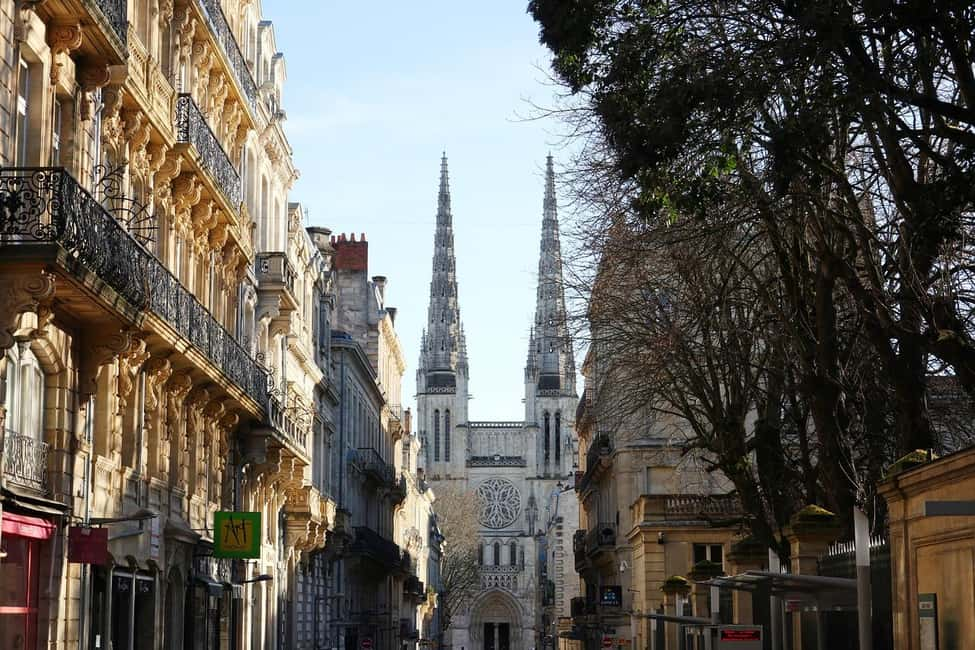
The experience finishes at Porte Cailhau, another major city gate. Ending here gives you a natural point from which to continue sightseeing, take photos, or head toward another meal.
The finish also makes the tour useful as an orientation walk. You begin near Porte Dijeaux and end in another part of central Bordeaux, with food stops and local recommendations along the way. Since hotel pickup and drop-off are not included, plan to make your own way to the starting point and onward from the finish.
No transportation is involved in the tour itself. That keeps the experience simple and makes the two-hour length easy to fit into a day of sightseeing. It also means you should account for your own travel time before and after the route.
Is $56 a fair price?
At $56 per person, the price is reasonable if you would otherwise pay separately for several tastings and a guided city walk. You receive a local guide, at least three food stops, and wine, along with stories and advice that can help shape the rest of your visit.
The value depends on what you want from a food tour. If you are looking for a large meal, numerous wine samples, or a long technical lesson, this will probably feel light. If you want a compact introduction to Bordeaux’s pastries, cafés, wine, and central streets, the price makes more sense.
The two-hour format is another value point. You are not committing an entire morning or afternoon, and you can use the rest of the day for museums, markets, or a longer meal. The tradeoff is that each stop gets limited time, especially the 15-minute bakery visit.
The tour includes food and wine, but not extra orders or meals. Keep a little room in your budget if you expect to buy additional pastries, coffee, or drinks at the stops.
Which visitors will enjoy this most?
I would choose this tour if you are visiting Bordeaux for the first time and want local orientation with something to eat. It is also a good fit if food helps you remember a place better than a list of dates and architectural terms.
It suits couples, friends, and solo visitors who enjoy conversation with a guide. The guides speak English or French, and the personal approach reported from Antoine, Clemence, and Aurélien suggests that the experience can feel conversational rather than scripted.
Families should note that children under five can join free. Still, the tour includes walking, wine, and several tasting stops, so parents should decide if that rhythm works for their children. Pets are not allowed, and luggage or large bags are not permitted.
This is not the best pick if you need a fully specified route with every stop named in advance. Several locations are presented as secret or local stops, and the exact character of those places is part of the experience.
Useful details before you go
The meeting point is under the Porte Dijeaux arch, looking toward rue de la porte Dijeau. Wear comfortable shoes and bring water. Leave large bags and luggage elsewhere, since they are not allowed, and pets cannot join the tour.
The tour runs for two hours, but the available start times depend on the date. Check the schedule before booking. If the minimum number of participants is not reached, the provider may reschedule the tour.
You can cancel up to 24 hours before the start for a full refund. The reserve-now-and-pay-later option also lets you hold a place without paying immediately, which is useful when your Bordeaux plans are still shifting.
Should you book the Bordeaux tasting walk?
Book it if you want a short, social introduction to Bordeaux that combines pastries, Dunes Blanches, a café stop, local stories, and organic wine. The strongest reason to go is the guide-led access to places and advice you may not find on your own.
Skip it if you want a full meal, a serious wine course, or a complete architectural tour. For most food-curious visitors, though, $56 buys a useful first look at the city, plus several ideas for what to eat and where to go next.
FAQ
How long does the Bordeaux walking and tasting tour last?
The tour lasts two hours.
Where does the tour begin?
Meet under the arch of Porte Dijeaux, facing rue de la porte Dijeau.
Where does the tour finish?
The tour finishes at Porte Cailhau.
What food is included?
At least three food stops are included. The experience includes a local bakery tasting, sweet treats such as Dunes Blanches, and a local café tasting.
Is wine included?
Yes. Wine is included, including a tasting of organic wine with an explanation of how it is made.
Which languages are available?
The live guide speaks English or French.
Can children join the tour?
Children under five can join for free. Pets are not allowed, and luggage or large bags cannot be brought on the tour.