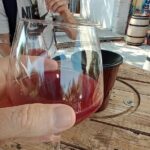
REVIEW · FRANCE
Visit and Tasting, The secrets of Haut-Armagnac
Book on Viator →Operated by Domaine d'Arton · Bookable on Viator
Armagnac has a hidden corner. At Domaine d’Arton near Lectoure, you’ll get a focused, small-group visit to Haut-Armagnac with an English guide and tastings built around the estate’s own vines. I like that it goes beyond trivia and shows you how Armagnac is grown, aged, and actually tasted in context.
What I really enjoyed was the pairing of place and process: a walk through the vineyards (with the estate’s grape varieties and terroir), then a look at aging cellars—dry and wet—before you taste the range, from the signature blend to younger vintages. I also appreciated the estate’s environmental approach and the explanation of the Genodics technology (healing the vines through music), which is different enough to make you pay attention.
One possible catch: the tasting is clearly centered on Armagnac and the estate’s Fine Blanche dry white, not a broad wine buffet. If you’re hoping for a big red-wine tasting angle, you may find it’s not always part of the planned visit, and you’ll want to let the guide know your preferences.
In This Review
- Key highlights you’ll remember from Haut-Armagnac secrets
- Haut-Armagnac at Domaine d’Arton: why this corner of Gascony feels special
- Your 2-hour game plan: the stops that actually explain the spirit
- 1) Private gardens and estate history: get your bearings fast
- 2) Guided vineyard walk: terroir + 8 grape varieties
- 3) Genodics technology: healing vines through music
- 4) Cellars of aging: dry vs wet (and why it matters)
- 5) The tasting: Armagnac range + Fine Blanche® + local pairings
- What’s behind the “secrets” label?
- Rarity: why Haut-Armagnac matters
- Aging room differences you can taste
- Genodics: a modern vineyard story
- The guides: what you should expect from the storytelling
- Price and value: what $38.53 buys you in real time
- Who this tour suits best (and who might want a different day)
- Quick tips so you enjoy every stop
- Should you book The secrets of Haut-Armagnac at Domaine d’Arton?
- FAQ
- How long is The secrets of Haut-Armagnac?
- What does the tasting include?
- Is this tour offered in English?
- How big is the group?
- Where does the tour start?
- Can most travelers participate?
Key highlights you’ll remember from Haut-Armagnac secrets

- Rarity with a reason: Haut-Armagnac is only about 5% of total Armagnac production, tied to the post-phylloxera replanting story.
- Vineyard walk + real terroir talk: you’ll get oriented on the estate’s terroir and 8 grape varieties.
- Genodics, explained plainly: see how the estate discusses healing vines through music.
- Cellars you can actually picture: visit both the dry cellar and the wet cellar for aging.
- A tasting with range: sample the estate’s Armagnacs plus their Fine Blanche® and local product pairings.
- Small group feel: capped at 20 travelers, so questions don’t vanish into the back row.
Haut-Armagnac at Domaine d’Arton: why this corner of Gascony feels special

If you’ve been to classic wine regions, you know the usual rhythm: vines, a quick cellar stop, and then a tasting that mostly stays generic. This one has a different vibe because Haut-Armagnac itself is uncommon—and the estate leans into that. Haut-Armagnac disappeared after phylloxera, and that loss is part of why it’s still rare today (around 5% of total Armagnac production). The Montal family helped replant there in 1991, and Domaine d’Arton is part of that modern restoration story.
I like that the visit frames Armagnac not as some dusty spirit, but as cultural wine heritage. The estate position is clear: Armagnac belongs to wine culture, and you see that in how the guide talks about vines, grape varieties, and aging conditions.
This matters for you because the tasting makes more sense when you understand what’s happening before the glass. Instead of just sipping, you get a mental map: vineyard → aging room → aroma and style in your cup.
You can also read our reviews of more food & drink experiences in France

Your 2-hour game plan: the stops that actually explain the spirit

This experience runs about 2 hours and wraps back at the start point at Château Arton, domaine d’arton, 32700 Lectoure, France. It’s designed as a tight loop: gardens and history first, then vineyards and viticulture, and finally the aging cellars and tastings. With a maximum of 20 travelers, it usually feels more like a guided conversation than a lecture.
1) Private gardens and estate history: get your bearings fast
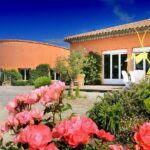
You begin with access to private gardens and a discovery of the estate—its history and the secrets behind the property. This opening is more than pretty scenery. It sets the tone for how the estate explains Haut-Armagnac: place-based, not sales-based.
Practically, this is where you’ll start picking up the names and ideas that show up later—how the estate views Armagnac and what they consider important in production. If you like tours that help you follow a storyline, this start helps you connect the dots.
2) Guided vineyard walk: terroir + 8 grape varieties
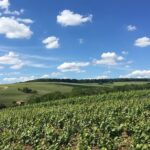
Next comes a guided walk through the vineyards. You’ll learn about the estate’s 8 grape varieties and Haut-Armagnac terroir. The point isn’t to memorize every grape like it’s a quiz. It’s to notice how the guide links varieties and site to the final styles you taste.
This is also where you’ll hear about the estate’s environmental approach. Even without technical details, you’ll feel the message: their viticulture choices aim to improve the vines over time, not just chase short-term yields.
3) Genodics technology: healing vines through music
After the vineyard segment, the tour explains Genodics technology—healing the vines through music. It’s one of those topics that could sound like marketing if it’s dropped at the tasting counter. Here, it’s explained as part of the estate’s broader viticulture philosophy, so it lands better.
If you enjoy science-meets-farming ideas, don’t tune out during this stop. It’s the most modern-feeling part of the visit, and it adds variety to a tour that could otherwise be only traditional.



4) Cellars of aging: dry vs wet (and why it matters)
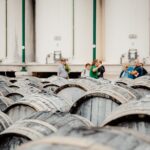
Then you shift from outdoors to underground: the aging cellars. You’ll visit both:
- a dry cellar
- a wet cellar
That dry/wet split is not just a tour-brochure detail. It’s the kind of environment difference that can influence how spirit matures. Even if you don’t catch every technical term, you’ll understand the intent: the estate pays attention to aging conditions and wants you to taste those effects later.
5) The tasting: Armagnac range + Fine Blanche® + local pairings
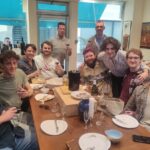
The tasting is where the whole visit pays off. You’ll get a commented tasting that includes:
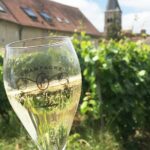
- the estate’s dry white wine, Fine Blanche®
- an Armagnac tasting range spanning signature blends to young vintages
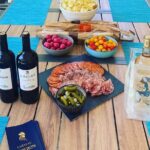
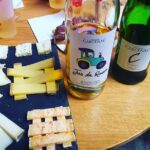
- plus local products paired with the selection of Armagnacs
This is a key value point. For $38.53 per person (about 2 hours), you’re not just sampling one thing. You’re given enough variety to start noticing style differences—something that’s hard to do if the tour is just one glass and a goodbye.
Also, the tasting is explicitly from the estate’s own vines, which keeps the experience coherent. You’re tasting a single “world,” not random products from across a region.
What’s behind the “secrets” label?

The estate’s “secrets” aren’t supernatural. They’re production choices and small details that shape style—things you can taste once you know to look for them.
Rarity: why Haut-Armagnac matters
Because Haut-Armagnac was lost after phylloxera and later replanted, it carries a different sense of continuity and comeback. That history helps explain why the estate treats this area with care—and why the tour feels like a living project, not a static museum.
Aging room differences you can taste
Dry and wet cellars give you a built-in comparison. Even if your palate is still learning, you’ll likely notice contrasts in how the spirit presents itself in the glass—aroma intensity, texture, and the way flavors linger.
Genodics: a modern vineyard story
Whether you fully buy into the music-and-vines concept or just find it fascinating, it adds a fresh angle. The lesson for you: this estate is trying to keep Armagnac culture moving forward, not stuck in old patterns.
The guides: what you should expect from the storytelling
Your host is part of the experience. Names that have led tours here include Didier, Lili, Sophie, and Lorraine, and the common thread is clear: they mix history, practical vineyard details, and a guide-to-tasting explanation.
Here’s my practical advice: if you care about a specific style—dry, aromatic, or smoother profiles—say it early. The tasting is commented, so a bit of guidance from you can shape what the guide highlights in your glasses.
Also, one small caution shows up in the experience description: some guests note the guide’s speech can feel a little vague or less structured. If you’re the type who likes clear step-by-step pacing, just know the tour may be more conversational than strictly timed.
Price and value: what $38.53 buys you in real time
At $38.53 per person for about 2 hours, this works out as good value if you want more than a quick sip. You’re paying for:
- a guided estate and vineyard walk
- access to gardens and discovery of the property
- a vineyard-viticulture explanation (including Genodics)
- cellar visits (dry and wet)
- a commented tasting of Fine Blanche® plus multiple Armagnacs
- pairing with local products
If your ideal tour is a short, production-focused experience where you leave with a clearer palate and better vocabulary for Armagnac, this price feels fair. If you’re mainly curious about a scenic stop and a single drink, you might compare it against simpler tastings and decide whether you want a cheaper, less structured option.
Who this tour suits best (and who might want a different day)

This is a strong match if you:
- like spirits and want the story behind them, not just the final pour
- enjoy guided tastings where you compare styles
- want a small-group experience (max 20)
- will appreciate environmental and vineyard technology context, even if you don’t obsess over the science
It’s less ideal if you:
- only want a broad wine tasting (this centers on Armagnac and Fine Blanche®)
- get impatient with a conversational style of explanation
Quick tips so you enjoy every stop

- Show up ready to taste: plan to take your time. Tastings work best when you’re not rushing the glass.
- Ask at the cellar: dry vs wet is the kind of comparison that makes a tasting easier later.
- Bring curiosity, not a checklist: the tour works best when you let the guide build the narrative—then you taste inside that story.
- If red wine is your priority, ask early: the tasting lineup is centered on Armagnac and Fine Blanche®, so you’ll want clarity on what’s possible.
Should you book The secrets of Haut-Armagnac at Domaine d’Arton?
I’d book it if you want a compact, high-information Armagnac experience in Haut-Armagnac—especially if you’re curious about why this area is rare and how the estate ties terroir, aging conditions, and modern vineyard practices into what’s in your glass.
Skip it (or consider a different format) if you’re hunting for a wide-ranging wine itinerary or expect a red-wine focus. Also, if you hate tours where explanations can feel a bit freeform, ask about how the tasting will be structured for your group.
Bottom line: this is a solid pick for anyone who wants Armagnac culture explained with enough structure to guide your tasting, and enough variation to make the bottles feel meaningful.
FAQ
How long is The secrets of Haut-Armagnac?
It lasts about 2 hours.
What does the tasting include?
You’ll taste the estate’s Fine Blanche® dry white wine and a range of Armagnacs from the estate’s vines, plus local products paired to the Armagnacs.
Is this tour offered in English?
Yes. It’s offered in English.
How big is the group?
The tour has a maximum of 20 travelers.
Where does the tour start?
It starts at Château Arton, domaine d’arton, 32700 Lectoure, France and ends back at the meeting point.
Can most travelers participate?
Yes, most travelers can participate. Confirmation is received at booking time.