REVIEW · MARSEILLE
Two intensive days discover exceptional wines of the Rhône valley
Book on Viator →Operated by OohProvence · Bookable on Viator
Wine country, minus the hassle. This private two-day Rhône Valley plan is built around cellar visits and hands-on time with winemakers, plus a side of Avignon’s UNESCO sights. I like that you get a tight sequence of appellations without needing to plan driving, and I also like the three-course lunch with wine pairing at a family-run restaurant. One possible drawback: at about $1,560.31 per person, this is a premium, structured day, so expect a packed schedule and a fair amount of time in the vehicle.
You can pick morning or afternoon tour timing, and the comfort details are practical: air-conditioned SUV, bottled water, and a planned coffee or tea break. If your guide is Christopher Curtis (a name that shows up again and again in the program’s feedback), you’ll likely get a friendly, conversational style and solid recommendations for where to eat next.
In This Review
- Key highlights at a glance
- What Two Days in the Rhône Valley Actually Feel Like
- Price and Value: What Your $1,560.31 Per Person Really Covers
- Stop-by-Stop: Châteauneuf-du-Pape and the Art of the First Impression
- Gigondas: A Tiny Appellation with a Big Personality
- Vacqueyras in the Middle of the Action
- Lirac and Tafel: When Lesser-Known Regions Pay Off
- Where Avignon Fits: Palais des Papes and Pont d’Avignon
- Meals, Breaks, and the Comfort Stuff You’ll Thank Yourself For
- Who This Tour Is Best For (and Who Should Consider Another Option)
- Should You Book This Rhône Valley Wine and Avignon Experience?
- FAQ
- How long is the Rhône Valley wine tour?
- Where can pickup happen?
- What time does the tour start?
- What wine stops are included?
- What’s included with meals and breaks?
- Is it suitable as a shore excursion from the Marseille port?
Key highlights at a glance
- Private, just-your-group format with an air-conditioned SUV and pickup from your lodging
- Cellar-focused wine visits in Châteauneuf-du-Pape, Gigondas, Vacqueyras, and Lirac
- Included meals that don’t feel like an afterthought, including lunch with wine pairing
- Avignon UNESCO stops like the Palais des Papes and Pont d’Avignon
- Admission marked free for the wine visits, plus coffee/tea and bottled water included
What Two Days in the Rhône Valley Actually Feel Like

This tour is for people who want results fast. Two intensive days means you’re not doing one quick tasting stop and then calling it a trip. Instead, you move through four Rhône appellations—Châteauneuf-du-Pape, Gigondas, Vacqueyras, and Lirac—each built around winery visits and tastings.
That structure matters because Rhône wine regions can be tricky on your own. You can easily end up with random stops and long dead-end drives. Here, the point is that someone handles the flow: you’re picked up, you get into the car, you’re dropped at the next place, and the day stays moving.
The other thing you’ll notice is the balance between wine and context. The headline is wine-country immersion, but the itinerary also lines up with Avignon’s big sights, including UNESCO-listed landmarks. That combo helps the day feel like more than just tastings—it becomes a sense of place: wine, town, and history stitched together.
If you’re the type who loves details, you’ll have a lot to chew on. If you prefer quiet freedom and long unguided breaks, you might find the pace intense.
You can also read our reviews of more wine tours in Marseille
Price and Value: What Your $1,560.31 Per Person Really Covers

Let’s talk money with clear eyes. $1,560.31 per person is not a bargain. But it doesn’t read like a stripped-down tour either.
Here’s what you’re paying for that changes the experience:
- Private group tour: you’re not fighting for space in a crowded bus, and the schedule is built around your group.
- Door-to-door pickup from Marseille and nearby towns (including Aix-en-Provence, Avignon, Arles, St Rémy de Provence, Lourmarin, and Gordes).
- Air-conditioned SUV plus bottled water throughout the day.
- Lunch included both days: three-course lunch with water & coffee, plus wine pairing with each course.
- Coffee or tea break built into every visit.
- Admission tickets show as free for the winery stops listed in the plan.
So the value isn’t just the wine. It’s also the logistics—transport, timing, meals, and the fact that the tour is designed to keep you moving efficiently across multiple appellations.
One honest consideration: because lunch and tastings are included, you’re giving up some flexibility. You’ll be following the plan rather than wandering off for last-minute detours. For wine lovers who want a focused, well-fed, no-driving-needed day, the pricing makes more sense.
Stop-by-Stop: Châteauneuf-du-Pape and the Art of the First Impression

Châteauneuf-du-Pape sets the tone. This is the kind of appellation that’s famous for a reason, and the tour treats it that way with a full four-hour block.
What’s special here is the way the day is structured:
- you meet the wine makers
- you visit the cellars
- you’re meant to pick up the logic behind the appellation—those behind-the-scenes secrets that make the region stand out
I like this first stop because it acts like your “training wheels.” After Châteauneuf-du-Pape, the other appellations you visit later feel less random. You’re better able to notice differences because you’ve learned the basics of how these producers talk about their approach and how cellar visits translate into taste.
A small practical point: a cellar visit is usually more about experience than scenery. Plan to dress comfortably and be ready for a slower, quieter pace in the winery environment. If you’re expecting only bright, outdoor photo moments, you might be slightly surprised by how much time is spent tasting and touring inside.
Gigondas: A Tiny Appellation with a Big Personality
Next up is Gigondas, described as a tiny appellation in the heart of the lower Rhône valley. You get another full four hours, and the format stays consistent: vineyard selection, wine tasting, cellar discovery, and time to meet wine makers.
Why Gigondas is such a smart pairing after Châteauneuf-du-Pape is that it gives you a change of scale. Going from a famous name to a smaller one helps you focus on what you’re actually tasting and hearing, instead of getting stuck on labels.
What I also like about Gigondas in this plan is that it’s not treated like a quick checkbox. The tour gives it real time, including cellars and tastings, so you can compare apples to apples—producer experience to producer experience—rather than just “this place tasted different.”
If you have a strong preference for one style of tasting (for example, more talk vs. more time with the glass), you may want to communicate that early to your guide. In a private format, small preferences can matter.
Vacqueyras in the Middle of the Action

Vacqueyras is positioned here as a small area tucked in the lower Rhône valley, in the center of Châteauneuf-du-Pape. You’re visiting multiple wineries, meeting the wine makers, and sampling wines, again with four hours devoted to the stop.
This part of the tour is useful if you want variety without jumping too far geographically. Since Vacqueyras is close enough in the region to keep logistics smooth, you can focus on the wine differences and producer approach rather than losing the day to travel.
Practical tip: pace yourself during tastings. With four winery stops across two days, it’s easy to get overwhelmed if you go into each tasting trying to remember every bottle detail. Instead, decide what you’re listening for: aroma impressions, how the wine changes in the glass, and how the producer talks about their methods.
Vacqueyras is also a nice “middle course.” You’ve set context at Châteauneuf-du-Pape, tested the small-appellation shift with Gigondas, and now you get another layer that helps the whole journey feel progressive, not repetitive.
Lirac and Tafel: When Lesser-Known Regions Pay Off

The final listed wine stop is Lirac, another lower Rhône appellation with visits and wine tasting at vineyards. The tour also specifically mentions the Tafel appellation, known for interesting and diverse rosé wines.
I like placing Lirac last for one big reason: it gives you a chance to reset your palate and broaden your thinking. After three stops focused on established Rhône names and tight cellar tours, you end with a region framed as lesser-known. That’s where you can find personal favorites that don’t feel pre-selected by hype.
Also, rosé included in the conversation is a helpful contrast. Even if you don’t consider yourself a rosé person, having it show up at the end means you’re not locked into one idea of what Rhône wine is supposed to be.
One consideration: because you finish with tastings at multiple wineries, you’ll want to stay hydrated. This is where the included bottled water helps, but your own pacing matters too—especially if you plan to keep exploring Avignon afterward.
Where Avignon Fits: Palais des Papes and Pont d’Avignon

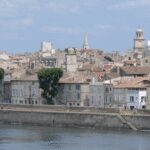
Even though the day is built around wine country, the plan also includes time in Avignon for key attractions, including UNESCO-listed sights such as the Palais des Papes and Pont d’Avignon.
Here’s why I think this pairing works: Avignon helps you frame what you’re tasting. The Palais des Papes isn’t a random stop—it’s one of the places where you can feel the weight of power, wealth, and politics in a compact area. Then you step from that built environment into the Rhône countryside, where wine is often tied to land, tradition, and labor.
From past feedback about the Avignon portion, the approach can be conversational and connected to street-level details—not just a big building checklist. Some versions of the route have included a start near Les Halles d’Avignon and a walk through historic lanes linked to the city’s textile past, before turning to the Palais des Papes.
One note from a mixed review: one participant felt the guide’s presentation wasn’t their style and included comments they found off-putting. That doesn’t mean it’s typical, but it does suggest a good strategy: if you prefer strictly neutral facts, ask your guide upfront how they handle interpretation and opinions during the walk.
Meals, Breaks, and the Comfort Stuff You’ll Thank Yourself For

This is one of those tours that quietly gets the details right.
Each of the two days includes:
- three-course lunch at a family-owned local restaurant
- wine pairing with each course
- water and coffee with lunch
In wine country, food can either be a distraction or a highlight. Here, lunch is treated as part of the experience, not a rushed stop. That matters because pairing can help connect what you’re tasting at lunch with what you’re tasting at the wineries. Even if you don’t fall in love with every pairing, you’ll learn your own preferences.
You also get:
- a planned coffee and/or tea break during visits
- chilled bottled water throughout the day
Those are small things, but in a two-day, four-stop structure, they keep the whole day from turning into a sugar crash and caffeine chase.
Finally, the SUV with air-conditioning is a real quality-of-life upgrade, especially if weather is warm. Long drives in Provence heat can drain your enthusiasm fast; here, at least you’re protected on the road.
Who This Tour Is Best For (and Who Should Consider Another Option)

This private Rhône valley tour is a strong match if you:
- want to focus on wine without the stress of planning drives and winery schedules
- like meeting winemakers and spending real time in cellars
- enjoy structured days with included meals and tastings
- want a side of Avignon’s UNESCO landmarks without figuring out how to stitch everything together
It’s less ideal if you:
- want lots of free time to wander independently for hours
- prefer a loose, spontaneous schedule with minimal organization
- are trying to keep costs low
Also, since it’s private, you’ll likely get a better experience when your group communicates clearly. If you have mobility constraints or you’d like slower pace at specific wineries, say so early. In a private format, adjustments are more likely than on a big group tour.
Should You Book This Rhône Valley Wine and Avignon Experience?
I’d book it if you want a high-yield two days: multiple appellations, winery visits with tastings, and an Avignon finish that includes Palais des Papes and Pont d’Avignon. It’s the kind of trip where you come home with more than photos—you come home with a clearer sense of how these places present their wines and their work.
I wouldn’t book it if you’re seeking a budget-friendly, low-structure holiday. The price is a commitment, and the day is designed to stay moving.
My best decision rule: if you like wine enough to learn through cellar visits and tastings, and you want someone else to handle transportation and meal planning, this is a smart way to spend your time in Provence and the Rhône.
FAQ
How long is the Rhône Valley wine tour?
It’s about 16 hours total.
Where can pickup happen?
Pickup is included from your hotel or villa in Marseille, Aix-en-Provence, Avignon, Arles, St Rémy de Provence, Lourmarin, and Gordes.
What time does the tour start?
The listed start time is 9:00 am, and the tour offers morning and afternoon time options.
What wine stops are included?
The tour includes visits in Châteauneuf-du-Pape, Gigondas, Vacqueyras, and Lirac.
What’s included with meals and breaks?
You get coffee and/or tea during visits, and lunch each day at a family-owned local restaurant (three courses) with water and coffee. Bottled water is also provided.
Is it suitable as a shore excursion from the Marseille port?
No. It is not suitable as a shore excursion to/from the port of Marseille.