REVIEW · CHATEAUNEUF DU PAPE
The prestige course at Maison Brotte
Book on GetYourGuide →Operated by Musée du Vin Brotte · Bookable on GetYourGuide
A quick wine visit can still teach you a lot. At Maison Brotte, I love the 5-wine tasting with sommeliers who explain what you’re actually tasting, and I also like that you get the Brotte Wine Museum—a rare extra in Châteauneuf-du-Pape. One thing to keep in mind: the tasting can feel a bit paced, so it’s more efficient learning than slow hanging-out.
This is a family estate experience south of France, built on winemaking know-how passed down since 1931. You’ll do a guided start, then you’re free to move through the museum at your own speed using an audioguide, which is great if you like control over your time. Still, it’s an information-rich visit, so wear comfortable shoes and plan for a moderately full 90 minutes.
In This Review
- Quick hit highlights (why this is worth your time)
- Getting oriented at Maison Brotte in Châteauneuf-du-Pape
- The 5-wine tasting: small servings, big learning payoff
- The Musée du Vin Brotte: why the museum feels different
- Museum time: how to get the most from the audioguide
- Itinerary flow: how the 90 minutes actually plays out
- Price and value: why $16 can feel generous
- Who this works best for (and who should look elsewhere)
- Small-group comfort and practical on-the-ground details
- A couple of smart tips before you go
- Should you book the Maison Brotte prestige course?
- FAQ
- FAQ
- How long is the Maison Brotte prestige course?
- How many wines are included in the tasting?
- Where does the tour start?
- Is the wine museum visit included?
- Do I get an audioguide for the museum?
- What languages are available for the host and audioguide?
- Is this a small group experience?
- Is there parking available?
- Can I bring a pet?
- Is the experience wheelchair accessible?
Quick hit highlights (why this is worth your time)
- Châteauneuf-du-Pape’s only wine museum: you’re not guessing why this place exists.
- 5 wines, explained clearly: a focused way to learn the style of the appellation.
- Museum created by Jeanne Brotte (1972): family storytelling with real structure.
- Audioguide in multiple languages: you can read and listen without slowing the group.
- Small group (up to 10): easier conversation and a less rushed feel than big tours.
- A section on cork: one of the quirks you don’t usually see in wine museums.
Getting oriented at Maison Brotte in Châteauneuf-du-Pape
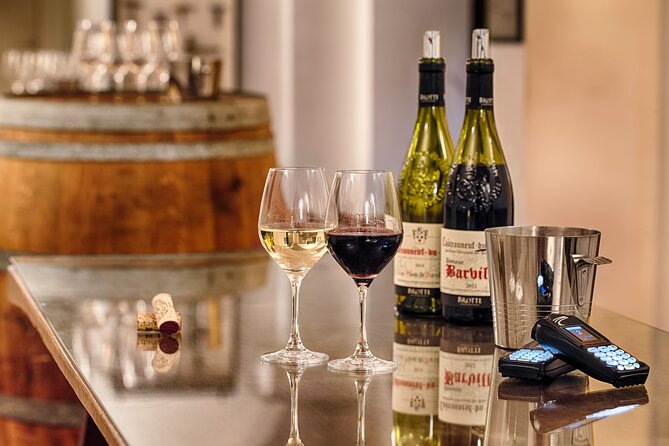
Maison Brotte sits in the heart of Châteauneuf-du-Pape, the kind of place where the road signs already smell faintly of grapes. This “prestige” course is built for visitors who want both: a tasting and a museum that helps you understand why the wines taste the way they do.
You start at the Wine Museum Brotte. From there, the experience naturally splits into two modes. First comes the tasting portion with sommelier guidance. Then you shift into museum time, where you can go deeper with an audioguide.
That mix matters. A lot of wine tours either throw you into tasting with minimal context, or they turn into a museum lecture where you forget what you learned five minutes later. Here you get the context and then you can reconnect it with what you see and hear inside the museum.
You can also read our reviews of more tours and experiences in Chateauneuf Du Pape.

The 5-wine tasting: small servings, big learning payoff
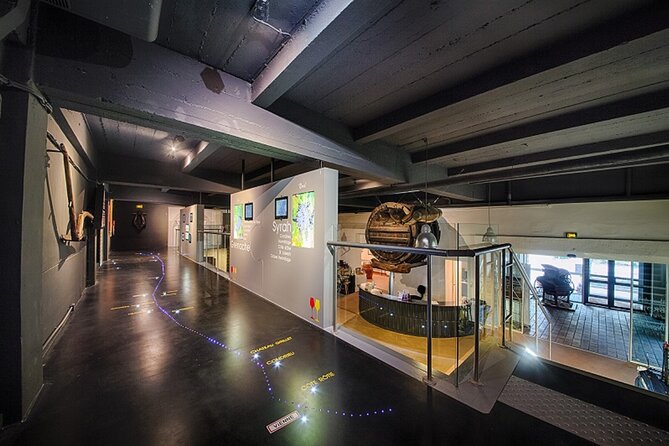
The main event is a tasting of 5 wines, delivered by sommeliers. The format is designed so you learn as you go, not just drink and move on. If you’re new to wine, you’ll probably appreciate how “what you’re tasting” connects to “why it might taste that way.” If you’re more experienced, the explanations give you something to compare against your own instincts.
The duration is about 90 minutes total for the whole course, so the tasting is intentionally efficient. That’s a benefit for many people—especially if you’re trying to stack a few Châteauneuf-du-Pape stops into one day. But it also explains the only common snag: some visitors feel the tasting is a bit quick. If your style is long, lingering pours and slow conversation, you might want to plan extra time elsewhere. If your style is learning fast and tasting smart, this course fits perfectly.
A practical tip: taste with your notes brain on. Even a few quick words like “spice vs. fruit,” “drier finish,” or “more volume” will help you make the museum time stick. You’ll see more value if the museum doesn’t just become background facts.
The Musée du Vin Brotte: why the museum feels different
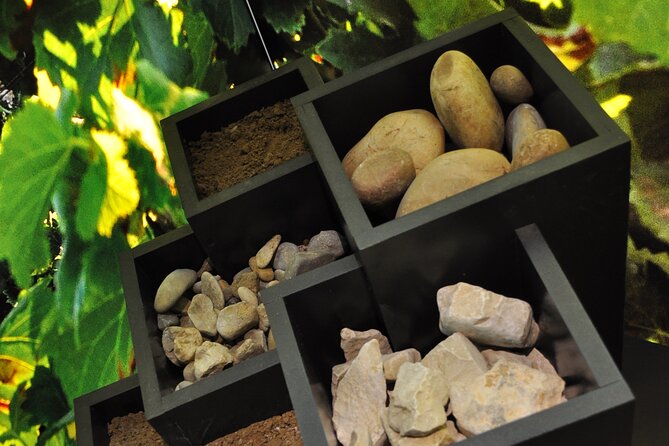
The museum is the standout add-on. It’s the appellation’s only wine museum, and that isn’t marketing fluff—it means you’re getting something specific to Châteauneuf-du-Pape and the Brotte story. The museum was created in 1972 by Jeanne Brotte, the grandmother of the current owner, so it carries that family “we wanted to teach this the right way” energy.
Inside, you’re given an audioguide, available in multiple languages. That’s a big deal for value. You’re not dependent on a single live guide’s timing. You can move at a sensible pace, rewind a section, and spend extra time on the bits that catch your interest.
You’ll also get a strong sense of how the Brotte family thinks about vines and wine history. The museum teaches you the fundamentals—how vines work, how wine fits into regional history, and how the estate’s story connects to what lands in your glass. One nice bonus detail: there’s a section about cork. It’s a topic that rarely gets its own corner in wine museums, and it helps connect a practical “how wine is protected” question to the larger world of wine production.
Museum time: how to get the most from the audioguide
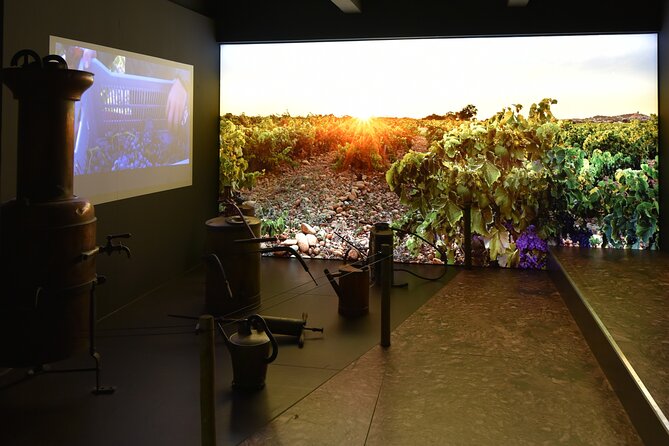
Because you’re on an audioguide, your job is simple: pick a rhythm. If you rush, you’ll miss the cause-and-effect links between what you tasted and what the museum explains. If you slow down too much, you can feel trapped by time. The sweet spot is to listen actively for a few key sections, then skim the rest.
Here’s how I’d do it:
- First, treat the museum like a map. Don’t try to master everything.
- Second, jump back to whatever connects to the tasting you just did.
- Third, let curiosity win. If you stop at the cork section or another practical topic, you’ll probably find it easier to remember later.
Small groups help here, too. With a limit of 10 participants, the museum won’t feel like you’re in a constant line. You’re not fighting elbows while trying to focus on what a display is saying.
Itinerary flow: how the 90 minutes actually plays out
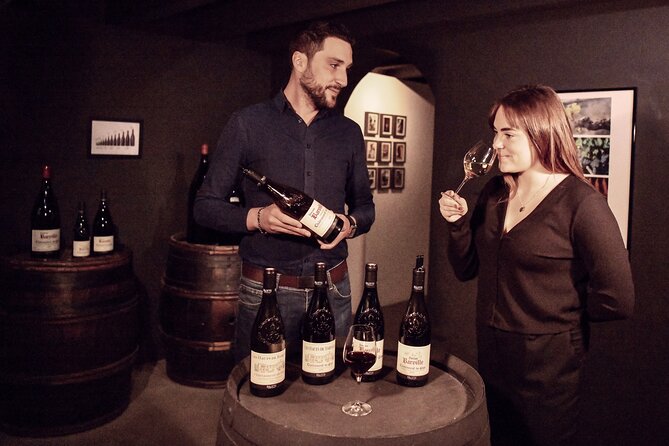
This course is straightforward, with one key sequence: museum start, then tasting and museum access. You begin at the Wine Museum Brotte. After that, you spend about 1.5 hours total in the combined Châteauneuf-du-Pape visit/tasting period.
In practice, that means you’re not juggling complicated logistics. You don’t need transport planning mid-course. You’re already in the right place, and the experience is set up so the tasting and museum are linked without you needing to work out the timing.
A note on pacing: because the tasting is part of the 90 minutes, it doesn’t have the “full meal experience” vibe. It’s more like a well-designed lecture with pours. If you love a quick, structured intro—this will feel efficient. If you hate feeling timed—plan a longer visit at another stop after, so your day doesn’t end right when the fun starts.
Price and value: why $16 can feel generous
The price is listed at $16 per person, for 90 minutes, including a tasting of 5 wines and museum access with an audioguide. In wine tourism terms, that’s not just “reasonable.” It’s unusually good value because you’re getting two forms of input:
1) Sensory input: five wines to taste.
2) Context input: museum materials that explain vines, wine, and the Brotte family history.
A lot of tastings charge you for the wine experience alone. Here, the museum turns the tasting into a lesson you can revisit. That means you’re not paying only for consumption; you’re paying for understanding.
If you’re budget-conscious but still want a real sense of place in Châteauneuf-du-Pape, this is the kind of activity that helps you get more than one-dimensional enjoyment out of a single visit.
Who this works best for (and who should look elsewhere)
This course is especially good for:
- People who want an easy first step into Châteauneuf-du-Pape wines
- Visitors who like structured learning but still want freedom inside the museum
- Wine-curious travelers who don’t want to commit to a long day tour
- Anyone who enjoys family estates where the story is part of the tasting, not an afterthought
It might be less ideal if:
- You prefer long, slow tastings with lots of unstructured time
- You hate information-heavy museum stops
- You want a full-day countryside experience instead of a compact, curated one
If you fall in the middle—curious but not a wine nerd yet—you’ll likely love the balance. The sommeliers help you taste with a purpose, and the museum lets you chase your own pace once the tasting ends.
Small-group comfort and practical on-the-ground details
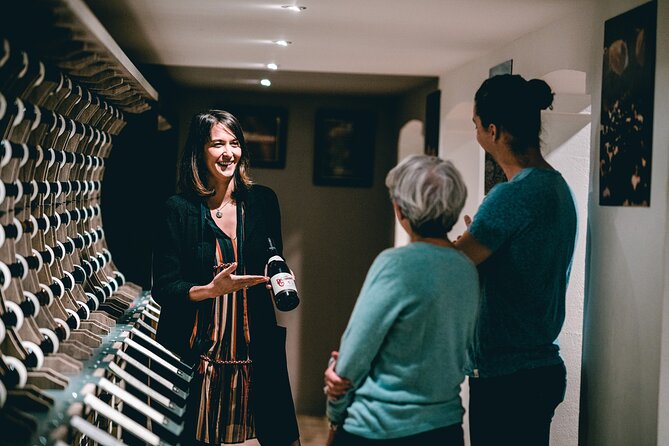
One of the best practical touches here is the group size: up to 10 participants. That naturally makes the experience feel less like a conveyor belt and more like a real visit.
You also get language support. The hosts and audioguides are available in French, English, German, Portuguese, Chinese, Russian, Spanish, and Dutch. That’s useful because it keeps the learning experience accessible, especially in a region where you might not expect full multilingual materials.
Logistics are also covered well. There’s private parking for cars and campers, which helps if you’re road-tripping through Provence and the Rhône area. Pets are allowed on a leash.
And yes, the experience is wheelchair accessible, which matters for a smoother visit if mobility is a factor.
A couple of smart tips before you go
If you want to make this stop feel “worth it,” do these:
- Arrive with a mindset of comparison. Think: what changes from wine to wine, and what does the museum tell you to expect?
- Don’t overpack your schedule. This is compact, but it’s still a museum plus tasting, so it takes more energy than a simple glass-and-go.
- If you’re traveling as a group, decide ahead of time whether your priority is tasting or museum depth. You can do both, but your pace will steer the experience.
Should you book the Maison Brotte prestige course?
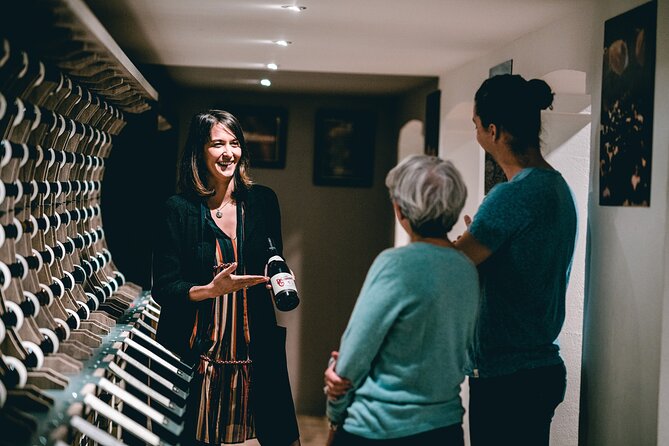
I’d book it if you want a short, high-value Châteauneuf-du-Pape experience that combines tasting with real learning. The museum angle is the differentiator: it’s the only wine museum in the appellation, created by Jeanne Brotte in 1972, and it includes practical topics like cork that make wine feel less mysterious.
I wouldn’t book it if you’re chasing a long, slow tasting session or a very relaxed, open-ended tour. The pace is built for efficiency. You’ll get a solid tasting and a smart museum visit, but you may not get the leisurely, hour-by-hour hanging-out vibe.
FAQ
FAQ
How long is the Maison Brotte prestige course?
The experience lasts 90 minutes.
How many wines are included in the tasting?
You’ll taste 5 wines.
Where does the tour start?
You begin at the Wine Museum Brotte.
Is the wine museum visit included?
Yes. You have access to the Brotte Wine Museum as part of the experience.
Do I get an audioguide for the museum?
Yes, an audioguide is included for the wine museum.
What languages are available for the host and audioguide?
French, English, German, Portuguese, Chinese, Russian, Spanish, and Dutch.
Is this a small group experience?
Yes, the group is limited to 10 participants.
Is there parking available?
There is private parking for cars and campers.
Can I bring a pet?
Pets are allowed on leash.
Is the experience wheelchair accessible?
Yes, it is wheelchair accessible.