REVIEW · CHATEAUNEUF DU PAPE
Châteauneuf-du-Pape: tour/tasting in the heart of Domaine Tour St Michel
Book on GetYourGuide →Operated by Domaine Tour Saint Michel · Bookable on GetYourGuide
A family-run estate tour in Châteauneuf-du-Pape feels more like a conversation than a lecture. In the heart of Domaine Tour Saint Michel, you get a guided walk through the cellar from reception to vinification and then aging, before finishing with a commented tasting of the estate’s wines.
What I like most is how practical it is: you see each stage of winemaking and marketing, then you taste at least three wines in a relaxed setting. A small consideration: the experience is only an hour, so if you want a long, slow sit-down meal right after, you may want to plan your next stop accordingly.
In This Review
- Why This Châteauneuf-du-Pape Cellar Tour Is Worth Your Time
- Key Highlights You Can Count On
- Entering Domaine Tour Saint Michel: The Part That Sets the Tone
- The Guided Cellar Walk: From Reception to Aging
- Reception area
- Vinification cellar
- Aging cellar
- The Tasting: At Least Three Wines, With Real Commentary
- How the tasting feels
- Guides can change, but the experience stays consistent
- What You’re Really Paying For: Value at About $20
- Timing and Pace: A One-Hour Win
- Practical Tips for a Smoother Day
- Who Should Book This Tour (and Who Might Skip It)
- Should You Book? My Honest Call
- FAQ
- How long is the experience?
- Where does the tour start?
- Is there parking available?
- What languages are offered?
- Is wheelchair access available?
- What does the tasting include?
- Which wines might be included?
- Is water provided?
- Is this tour good for families and children?
- Is the tour suitable during pregnancy?
Why This Châteauneuf-du-Pape Cellar Tour Is Worth Your Time
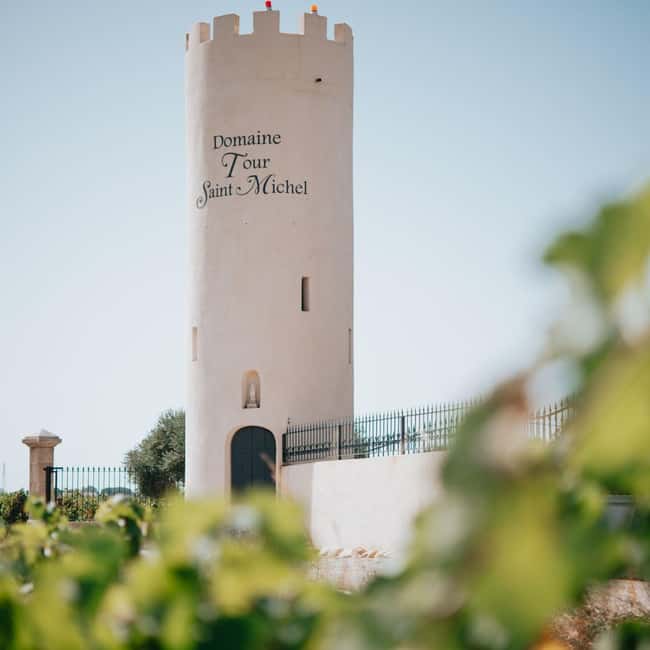
This is the kind of winery visit that helps your brain connect dots fast. The guide keeps things ordered: where the wine starts, how it’s made, how it’s stored, and how it reaches customers. That structure matters because Châteauneuf-du-Pape and the wider Rhône Valley can feel confusing until you see the process in the right order.
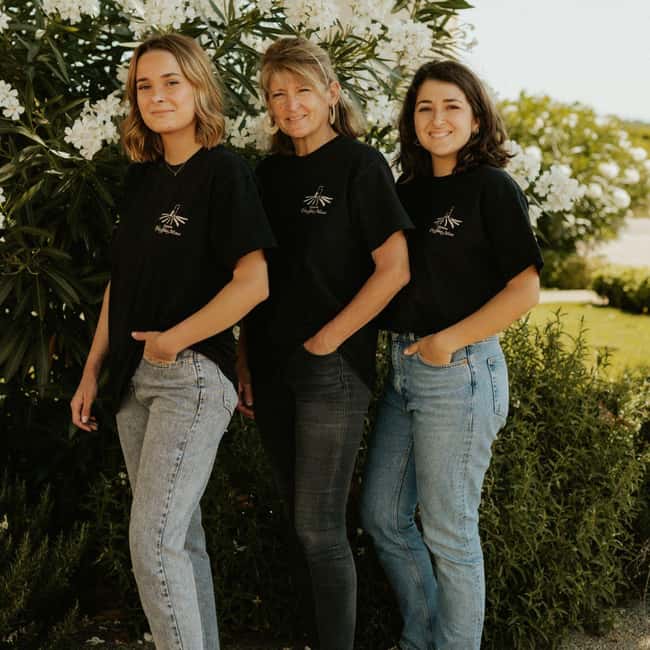
I also love the human touch. In past tours, guides have included family members such as Magali (described as the granddaughter of the founder) and at least one guide who was studying wine industry—both ways, you’re getting explanations that land well, in English or French.
One more note for planning: the tour isn’t listed as family-style for kids. It’s not suitable for children under 18, and it’s also noted as not suitable for pregnant women.
Key Highlights You Can Count On
- 30 minutes in the cellar with a step-by-step guide, from reception to vinification and aging areas
- At least 3 wines tasted at the end, with explanations as you go
- French and English interpretation during the tour and tasting
- Family estate feel at Domaine Tour Saint Michel, with guides including family members like Magali
- No-pressure tasting vibe, where the focus stays on learning and enjoying
You can also read our reviews of more tours and experiences in Chateauneuf Du Pape.

Entering Domaine Tour Saint Michel: The Part That Sets the Tone
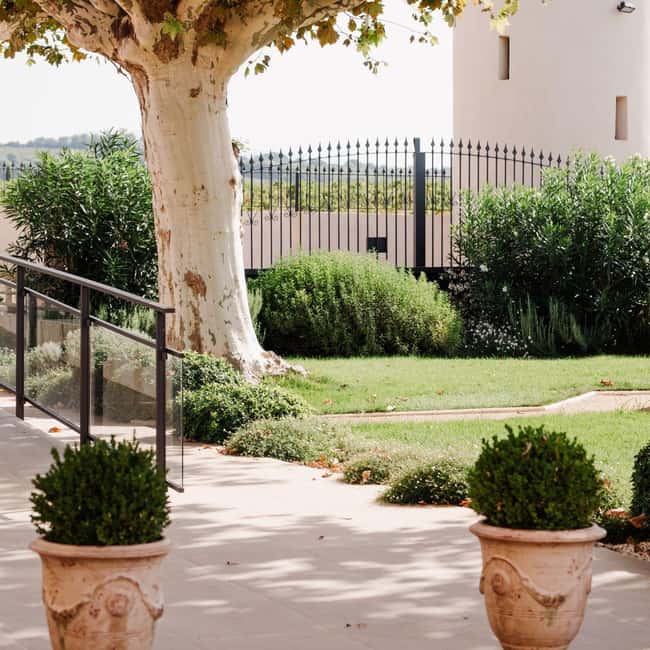
The experience starts at 1700 CR de Sorgues, at the heart of the Domaine Tour Saint Michel property. Arriving here is part of the charm: you’re not racing across a giant industrial campus. It feels like a working estate where people know what they’re doing and why it matters.
You can park in the courtyard, which is a real win in wine regions. Most of the hassle on tasting days is logistical, and this setup cuts down the stress so you can focus on the point: wine.
Even before you sip, the tour helps you understand what you’re about to taste. The guide frames the estate’s story and then points you to the parts of the process you’ll see next. That matters because tasting blind is fun, but tasting with context is how you build a personal “I get it now” moment.
The Guided Cellar Walk: From Reception to Aging
The tour portion runs about 30 minutes, and it’s designed as a clear route through the winery. You’ll walk through the key zones with a guide, typically including:
Reception area
This is where the wine-making story begins for you. The guide uses this stop to explain the estate’s approach and what happens first once grapes and production start moving through the system. Even if you’re new to Rhône wines, this is where the jargon gets translated into something you can picture.
Vinification cellar
Next comes the vinification cellar, the heart of the transformation. Expect explanations of how the winemaking process works at each stage, in a way that connects to what you’ll later smell and taste in the glass.
If you’re the type who likes to ask questions, this is usually where your curiosity pays off. Past visitors specifically praised guides who answered questions and tailored the pace to interests.
Aging cellar
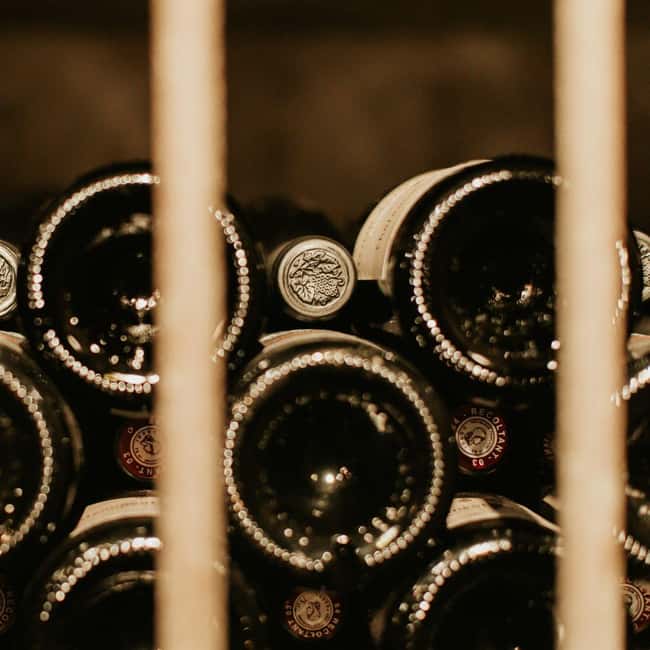
Finally, the tour reaches the aging cellar, where the story shifts from making to shaping. This is where you start thinking about why wines taste the way they do later on. Even within one winery, different wines can behave differently because of how they’re aged and prepared for release.
What I like about ending with aging is that your tasting doesn’t feel random. You’re mentally primed to notice texture, balance, and the kind of finish you associate with what happens after fermentation.
The Tasting: At Least Three Wines, With Real Commentary
After the cellar walk, the pace stays friendly: the tasting portion is also about 30 minutes, and it’s described as a commented tasting. In plain terms, you’re not just handed a glass and told good luck.
You’ll taste at least three wines from the estate collection. The selection may include wines such as:
- Châteauneuf-du-Pape
- Côtes-du-Rhône
- Côtes-du-Rhône Villages
- Lirac
- Vin de France
That range is useful. If you’re visiting Châteauneuf-du-Pape and only taste one style, you may leave with a narrow view. Here, you can compare how styles shift across the Rhône umbrella. And if you’re trying to build a “buy list” for later, tasting several categories in one sitting makes your decisions easier.
How the tasting feels
A strong theme from visitors is that the tasting is generous and low-pressure. That matters because some winery tastings turn into a sales pitch by the halfway point. This one stays focused on hospitality and learning first. Even if you end up buying, it doesn’t feel like a trap.
Guides can change, but the experience stays consistent
The quality comes from the structure and the guidance. People have mentioned guides like Magali with excellent English, plus guides who speak very well and connect questions to the wines. If you get a family representative, that extra angle can add emotion, not just facts.
What You’re Really Paying For: Value at About $20
At roughly $20 per person for an hour total, this tour is priced for people who want real wine education without turning it into a half-day event.
Here’s why it can feel like good value:
- You get a guided cellar tour (not self-guided browsing).
- You get parking in the courtyard, which saves time and reduces stress.
- You get tasting of at least three wines, not just a couple of sips.
- You also get water on request, which is practical when you’re sampling multiple pours.
Compared with tastings that charge more but skip the walkthrough, this offers better “learning per euro,” especially if you like understanding what you’re tasting. It’s not a luxury long-form experience, but it’s also not a rushed stop.
If you’re doing multiple wine visits in one day, the short format is a strength. You can keep your itinerary flexible, and you don’t end up tasting on a schedule that collapses under the weight of traffic.
Timing and Pace: A One-Hour Win
The full experience is about 1 hour, split into 30 minutes of tour and 30 minutes of tasting. For me, that’s the sweet spot.
You get enough time to walk the cellar and absorb the basic “how it works” points. Then you get enough time to taste and compare without feeling exhausted. In wine country, fatigue is real. When you’re pacing tastings too long, your palate starts making decisions based on mood instead of flavor.
This also means it fits neatly into typical Rhône day plans. You can visit in the morning, take a break, and still have time for lunch and a second stop.
Practical Tips for a Smoother Day
A few small things can make this feel even better:
- Arrive with a little buffer. One visitor noted they had trouble locating the winery and the staff was very accommodating. If you’re driving, double-check the address: 1700 CR de Sorgues.
- Wear comfortable shoes. Cellar tours involve walking through working winery areas, and you’ll enjoy it more if your feet are happy.
- Ask about your favorite style. Some guides tailor the tour to interests. If you love red Rhône styles or want to understand how age affects aroma, say so early.
- Use the tasting to compare, not to judge. With multiple categories available, look for patterns you can repeat later when you’re picking bottles.
If you’re the kind of person who gets more out of experiences when you can talk back, this is a good fit. The tone is friendly, and the guide answers questions.
Who Should Book This Tour (and Who Might Skip It)
This works best for:
- Wine lovers who want guided cellar context instead of just a tasting room
- People who enjoy meeting a guide who can explain both process and style
- Visitors who want a short, high-value experience in the Châteauneuf-du-Pape area
- Anyone who wants to taste across Rhône categories, including Châteauneuf-du-Pape and neighboring appellations
It may be less ideal if:
- You want a long, sit-down food pairing experience
- You’re traveling with children under 18 (it’s not suitable)
- You’re looking for something appropriate for pregnancy (it’s noted as not suitable)
Should You Book? My Honest Call
Book it if you want a structured, friendly winery visit that teaches you what you’re tasting in about an hour. At around $20, with parking and a guided tasting of at least three wines, the value is hard to beat—especially if you plan to visit more than one place in the region.
I’d also lean toward booking if you care about the “why,” not just the “what.” The cellar walk from reception to vinification to aging gives you that missing connection, and the commented tasting helps you translate it into flavor.
If you’d rather spend hours wandering freely with no schedule, this might feel too compact. But for most people doing Rhône wine touring, it’s a smart, efficient stop.
FAQ
How long is the experience?
The tour lasts about 1 hour total, with around 30 minutes for the guided cellar tour and 30 minutes for the tasting.
Where does the tour start?
The starting location is 1700 CR de Sorgues.
Is there parking available?
Yes. Parking is included in the courtyard.
What languages are offered?
The experience is offered in French and English, with a live tour guide.
Is wheelchair access available?
Yes, the experience is described as wheelchair accessible.
What does the tasting include?
You’ll taste at least three wines from the estate’s collection.
Which wines might be included?
The tasting may include Châteauneuf-du-Pape, Côtes-du-Rhône, Côtes-du-Rhône Villages, Lirac, and Vin de France.
Is water provided?
Water is available on request.
Is this tour good for families and children?
It is not suitable for children under 18.
Is the tour suitable during pregnancy?
The experience is noted as not suitable for pregnant women.