REVIEW · FRANCE
Saint-Émilion: 2 hours – Visit of the vineyard, the cellar and tasting
Book on Viator →Operated by Chàteau Haute-Nauve · Bookable on Viator
Vines, cellar, and a tidy tasting plan. This Saint-Émilion experience at Château Haute-Nauve is built around a clean flow: vineyard history and different plots, then the production rooms, and finally a guided tasting of four wines. You’ll also get a feel for how the estate tackles real challenges like crop freezes and sustainability.
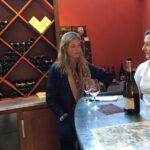
I especially like the human scale of the visit, often guided by Florent (with his mother, Marie-Anne) in a small group. The explanations feel practical, including how vineyard work shifts through the year and what happens after harvest in the winery.
One drawback to consider: it’s only about 2 hours, so if you want a super slow, linger-on-the-grapes kind of day or lots of deep technical talk, you may want a longer tasting visit instead.
In This Review
- Key highlights
- A 2-Hour Saint-Émilion Vineyard-to-Cellar Loop (No Guesswork)
- Meet the Team: Marie-Anne and Florent’s Family-Run Approach
- Vineyard Walk: Plots, Seasons, and What Changes in Real Life
- Sustainability on Display: Wind Turbine, Crop-Freeze Thinking, and Diversification
- From Harvest to Machines: Fermentation, Pumping, and Pressing
- Barrel Cellar Aging: Why Time Is Part of the Recipe
- The Tasting: Four Wines, Including Two Grand Cru
- What This Tour Is Best At (And What It Isn’t)
- Value for Money: Why $30.04 Can Actually Make Sense
- Getting the Most Out of Your 2 Hours
- Should You Book Château Haute-Nauve’s Vineyard, Cellar, and Tasting Tour?
- FAQ
- How long is the Château Haute-Nauve vineyard and cellar tour?
- Where does the tour start?
- What language is the tour offered in?
- How many wines do you taste?
- Are Grand Cru wines included in the tasting?
- What parts of the estate does the tour include?
- Is alcohol included?
- How large is the group?
- When will I receive confirmation after booking?
- Is free cancellation available?
Key highlights

- Family-run vineyard story from the 4th generation at Château Haute-Nauve
- Vineyard walk that follows the work across the seasons and different plots
- Sustainability details you can see, including a wind turbine and crop-freeze responses
- Inside the production process: fermentation, pumping, and pressing
- Barrel cellar aging—how wine changes with time
- Guided tasting of 4 Château wines, including two Saint-Émilion Grand Cru
A 2-Hour Saint-Émilion Vineyard-to-Cellar Loop (No Guesswork)

This is the kind of wine tour that makes you feel oriented fast. In about two hours, you get the “from the vine to the bottle” story without bouncing between far-flung stops.
At Château Haute-Nauve, the format is simple and efficient. You start outside, walk the vines, move indoors to the cellar, and end with a guided tasting. That pacing matters because it keeps your brain focused: you see the vineyard context first, then you understand why the cellar steps are what they are.
The price is about $30.04 per person, and the value is mainly in what’s included: a guided visit plus tasting of four wines, with two from the Saint-Émilion Grand Cru designation. For a working estate, that’s a lot of “learning for one stop” packed into a short visit.
You can also read our reviews of more food & drink experiences in France
Meet the Team: Marie-Anne and Florent’s Family-Run Approach

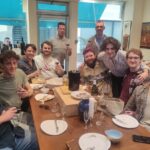
One of the best parts is that this feels like a real household business, not a production line for tourists. The tour is tied to the family behind the estate, including Marie-Anne and Florent.
You’ll hear the estate story as you walk, including that it’s in its 4th generation. That’s more than trivia. It helps you understand why certain vineyard choices stick around, and why “tradition” here isn’t about freezing time—it’s about building knowledge over decades.
English is offered, and the guide’s style comes through in the way the tour stays easy to follow. In a small group, you’re more likely to ask questions and get answers that fit what you actually want to know.
Vineyard Walk: Plots, Seasons, and What Changes in Real Life

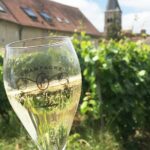
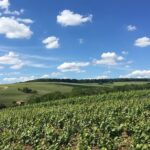
The tour begins in the vineyards, and you don’t just get a scenic stroll. You’ll learn how the Saint-Émilion appellation works at ground level—its characteristics, and how the estate approaches different parts of the property.
A big focus is how vineyard work changes throughout the year. That matters because wine quality isn’t just a harvest-day event. You’ll hear how tasks shift as the seasons roll by, which helps you connect your tasting later to what happened months before.
You’ll also walk through different plots of vines, which is a key concept if you want to understand why two wines from the same overall region can feel different. Even without heavy science talk, you’ll leave with a sense that location within the appellation is not a detail—it’s part of the flavor story.
Sustainability on Display: Wind Turbine, Crop-Freeze Thinking, and Diversification

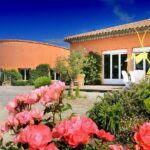
This estate doesn’t hide its modern challenges. You’ll spot a wind turbine during the vineyard portion, and you’ll also see a striking 6-meter high wine bottle landmark on the property.
Those details are more than photo ops. They’re part of how the estate is handling pressure: crop freezes and the need to protect both the vineyard and the future.
You’ll hear about the estate’s focus on sustainability and diversification. The practical value here is that it helps you taste with more context. When a winery talks about sustainability and risk management, it’s usually connected to how consistently they can produce good grapes and build resilience year after year.
From Harvest to Machines: Fermentation, Pumping, and Pressing
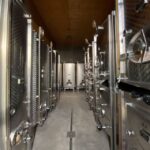
After the vineyard portion, you move to the winery area and see the steps that turn grapes into wine. The tour covers the production flow, including fermentation, pumping, and pressing.
This section is where the tour earns its name. If you’ve ever wondered what people mean when they say certain winemaking choices affect taste, this is where you get the basic map.
Fermentation is the engine, but pumping and pressing are the workflow pieces that shape what goes into the wine and how. You’ll get the logic, explained in plain language, so it’s not just “here’s a tank.” It becomes “here’s why this step matters.”
You’ll also see the kind of large equipment used after harvest. In a short tour, you won’t get a full-blown course, but you do get enough structure to make sense of what you’ll later notice in the glass.
A few more France tours and experiences worth a look
Barrel Cellar Aging: Why Time Is Part of the Recipe
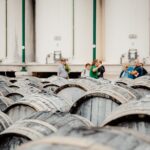
The tour ends in the barrel cellar, where the emphasis shifts from making wine to aging it. You’ll see the methods used to age the wine, which is where the character you taste starts to form beyond the initial fermentation.
This is the part that tends to click for people who thought wine was mostly about grapes. Aging is where the wine softens, rounds out, and develops texture and complexity.
Because the tour stays tight, you may not get a huge amount of minutiae. But you still learn the big idea: winemaking doesn’t stop when the grapes are pressed. It continues in the cellar, one season of time at a time.
The Tasting: Four Wines, Including Two Grand Cru

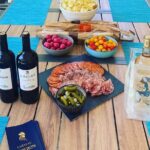
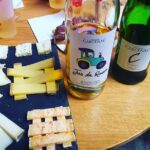
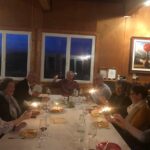
The final act is a guided tasting of four Château wines. This is where you see how the vineyard and cellar pieces connect to what you smell and taste.
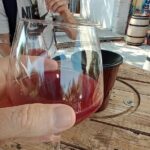
The tasting selection includes a rosé, a Saint-Émilion, and two Saint-Émilion Grand Cru wines. That spread is smart because it gives you variety across styles while still staying focused on the estate’s range.
Since the tour guides you through the tasting, you’re not just handed glasses and left to guess. You’ll get cues for noticing differences between wines, and you’ll likely remember the experience longer because it’s tied to the earlier stops.
Practical tip: go into the tasting with a simple goal. Pick one thing you want to understand—like how Grand Cru bottles tend to taste compared to the non-Grand Cru in the same lineup. The guided structure makes that kind of comparison easy.
And yes, it’s alcoholic beverages included in the tour, so plan your timing accordingly if you’re hopping between wineries the rest of the day.
What This Tour Is Best At (And What It Isn’t)
This experience is especially good if you want:
- A compact vineyard-and-cellar education
- A small group setting (maximum of 15)
- A guided tasting that includes Grand Cru wines
- A clear “why” behind the main winemaking steps
If you’re the kind of person who likes stepping into places and learning what they do rather than just buying a bottle at the end, this fits your style. The vineyard walk plus cellar sequence gives you the story thread.
The main limitation is time. Two hours means you won’t roam freely for long. It also means the explanations are focused on the essentials rather than a full technical seminar.
Value for Money: Why $30.04 Can Actually Make Sense
Wine tourism can get expensive fast, especially when you’re paying just for the tasting. Here, your money is buying more than pour-and-leave.
You’re paying for:
- A vineyard walk with the estate’s family story and appellation context
- A guided look at production steps like fermentation, pumping, and pressing
- Barrel cellar aging context
- A tasting of four wines, including two Grand Crus
- A small-group format
So even though the duration is short, the inclusion list is strong. The best way to judge value in Saint-Émilion is to look for tours that include both education and tastings at the same property. This one does that cleanly.
Getting the Most Out of Your 2 Hours
This is a walking-and-talking format, so a few small choices help.
Wear shoes that handle uneven ground. Vineyard paths can be a bit rough, and you’ll be outside before you go indoors.
Come with at least a basic curiosity question. For example: which step in the cellar you just saw has the biggest impact, or what sustainability choices might change year to year. Guides like Florent and Marie-Anne tend to bring answers down to earth.
Finally, don’t rush the tasting. If you’ve been driving around the region all day, slow down for the final part. The point of this tour is to connect what you saw earlier to what you taste at the end.
Should You Book Château Haute-Nauve’s Vineyard, Cellar, and Tasting Tour?
If you want an efficient Saint-Émilion experience that mixes vineyard context, real production, and a guided tasting with Grand Cru representation, I’d book this. The small group size, the family-run tone (Marie-Anne and Florent), and the clean vineyard-to-barrel-to-glass flow are exactly what make a short tour feel complete.
Book it if you like structure and want to leave with a better sense of how wine gets made and why it tastes the way it does.
Skip it only if you’re chasing a longer, more leisurely visit or you want hands-on detail beyond the core steps. This is built to teach quickly and taste well, not to turn into a multi-hour wandering session.
FAQ
How long is the Château Haute-Nauve vineyard and cellar tour?
It lasts about 2 hours.
Where does the tour start?
The tour starts at Château Haute Nauve 1 Haute Nauve, 33330 Saint-Laurent-des-Combes, France.
What language is the tour offered in?
The tour is offered in English.
How many wines do you taste?
You taste 4 Château wines.
Are Grand Cru wines included in the tasting?
Yes. The tasting includes two Saint-Émilion Grand Cru wines.
What parts of the estate does the tour include?
You visit the vineyard, the wine cellar, and end in a barrel cellar for the tasting.
Is alcohol included?
Yes. The tour includes alcoholic beverages for the tasting.
How large is the group?
The tour has a maximum of 15 travelers.
When will I receive confirmation after booking?
Confirmation is received within 48 hours of booking, subject to availability.
Is free cancellation available?
Yes. You can cancel for a full refund up to 24 hours in advance of the experience’s start time.