REVIEW · PARIS
Rigoletto at the Jacquemart-André Museum
Book on Viator →Operated by Opera a Palazzo · Bookable on Viator
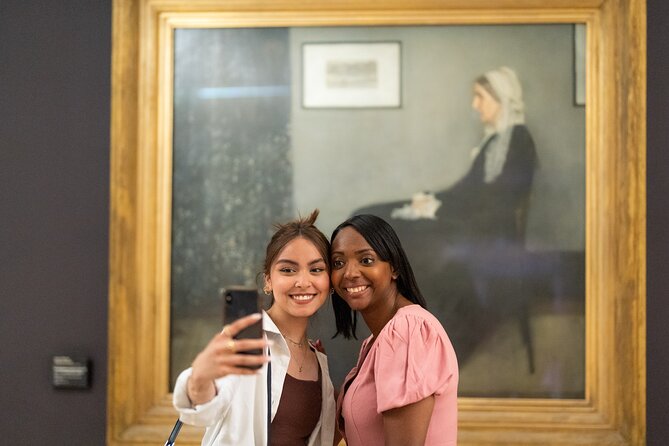
Opera in a museum feels illegal—in a good way. This Rigoletto puts a small cast close to you in the museum salons, so you’re hearing and watching the drama with almost no distance. I especially like the champagne intermission, which turns the show into a real evening, not a rushed performance stop. The main thing to watch: seating can be tight in at least one room, and seeing the artists may require you to be quick about where you stand or sit.
The format is in English, runs about 3 hours, and starts at 8:30 pm—perfect for a Paris night when you want culture without the mega-theater chaos. You’ll also get admission included for a private-style look at the museum’s permanent collection on the first floor, which adds real value to what already feels like a special opera setting.
In This Review
- Key things to know before the curtain rises
- Why this Rigoletto sounds different in a museum
- The 3-hour flow at Musée Jacquemart-André (what to expect)
- Cast and music: chamber forces that keep the focus on people
- The museum bonus: you’re not just buying opera seats
- Price and logistics: is $348.07 a fair deal?
- Seating, sightlines, and the one thing you should plan for
- Dress code vibes and how to handle the evening formality
- Who this Rigoletto fits best (and who should skip it)
- Should you book Rigoletto at Jacquemart-André?
- FAQ
- What time does Rigoletto at Jacquemart-André start?
- How long is the experience?
- Is the performance offered in English?
- Does the ticket include museum admission?
- Is champagne included?
- Is there free cancellation?
Key things to know before the curtain rises

- Jacquemart-André salons as the stage: the museum’s rooms are part of the storytelling, not just a backdrop.
- Chamber opera feel: piano, violin, and cello support the drama with a smaller cast and fewer moving parts.
- Champagne intermission: you pause mid-show with a glass in hand.
- First-floor permanent collection access included: you spend time in the museum’s prestigious spaces during the evening.
- English-language performance option: helpful if you want the plot without language math.
- Seating is not theater-style: expect some standing and some tight sightlines in certain rooms.
Why this Rigoletto sounds different in a museum

There’s something about opera in a big hall. The sound goes wide, the emotions land at a distance, and you watch the singers like you’re looking at a stage painting from far away. Here, the experience is built for closeness. The show is staged so the distance between you and the performers gets erased, which changes how details land.
You’re not dealing with a giant production full of dancers and props. Instead, the adaptation focuses tightly on the core people in the story: Rigoletto (baritone), Gilda (soprano), the Duke of Mantova (tenor), Sparafucile (bass), and Maddalena (mezzo-soprano). With fewer voices and a compact orchestra—piano, violin, and cello—you’ll often notice how words and vocal color carry in the room.
The staging concept is credited to Patrizia di Paolo, with costumes from Venice’s Atelier Nicolao. What that means for you in practical terms is that the look and movement are designed to work within rooms meant for art, not theater crowds. You’re watching character choices up close, not just hearing the plot.
And yes, this can be a strong choice for first-time opera goers. When the cast is small and the structure includes breaks, the whole thing feels less like a marathon and more like a tight, readable story with room to breathe.
You can also read our reviews of more museum experiences in Paris


The 3-hour flow at Musée Jacquemart-André (what to expect)

This is a night show that starts at 8:30 pm and runs about 3 hours. Your evening unfolds inside the museum’s salons on the first floor, where the story is followed as scenes move through the rooms.
In between, you get a champagne intermission. That pause matters more than you might think. It gives your brain a reset, and it also helps you treat the opera like a social evening in a beautiful place instead of a strict, one-shot event.
The show also uses a mix of viewing positions. You may find yourself seated for parts of the drama, then switching to a standing arrangement where the performers are physically closer to your group. One key idea here: the production is designed so you’re not stuck looking only in one direction like you would in a standard auditorium.
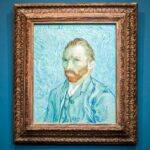
Along the way, you’ll also enjoy a private-tour style look at the museum’s permanent collection in those first-floor salons. The museum is tied to Édouard André and Nélie Jacquemart, and you’ll see the kind of art and interior spaces that make this venue feel like more than just a place to pass through.
Cast and music: chamber forces that keep the focus on people
This Rigoletto keeps the musical engine simple and effective: piano, violin, and cello. That trio approach changes the texture of the score. You get less “orchestra wall,” more clear line-by-line accompaniment. It’s easier to follow what supports each character emotionally.
The adaptation is built around those five main roles, so you’re not constantly wondering who’s on stage or why a scene exists. The focus stays on the relationships at the center of the plot: passion, betrayal, filial love, and revenge. In a museum room, those themes hit faster because the performance is closer to you and the staging uses the space to heighten tension.
You’ll also likely appreciate the way the production handles volume. In a smaller setting like this, voices don’t have to fight their way through distance. Reviews reflect that the vocal performances come through with high quality, and that the low-volume proximity can feel unusual—in a good way—if you’re used to big-hall opera.
There’s also a social thread to the experience. Musicians and singers appear to interact within the format, adding a human feel beyond just singing notes. That doesn’t turn it into a lecture. It just makes the evening feel like you’re part of something happening live, not watching from behind rules and barriers.
The museum bonus: you’re not just buying opera seats

Most opera nights include a ticket and that’s it. Here, you get more. The experience includes admission to the museum’s permanent collection, with access focused on the first floor salons.
That matters because Jacquemart-André is a place where the interiors and art objects are part of the charm. Think private living spaces, salons meant for art and refined gatherings, and the kind of master paintings and decorative details that make you slow down naturally. The evening uses that setting instead of treating it like a random venue rental.
So you’re doing two things at once:
- experiencing an opera story in the middle of a museum
- getting time in the museum’s collection during the evening
In other words, the price is high, but you’re not paying only for a stage seat.
Price and logistics: is $348.07 a fair deal?

At $348.07 per person, this is not a budget opera option. Still, it’s easier to justify than a ticket-only purchase because the experience bundles several extras: performance access, admission included for the permanent collection, and a glass of champagne at intermission.
There’s also the booking rhythm to consider. On average, it’s booked about 66 days in advance. That’s a hint that good spots and available dates can disappear, especially since the confirmation is subject to availability and you receive confirmation within 48 hours of booking.
Practical tip: because seating can be tight, you’ll want to arrive ready to choose your position. This is one of those events where minutes matter for sightlines. Also, plan for an evening commute. The location is near public transportation, which helps.
Finally, the ticket is mobile, so you won’t be hunting for paper on your phone like it’s an emergency scavenger hunt.





Seating, sightlines, and the one thing you should plan for

The biggest drawback is simple: seating isn’t guaranteed in a classic way, and visibility can depend on where you end up. One room may have very few seats, making it hard to see the artists if the group is large. In another room, there are chairs—but the experience can still be crowd-heavy, and the best views likely come from being in front.
So here’s what I recommend for you:
- Aim to get into position early.
- If you have trouble standing for long periods, consider that the show includes standing sequences in parts of the evening.
- If you’re shorter or wear glasses and glare bothers you, pick your spot carefully and watch how the room is arranged before you fully commit.
One more lighting note: the last act may have lower lighting. You don’t need to fear it, but you should know your eyes might need a minute to adjust.
Dress code vibes and how to handle the evening formality

The setting is prestigious, and the event clearly expects a certain level of respect for the venue. That shows up in guidance around evening wear. If you want the smoothest night, I’d dress toward smart evening casual—nothing extreme, but don’t come in as if you’re heading to a casual café.
Comfort still matters. You might be standing at points, so bring shoes you can tolerate for a while. This isn’t the night for brand-new sneakers unless you like surprise blisters.
Who this Rigoletto fits best (and who should skip it)

This is a great match if you want:
- a more readable, character-focused opera format
- chamber-music accompaniment (piano, violin, cello)
- an intimate setting where you feel close to the performers
- museum time that’s actually part of your evening, not something you do before or after
It’s also a strong pick for a first opera outing. The structure includes breaks, and the small cast makes the story easier to track in real time—especially since the show is offered in English.
You may want to choose another option if:
- you need guaranteed, theater-style seating
- standing for stretches could be a problem
- you prefer the big-stage spectacle of a traditional opera house
Should you book Rigoletto at Jacquemart-André?
If your goal is an opera night with closeness, character focus, and a genuine museum backdrop, I think this is a smart booking. The combination of opera + included museum admission + champagne intermission makes the price easier to swallow than a standard ticket.
On the other hand, if you know you’ll struggle with standing or you hate crowded sightlines, treat this as a cautious pick. Get ready to move your position, show up early, and plan for your viewing comfort.
FAQ
What time does Rigoletto at Jacquemart-André start?
The show starts at 8:30 pm.
How long is the experience?
It lasts about 3 hours.
Is the performance offered in English?
Yes, the experience is offered in English.
Does the ticket include museum admission?
Yes. Admission to the museum’s permanent collection in the first-floor salons is included.
Is champagne included?
Yes. You get a glass of champagne at intermission.
Is there free cancellation?
Yes. You can cancel up to 24 hours before the experience’s start time for a full refund.