REVIEW · PARIS
Private Street Art Tour in Paris with Local Expert
Book on Viator →Operated by Friendly Local Guides · Bookable on Viator
Street art in Paris beats museum lines. This private 3-hour walk with a local expert takes you from Belleville walls to a Montmartre finish, with route choices that can flex to your interests and schedule. I love the one-group-at-a-time attention and the fact that there are multiple start times, so you can fit it around your day.
I also like that you’re not just taking photos. You get artist context as you go, and guides like Claire (and others named in past tour feedback) are the type who show you details you’d miss on your own, including styles and the work of women artists. The main drawback to plan for is simple: it’s still a walking tour with moderate fitness needs, and the vibe can shift if it’s crowded or rainy around Montmartre.
In This Review
- Quick Take: What You’ll Really Like
- Private Street Art in Paris: The Real Value of 1 Guide
- Hotel Pickup and Start Times: How to Fit It Into Your Trip
- Belleville’s Open-Air Gallery: Rue Oberkampf and Rue Saint-Maur
- Where the Walls Keep Growing: Rue Laurence Savart and Boulevard de la Villette
- Canals, Bridges, and Long-Running Murals: Rue de l’Ourcq to Canal Saint-Martin
- The Rosa Parks Wall: Rue Riquet’s 500-Meter Graffiti Story
- Rue des Cascades: A Romantic Street Where Art Takes Over
- Montmartre With an Underground Angle: Ending Without the Usual Crush
- Price and Value: What $139 Gets You (and What It Doesn’t)
- Who This Tour Suits Best in Paris
- Tips to Make Your 3 Hours More Fun (Not Just Tiring)
- Should You Book This Private Street Art Tour?
- FAQ
- How long is the private street art tour in Paris?
- Is the tour private, or do I join other people?
- Do I need to pay for admission during the stops?
- Where does the guide meet me?
- Does the tour offer pickup?
- What language is the tour in?
- What kind of walking level should I expect?
- What is the cancellation policy?
Quick Take: What You’ll Really Like
- Private guide time means you can ask questions instead of watching someone else’s lecture.
- Artist-guided photo spots around Belleville and Montmartre make your camera work easier.
- Fast route with free walls: everything on the walk is free to see from the street.
- Customizable itinerary so you can spend longer on the styles you like.
- A constantly changing subject: the best moments are the fresh updates and new pieces you catch mid-tour.
Private Street Art in Paris: The Real Value of 1 Guide
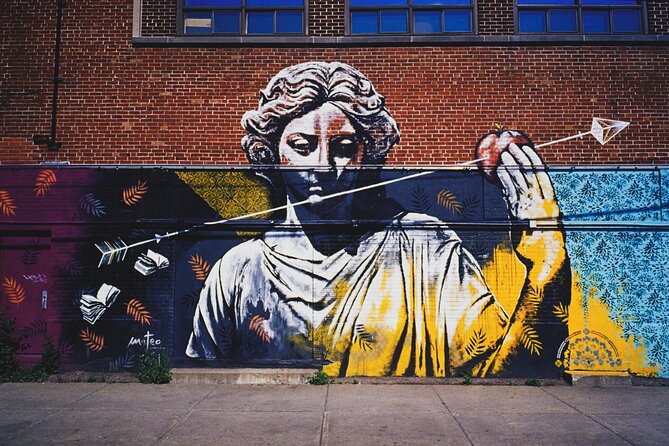
A street art tour only feels special when the guide is doing the connecting work. Here, the promise is straightforward: you get a friendly local guide who keeps the pace walkable and the attention focused on your questions. That matters in Paris, where you can find street art almost anywhere, but it’s harder to know what you’re looking at without context.
This is also a smart format for mixed groups. If you’re the photo person, you’ll have clear stops set up for pictures. If you’re more into art history talk, you’ll get explanations of artists and styles along the way. Past guides named on similar tours include Sanny, Mehrdad, Claire, and Oksana, and the common thread is that they’re interactive and prepared with specifics.
One more practical perk: it’s a private walking tour. That means you’re not stuck with the timing of a big group. If your feet are tired, you can usually slow down, and if you love a particular wall, you can ask to linger within the tour’s overall flow.
You can also read our reviews of more private tours in Paris


Hotel Pickup and Start Times: How to Fit It Into Your Trip
The tour meets in the lobby of your hotel, hostel, or vacation rental. You’ll need to give the exact hotel name and address so the guide can find you quickly. If pickup is offered, it’s designed to be simple rather than a complicated rendezvous.
Multiple start times help a lot. If you want morning light for photos, you can choose that. If your schedule is packed, you’re more likely to find a slot that doesn’t break your day.
The only thing you should plan for is comfort. This is a walking experience with moderate physical fitness suggested. You’ll be on cobblestones and street-level surfaces in multiple neighborhoods, and you don’t want to do it after a long day of museum stairs.
Belleville’s Open-Air Gallery: Rue Oberkampf and Rue Saint-Maur
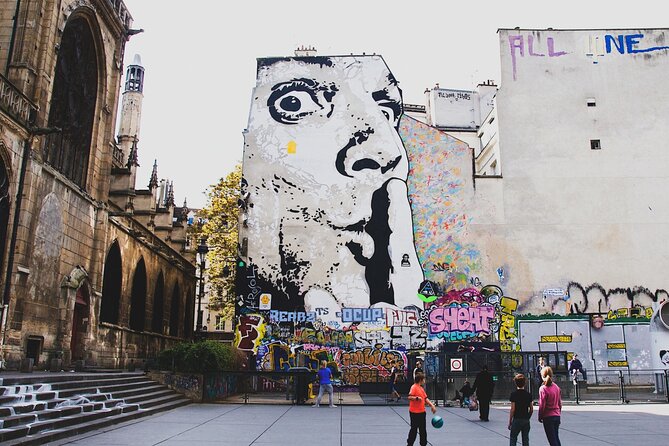
The tour’s early portion focuses on Belleville, where street art feels like a normal part of the city, not a special event. The walk starts around Rue Oberkampf, known for its open-air “modern art” feel. This is the kind of street where the best piece is often the one next to the last one you thought you’d already seen.
From there, you move through Rue Saint-Maur. This is where you’ll notice how French street art blends into everyday urban life. You’ll be looking for pieces that are informative, fun, and thought-provoking, not just colorful. It’s also a good spot to practice your street-art “reading” skills: look for layers, style shifts, and the way artists respond to the wall itself.
A key intersection stop is the crossroad around Rue de l’Elysée Ménilmontant and Rue Julien Lacroix. This area is described as packed with complex artworks. That’s one reason guided walking helps. A local expert can point out what’s happening in the details and which artist choices matter.
If you want an easy win for your photos, bring a phone/camera ready early. The tour encourages you to snap pictures as you go, and many of the surfaces are close enough that you can frame without constantly backing up for space.
Where the Walls Keep Growing: Rue Laurence Savart and Boulevard de la Villette

Next up is Rue Laurence Savart, a street you’ll likely miss if you’re only using big-name Paris routes. The feeling here is more hidden, with narrow alleys and corners that hold contemporary works. The tour emphasizes the collection as constantly growing, which is the secret of why street art tours feel alive.
A guide’s job here is more than pointing. They help you notice what’s new and how style evolves even within the same neighborhood. If you’re the kind of person who gets stuck photographing one wall for too long, this is also where you’ll appreciate the pacing—so you don’t miss the next cluster.
Then you head to Boulevard de la Villette, described as home to a massive modern fresco overlooking a community garden. This stop also connects to Lazoo, a well-known street artist associated with the area. You’ll see his name around, and it helps to understand why that matters: when you connect an artist to a place, the whole wall starts telling you a story beyond the paint.
This is also one of those stretches where you might catch large crowds if there’s an active update or performance. If the day is busy, the guide can help you navigate the flow so you still get a close look without feeling like you’re fighting for elbow room.
Canals, Bridges, and Long-Running Murals: Rue de l’Ourcq to Canal Saint-Martin
Paris has plenty of classic views, but Rue de l’Ourcq shifts the focus. The tour describes the canal area—Canal de l’Ourcq and Canal Saint-Martin—as one long exhibition, even reaching out beyond the city limits.
This section is useful if you want your street art tour to feel like more than just a list of walls. You’ll see street art on purpose-built surfaces and also on textures that already feel industrial: surfaces of abandoned buildings, iron bridges, and other hard-to-ignore spaces.
It’s also where you’ll start to see street art as part of the city’s infrastructure. This isn’t only about aesthetics. It’s about how artists use space, visibility, and movement—because canals and bridges naturally draw people along.
If you’re thinking about logistics, this is a good part of the tour to keep your camera batteries fresh. You’ll want room for more photos than you planned, especially if you start noticing how the art “reads” differently depending on your angle.
A few more Paris tours and experiences worth a look


The Rosa Parks Wall: Rue Riquet’s 500-Meter Graffiti Story
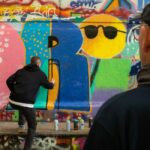
One of the most memorable moments is Rue Riquet, known for a 500-meter-long wall covered in graffiti honoring Rosa Parks. The tour frames this as a collaboration with international artists, including several women artists.
This stop is powerful because it shows street art as public messaging, not only personal expression. A guide’s context can help you understand why the imagery was placed there and what themes it’s reinforcing.
It’s also a strong photo stop. Long walls are tricky because they tempt you to shoot only one section. With a guide, you can decide whether to focus on a wide shot that shows scale or a close framing that catches detail.
If you’re short on time in Paris and want one politically meaningful stop, this is the one the route is built around.
Rue des Cascades: A Romantic Street Where Art Takes Over
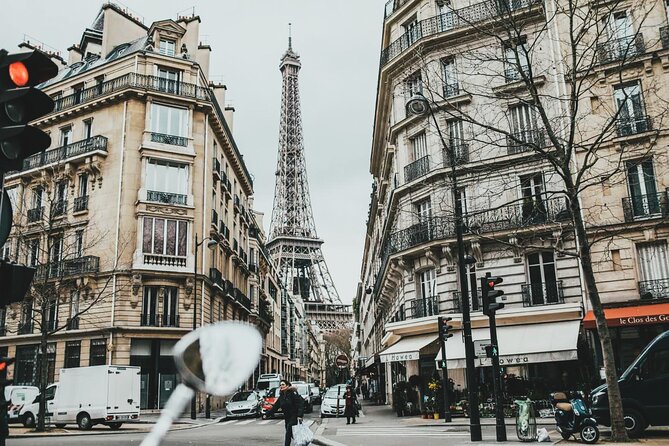
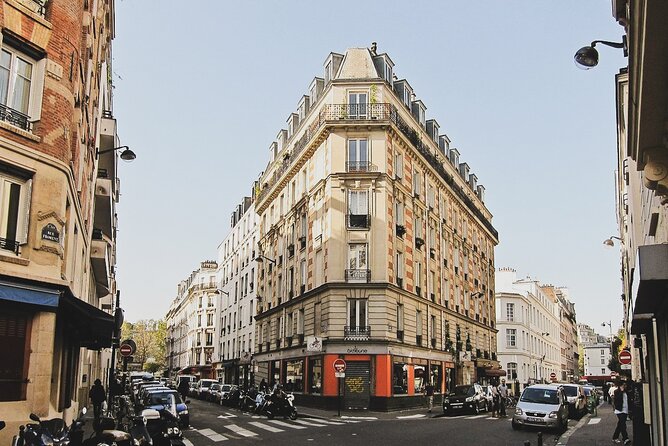
Between the bigger landmarks, you’ll pass through Rue des Cascades, described as a mix of urban charm and romantic scenery. The tour talks about endless rows of artworks, which is exactly what you should expect here: you look left, you look right, and there’s more.
This is a good “breather” stop. Not because it’s less impressive, but because it’s less about a single famous name and more about how your eye moves across a neighborhood. If you’re learning what you like in street art, this is where it clicks.
Practical tip: don’t rush this section. It’s easy to sprint through because you think you already understood the street art style. Then you turn a corner and spot something that changes your view.
Montmartre With an Underground Angle: Ending Without the Usual Crush
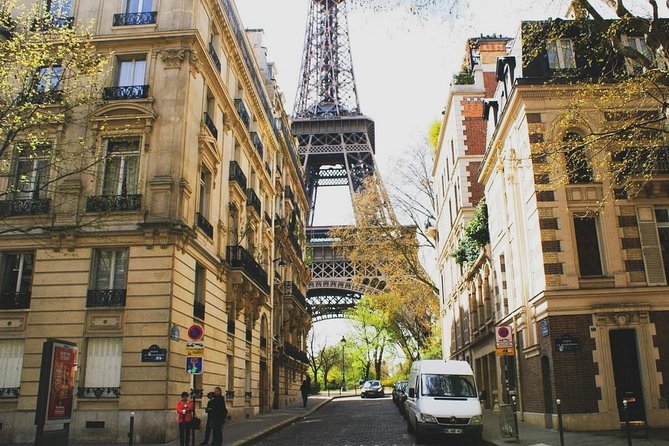
The tour finishes in Montmartre, with a focus on avoiding the most crowded tourist flow. You’ll spend about 45 minutes here, and the framing is different from the typical Montmartre circuit.
The tour describes it as an “underground” perspective, with walls covered by French and international best artists. The guide is expected to share insights into why street art has become so popular, and how that popularity affects what you’re seeing right now.
Montmartre can be packed, so this is where weather and crowd levels matter. One tour experience noted that rainy conditions and overcrowding can change the vibe near Montmartre, and that’s a fair reality check. If you’re choosing a time slot, you’ll get the best feel on a day when you’re not stepping into heavy crowds.
If you want a calm ending, bring patience. The payoff is a quieter, more art-focused Montmartre experience rather than only the postcard streets.
Price and Value: What $139 Gets You (and What It Doesn’t)
At $139 per person for about 3 hours, the price can feel steep—until you compare what’s included. You’re paying for a private local guide, custom itinerary options, and a route that hits major street art zones plus off-the-beaten spots. You’re also not paying admission fees at the listed stops, since the walk is built around street-level viewing.
Also, the experience includes advice on where to go and what to do after the tour. That’s not just small talk. It can save you time later, especially if you ask for recommendations based on the street art styles you liked.
What you should mentally budget for:
- Food and drinks (not included).
- Gratuities (optional, but it’s common practice).
And one value reality: a private tour is only worth it if the guide matches your style. Some people want lively storytelling; others want technical artist analysis. The good part is that you can ask questions and steer the conversation, since it’s private.
Who This Tour Suits Best in Paris
This street art walk is ideal if you:
- Love street art enough to want names, styles, and context.
- Prefer walking neighborhoods like a local rather than ticking off monuments.
- Want a flexible route that can fit your schedule with multiple start times.
- Appreciate photo-friendly, street-level scenes built into the itinerary.
It may be less ideal if you:
- Want a mostly seated, museum-style experience. This is active walking.
- Have very limited mobility. Moderate fitness is suggested.
- Expect a strict art lecture with zero conversation. You’ll likely be chatting with the guide.
Tips to Make Your 3 Hours More Fun (Not Just Tiring)
Street art moves fast. A guided tour helps you catch what matters, but you’ll still enjoy it more if you come prepared.
Wear comfortable shoes with good traction. Cobblestones and uneven sidewalks are common on this kind of route.
Use your camera with a plan. Take wide shots when you arrive at a wall, then switch to close-ups of details right after your guide points out the key element.
If you care about a specific theme—like women artists, political works, or hyper-realism—tell your guide early. The best experiences happen when the guide can tailor the next stop to your interests.
Finally, ask for one or two follow-up suggestions. The tour includes expert advice on where to go after, and that’s how you leave with more than just photos.
Should You Book This Private Street Art Tour?
I think you should book it if you want street art to feel like a guided conversation instead of random sightseeing. The biggest strength is the private local expert approach plus a route that strings together multiple recognizable neighborhoods: Belleville’s walls, the canal stretch, the Rosa Parks tribute wall on Rue Riquet, and a Montmartre finish with an art-first lens.
If you’re the type who just wants to wander on your own, you could find graffiti without paying. But paying makes sense when you want the context, the artist connections, and the photo-friendly pacing in a limited time window.
One last check: choose your start time wisely, especially if Montmartre crowds or rain worry you. If you can pick a calmer moment, you’ll get the best mix of quiet looking and guided interpretation.
FAQ
How long is the private street art tour in Paris?
It runs for about 3 hours.
Is the tour private, or do I join other people?
It’s a private tour/activity, so only your group participates.
Do I need to pay for admission during the stops?
Admission tickets are free for the listed stops.
Where does the guide meet me?
The guide meets you at your hotel lobby. You’ll need to provide the exact name and address of your hotel.
Does the tour offer pickup?
Pickup is offered.
What language is the tour in?
The tour is offered in English.
What kind of walking level should I expect?
A moderate physical fitness level is suggested.
What is the cancellation policy?
Free cancellation is available. You can cancel up to 24 hours in advance for a full refund. If you cancel less than 24 hours before the start time, the amount you paid will not be refunded.