Making macarons in Marseille is way more fun up close. This private French Pastry Class is taught in English by Justine, who coaches you step-by-step as you mix, pipe, assemble, and learn the why behind the technique. It’s also a great break from sightseeing: you’ll spend a few focused hours in a local home, then eat the results.
What I like most is how hands-on the class is. You’re not sitting there watching—your group does the work, and Justine stays right with you to correct details so your pastries actually turn out. The second big win: you leave with recipes (often with photos) and clear directions so you can repeat the results at home.
One thing to consider: this is scheduled in a morning or afternoon window, so it’s not the best choice if you want something completely flexible on the fly. Also, the exact pastries can vary based on what you choose and what’s available, so you’ll want to make your pick before you go in.
In This Review
- Key highlights you’ll feel right away
- What you’ll learn in a 2.5-to-3-hour session
- What you can make: macarons, tarts, and choux dough skills
- Justine’s teaching style: hands-on, patient, and practical
- Morning vs afternoon timing in Marseille
- The meeting point at 175 Rue Breteuil (and how to get there)
- What “private” really means here
- Food, comfort, and the “eat what you made” payoff
- Value check: $97.66 for a coached French pastry experience
- Who this class fits best (and who might pass)
- Should you book? My straight advice
- FAQ
- What is the duration of the Private French Pastry Class in Marseille?
- Where does the class meet and where does it end?
- How much does it cost per person?
- Is this class private or shared with other groups?
- What language is the class offered in?
- When will I receive confirmation after booking?
- Is there transportation nearby?
- Does it provide a mobile ticket?
- Can I cancel for a full refund?
Key highlights you’ll feel right away
- Private, English-led coaching: Justine guides your specific group with close attention.
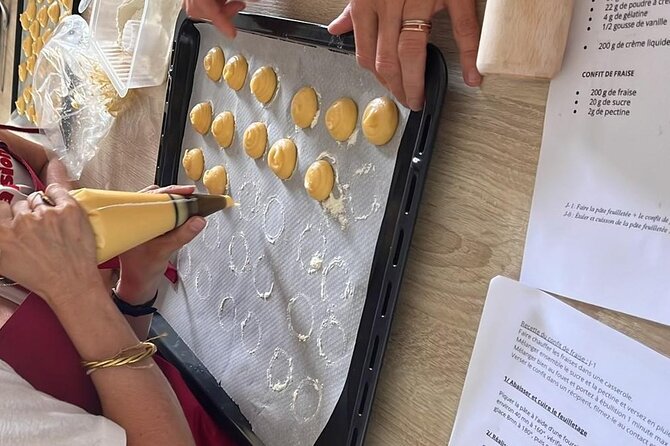
- You bake, not just watch: classic French pastries are built by your own hands.
- Take-home recipes: guidance is designed for you to repeat the pastry at home.
- A relaxed home setting: the class often includes time to enjoy what you make in a garden or patio feel.
- Beginner-friendly pacing: patience and practical tips come up again and again in real experiences.
What you’ll learn in a 2.5-to-3-hour session
The class runs about 2 hours 45 minutes in practice, with set start times either 10:00 a.m. to 12:30 p.m. or 2:00 p.m. to 4:30 p.m. That timing matters, because pastry needs real, uninterrupted steps—mixing, resting, baking, and assembling. Plan to treat it like a mini-activity day, not a quick stop.
Your session centers on French-style techniques that go beyond “follow the recipe.” You’ll learn how to handle dough and fillings the way pastry chefs do, including timing and texture cues (when something looks right, feels right, or needs a correction). The goal is not just a pretty result—it’s repeatable technique.
And yes, you’ll actually eat what you bake. Multiple experiences point to enjoying the pastries together at the end, in a home-like setting that makes the whole thing feel calm instead of rushed.
You can also read our reviews of more private tours in Marseille



What you can make: macarons, tarts, and choux dough skills
One of the best parts here is variety. The class is designed around classic French pastries, and you’ll have a choice of what to make. From the experiences shared, the most common picks include:
Macarons
Expect a lesson on delicate batter and careful technique—especially important if you’re new to piping and shell formation. Several people describe making combinations like lemon and raspberry macarons and raspberry/chocolate macarons, and walking away feeling confident enough to try again later.
Tarts (lemon, raspberry, strawberry)
These focus more on structure and assembly than delicate shell work. People highlight making raspberry tarts, lemon tarts, and even lemon tart with French meringue. If you like flavor that lands clearly (citrus, berries) and want a pastry that looks impressive without being totally mysterious, tarts are a strong bet.
Cream puffs and choux pastry
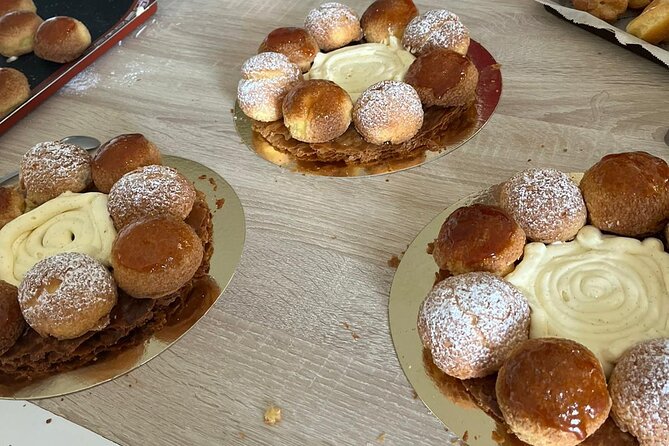
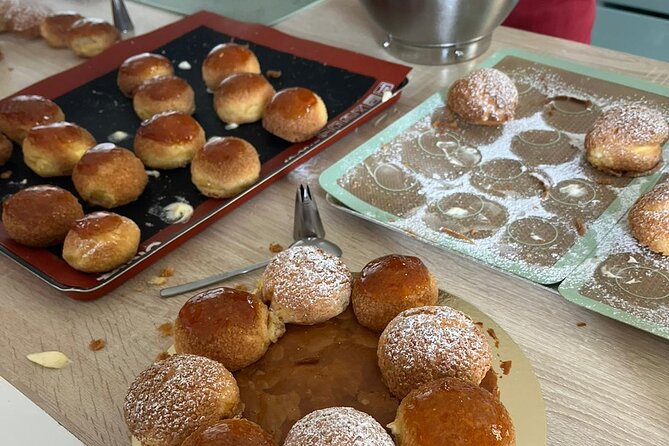
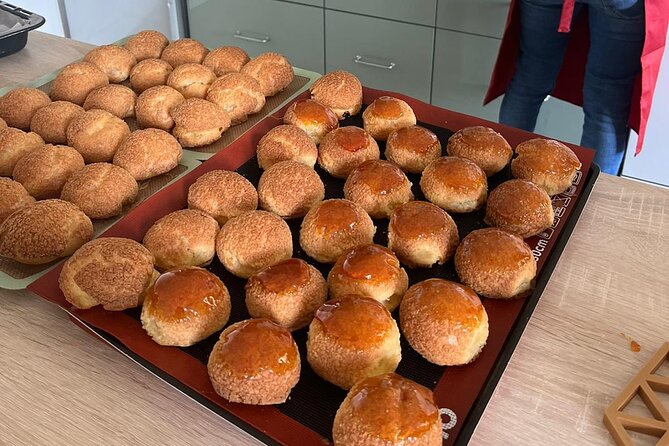
If you want the classic “wow” pastry that looks fancy but teaches great technique, choux shows up again and again. Expect coaching for the choux dough and filling—people describe making vanilla bean cream puffs and cream puffs with thorough guidance so you can recreate the process later.
Croquettes (and other small bites)
Some experiences mention learning to make things like croquettes too, depending on your class selections and what’s practical for the day.
Here’s the key: whatever you choose, the real value is the technique. If you pick macarons, you learn control of batter and piping. If you pick tarts, you learn pastry base and assembly. If you pick choux, you learn dough behavior and filling structure. That’s why people keep calling it educational and “fun and relaxing” at the same time.
Justine’s teaching style: hands-on, patient, and practical
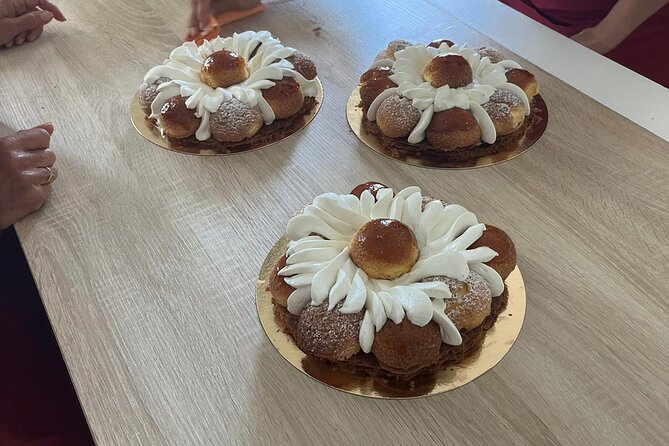
Justine stands out because she’s not just friendly—she’s involved. Many experiences describe her as hands-on and “very kind and welcoming,” with a teaching method that’s easy to follow even if you don’t bake much at home.
The pattern you’ll notice in the details:
- She sets you up with what you need already prepared.
- Then she coaches your steps while you’re doing them.
- She checks your work so you’re not guessing when something is going wrong.
That matters because French pastry is full of small, technical moments. A few degrees, a timing difference, or a texture issue can change the result. When the instructor stays with you through the tricky parts, you’re much more likely to end up with pastries that look right and taste right.
Also, English instruction is confirmed. If language worries usually slow you down, this is the kind of class where you can relax and focus on the pastry.
Morning vs afternoon timing in Marseille
Your schedule is basically two choices:
- Morning session: 10:00 a.m. to 12:30 p.m.
- Afternoon session: 2:00 p.m. to 4:30 p.m.
That choice affects your day in Marseille. If you’re sightseeing early (Vieux-Port, Old Port areas, viewpoints), the afternoon class can feel like a gentle reset. If you prefer a slower start, the morning session gives you the rest of the day to wander and digest pastry results.
Duration also lines up with the kind of work pastry requires. You’ll need time for things to rest and bake, then time to assemble. The class gives you a structured arc, so you don’t get stuck waiting around with nothing to do—your group keeps moving through the process.
The meeting point at 175 Rue Breteuil (and how to get there)
You’ll meet at 175 Rue Breteuil, 13006 Marseille, France, and the activity ends back there. The location is listed as being near public transportation, which is ideal when you don’t want to fight parking or figure out local routes mid-lesson.
Some experiences mention a parking garage around the corner, which can help if you’re driving or renting a car. In any case, this is a home-based setup, so I’d plan to arrive a few minutes early and treat it like you’re going to someone’s kitchen—not a big public venue.
What to bring? The class is set up for you, and experiences mention the instructor having essentials ready and clear take-home materials. Still, bring your normal cooking mindset: tie back long hair, wear something you don’t mind getting a little flour-adjacent on.




What “private” really means here
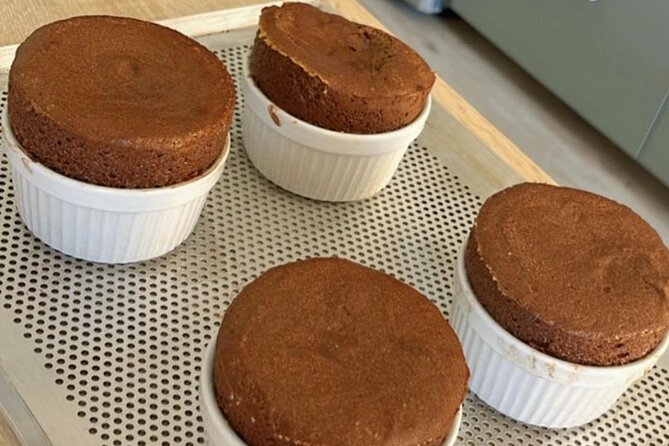
This is a private class, meaning only your group participates. In real terms, that usually changes everything: more instructor attention, less waiting, and more time for questions while you’re in the middle of a step.
This kind of class is especially strong for mixed skill groups. Experiences include families with kids (including teens and younger ages) and also couples where one person is a confident baker and the other is starting from scratch. The consistent theme is that Justine adjusts the pacing without making it feel like she’s talking down to anyone.
If you’re traveling with multiple people, private also makes it easier to coordinate which pastries you’ll make. And it’s more comfortable if you want to ask about technique and not feel like you’re competing with a big class.
Food, comfort, and the “eat what you made” payoff
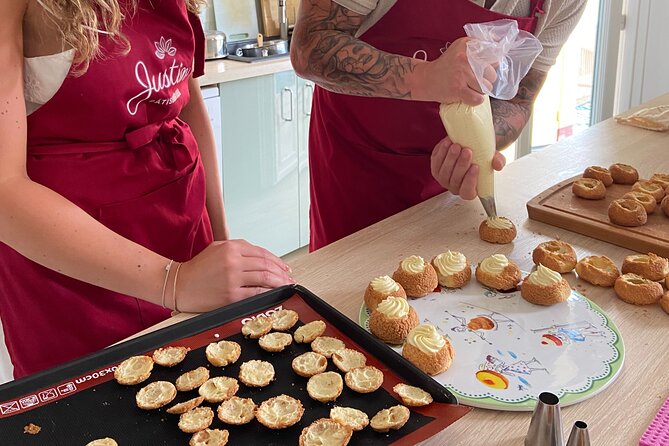
Pastry classes can sometimes be all work and no comfort. Here, there’s a clear human touch. Experiences mention water, coffee, and snacks, which helps when you’re focused on timing and temperature.
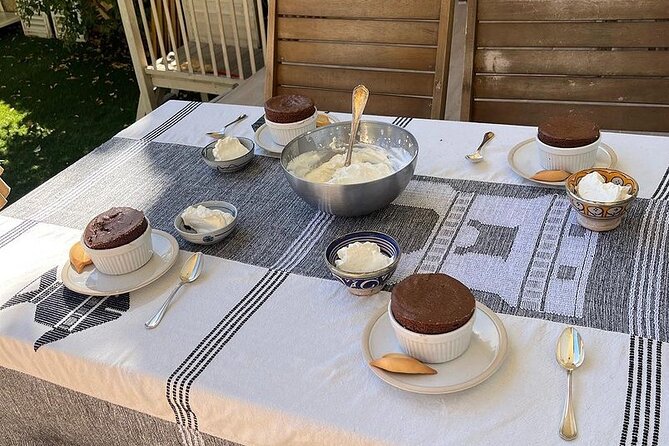
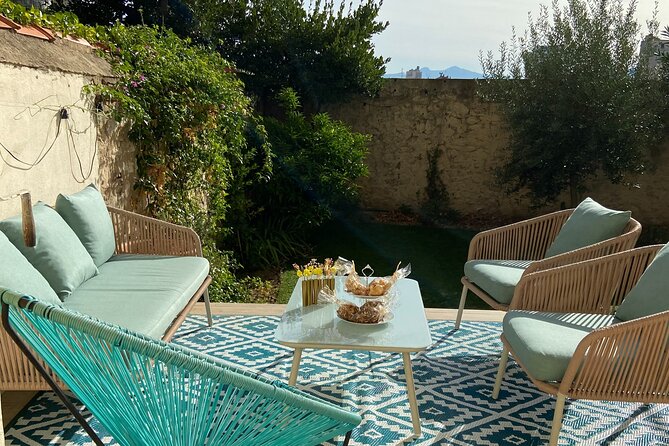
Many people also describe a patio/backyard or garden-style setting for enjoying what you bake. That part is underrated. You’re not just learning pastry; you’re also getting a calm moment to talk, relax, and actually taste your results together.
And yes, the finished pastries show up as a big part of the positive experience: people describe macaron shells with great texture, tarts that look beautiful, and choux that comes out delicious. That matters because the lesson sticks when you’re proud of what you made.
Value check: $97.66 for a coached French pastry experience
At $97.66 per person, the value comes down to what you’re really buying: technique coaching plus a private setting plus take-home instructions, all tied to a pastry you can recreate.
Here’s how I’d think about it:
- If you like cooking classes, you’re paying for guided skill, not just entertainment.
- Private instruction is usually costlier than group classes, but it can also be more effective if you want real feedback.
- The take-home recipes (often with photos and clear directions) add practical value. You’re not leaving empty-handed except for a sweet memory—you’re leaving with a plan.
The duration also supports the price. This isn’t a quick 60-minute “try your hand.” It’s long enough for meaningful steps, hands-on work, and assembly, which is exactly when people start learning.
If you’re on a tight budget, you might compare it to public cooking demos. But if your goal is to learn techniques you can use again, this pricing makes more sense.
Who this class fits best (and who might pass)
This works best if:
- you want a hands-on experience where your group bakes, assembles, and finishes.
- you’d enjoy French pastry in a relaxed, home-like setting rather than a commercial kitchen.
- you want English instruction with patient coaching.
It might be less ideal if:
- you only want a quick taste and photos, with zero baking work.
- you prefer highly flexible timing and last-minute spontaneity (the class is locked to specific session windows).
- you’re traveling with strict dietary needs not mentioned in the available details. If that’s you, I’d message ahead and confirm what’s possible.
Should you book? My straight advice
I’d book this class if you want one of the more memorable “I learned something real” food experiences in Marseille. The combination of a private group, hands-on coaching by Justine, and recipes you can bring home is the sweet spot.
Choose the pastry that matches your mood:
- If you love delicate detail, pick macarons.
- If you want bright, classic flavor and a pastry that looks impressive, pick tarts.
- If you want that bakery-style payoff and solid technique, pick choux/cream puffs.
In short: if you’re the type who likes to come home with a skill, not just souvenirs, this one is worth it.
FAQ
What is the duration of the Private French Pastry Class in Marseille?
The class is listed at about 2 hours 45 minutes. Sessions run either 10:00 a.m. to 12:30 p.m. or 2:00 p.m. to 4:30 p.m.
Where does the class meet and where does it end?
You meet at 175 Rue Breteuil, 13006 Marseille, France. The activity ends back at the meeting point.
How much does it cost per person?
The price is $97.66 per person.
Is this class private or shared with other groups?
This is a private tour/activity. Only your group participates.
What language is the class offered in?
The class is offered in English.
When will I receive confirmation after booking?
Confirmation is received within 48 hours of booking, subject to availability.
Is there transportation nearby?
Yes, it’s near public transportation.
Does it provide a mobile ticket?
Yes, the tour includes a mobile ticket.
Can I cancel for a full refund?
Free cancellation is available. You can cancel up to 24 hours in advance for a full refund. If you cancel less than 24 hours before the start time, the amount paid is not refunded.