REVIEW · PARIS
Paris: Skip-the-Line Louvre Highlights Tour with Mona Lisa
Book on GetYourGuide →Operated by Walks France-Spain · Bookable on GetYourGuide
Skip the Louvre chaos, fast. This 2-hour skip-the-line tour is built for people who want the big hits without losing an hour just figuring out where to go.
I like that you get an expert art historian guiding the route, and you also wear a headset so you don’t miss the stories in the middle of the crowds.
One thing to plan for: it’s a walking tour at a moderate pace, and it isn’t suitable for mobility impairments or wheelchairs.
In This Review
- Key highlights at a glance
- How the Louvre Gets Manageable in Just 2 Hours
- Meeting the Guide: Arc du Carrousel, Not the Champs-Élysées
- Skip the Line: What This Does for Your Day
- The Headsets: Why They Change the Experience
- The 2-Hour Louvre Route: What You’ll Actually See
- Winged Victory of Samothrace: The Moment It Hits
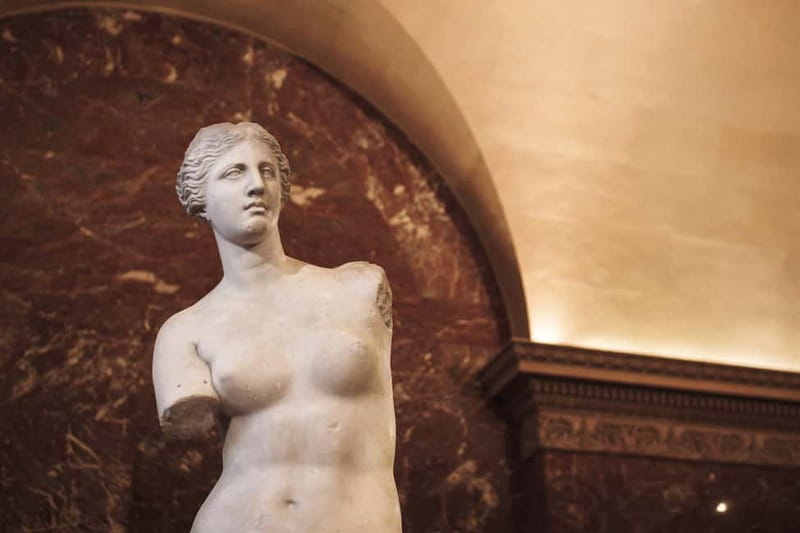
- Venus de Milo: Sculpture That Still Feels Alive
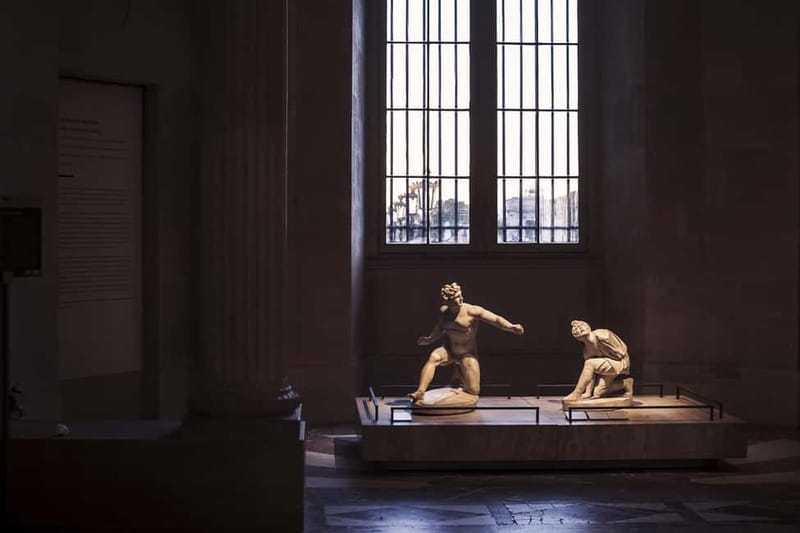
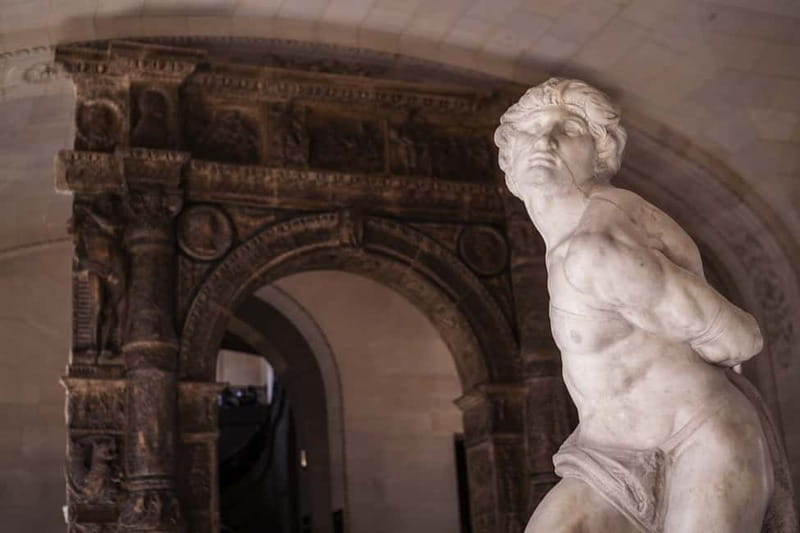
- Michelangelo’s Slaves: Where Motion Meets Meaning
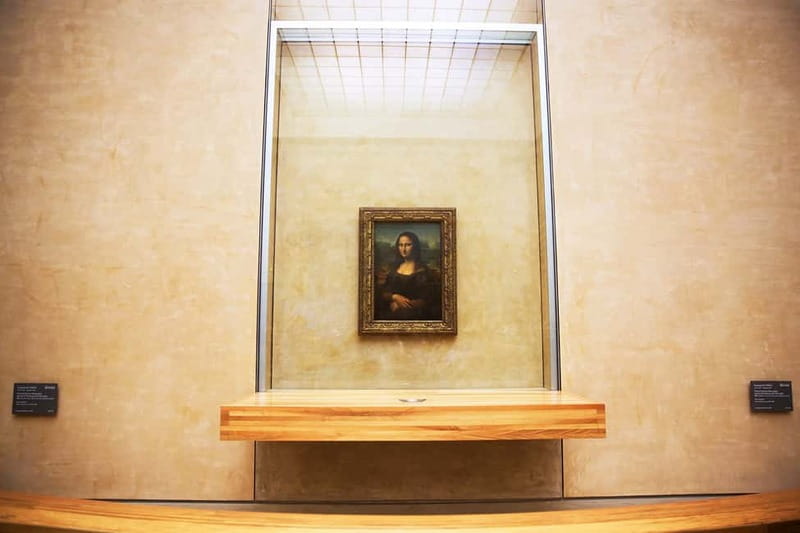
- Mona Lisa: The Stop Everyone Comes For
- The Stories That Connect the Art to the Louvre Itself
- What to Bring (and What to Leave Behind)
- Who This Tour Works Best For
- Timing Tips That Make the Tour Feel Easier
- Price and Value: Is $93 Worth It?
- The People Factor: Guides Make or Break It
- Should You Book This Louvre Skip-the-Line Highlights Tour?
- FAQ
- Where does the tour meet?
- How long is the tour?
- How much does it cost?
- Is there skip-the-line entry?
- What’s included in the tour?
- What should I bring?
- What’s not allowed during the tour?
- Is the tour suitable for mobility impairments or wheelchairs?
- What language is the tour in?
- Is free cancellation available?
Key highlights at a glance
- Arc du Carrousel meeting point makes finding your tour straightforward (if you arrive early)
- Skip-the-line entrance cuts out the worst queue time inside the Louvre
- Headsets included so you can hear your guide without craning your neck
- Big-name masterpieces like Mona Lisa, Venus de Milo, and Winged Victory
- Art history connections linking sculpture, painting, and the Louvre building itself
- Small or private group options for a more personal feel than a mega-tour
How the Louvre Gets Manageable in Just 2 Hours
The Louvre is massive. If you show up with a map and a good attitude, you still risk spending your time walking between masterpieces that you hardly have time to see. This tour solves the main problem: it turns the museum into a short, focused path through the works everyone comes to find.
The tour runs for about 2 hours, which is short by Louvre standards. Still, that short time is the whole point. You don’t leave with every gallery checked off; you leave with the museum’s best-known anchors and a clear sense of what you’re looking at when you return later.
I also like that the experience includes a headset system. In a place like the Louvre, sound can disappear fast, especially when groups cluster. With the headset, you can keep your attention on the art instead of hunting for the guide’s voice.
A few more Paris tours and experiences worth a look



Meeting the Guide: Arc du Carrousel, Not the Champs-Élysées
Your meeting point is outside the Louvre area, at the Arc de Triomphe du Carrousel—not the Arc de Triomphe de l’Étoile on the Champs-Élysées. When you’re facing the arc, you meet at the winged statue on the left.
Your guide holds a green Walks sign, and the instruction is to arrive 15 minutes early. That extra time matters in real life. The Louvre’s outer streets can look similar, and even a small delay can put you behind the group before you ever get inside.
Practical tip: use the nearby landmarks. You’re meeting opposite the pyramid area, in front of the Tuileries Gardens entrance side, rather than across the city. If it’s raining, give yourself extra minutes and plan to stay close to the arc so you don’t lose the meeting window.
Skip the Line: What This Does for Your Day

This is a skip-the-line tour, using a separate entrance route. That matters because the standard approach inside the museum often means long waits before you see anything. For a 2-hour highlights tour, time is the currency.
By entering efficiently, you’re more likely to get to the most in-demand works while they’re still part of your day’s momentum. It also makes the tour feel less like a sprint and more like a guided sequence of stops.
Also worth noting: the Louvre can close areas due to strikes, and your guide may need to modify the route depending on closures. That flexibility is part of the deal when you’re touring a living museum. If something is shut on the day, the goal is still to get you through the most important highlights.
The Headsets: Why They Change the Experience
You’re given personal headsets, and that’s not just a nice extra. It’s a serious upgrade for comfort and focus.
Here’s why: the Louvre is full of visual noise. People shift around you, and you can easily end up watching the back of someone’s camera instead of seeing the artwork. When your guide is speaking through the headset, you can stay closer to the object you’re viewing without constantly turning your head to track the guide.
It also helps with pace. Your guide can keep moving at a steady rhythm, and you can follow along with clear context instead of asking the same question twice because you couldn’t hear it the first time.
The 2-Hour Louvre Route: What You’ll Actually See
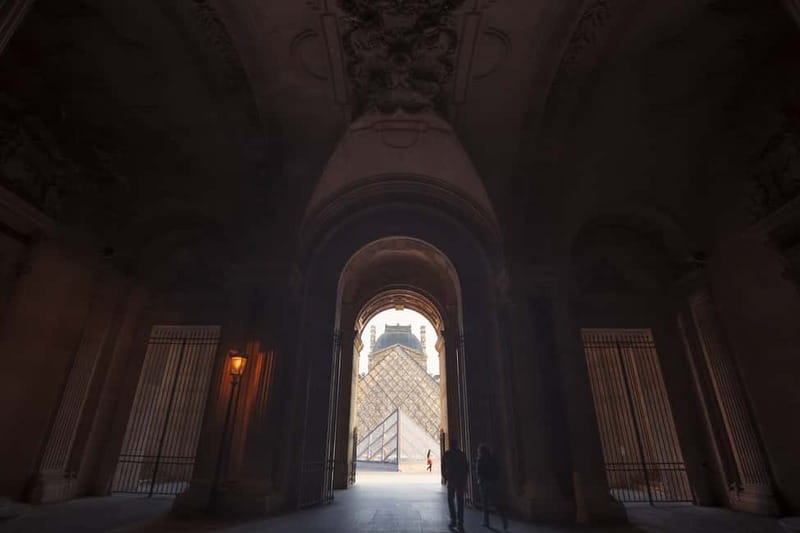
This tour is built around iconic works and the stories that connect them. You won’t attempt the whole museum. Instead, you get a high-impact sample that helps you understand what makes the Louvre feel like a greatest-hits album.
You start with a quick photo stop at the Louvre area, then you head inside and follow a guided walk between galleries. The route is designed so you don’t get lost in the museum’s scale.





Winged Victory of Samothrace: The Moment It Hits
One of the anchors on the route is Winged Victory of Samothrace, a 2nd century BC sculpture known as a major masterpiece of Hellenistic art. When you see it in person, the size and drama are hard to replicate in photos.
What your guide adds here is context: why this type of sculpture mattered, how it was meant to be experienced, and how the Louvre became a home for works that once belonged to completely different worlds.
A practical note: this is a popular stop, so expect a bit of crowding. Your best move is to stay with the group and let the guide coach you on what to look for rather than trying to angle for the perfect photo immediately.
Venus de Milo: Sculpture That Still Feels Alive
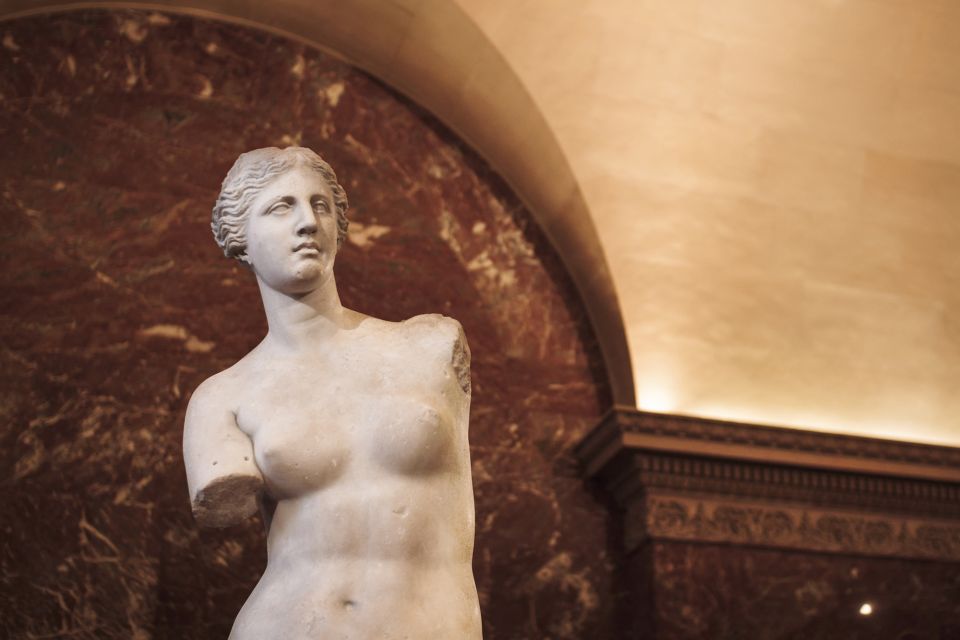
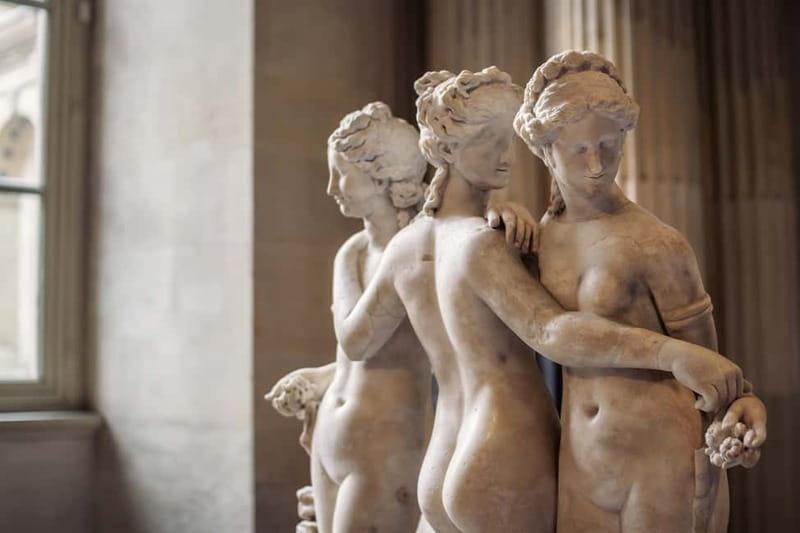
Next up is Venus de Milo. You’ve likely seen her in textbooks or on museum posters, but the actual presence is the point. The guide helps you notice details that are easy to miss when you’re just trying to spot the famous face and move on.
Your value here is not just seeing the statue. It’s learning how to read sculpture: posture, expression, and the way the Louvre’s setting shapes how you interpret the work.
Michelangelo’s Slaves: Where Motion Meets Meaning
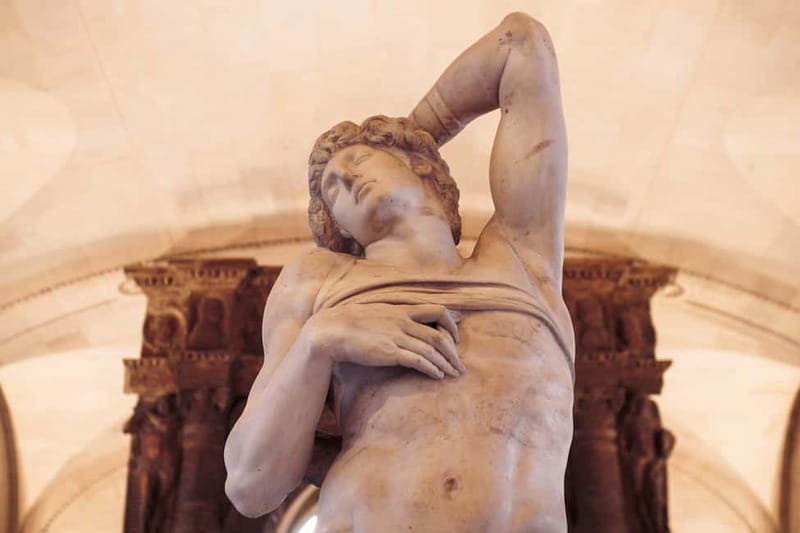
The highlights route also includes Michelangelo’s Slaves. These works show up as a name you hear often, but your eyes need guidance to understand the difference between recognizing a title and actually seeing a work.
Your guide’s role is to connect what you’re looking at to the bigger story of Renaissance art and the movement of ideas across time. Even in a short tour, this kind of framing helps the artworks feel less like museum objects and more like human decisions—artists working with skill, goals, and symbolism.
Mona Lisa: The Stop Everyone Comes For
Yes, you’ll see the Mona Lisa. But the real win is how you see her.
The guide explains why this painting is considered so important, and they also unpack what makes it feel mysterious. You’ll get details tied to da Vinci and the artwork’s reputation, so the famous smile turns into something you can discuss instead of just stare at for a few seconds.
You’ll want to keep expectations realistic: the Louvre is famous for crowds around this piece. The tour format helps because your guide knows how to manage timing and keep you oriented.
The Stories That Connect the Art to the Louvre Itself
The highlights tour doesn’t treat the Louvre like a photo gallery. It also treats the building like part of the show.
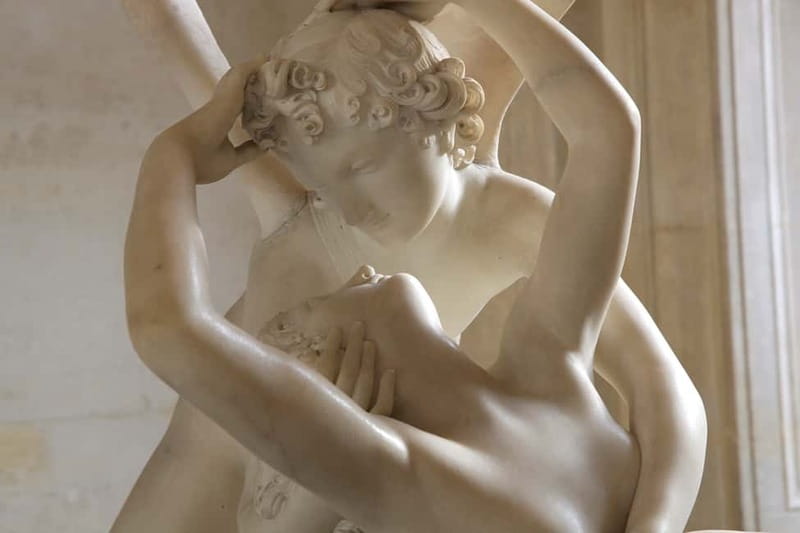
As you walk, your guide brings the collection to life with stories about artists such as Antonio Canova, Théodore Géricault, Eugène Delacroix, and Jacques-Louis David. You’re not just hearing random facts. You’re getting a sense of how styles, politics, and tastes changed over time—and why those changes matter when you’re looking at objects across centuries.
You’ll also learn about the palace side of the Louvre: the opulent stonework, intricate frescoes, and the royal dramas that once played out in the same rooms you’re standing in. That’s one of the things that makes the Louvre feel extra special. It’s not only art storage; it’s been a stage.
What to Bring (and What to Leave Behind)
This tour keeps things simple. You should bring passport or ID, and you’ll want comfortable shoes since you’re walking at a moderate pace.
Avoid oversize luggage and large bags. Baby strollers are also not allowed. The goal is to keep movement quick and manageable inside busy galleries.
If you’re traveling with more than just a day bag, plan to travel light for this one. You’ll enjoy the route more when you’re not worrying about where to stash something while the group is moving.
Who This Tour Works Best For
This is a good fit if you:
- want the Mona Lisa + top sculpture highlights without building your own route
- feel overwhelmed by the Louvre’s size
- want a strong foundation so you can explore on your own afterward
- prefer small or private group options rather than a massive crowd
It’s also a smart choice if you only have part of a day. Two hours won’t replace a full multi-day Louvre visit, but it can turn your first visit into something you understand.
One caution: it’s not suitable for people with mobility impairments or wheelchair users. The walking pace and indoor movement aren’t set up for that. If that affects your plans, consider a different format that fits your needs better.
Timing Tips That Make the Tour Feel Easier
You’ll get the best experience when you treat this like a planned sprint with breaks. Wear shoes that handle museum floors, and arrive early to start calmly.
If you have flexibility, going earlier in the day can help with crowds. The tour itself is designed to reduce waiting, but your enjoyment still improves when the overall museum is less packed.
Also keep an eye on what your guide says on the day. Some areas may close, and route adjustments can happen. If something changes, it’s usually done to protect your time and keep you moving through the most important sections.
Price and Value: Is $93 Worth It?
At $93 per person for about 2 hours, you’re paying for three main things:
1) time savings from skipping the line
2) expert-led direction through a museum that is otherwise easy to misread
3) headsets, which help you actually hear and absorb the explanations without fighting the noise
If you’re the type of person who would wander for an hour trying to find the right wing, the guide cost starts to feel like a bargain. If you already know exactly where everything is and you’re comfortable planning a self-guided route, you might feel the price is more optional. But for first-time visits, or any trip where time is tight, it’s a solid way to buy clarity.
I also like the small-group angle. When you’re not swallowed by a huge group, you get more control over your attention and questions.
The People Factor: Guides Make or Break It
The biggest pattern from strongly rated experiences is that the guide energy matters. Many bookings single out guides like Adam, Anton, Isolde, Felix, Clare, and Omar for the same reason: they turn famous art into understandable art.
You’ll likely get:
- humor and upbeat pacing
- a sense of what to look at first
- answers that make the art feel connected instead of random
You can’t guarantee who you’ll get, but you can choose the tour type with the expectation that the guides are the core product.
Should You Book This Louvre Skip-the-Line Highlights Tour?
Book it if:
- you want the Mona Lisa, Venus de Milo, and Winged Victory with expert context in a short time
- you’re worried about getting lost or wasting hours in museum lines
- you like guided routes that set you up to explore again later with better instincts
Skip it or consider another option if:
- you need an accessibility-friendly route (this one isn’t for wheelchair users or mobility impairments)
- you want a slow, deep museum day with long stays in only a few galleries
- you’re traveling with lots of bulky items that you can’t store easily
If your goal is the Louvre’s core hits, without the stress, this is one of the most practical ways to make your visit work.
FAQ
Where does the tour meet?
Meet at the statue next to the Arc de Triomphe du Carrousel in front of the Louvre, opposite the pyramid at the entrance of the Tuileries Gardens. Your guide will hold a green Walks sign. When facing the arc, meet at the winged statue on the left.
How long is the tour?
The tour lasts 2 hours.
How much does it cost?
The price is $93 per person.
Is there skip-the-line entry?
Yes. The tour includes skip-the-line tickets for the Louvre Museum, using a separate entrance.
What’s included in the tour?
Included are the skip-the-line Louvre ticket, a local English-speaking guide, a guided walking tour, and headsets.
What should I bring?
Bring your passport or ID card and wear comfortable shoes.
What’s not allowed during the tour?
Oversize luggage, baby strollers, and luggage or large bags are not allowed.
Is the tour suitable for mobility impairments or wheelchairs?
No. It is not suitable for people with mobility impairments, wheelchair users, or strollers.
What language is the tour in?
The tour is in English.
Is free cancellation available?
Yes. You can cancel up to 24 hours in advance for a full refund.