REVIEW · PARIS
Paris: Roland-Garros Stadium Guided Backstage Tour
Book on GetYourGuide →Operated by Cultival · Bookable on GetYourGuide
A backstage pass to Paris tennis feels surreal. You’ll tour Roland-Garros with a live guide, then finish at the legendary Philippe Chatrier court, where the clay-court world is framed by that famous retractable roof.
I love the walk-and-see format: you’re not stuck staring at a single view. You get real access to behind-the-scenes spaces like the media and player routes, including the corridor that leads toward the clay.
One watch-out: this tour can run with a larger group, so if you need quiet for listening, aim for a good spot near the guide—also, language strength varies by group.
In This Review
- Roland-Garros Gate 36: Where You Start at Avenue Gordon-Bennett
- The 90-Minute Backstage Loop: What You Really See
- Presidential Tribune, Media Rooms, and Player Areas
- Walking the Corridor Toward the Clay Courts
- Philippe Chatrier Court: Retractable Roof and City-Frame Views
- Four Musketeers and the Champions: How the Stories Land
- Price and Value: Is $24 for 90 Minutes a Good Deal?
- Language, Group Size, and How to Make It Easier to Enjoy
- Who Should Book This Roland-Garros Backstage Tour
- Should You Book This Roland-Garros Backstage Tour?
- FAQ
- How long is the Roland-Garros stadium guided backstage tour?
- What languages are available for the tour guide?
- Where do I meet for the tour?
- What’s included in the tour price?
- Is the tour wheelchair accessible?
- Is free cancellation available?
Roland-Garros Gate 36: Where You Start at Avenue Gordon-Bennett
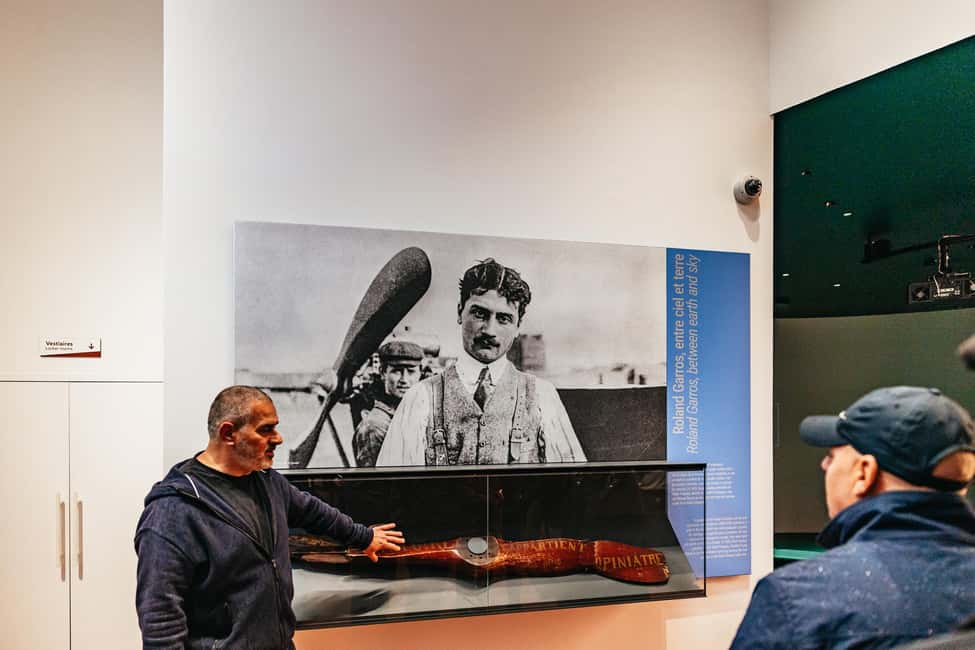
Your tour begins at Avenue Gordon-Bennett, meeting inside the Grande Boutique at Gate 36. Plan to arrive a few minutes early; the stadium complex is big, and you’ll want a calm start before the group is called in.
The upside of this meeting setup is simple: you start inside a stadium hub, so you’re already oriented before the tour moves into restricted-feeling areas. If you’ve ever struggled with a wrong pin on a map listing, I’d treat this like a “follow the address, not the dot” moment.
The shop can be a nice time-saver too. It’s open from 9:30 AM to 6:30 PM, so you can browse before or after your tour if your schedule is flexible.
The 90-Minute Backstage Loop: What You Really See
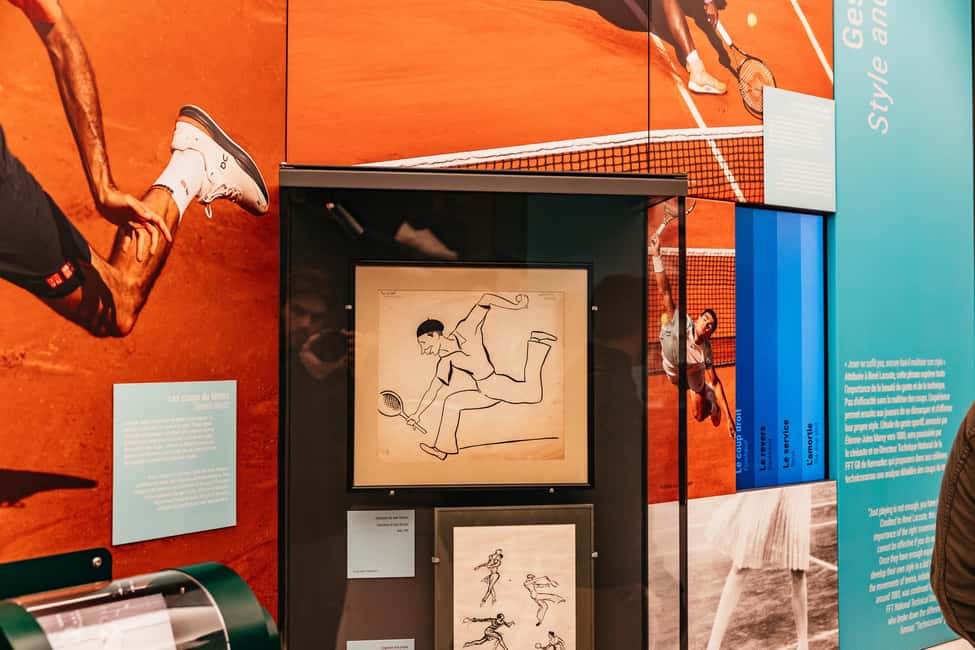
This is a 90-minute guided experience with an entrance fee included. That time matters here, because a backstage stadium tour lives or dies by how much you actually walk through and how many specific areas you can access without rushing.
You’ll tour Stade Roland Garros first with your guide, then move to Philippe-Chatrier Court for the centerpiece portion, before returning back to Avenue Gordon-Bennett. It’s a clear route, and it keeps you from wasting time zig-zagging across the grounds.
If you like sports as theater, this format works. You get a sense of how match day runs—without needing to catch the French Open in person.
You can also read our reviews of more guided tours in Paris


Presidential Tribune, Media Rooms, and Player Areas
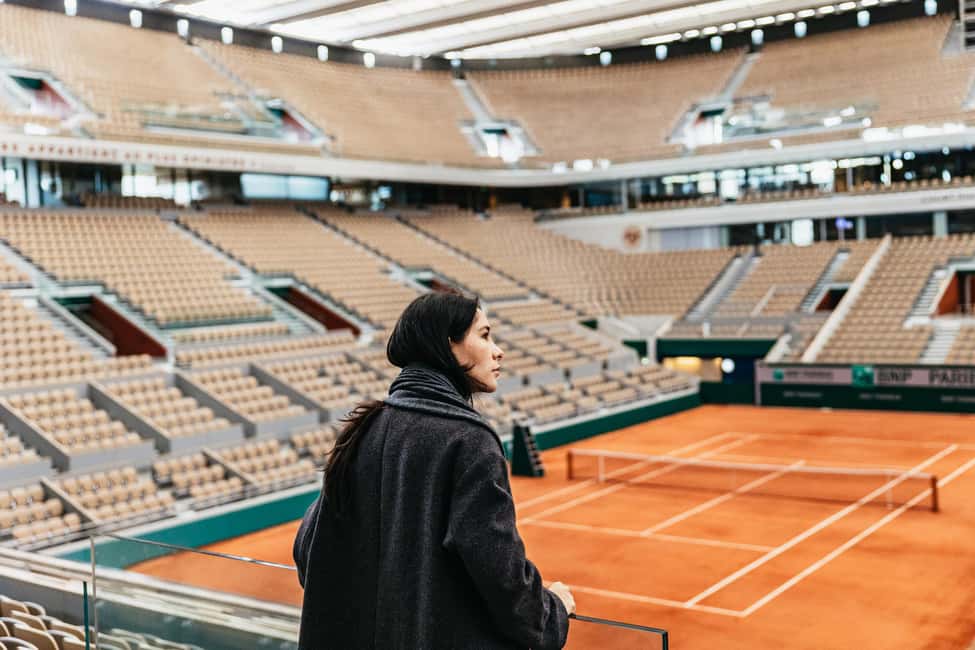
One of the biggest reasons I’d prioritize this tour is the access feel. You’re not only seeing stands and seats; you’re getting to step into spaces that make tennis feel like an organized machine.
Highlights you should expect include:
- Access around key stadium areas tied to match operations
- Time in press and media-type zones, where tennis stories get shaped
- Player-related areas connected to how people move and prepare
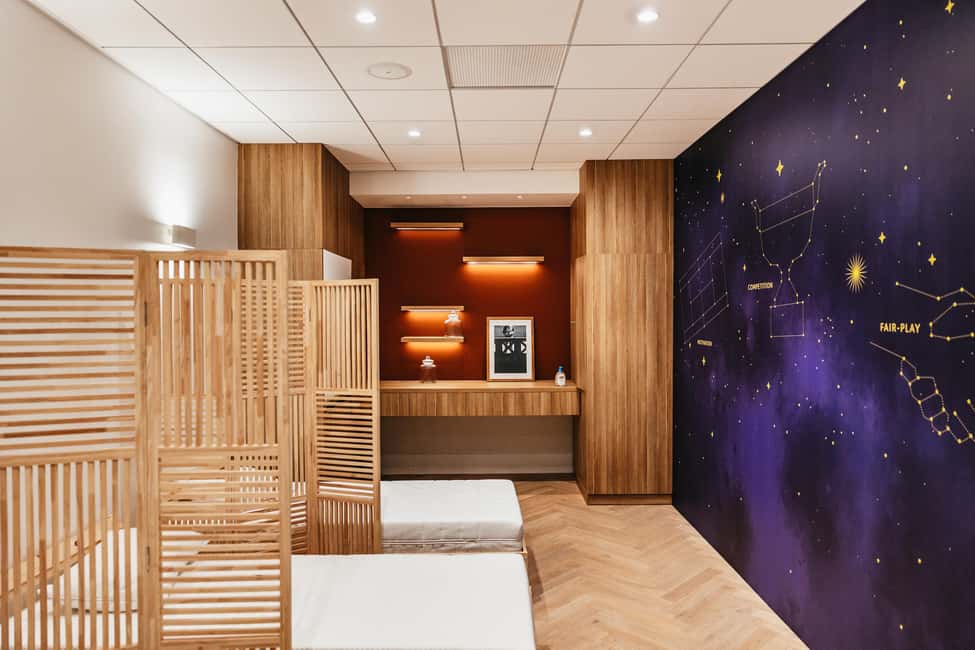
In the media rooms, some guides even turn the space interactive—one visitor described mock interviews, which is exactly the kind of fun that turns a tour from sightseeing into a full experience. And several people mentioned seeing trophies behind glass and major match facilities, which gives you that “this is where the work happens” feeling.
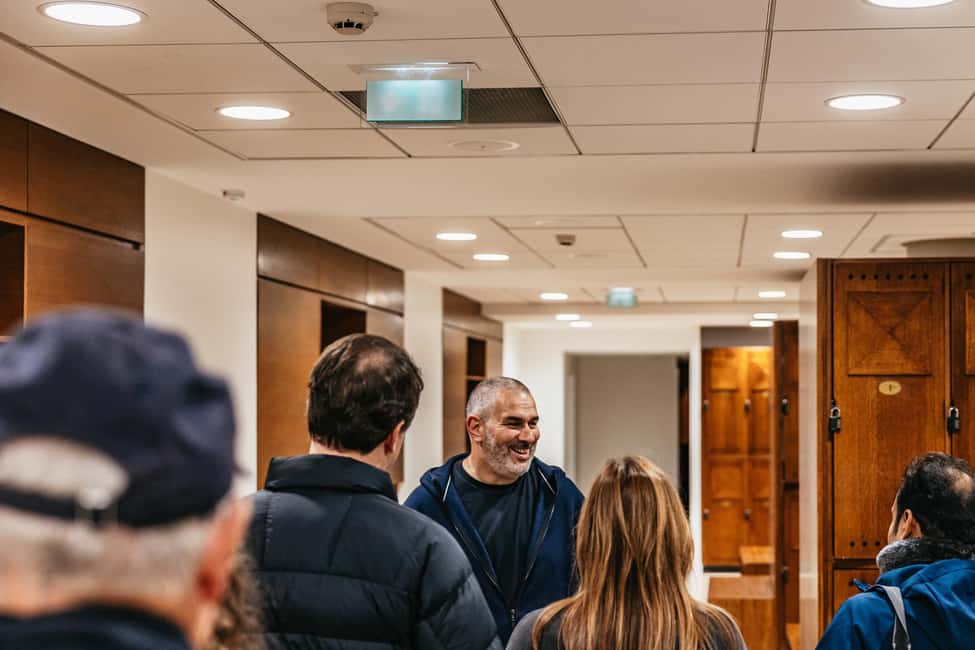
There can be occasional limitations on certain day-access. One visitor noted the locker-room access was affected by renovations, so if that happens during your date, don’t assume the tour is suddenly worse. Your guide will still steer you through a lot of the important behind-the-scenes stops.
Walking the Corridor Toward the Clay Courts

If you want one moment that feels most like being inside tennis, it’s the walk in the footsteps idea—your route takes you through the corridor that connects stadium areas and leads toward the clay court. That’s the kind of detail that makes the stadium stop being a building and start being a pathway.
When you’re inside that player route, you understand why tennis is a mental game. You’re seeing where athletes transition from prep mode to performance mode. Even if you’ve only watched from a TV screen, it clicks faster in person.
This is also where the tour’s storytelling earns its keep. A good guide ties the route to champions—Rafael Nadal is the obvious anchor, but you’ll also hear about other French Open legends such as Steffi Graf, Björn Borg, and Chris Evert. These aren’t just names; your guide connects them to what the venue represents.
Philippe Chatrier Court: Retractable Roof and City-Frame Views
The final court visit is the moment most people are saving their energy for. Philippe Chatrier is where Roland-Garros becomes instantly recognizable, and the roof is a huge part of that.
You’ll get time at the court to admire the design, including the retractable roof concept, and you’ll have unobstructed sightlines to the clay courts and the surrounding cityscape. That city framing is a neat reminder that this is not a closed sports bunker. It’s Paris, doing tennis at full prestige.
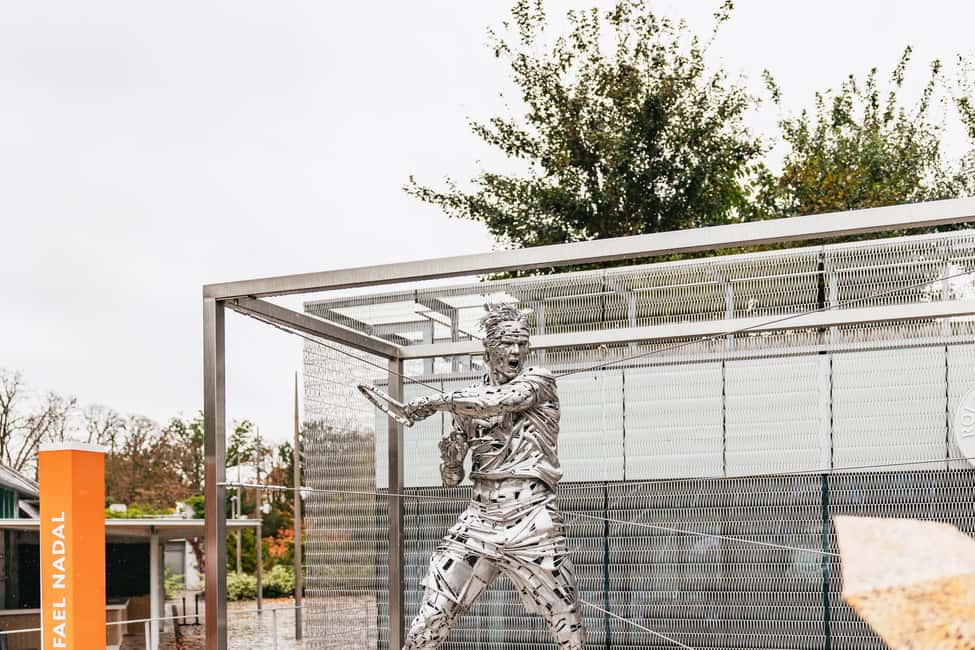
Up-close court time also makes little details meaningful. Multiple visitors pointed out plaques and dedications—one mentioned a Rafael Nadal plaque on the court area. If you’ve followed his record, seeing a dedicated marker in the place where he made it real is the kind of emotional payoff that lasts longer than a photo.
Four Musketeers and the Champions: How the Stories Land
The tour’s history section is not just trivia. It gives context to why people treat Roland-Garros like a temple.
You’ll hear about:
- Champions tied to French Open greatness, including Steffi Graf and Rafael Nadal
- Iconic names such as Björn Borg and Chris Evert
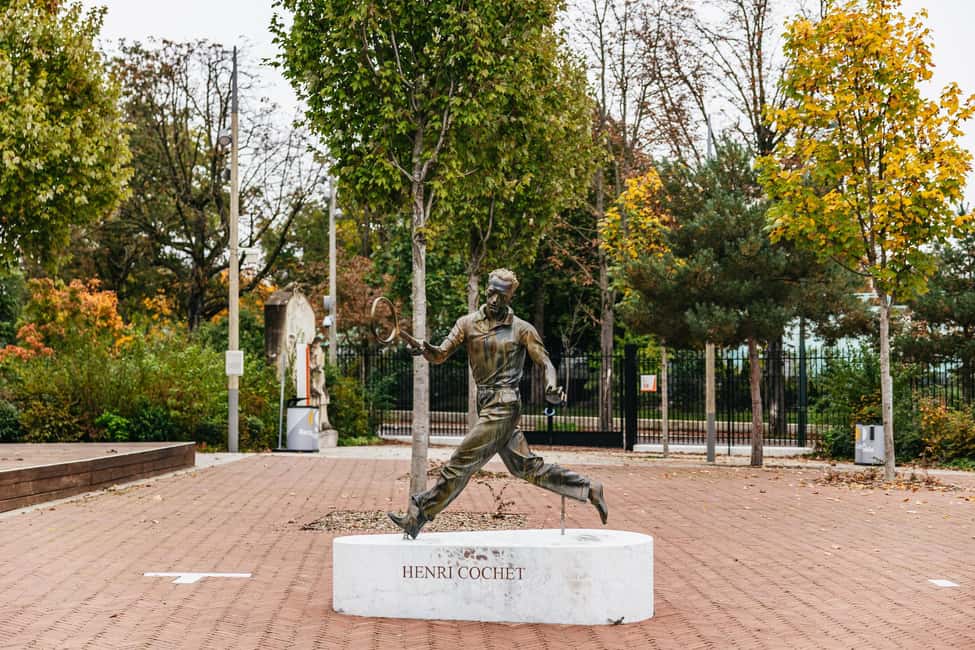
- The Four Musketeers of French tennis: Jean Borotra, Jacques Brugnon, Henri Cochet, and René Lacoste
- Additional storytelling around the evolution of the tournament and what the stadium represents
The best guides use these names as anchors for a few big themes: tradition, pressure, and how the venue became a stage for repeat legends. And when the guide is lively, the stories make the stadium feel like it’s speaking back.
You’ll likely notice this tone from the people leading the tours. Visitors mentioned guides including Amir, Mathieu, Matt, Lionel, Aida, and Fatah. The pattern in their comments is consistent: guides tended to connect the architecture and spaces with match-day realities, not just dates.






Price and Value: Is $24 for 90 Minutes a Good Deal?
At $24 per person for 90 minutes, the value comes down to access. In Paris, you can absolutely fill your day with beautiful museums and famous landmarks. But a backstage stadium tour is different: it gives you limited-access spaces you can’t easily replicate on your own.
This tour’s best value points:
- You’re paying for guided access, not just a seat-level view
- Court time at Philippe Chatrier is the centerpiece, and it’s hard to get that close without a structured visit
- The added context—champions, French tennis figures, and what happens behind the scenes—turns it into more than a photo stop
Is it worth it if you’re not a tennis die-hard? I think it still can be. The design (roof engineering), the movement through player spaces, and the historical framing give you plenty even if you only casually follow tennis.
Language, Group Size, and How to Make It Easier to Enjoy
This is a live tour with a guide in Spanish, French, or English. In practice, the experience depends on your group’s mix. One visitor specifically mentioned a language challenge when the guide spoke French and their English wasn’t always easy to catch—though the guide was patient.
Group size can also affect comfort. Some visitors said the group felt big and listening was harder. My practical advice is to position yourself early: get close enough to hear the guide clearly, but don’t wedge yourself in a tight spot where you’re stuck turning your head for every stop.
If you’re a solo traveler or you’re sensitive to noise, you might enjoy the tour more when you can calmly stay near the front. And if you want the tour to be extra memorable, treat it like a guided story walk: pause for the court moments, then let the guide connect them to the player route and history.
Who Should Book This Roland-Garros Backstage Tour
Book it if:
- You’re a tennis fan who wants more than seats and signage
- You want a focused, time-efficient way to understand the French Open setting
- You like architecture and design details as much as sports
Skip it (or consider another option) if:
- You don’t enjoy guided walks or you hate crowds
- You expect guaranteed access to every single player-area room—on some dates, certain areas may be limited due to stadium activity
Should You Book This Roland-Garros Backstage Tour?
If you’re spending time in Paris and you even mildly enjoy tennis, I think this tour is an easy yes. The value is strongest in the court payoff at Philippe Chatrier plus the behind-the-scenes feeling of the route. And at $24 for about 90 minutes, you’re not paying “event ticket” money for a once-in-a-lifetime access vibe.
If you do book, I’d show up at Gate 36 inside the Grande Boutique, choose a spot where you can hear the guide, and treat the history as part of the experience—not a separate lecture. That approach turns the tour into the kind of sports memory you’ll still be smiling about later.
FAQ
How long is the Roland-Garros stadium guided backstage tour?
The tour lasts 90 minutes.
What languages are available for the tour guide?
The live guide speaks Spanish, French, and English.
Where do I meet for the tour?
Meet inside the Grande Boutique on Avenue Gordon-Bennett (Gate 36).
What’s included in the tour price?
You get a tour guide and the entrance fee.
Is the tour wheelchair accessible?
Yes, the tour is wheelchair accessible.
Is free cancellation available?
Yes. You can cancel up to 24 hours in advance for a full refund.