REVIEW · PARIS
Paris: Les Caves du Louvre Guided Tour with Wine Tastings
Book on GetYourGuide →Operated by Les Caves du Louvre · Bookable on GetYourGuide
Wine caves in Paris beat the usual museum shuffle. This Louvre-area guided stop takes you into former royal cellar rooms under 18th-century stone, where you follow the grape-to-bottle story through interactive games and a sensory walk. I especially like how the visit turns wine basics into hands-on moments you can actually remember.
The second big win is the wine tastings. You choose and taste three wines, and the sommelier teaches simple tasting technique as you go. One thing to consider: the tour is English only, and it is not suitable for pregnant women, people with mobility impairments, or children under 18.
In This Review
- Key highlights at a glance
- Where the Louvre’s royal cellars are hiding
- How the 1-hour format moves (and why that’s a plus)
- The sensory tour: games, aroma notes, and the 5-senses approach
- From grapes to fermentation: the real wine-making steps you’ll actually remember
- French wine regions and terroir: how the tour keeps it practical
- Tasting three wines: choosing your trio and learning basic technique
- Price and value: $41 for an hour in the royal cellars
- What to expect inside: group size, language, and comfort notes
- Who this tour is best for (and who might want a different plan)
- Should you book Les Caves du Louvre?
- FAQ
- How long is the Les Caves du Louvre guided tour?
- Where is the meeting point?
- Is the tour offered in English?
- How many wines do I taste?
- What is included in the price?
- Is food included?
- Who is this tour not suitable for?
- What are the cancellation and payment options?
Key highlights at a glance
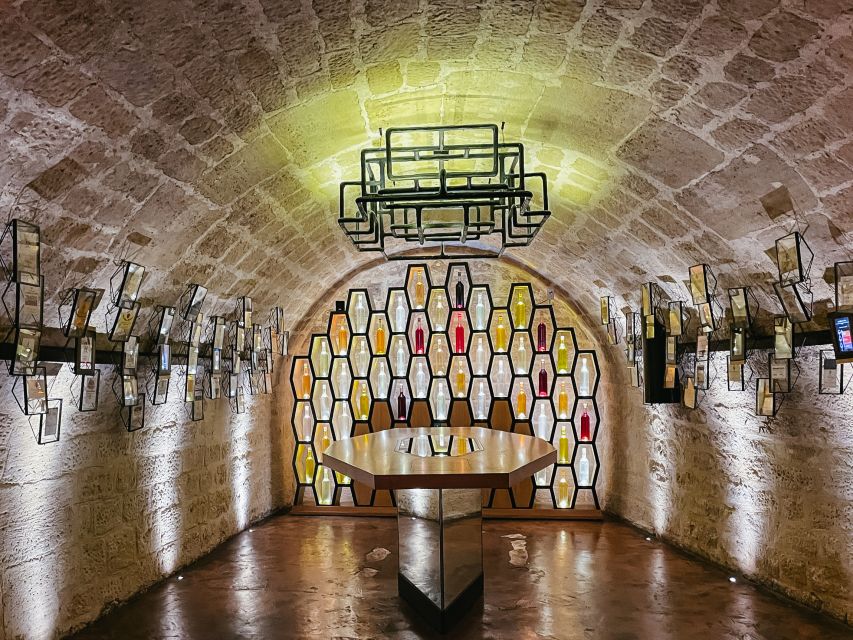
- Former royal cellars right by the Louvre, in stunning 18th-century caves
- Sensory games for your 5 senses, using interactive displays and an app
- Wine-making walkthrough from grapes to fermentation and the steps to the bottle
- Wine regions and grapes explained with a focus on terroir, including clay vs limestone ideas
- Choose your own tasting trio and learn how to smell and taste like a pro
Where the Louvre’s royal cellars are hiding
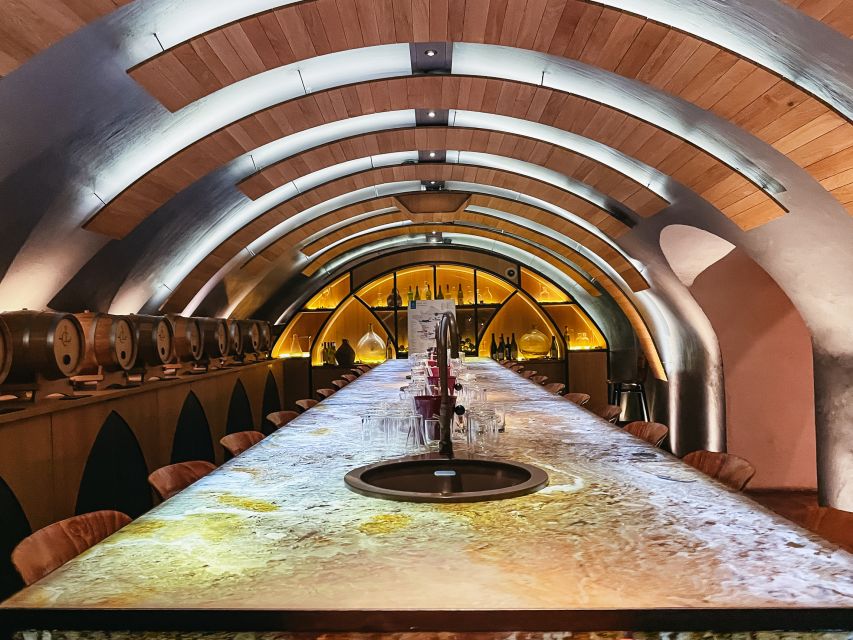
This tour is a clever change of pace from the usual Louvre crowds. Instead of another gallery run, you go underground to former royal wine cellars near the museum area, set in 18th-century spaces that feel cool and quiet after daylight chaos.
The location also helps. You can slot this into a day when you’re already seeing the Louvre exterior, walking the nearby streets, or crossing the Seine. It’s the kind of activity that makes Paris feel lived-in, not just photographed.
You can also read our reviews of more guided tours in Paris



How the 1-hour format moves (and why that’s a plus)
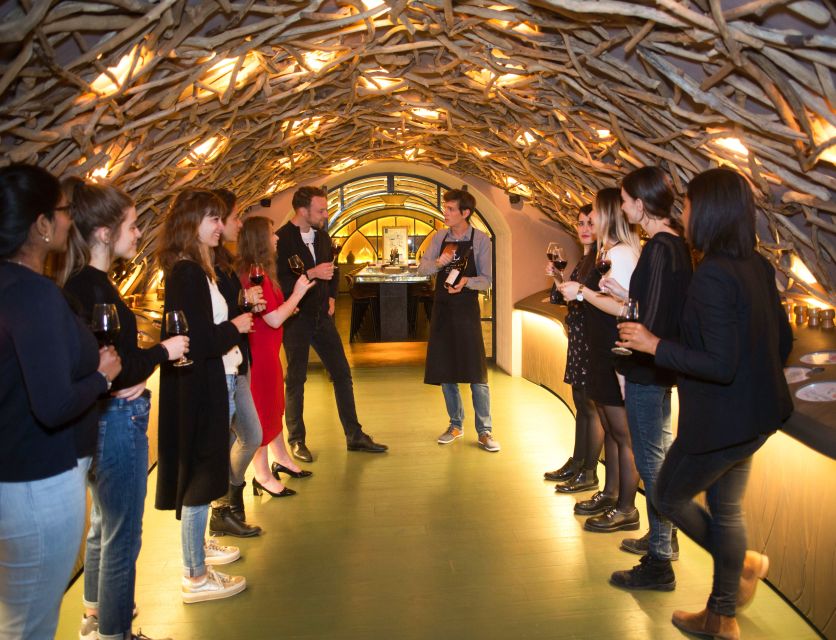
You get about 1 hour total. That matters because it keeps the experience focused. You’re not sitting through a long lecture while you wonder when the wine will finally appear.
The flow usually goes like this: you move through different cellar rooms, each one aimed at a step in the wine story or a sensory skill. Expect short bursts of explanation, then an activity—something to look at, smell, or match with what you’re learning. The pacing is friendly for mixed experience levels, from total beginners to people who already know their Bordeaux from their Burgundy.
Because it’s a small group, you’re also more likely to get questions answered on the spot. Some guides you might hear of from recent groups include hosts like JB, Lou, Clement, and guide names such as Ives, Justin, or Celia, plus sommelier work from people like Pierre or Irwin. You won’t choose your guide, but you can take comfort in the fact that the format supports lively, question-friendly hosting.
The sensory tour: games, aroma notes, and the 5-senses approach

This is not a quiet, sit-and-listen tasting. The tour is built around a sensory visit—your eyes, nose, and even your attention get used.
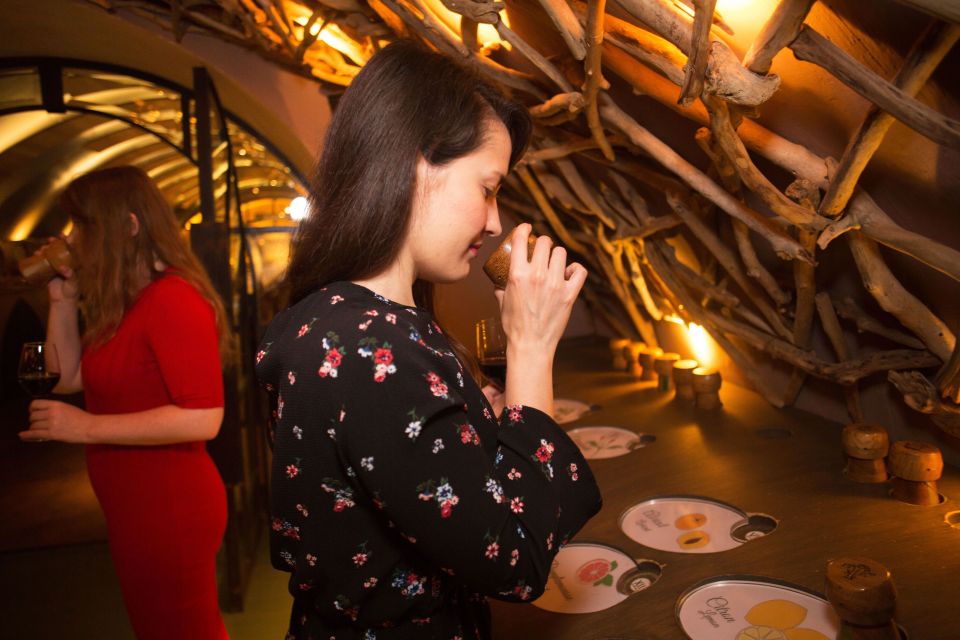
You’ll use interactive features to identify aroma notes, and you’ll do exercises that train your smell before you taste. One attendee experience highlights a strong aroma-note system that helps you connect scents to what’s in the glass. Another describes how the tour uses visuals and puzzles so the wine-making process makes sense fast, without turning into a textbook.
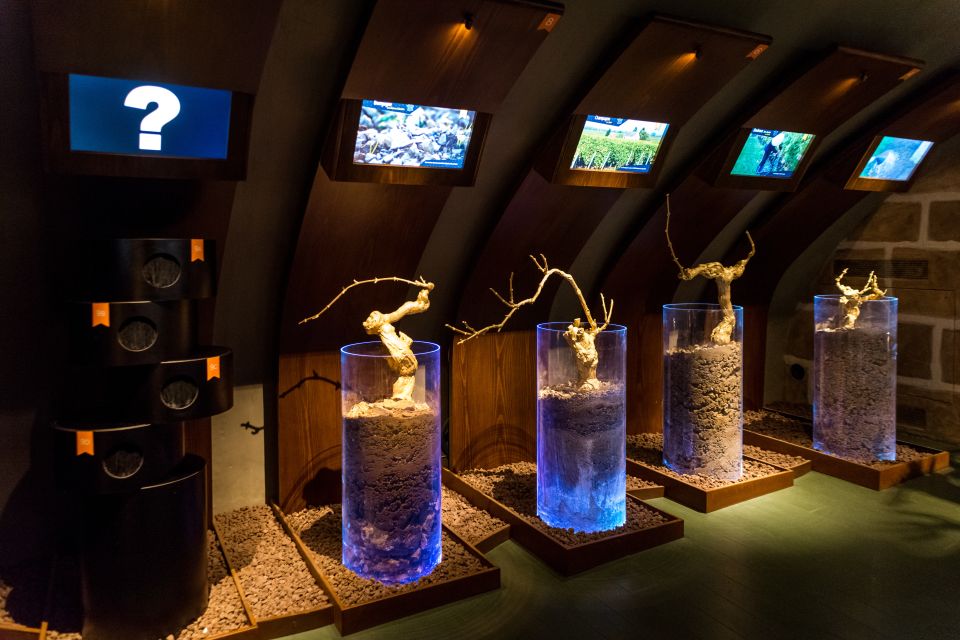
You should also expect a few “wait, that makes sense” moments. For example, people mention analogies that connect soil depth to aged vines, and explanations that make terroir feel less abstract. That’s the point: your senses become the learning tools, not the wine vocabulary test.
The tour also includes an interactive app. The idea is simple—use it as you go, so you aren’t just following a guide’s voice while staring at stone walls. If you enjoy self-paced hints and quick prompts, this component fits well.
From grapes to fermentation: the real wine-making steps you’ll actually remember
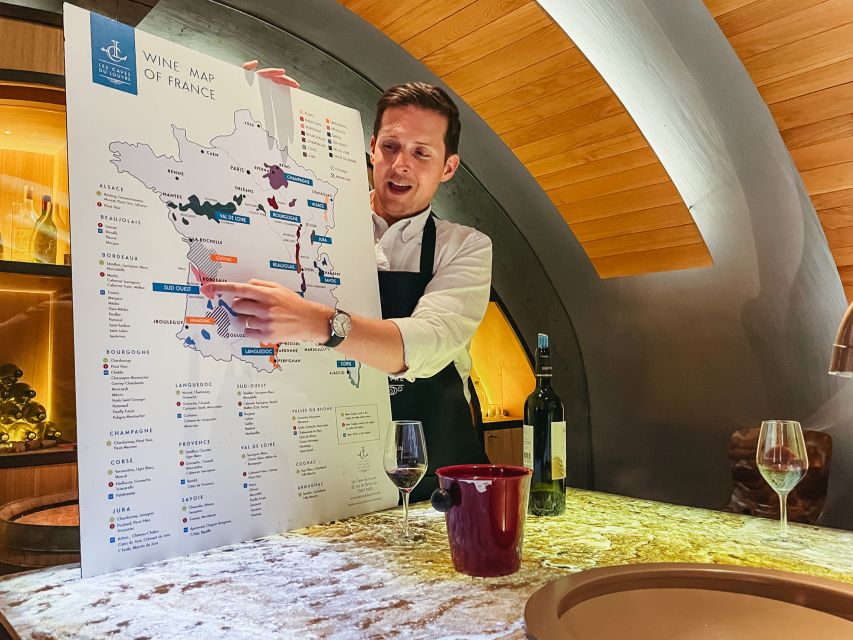
The cellar rooms aren’t there just for atmosphere. They’re set up to walk you through how wine is made, step by step.
You’ll learn the sequence from grape to bottle, including fermentation details. Several people specifically call out lessons about different yeasts and how those choices influence wine character. That kind of detail is exactly what tends to separate a basic tasting from a tasting that sticks with you after you leave.
You’ll also hear explanations about French grapes and wine regions, but again, not as a dry list. The tour ties grape and region to taste and smell. That helps you start thinking like a wine buyer rather than just a drinker.
One review detail you can take seriously: there are hands-on comparisons that connect terroir to physical traits, like ideas comparing clay versus limestone. Even if you don’t remember the geology terms later, you’ll remember the lesson—different soils can lead to different wine impressions.
French wine regions and terroir: how the tour keeps it practical
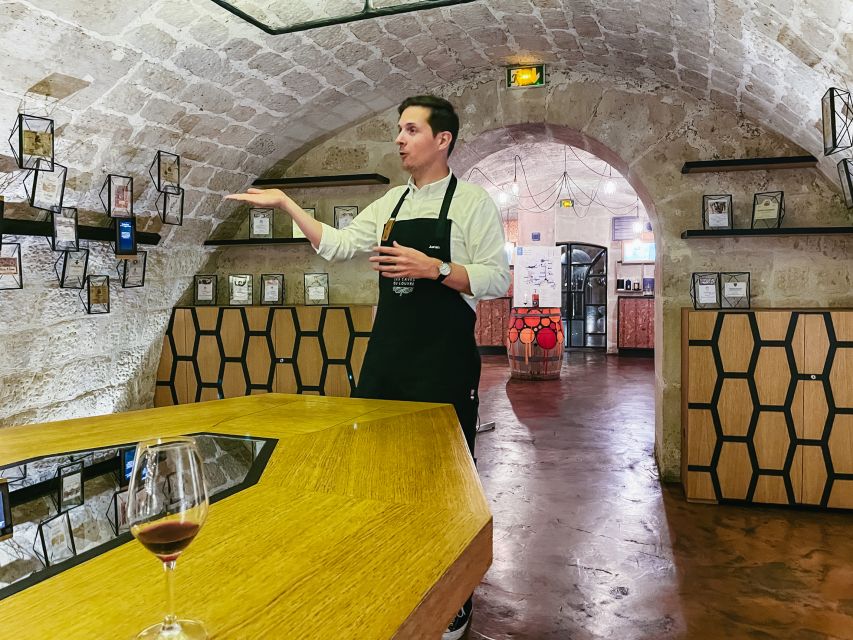
Terroir can sound like a fancy word for dirt. The better tours make it concrete. This one does, using the sensory training and the wine-making context to connect region and grape to what you notice in the glass.
You’ll hear about French wine regions and how grapes behave across them. The tasting is then designed to reinforce those lessons, so the end doesn’t feel random. If you’ve ever learned wine terms and then forgotten them a day later, you’ll probably appreciate how this format links everything back to smell and taste.
Also, the guides often keep it interactive. People mention guides who used humor and story to keep the experience light while still covering fermentation, terroir, and tasting mechanics. That blend is a big reason the rating stays high.
You can also read our reviews of more wine tours in Paris




Tasting three wines: choosing your trio and learning basic technique
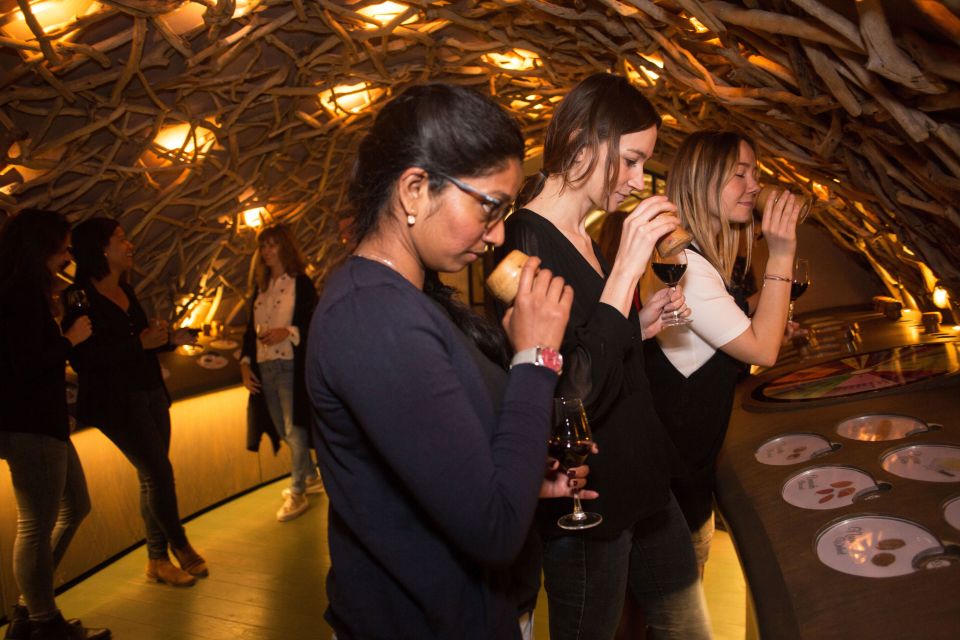
At the end, you choose and taste three wines of your choice. That’s a key advantage over tastings where you’re handed whatever the schedule decides.
Before you pour yourself into the tasting portion, you get technique instruction from the sommelier. The focus is practical: how to smell first, how to notice aromas, and how to let the flavors settle on the palate before you judge. One common takeaway is that people leave understanding not just what they like, but why they like it.
You’ll also taste wines that come from different directions, so you can compare styles rather than repeat the same flavor profile three times. People describe the wines as distinct and generous in pour size, which helps the tasting feel like a real experience rather than a token sip.
One more detail that keeps this fresh: the wine list changes every week. So if you’re the type who likes to return or you’re traveling with friends on different days, you’re not guaranteed the exact same set.
Price and value: $41 for an hour in the royal cellars
At around $41 per person, this tour prices itself more like an experience than a museum add-on. You’re paying for three things bundled together:
1) A guided walk through historic royal wine cellars
2) An interactive wine-making and terroir lesson with sensory activities
3) Tastings with a sommelier and technique guidance
If you’ve done wine tastings that charge a similar amount but only give you a quick pour and a brochure, this tends to feel better value because the hour is structured. You’re not just drinking—you’re learning how to drink.
Also, there’s no food included. That can be a cost-saver if you plan to eat elsewhere, but it also means you’ll want a normal meal plan for before or after. Many people like pairing this with a casual lunch or a bistro stop near the Seine.
What to expect inside: group size, language, and comfort notes
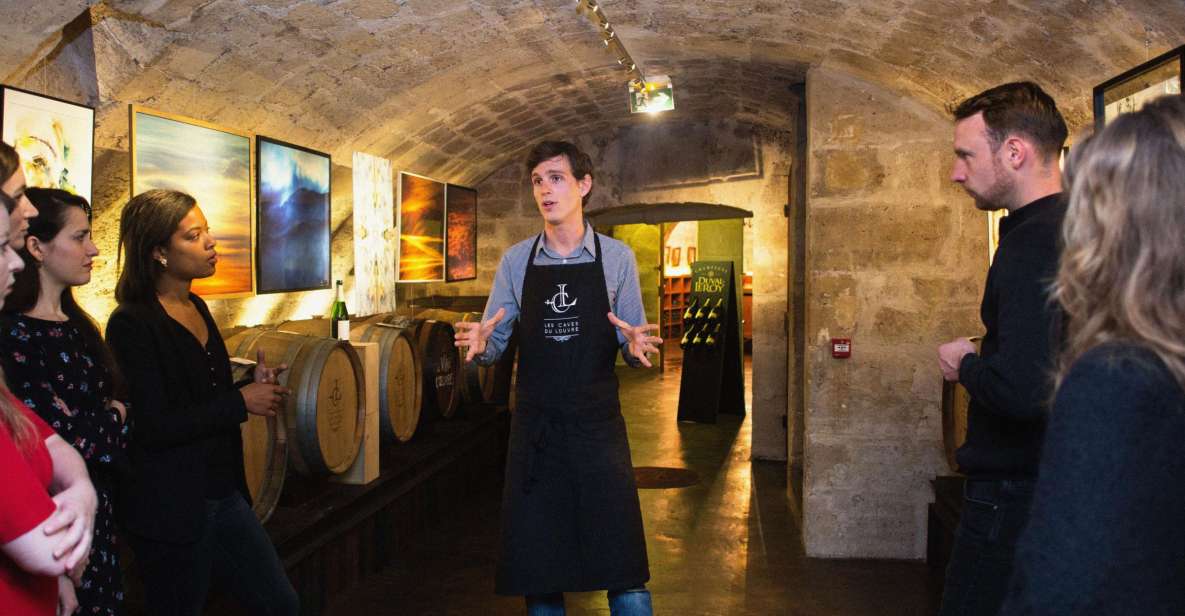
This is a small group tour with an English live guide. That’s great if you want conversation, but it’s a dealbreaker if you’re hoping for multilingual explanations. The tour is English only.
It also comes with clear suitability limits. It is not suitable for pregnant women, people with mobility impairments, and children under 18. The reason is likely physical access and the setting in caves, but regardless, you should treat those limits as firm.
In terms of comfort: you’ll be spending time in cellar spaces, so dress for cooler underground temperatures, especially if you’re doing this in shoulder seasons. If you’re someone who gets bothered by strong smells, note that sensory stations involve aromas—just know that’s part of the design.
Who this tour is best for (and who might want a different plan)
I think this works best for three types of travelers:
- You’re curious about wine but you don’t want a snooty vibe or a long lecture
- You enjoy interactive learning, smell games, and quick comparisons
- You want something different near the Louvre that doesn’t compete with museum stamina
It might feel less ideal if you’re looking for a purely history-only experience with no tasting focus. The cellar setting is real, but the tour’s main job is to teach you wine basics through tasting and sensory training.
If you’re traveling with a group that includes both wine lovers and wine beginners, this setup is also a good match because the experience is structured so both sides can participate. Many people also said it helped them relax while still feeling like they did something meaningful during a short trip.
Should you book Les Caves du Louvre?
Yes, if you want an hour that mixes atmosphere, wine education, and a guided tasting with clear technique. This is one of the rare Paris experiences that stays fun while teaching you actual wine-making and terroir ideas—especially because the tour is designed around your senses, not wine jargon.
I’d say book it sooner rather than later if you like structured small-group activities near big sights like the Louvre. And double-check the English-only detail and the suitability limits if that applies to anyone in your party.
If your ideal Paris day is mostly quiet wandering and you don’t care about tasting or tasting technique, then you might prefer something else nearby. But if you’re open to learning how to smell and taste, this one is a very solid use of time.
FAQ
How long is the Les Caves du Louvre guided tour?
It lasts about 1 hour.
Where is the meeting point?
The meeting point is 52, Rue de l’Arbre Sec, 75001 Paris.
Is the tour offered in English?
Yes. The guided tour is in English only.
How many wines do I taste?
At the end of the tour, you choose and taste three wines. The wine list changes every week.
What is included in the price?
The tour includes the cellar visit, explanations about wine making, French grapes and wine regions, a sensory 5-senses experience, French wine tastings, and an interactive app.
Is food included?
Food is not included, but it may be purchased on site.
Who is this tour not suitable for?
It is not suitable for pregnant women, people with mobility impairments, and children under 18.
What are the cancellation and payment options?
You can cancel up to 24 hours in advance for a full refund, and you can reserve now and pay later.