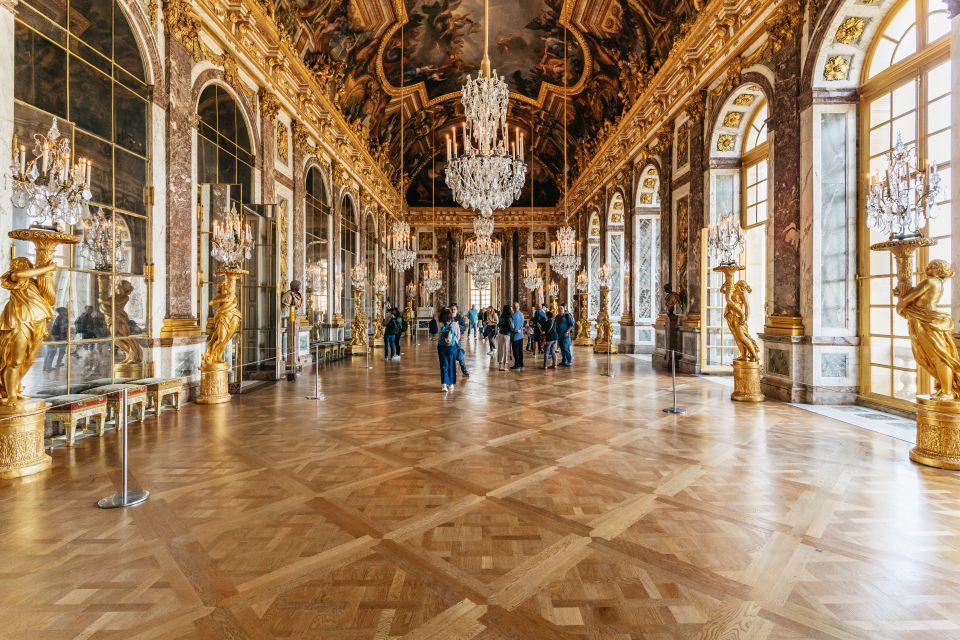
REVIEW · PARIS
Musée d’Orsay Skip-the-Line Tour with Expert Guide
Book on GetYourGuide →Operated by Memories France · Bookable on GetYourGuide
Impressionism hits harder with context. This skip-the-line Musée d’Orsay tour uses a guided route to explain why paintings by Monet, Manet, Renoir, Degas, and Van Gogh shocked the world, and it stays clear, not academic. I especially love the headsets (so you can actually hear the guide in a crowd) and the fact that you don’t just get highlights—you get the stories and ideas behind what you’re seeing.
One thing to consider: the 90-minute end of the schedule can feel quick if you want to linger at every major painting. If you’re the type who likes to stop and stare, aim closer to the longer end (about 150 minutes) and plan to slow down after the guided portion.
In This Review
- Key Things That Make This Tour Worth It
- Why Musée d’Orsay Feels Like Paris, Not Just a Museum
- Where You Meet and How To Get There Without Stress
- Skip-the-Line Entry: What It Buys You (Besides Time)
- Your 90–150 Minute Guided Walk Through Impressionism’s Shock Factor
- How the guide frames what you’re seeing
- Artists you’ll spend time with
- Using Headsets in a Crowded Museum (And Why It Matters)
- The Orsay Building Is Part of the Experience
- Crowds, Pace, and How the Tour Handles Them
- My practical advice
- After the Tour: Keep Exploring at Your Pace
- Who This Tour Is Best For
- Value Check: Is $82 Worth It?
- What Guides Might Be Like (Based on Names You Could Meet)
- Should You Book This Musée d’Orsay Skip-the-Line Tour?
- FAQ
- Where exactly do we meet the guide?
- How long is the tour?
- Does this tour include skip-the-line entry?
- Is the tour offered in English, and are headsets provided?
- Can I stay in the museum after the guided portion?
- Is hotel pickup or drop-off included?
- Are luggage or large bags allowed?
- Is the tour wheelchair accessible?
- What’s the cancellation policy?
- Is there a pay-later option?
Key Things That Make This Tour Worth It
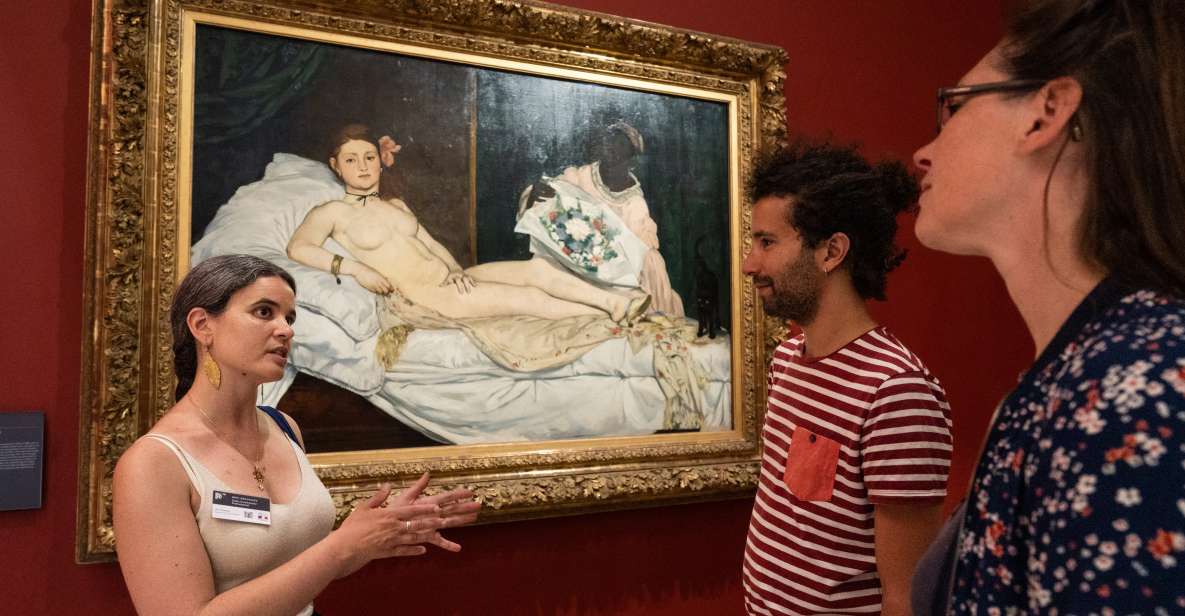
- Skip-the-line entry so you spend more time inside and less time waiting outside.
- Fully accredited local guide who connects the art to the culture and controversies of the era.
- Headsets when appropriate to keep the narration audible through busy galleries.
- A focused Impressionist arc explaining why everyday scenes and visible brushstrokes caused outrage.
- Major highlights plus lesser-known gems so you leave with more than the usual checklist.
- Stay as long as you like after the tour, including time for temporary exhibitions.
Why Musée d’Orsay Feels Like Paris, Not Just a Museum
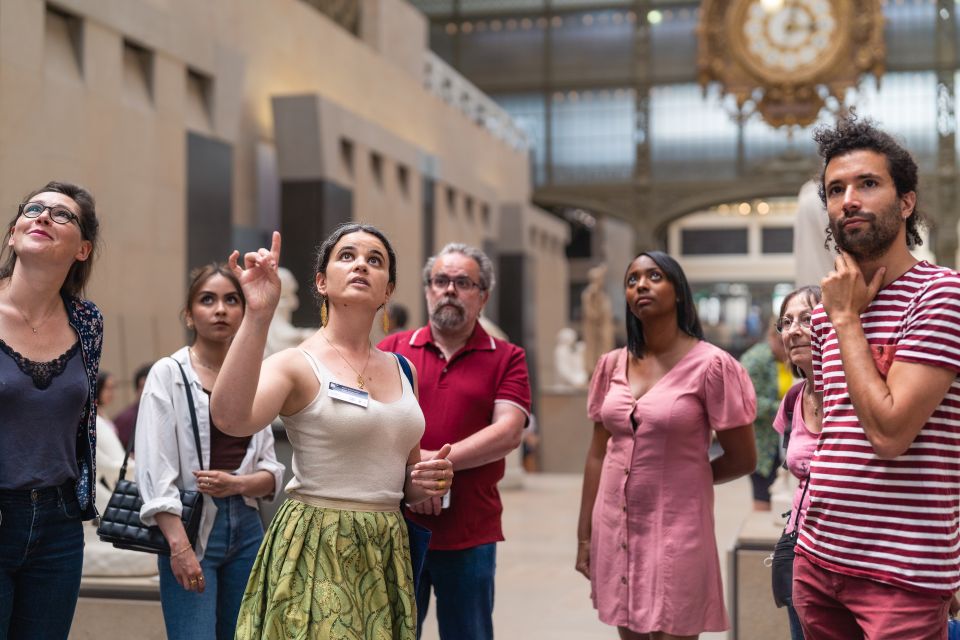
Musée d’Orsay is housed in a former railway station, built for the World’s Fair era, with Beaux-Arts drama in the architecture. That setting matters. When you walk in, you’re already inside a piece of history, which helps 19th-century art feel less like a distant lesson and more like something alive.
This museum is consistently described as a favorite for Parisians themselves, and the best tours lean into that idea. You’re not wandering randomly; you’re getting a guided path through an era that changed art rules. If you’ve ever felt like Impressionism was just pretty color, this tour helps you understand why it was also a provocation.
You can also read our reviews of more guided tours in Paris



Where You Meet and How To Get There Without Stress
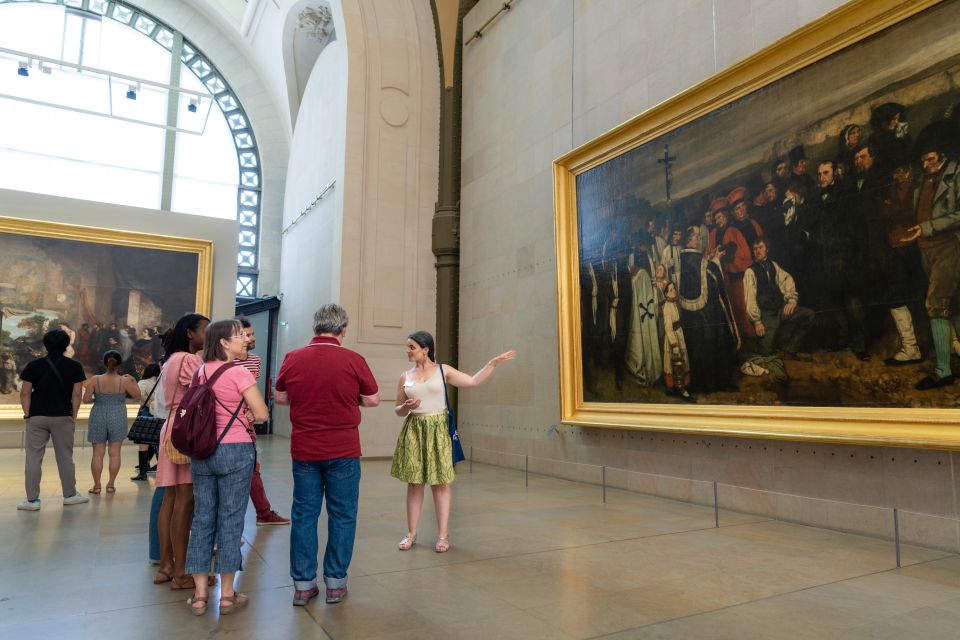
Meet your guide opposite the main entrance to Musée d’Orsay, next to the entrance of the Musée de la Légion d’Honneur. Your guide will be wearing a guide badge on an orange lanyard and will be by the entrance, so you can spot them fast.
You’ll also want an easy transit plan because the area gets busy. The nearest options listed are:
- RER line C: Musée d’Orsay
- Metro line 12: Solferino
No hotel pickup is included, so come on your own schedule. The good news is that this start point keeps you close to where you actually need to be: the museum entrance.
Skip-the-Line Entry: What It Buys You (Besides Time)
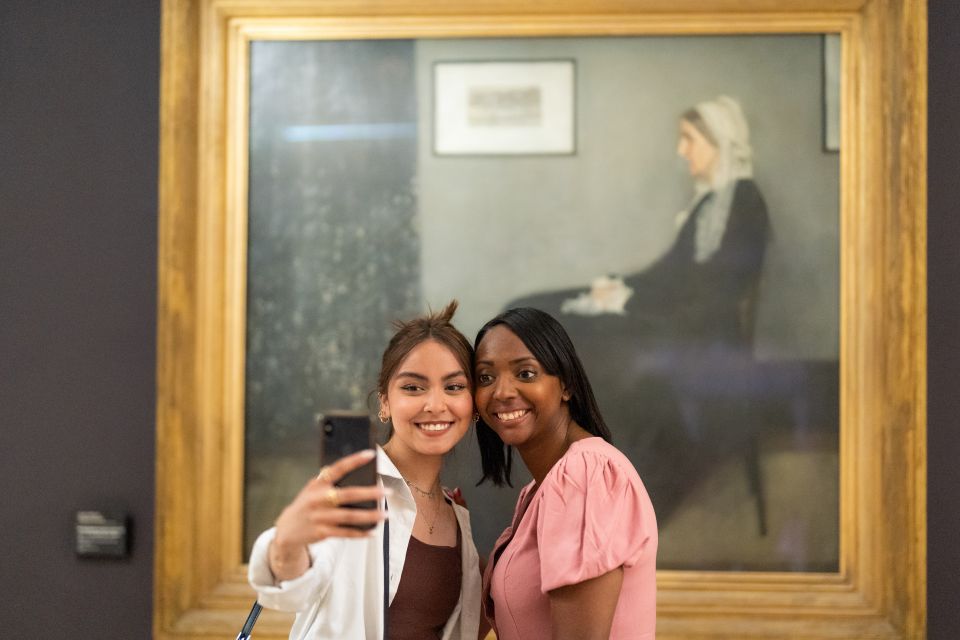
The tour includes dedicated entrance and entrance fees, with skip-the-ticket-line access. That’s valuable because Orsay can be packed, and time lost in lines feels extra painful when you’re paying for a guided experience.
Skip-the-line also gives you a practical advantage: you can arrive ready to focus. Instead of letting your attention drain while waiting, you’re already in “looking mode,” listening for the details your guide points out.
Your 90–150 Minute Guided Walk Through Impressionism’s Shock Factor
This is a 1 hour 45 minutes guided tour as the standard length, with a stated range of 90–150 minutes depending on the start time and group. Either way, the structure is designed to cover the museum’s major highlights, then add extra value with context and lesser-known connections.
How the guide frames what you’re seeing
The museum is famous for how Impressionism broke rules. Your guide focuses on what made these works controversial when they first appeared: modern life as subject matter, scenes that looked ordinary, and a style that made brushstrokes visible instead of trying to hide the hand of the artist.
That narrative shows up clearly in the way people discuss the experience. Many guides on this tour are praised for connecting the paintings to the social world around them—politics, daily routines, and the personalities behind the art. You’ll also get time for questions during the tour, which turns a museum visit into a conversation rather than a lecture you rush through.
A few more Paris tours and experiences worth a look






Artists you’ll spend time with
From the tour description, you’re set up to understand why major names shaped the movement and kept pushing it forward. Expect your route to include key figures such as Monet, Manet, Renoir, Degas, and Van Gogh, and to see how their styles relate to each other—sometimes in direct response, sometimes as a contrast in approach.
Using Headsets in a Crowded Museum (And Why It Matters)

One of the most practical pieces here is the use of headsets when appropriate. Orsay is not quiet. Even when you’re standing in front of a painting, the crowd noise can swallow a normal spoken explanation.
In real life, that makes headsets more than a comfort perk—they help you actually follow the stories. If you’re traveling with older ears, or if your group includes anyone who struggles to hear in noise, this single feature is a big reason the tour earns such consistently strong ratings.
The Orsay Building Is Part of the Experience

Don’t ignore the setting while you’re moving through galleries. The museum’s Beaux-Arts station design adds a sense of scale and momentum, which helps the story of 19th-century innovation feel believable. It also makes it easier to understand why artists of the era were drawn to modernity.
Even if your main focus is painting, you’ll likely find yourself noticing the architecture during transitions. A good guide times those transitions so you’re not stuck staring at walls while the group reshuffles.
Crowds, Pace, and How the Tour Handles Them
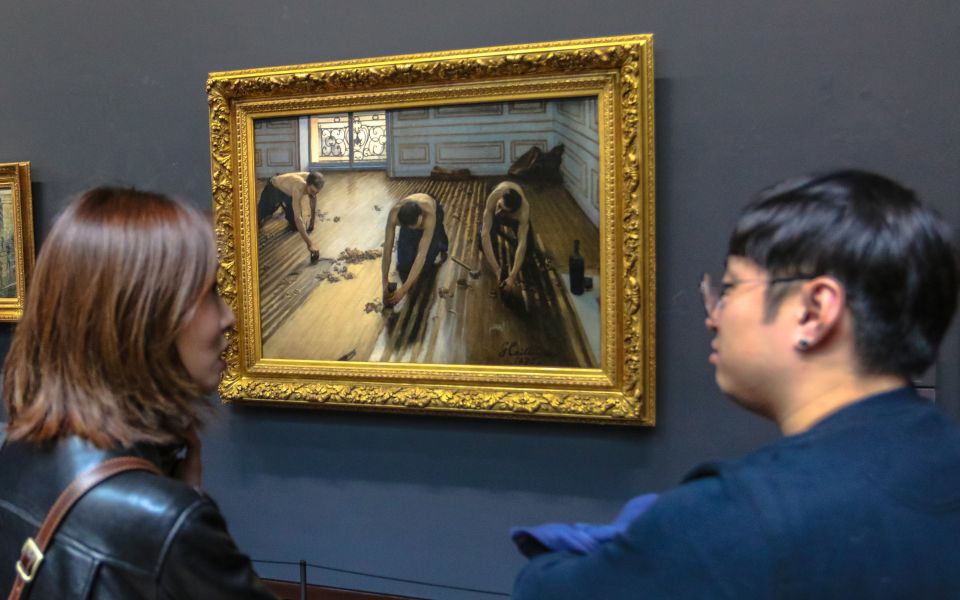
Orsay can be mobbed, and part of the tour’s value is how efficiently you’re guided through busy rooms. Many guides are praised for maneuvering groups so you don’t feel like you’re missing key works.
Still, pace is the one trade-off. The museum is large, and a guided sweep requires motion. One review points out that the 90-minute visit can feel rushed, with the guide speaking quickly enough to make everything harder to absorb.
My practical advice
If you’re sensitive to pace:
- Choose the longer end of the schedule when you can.
- Tell yourself you’ll do close viewing during the free-time window after the tour.
- Expect fewer stops for ultra-detailed staring during the guided part, then plan to linger on your favorites once you’re released.
After the Tour: Keep Exploring at Your Pace
The experience includes the ability to stay as long as you like after the guided portion. That matters because it lets you turn the “big picture” tour into personal viewing time.
You can use that freedom in two great ways:
- Revisit the paintings that clicked with you during the tour.
- Check out a temporary exhibition with a new lens—because you’ll already understand how the era’s ideas evolved.
This is where the tour’s structure pays off. You’re not locked into a strict timetable after the guide finishes. You control the depth.
Who This Tour Is Best For
This is a smart fit if:
- You want help understanding why Impressionism was controversial, not just admired.
- You like getting the “why” behind famous works.
- You’d rather spend time looking at a few big ideas closely than skim the entire museum without a guide.
It’s also a good option for groups with mixed art interest. Even if someone isn’t an Impressionism superfan, the scandal-and-context angle makes the era feel dramatic and human.
If you’re a wheelchair user, note that this tour is not suitable for wheelchair users, according to the provided activity information.
Value Check: Is $82 Worth It?
At $82 per person for about 90–150 minutes, you’re paying for four things that are hard to replicate on your own quickly:
1) skip-the-line entry,
2) a fully accredited local guide,
3) headsets when needed, and
4) a curated route that covers both major highlights and additional gems.
If you try to do Orsay solo, you’ll likely spend a lot of time deciding where to go and how to interpret what you’re looking at—especially in a museum this size. The guide’s job is to reduce that guesswork and give you usable context while you’re in front of the paintings, not after you get home.
So for me, this is best value if you care about interpretation. If you only want casual browsing, you might be happier with a flexible self-guided visit.
What Guides Might Be Like (Based on Names You Could Meet)
You might have a guide such as Antony, Avi, Perrine, Sarah, Simone, Sophia, Matilde, Pauline, or Fanny, among others. The consistent theme in the supplied feedback is that guides keep people engaged, answer questions, and help the group move through crowded rooms without losing the important points.
Some guides are especially praised for connecting artworks to social behavior and the era’s tensions, and others are praised for speaking clearly enough that mixed ages can follow. If you like narrative storytelling paired with art detail, this style tends to land well.
Should You Book This Musée d’Orsay Skip-the-Line Tour?
Book it if you want a fast route to the heart of Orsay plus the backstory that makes Impressionism click. The skip-the-line entry, headsets, and the focus on why these artists upset tradition are practical reasons to choose a guided option at this museum.
Skip it (or consider a different format) if you strongly prefer slow, independent wandering from painting to painting during the entire visit. The 90-minute end can feel tight, and this tour is built around seeing the key things efficiently.
If you do book, my best tip is simple: treat the guided portion as your map, then use your after-tour time to linger where you actually felt something. That’s when the museum stops being a tour and becomes your own.
FAQ
Where exactly do we meet the guide?
Meet your guide opposite the main entrance to Musée d’Orsay, next to the entrance of the Legion d’Honneur Museum. The guide will be wearing a guide badge on an orange lanyard.
How long is the tour?
The tour duration is listed as 90 to 150 minutes, with a guided tour time of about 1 hour 45 minutes.
Does this tour include skip-the-line entry?
Yes. It’s a skip-the-ticket line experience and includes dedicated entrance and all entrance fees.
Is the tour offered in English, and are headsets provided?
The tour is in English. Headsets are provided when appropriate so you can always hear your guide.
Can I stay in the museum after the guided portion?
Yes. You can stay as long as you like in the museum after your tour.
Is hotel pickup or drop-off included?
No. Hotel pick-up/drop-off is not included.
Are luggage or large bags allowed?
No. Luggage or large bags are not allowed.
Is the tour wheelchair accessible?
No. This tour is not suitable for wheelchair users.
What’s the cancellation policy?
You can cancel up to 24 hours in advance for a full refund. Refunds are not possible for missed tours.
Is there a pay-later option?
Yes. You can reserve now and pay later, keeping travel plans flexible.