REVIEW · PARIS
Marais: Discover the Medieval Heart of Paris
Book on GetYourGuide →Operated by My Super Tour · Bookable on GetYourGuide
The Marais packs several versions of Paris into one walk: a medieval quarter shaped by drained marshland, aristocratic mansions, Jewish shops and synagogues, LGBT nightlife, designer stores, and modern art. I like the way this tour moves between grand places such as Place des Vosges and small, easy-to-miss spaces that you could pass without noticing. I also like that the route includes Victor Hugo’s former flat and Rue des Rosiers, where the neighborhood’s Jewish identity is easy to see, smell, and taste.
The main drawback is pace. You cover a lot in 150 minutes, with many stops lasting only 10 or 15 minutes. If you want long visits inside museums or time for a full meal, this is not the right format. Bring comfortable shoes, water, and an umbrella, since the walk continues in poor weather.
In This Review
- Key points from the Marais walk
- Why the Marais makes such a good walking tour
- Starting at Bastille and entering the old quarter
- Place des Vosges and the world of Victor Hugo
- Hôtel de Sully and the mansions of old Paris
- Rue des Rosiers and Jewish Paris
- Secret spaces and the Marais’s quieter corners
- From designer shops to the contemporary Marais
- Picasso, the National Archives, and Centre Pompidou
- What the guides add to the experience
- Who should book this Marais tour?
- Practical details before you go
- Should you book it?
- FAQ
- How long does the Marais tour last?
- How much does the experience cost?
- Where does the tour meet?
- Which Metro lines reach the meeting point?
- Which languages are available?
- Is a local guide included?
- What should I bring?
- Can I cancel for a refund?
- Can I reserve now and pay later?
Key points from the Marais walk
- A rare medieval side of Paris: Follow streets and buildings linked to the quarter’s medieval past and the Templar Knights’ drainage work.
- Place des Vosges and Victor Hugo: See Paris’s oldest square, then visit the former home of one of France’s most famous writers.
- Jewish Marais: Walk Rue des Rosiers, learn about Paris’s oldest synagogue and its Art Deco synagogue, and see shops selling falafel, hamantaschen, and Hanukkah jelly donuts.
- Aristocratic mansions and secret spaces: Visit Hôtel de Sully, the National Archives Garden, and a less obvious stop that is not easy to find alone.
- Old and new Paris in one route: The walk shifts from medieval walls and noble mansions to boutiques, LGBT cafés, Picasso, and Centre Pompidou.
- Strong guiding: Sacha, Max, and Malakas are named guides connected with recent tours, with English and Russian offered.
Why the Marais makes such a good walking tour
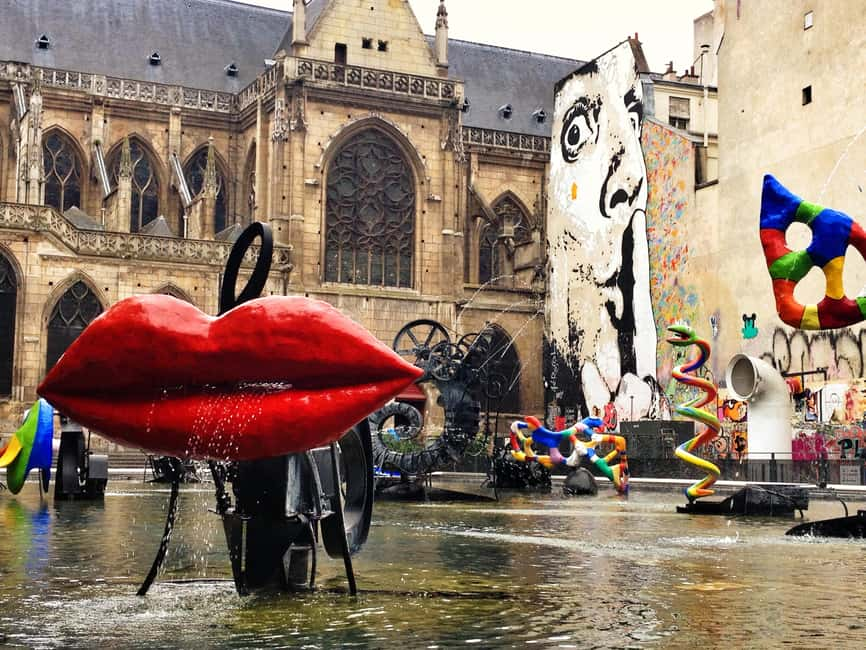
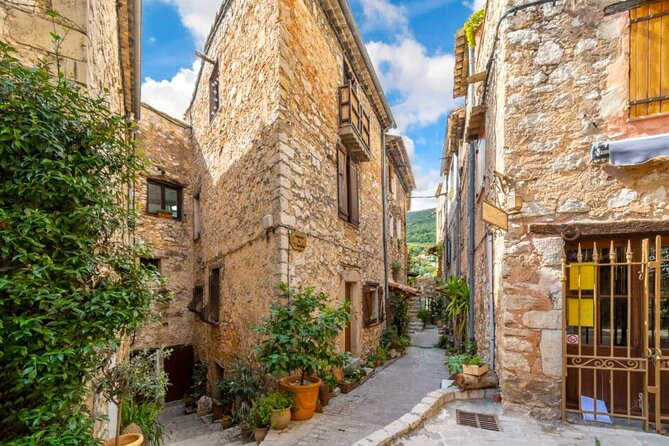
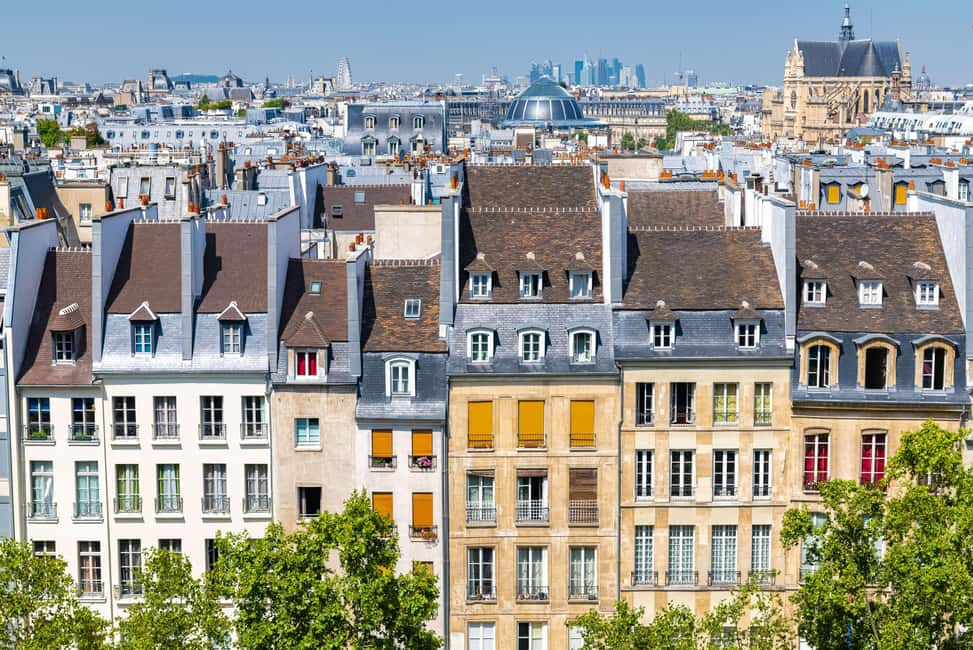
The Marais is one of Paris’s best areas for a history walk because the past is not sealed inside one monument. It appears in the street plan, the mansions, the religious buildings, the shop signs, and the changing crowd.
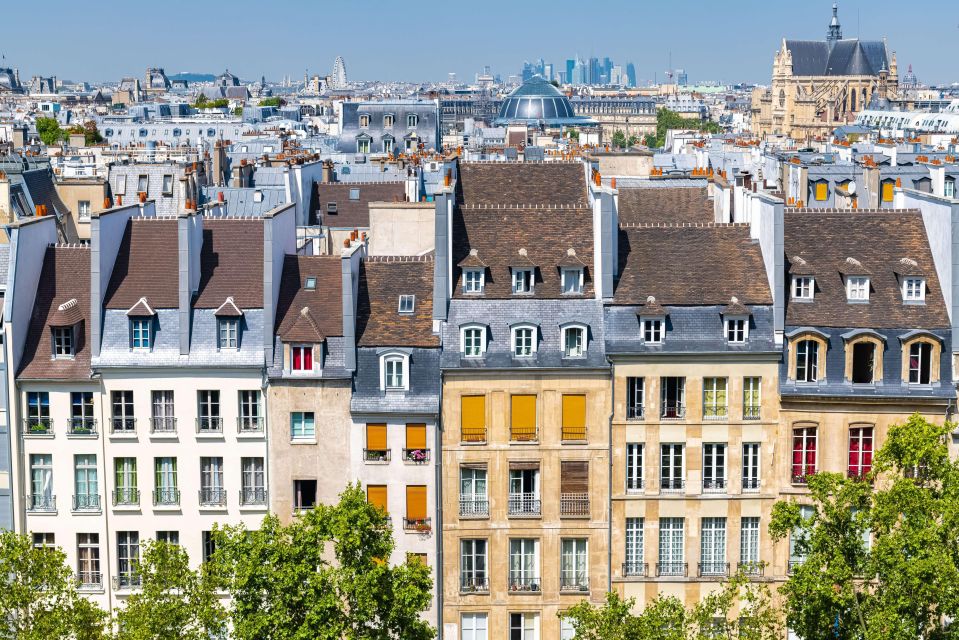
The quarter began as marshy land. In the 13th century, the Templar Knights helped drain and develop it. Later, noble families built grand homes here in the 14th and 15th centuries. The walk uses those layers as a guide, showing you how the district changed from marshland to aristocratic quarter and then into one of Paris’s most mixed and fashionable neighborhoods.
I especially like the range of stories. You hear about aristocrats and Royal Ministers, but also about Jews, prisoners connected with the Bastille, artists, designers, and the modern gay and lesbian community. The Marais is not presented as one tidy historical chapter. You see how different groups left their mark on the same few streets.
The tour costs $50 per person and lasts 150 minutes. That is fair value if you want a well-organized orientation and a guide who can connect many small sights. The price is less appealing if you mainly want admission time inside museums, since several stops are brief exterior visits or guided looks rather than long museum sessions.
You can also read our reviews of more tours and experiences in Paris.



Starting at Bastille and entering the old quarter
You meet the guide at the exit of Bastille Metro, Exit 7, also marked as Sortie 79. Bastille is served by Metro lines 1, 5, and 8, so it is a practical starting point from many parts of Paris.
Look for the guide holding a sign marked My Super Tour. This detail matters at a large station with several exits. Go to the correct exit rather than simply meeting somewhere around the Bastille column.
From Bastille, the route heads toward 21bis Rue des Tournelles. The walk takes about 10 minutes. This is a useful opening because you leave the broad, traffic-heavy Bastille area and move into narrower streets where the Marais begins to feel more intimate.
The guide’s role is important here. A bare map can show you where the Marais is, but it cannot explain how a drained swamp became a home for powerful families, religious communities, and later creative businesses. Recent guides named Sacha, Max, and Malakas have different personalities, but the common thread is a strong command of French history and a willingness to answer questions.
Place des Vosges and the world of Victor Hugo
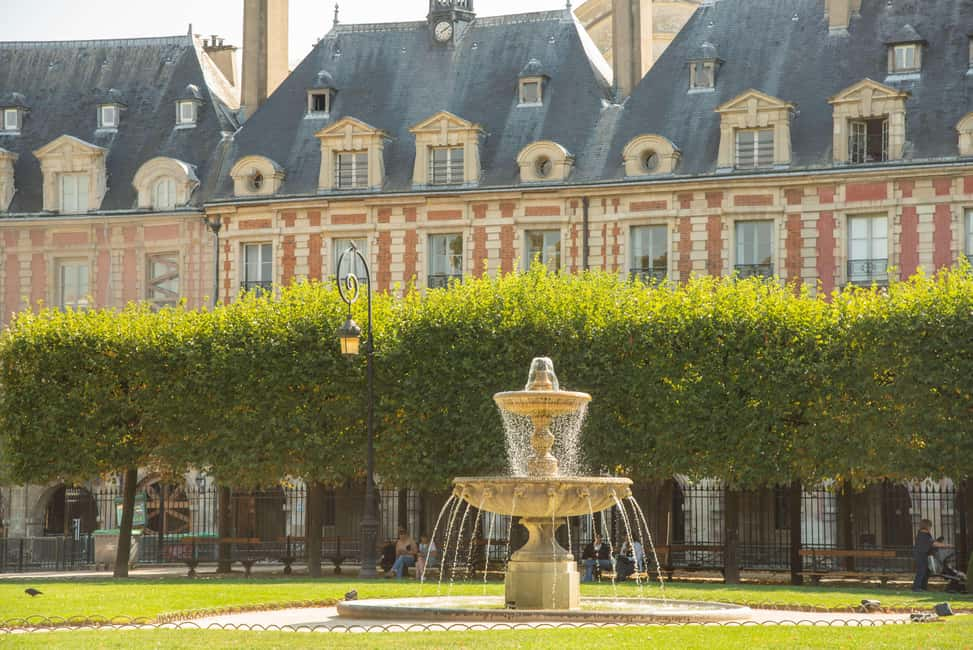
Place des Vosges is one of the tour’s big visual rewards. It is known as the oldest square in Paris, with a carefully arranged set of buildings around a graceful central garden. The 10-minute stop gives you time to take in the layout and hear why this square mattered to the city’s upper classes.
Do not expect a long pause for sitting under the trees or studying every building. The stop is short. Still, it gives you a clear reference point for the Marais’s aristocratic past and makes the next visit more meaningful.
At Maison de Victor Hugo, you spend about 15 minutes visiting the flat where Victor Hugo lived. This is one of the more personal stops on the walk. Instead of seeing only a writer’s name on a plaque, you enter a place connected with his daily life.
The visit is also a good break from the street. If rain or cold weather is a concern, an indoor stop adds welcome variety, though the walk remains the main focus. You should not expect a full literary museum visit in 15 minutes. Think of it as a compact introduction to Hugo and his connection with the Marais.
Hôtel de Sully and the mansions of old Paris
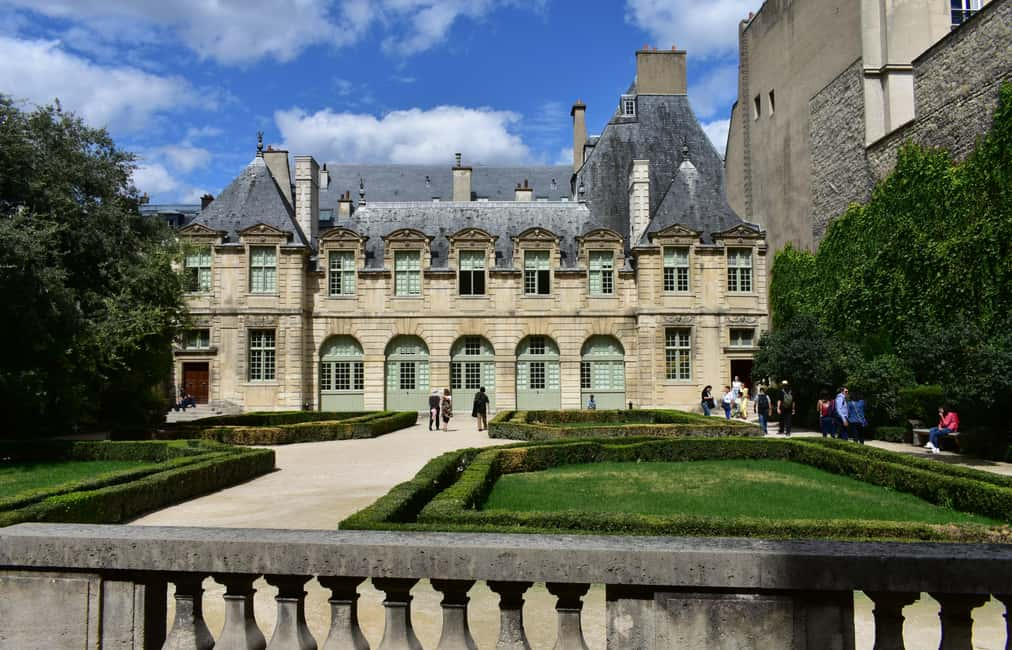
Hôtel de Sully provides another look at the district’s grand side. The stop combines photos, a guided visit, and an explanation of the building. These former mansions help you picture a Marais filled with wealthy residents, Royal Ministers, courtiers, and French aristocrats.
What I find useful is the contrast with the streets around Rue des Rosiers later in the tour. The Marais was never only about grand doors and formal courtyards. Its identity comes from the close distance between private wealth, religious life, shops, homes, and public streets.
The route then pauses around 99 Rue Saint-Antoine. This is another chance to read the neighborhood through its buildings and street pattern. The schedule allows roughly 10 minutes, so listen closely to the guide rather than expecting a long independent visit.
The references to the Bastille add another layer. The quarter’s story includes former prisoners as well as aristocrats. That mixture helps explain why the Marais feels less like a single preserved monument and more like a working part of Paris that has kept traces of many eras.
Rue des Rosiers and Jewish Paris
Rue des Rosiers is one of the most rewarding parts of the walk for anyone interested in living culture. The guide explains the Jewish community in Paris, including the oldest synagogue in the city and the only synagogue in Art Deco style.
The route also points out gathering places, food shops, and restaurants. You may see or learn about familiar Jewish specialties such as falafel, hamantaschen, and Hanukkah jelly donuts. Food is not the full point of this stop, but it makes the neighborhood’s identity concrete.
You get about 15 minutes here. That is enough for a guided introduction and perhaps a quick snack, but not enough for a relaxed meal. If you want to eat on Rue des Rosiers, plan to return later. I would treat this stop as an orientation, then come back when you have time to choose a restaurant or food counter without watching the clock.
This section also shows why a local guide adds value. Religious buildings and community landmarks can be easy to miss when you are focused on famous Paris sights. A guide can explain what you are looking at and place it within the district’s larger story.





Secret spaces and the Marais’s quieter corners
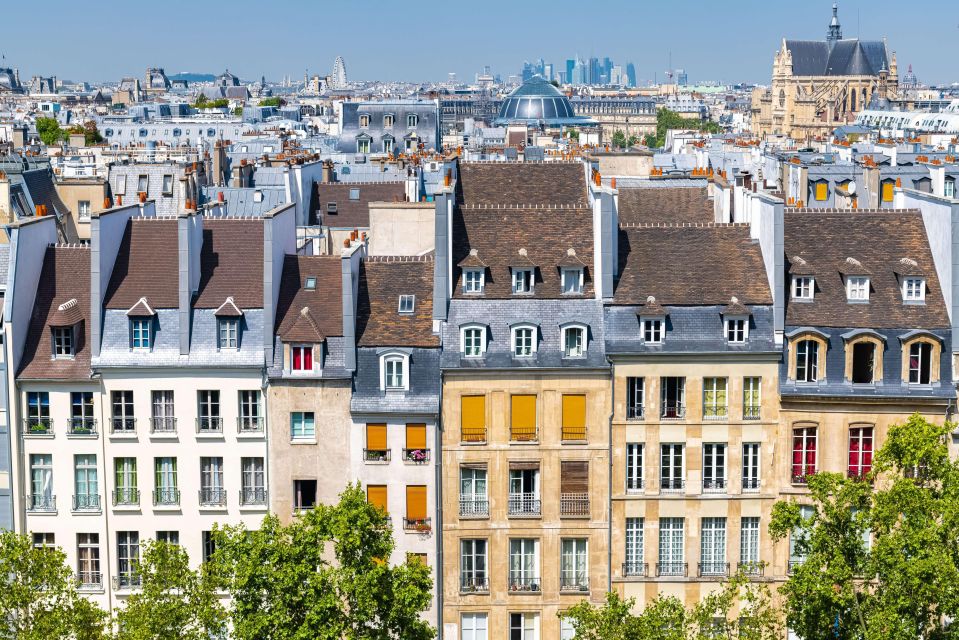
The tour includes a secret stop with time for photos and a guided explanation. The exact nature of this stop is not specified, which is part of the appeal. You are led to a place selected to reveal something less obvious about the quarter.
Keep your expectations sensible. Secret does not mean a private palace or a major attraction closed to the public. It means a place you might not locate on your own. The value comes from the guide’s local route and timing.
The next stop, Halle des Blancs Manteaux, continues the look at the Marais away from its best-known postcard views. You get around 10 minutes of guided attention. This is a good point to ask questions, especially if you are curious about how the quarter’s uses changed over time.
The route later reaches the National Archives Garden, where you have about 15 minutes for a visit, photos, and commentary. The garden offers a change of mood after busy streets and storefronts. One recent guide, Sacha, used lesser-known gardens to answer a question about why Paris has relatively little green space. That kind of response is a good sign for anyone who prefers a flexible conversation over a fixed speech.
From designer shops to the contemporary Marais
The modern side of the neighborhood appears at UNIQLO Le Marais, where the guide discusses the area’s shopping culture and changing style. The stop is not about buying a T-shirt. It shows how major brands and designer boutiques now share streets that once belonged to noble families, religious communities, and small local businesses.
At 30 Rue Sainte-Croix de la Bretonnerie, you have time for a visit, guided explanation, and shopping. This part of the route introduces the Marais as a center for creative design and fashion. It also connects with the district’s LGBT identity, especially its cafés and nightlife.
The tour does not treat the gay and lesbian community as a footnote. It presents the modern Marais as a place where LGBT life, Jewish culture, fashion, art, and older architecture meet in a small area. That is one of the walk’s strongest features, though the short schedule means you get an introduction rather than a full nightlife or food tour.
Picasso, the National Archives, and Centre Pompidou
The Picasso Museum Paris receives about 10 minutes of guided attention. This is enough to place the museum within the Marais’s art scene, but not enough for a full collection visit. If Picasso is a major reason for your Paris trip, plan a separate admission and allow much more time.
The National Archives Garden follows as one of the more relaxed stops. The 15-minute visit gives you room for photos and a brief look at another historic setting. It also reinforces the idea that the Marais has more open courtyards and gardens than you might expect from its dense streets.
The walk ends at Centre Pompidou, with a 15-minute photo stop and guided discussion. The building’s modern design makes a sharp contrast with the medieval and aristocratic architecture earlier in the route. That contrast is exactly the point. The Marais is not a museum district frozen in one century.
Because the tour ends near a major cultural landmark, you can continue your day with the Pompidou, return to Rue des Rosiers, shop in the district, or walk toward the Seine. The experience works best as a first look that helps you decide where to spend more time afterward.
What the guides add to the experience
The strongest praise connected with this tour concerns the guides’ energy, history knowledge, and ability to answer questions. Max is described as enthusiastic and energetic, with a background in politics, history, and international relations. Sacha is noted for answering questions clearly and adjusting the walk to the group’s interests.
That flexibility can make a major difference. One family group asked about green space in Paris, and Sacha used the question to show less obvious gardens. This is the sort of small adjustment that can turn a standard route into a more personal afternoon.
Malakas also led the walk in heavy rain and cold, humid weather while keeping the historical explanation useful. That is worth noting because Paris weather can change your comfort quickly. The guide can keep the tour moving, but you still need proper shoes, water, and an umbrella.
English and Russian are available. The experience is guided rather than self-paced, so it suits you if you like asking questions and hearing context as you walk. It is less suited to you if you want to stop often for long photos or browse every shop.
Who should book this Marais tour?
I would choose this walk if you are visiting Paris for the first time and want more than the usual Eiffel Tower and Louvre circuit. It gives you a strong sense of one neighborhood and shows how history remains part of ordinary streets.
It also suits repeat visitors who have already seen the major monuments. The secret stop, Jewish quarter, lesser-known gardens, and changing LGBT and design scene offer reasons to return to the Marais with fresh eyes.
Families can benefit from the route because it mixes short stops, food references, gardens, architecture, and stories about famous people. The guides’ willingness to answer questions is especially useful when children or teenagers notice something outside the planned subject.
I would be cautious if you have limited walking ability, need a slow pace, or want extended indoor visits. The tour moves through many locations in 150 minutes, and several stops last only 10 minutes. The supplied information does not specify accessibility arrangements, so ask the provider before booking if that is important for you.
Practical details before you go
The meeting point is the exit of Bastille Metro, Exit 7, also called Sortie 79. Lines 1, 5, and 8 serve the station. Look for the guide with the My Super Tour sign.
Wear comfortable shoes. The tour is a walking route through city streets, and the schedule includes several transitions between stops. Bring water, and carry an umbrella for security and comfort in uncertain weather.
The price is $50 per person. I see the best value in the guide’s local knowledge, the broad mix of history and present-day culture, and the access to places you might overlook alone. The value is weaker if you measure a tour only by admission time, since this is primarily a guided neighborhood walk.
You can cancel up to 24 hours before the start for a full refund, and you can reserve now while paying later. Check the available starting times because the duration is fixed at 150 minutes.
Should you book it?
Book this Marais tour if you want a lively introduction to the quarter’s many sides: medieval streets, noble mansions, Jewish Paris, Victor Hugo, hidden gardens, modern design, LGBT culture, and contemporary art.
The best reason to go is the range packed into a short route. The main caution is that the experience moves quickly and does not replace a full visit to the Picasso Museum, Maison de Victor Hugo, or Centre Pompidou.
For a first visit, I would take the walk early in your Paris stay, then return to Rue des Rosiers, Place des Vosges, or a museum that caught your interest. With a curious guide such as Sacha, Max, or Malakas, this is a practical way to get your bearings in one of Paris’s most layered neighborhoods.
FAQ
How long does the Marais tour last?
The tour lasts 150 minutes, or two and a half hours.
How much does the experience cost?
The price is $50 per person.
Where does the tour meet?
The meeting point is at the exit of Bastille Metro station, Exit 7, also marked Sortie 79. The guide waits with a My Super Tour sign.
Which Metro lines reach the meeting point?
Bastille station can be reached by Metro lines 1, 5, and 8.
Which languages are available?
The tour is offered in English and Russian.
Is a local guide included?
Yes. An experienced professional local guide is included.
What should I bring?
Bring comfortable shoes, a bottle of water, and an umbrella.
Can I cancel for a refund?
You can cancel up to 24 hours in advance for a full refund.
Can I reserve now and pay later?
Yes. The booking option allows you to reserve your place and pay later.