REVIEW · POMMARD
Luxury Burgundy Private Wine Tour
Book on GetYourGuide →Operated by Grape Adventure · Bookable on GetYourGuide
Burgundy makes you work a little for its best wine, since the famous bottles come from tiny vineyard plots rather than broad regions. This private day with native guide Jeremie gives you a clear route through the Côte de Nuits and Côte de Beaune, with tastings at two family-run estates and scenic stops among names such as Romanee Conti, Musigny, Montrachet, and Corton Charlemagne.
I like the small-production estates, where you may taste bottles that are hard to find outside France. I also like the way the guide connects each glass to Burgundy’s classification system, local history, and the Climats that divide the vineyards into precise plots. The main consideration is price: at $648 per person, this is a serious splurge, and lunch is an extra €25 to €35.
In This Review
- Key points at a glance
- Why Burgundy’s tiny vineyard plots matter
- A full day from Beaune or Dijon
- The Route des Grands Crus, from famous names to working villages
- The morning tasting in the Côte de Nuits
- Lunch in a winemaking village
- The afternoon estate and higher-level Burgundy
- How good is the guide element?
- What the $648 price really buys
- Who should book this Burgundy day?
- FAQ
- Where does the tour start?
- Where does the tour end?
- How long does the experience last?
- What languages does the guide speak?
- Is the tour private?
- How many wines will I taste?
- Is lunch included?
- Can pregnant women join the tour?
Key points at a glance
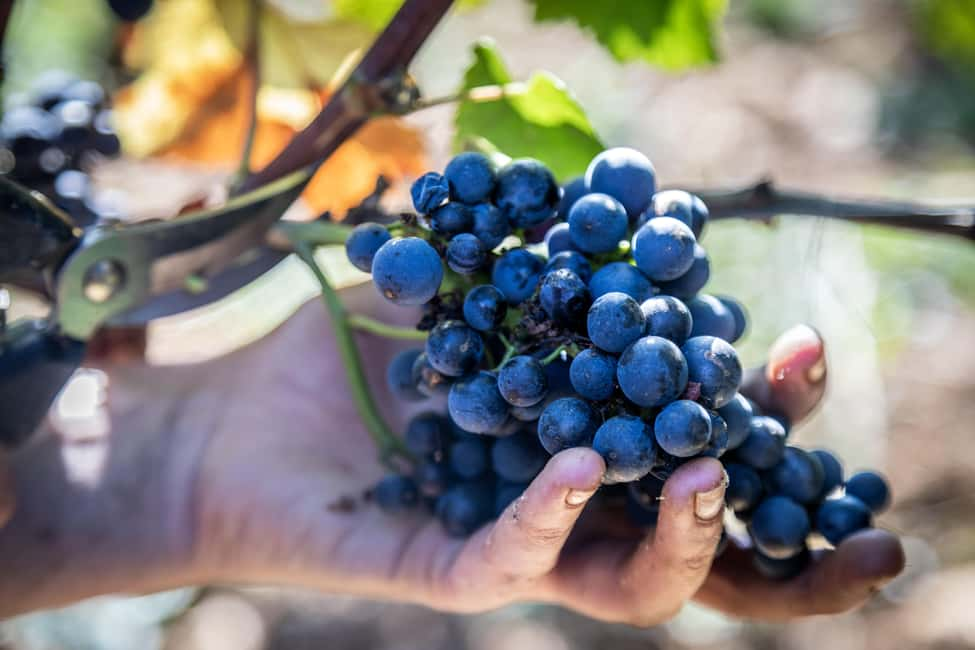
- Two private estate tastings: Sample around 10 to 15 wines, with attention to Premiers Crus and Grands Crus.
- A full Route des Grands Crus drive: Pass villages and vineyards in both the Côte de Nuits and Côte de Beaune.
- A native wine and history guide: Jeremie, also written as Jeremy in one booking record, leads in English or French.
- Hotel pickup and drop-off: Start and finish in Beaune, Dijon, or nearby villages within about 20 minutes.
- A real lunch break: Eat French food in a winemaking village, with lunch paid separately.
- A private luxury minivan: The vehicle and private format make the long day more relaxed than a large coach tour.
Why Burgundy’s tiny vineyard plots matter
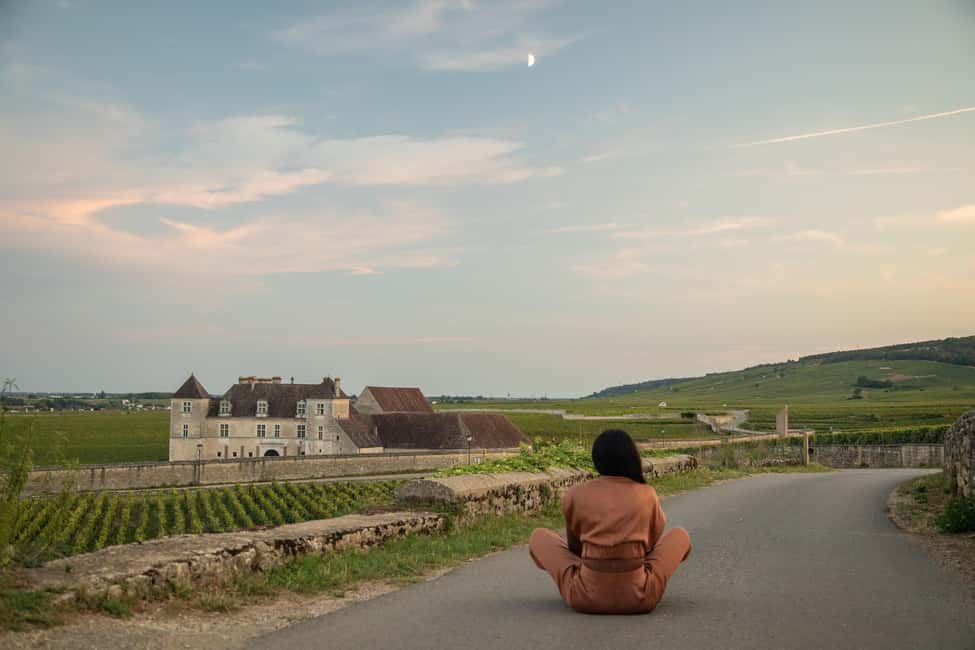
Burgundy is not one single wine area. The two names that matter most on this tour are the Côte de Nuits and Côte de Beaune, where Pinot Noir and Chardonnay reach their highest expression.
The Côte de Nuits is especially linked with red Burgundy and famous Pinot Noir villages such as Gevrey-Chambertin and Vosne-Romanée. The Côte de Beaune brings in celebrated white wine country around Meursault and Montrachet, while also offering important red wine villages such as Pommard and Aloxe-Corton.
What makes the region tricky is the classification system. A village may give its name to a wine, but within that village, individual vineyard plots can have different ranks. Premiers Crus and Grands Crus are not simply bigger versions of ordinary wines. They come from specific Climats, Burgundy’s named vineyard parcels, and the classification reflects centuries of local farming, ownership, and winemaking.
You will hear this explained while looking at the vineyards themselves. That matters. A classroom explanation can make Burgundy’s labels seem like a puzzle, but seeing the plots, villages, slopes, and estate buildings gives the system a practical shape.
You can also read our reviews of more private tours in Pommard

A full day from Beaune or Dijon
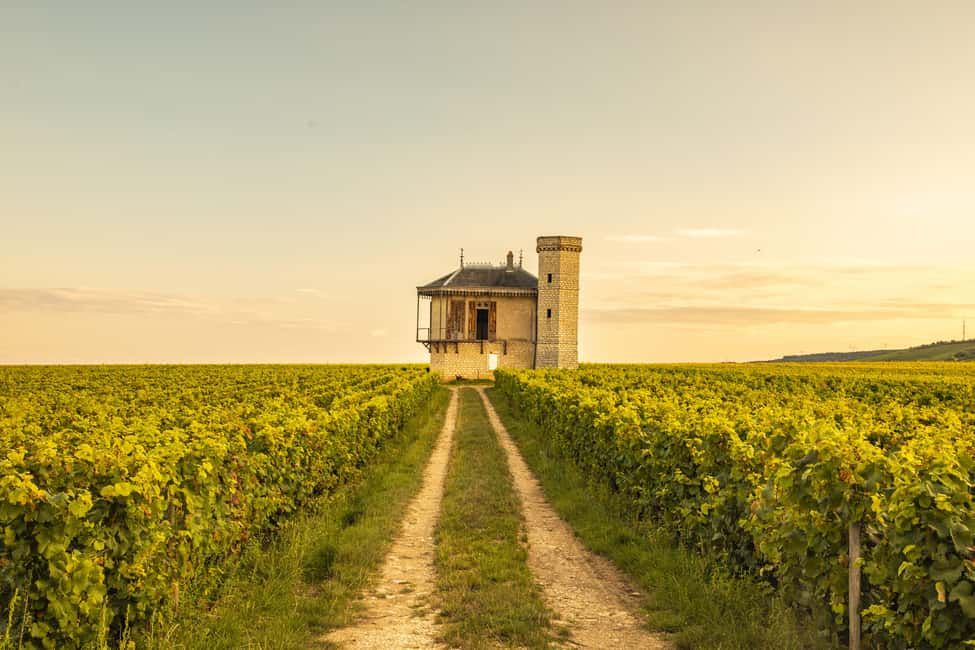
The tour lasts about eight hours, with pickup from your hotel in Beaune, Dijon, or a nearby village within roughly 20 minutes. The day ends at about 5:30 PM, also at your hotel or an agreed location.
The private format is important here. Burgundy’s top wine villages are close together on a map, but the experience involves several stops, explanations, tastings, and a substantial amount of driving. A luxury minivan gives you a comfortable base for the day, and you do not have to worry about tasting and driving yourself.
This is also a practical choice if you are staying in either Beaune or Dijon. Beaune puts you closer to much of the wine country, while Dijon gives you access to the northern part of the route and the Côte de Nuits. The operator handles the road connections, so you can focus on the vineyards and the tasting room.
The private group arrangement makes the pace more flexible than a large scheduled bus trip. Jeremie can explain the parts of Burgundy that interest you most, though the supplied details do not promise a fully customized itinerary or a particular estate in advance. That uncertainty is normal in wine touring, since estate availability and the day’s route can affect the final stops.
The Route des Grands Crus, from famous names to working villages
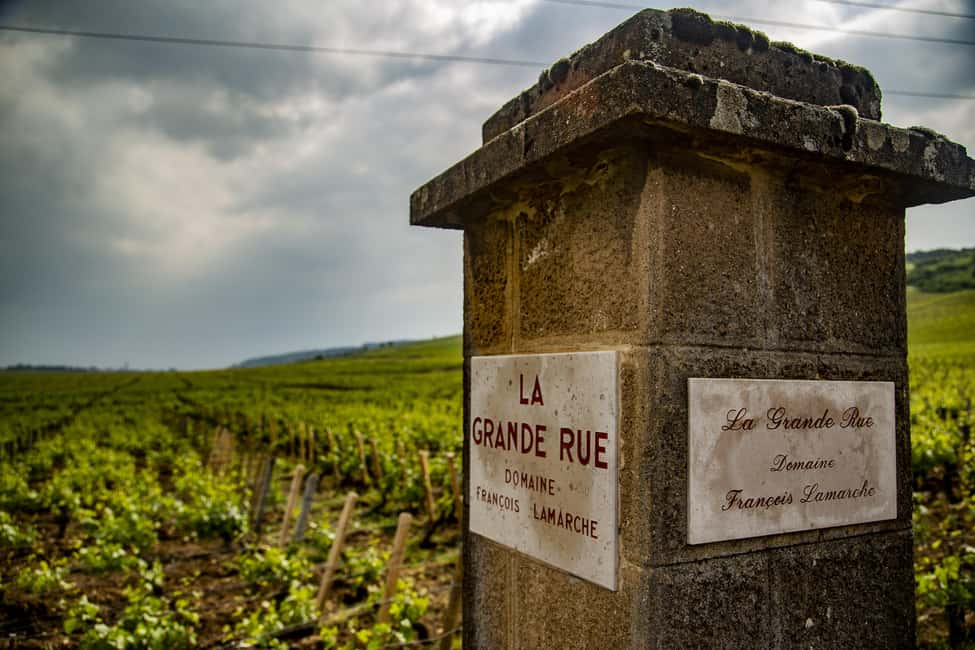
The scenic drive is not just transport between tastings. It is one of the main parts of the experience.
You pass through the Route des Grands Crus, the celebrated wine road linking Burgundy’s best-known vineyard villages. The route takes you past places with names that wine collectors recognize immediately: Clos de Vougeot, Romanee Conti, Musigny, Montrachet, and Corton-Charlemagne.
You also pass through Vosne-Romanée, Gevrey-Chambertin, Pommard, Meursault, and Aloxe-Corton. Each village has its own place in Burgundy’s wine map, and the guide helps you understand why one name may be associated mainly with Pinot Noir while another is closely tied to Chardonnay.
A photo stop gives you time to get out of the van and take in the vineyards. The scenery is carefully shaped by vines, stone walls, village roads, and centuries of cultivation. The route has UNESCO World Heritage recognition as part of Burgundy’s Climats, which adds context to what you are seeing, but the value is not just the official label. The point is to notice how small changes in soil, slope, and location can lead to different wine names and classifications.
Do not expect a museum-style tour at every famous vineyard. Some of the most important plots are viewed from the road or from designated stopping points. The appeal comes from seeing the setting and having the guide explain the place, not from entering every legendary parcel.
The morning tasting in the Côte de Nuits
The first estate visit takes place in the Côte de Nuits and lasts about an hour and a half. It is held at a family-run winery selected for quality, with a focus on red and white Burgundy and higher-ranked bottles.
The tour promises a total of 10 to 15 wines across the two tastings, including Premiers Crus and Grands Crus. That is a generous range for one day. It lets you compare wines from different villages and classifications instead of spending the entire morning with only one label.
The family-estate setting is one of the strongest features. Large commercial wineries can offer polished visits, but a small family producer can show you how limited Burgundy production really is. Some estates make such small quantities that their wines may be difficult to find abroad.
You should listen for the connection between production size and price. In Burgundy, a Grand Cru does not come from an enormous vineyard producing endless bottles. The best-known names may be tied to very small areas, and demand far exceeds supply. The tasting gives you a chance to understand that relationship with the glass in front of you.
The precise estate is not named ahead of time in the supplied details, so you should not book this expecting a visit to a particular producer. The advantage is that the operator can select family estates based on quality and availability. The trade-off is less certainty for collectors who have one specific winery on their wish list.
Lunch in a winemaking village
After the morning tasting and route drive, you stop for about 105 minutes, including lunch. The meal is at a local restaurant in a winemaking village and features French cuisine.
Lunch is not included. The stated menu range is €25 to €35, which gives you a useful budget figure before booking. Drinks and any choices beyond the menu may cost more, though those details are not specified.
This pause is well placed. Wine tasting can become tiring if every hour is spent standing, listening, and comparing glasses. A proper meal gives you time to reset before the afternoon estate visit, and eating in a wine village keeps the day connected to local life rather than turning it into a string of tasting rooms.
Do keep the timing in mind. A 105-minute break is long enough for a relaxed meal, but not an open-ended stop for a long personal detour. If you want to visit a particular restaurant, ask before the tour about the planned location and menu.

The afternoon estate and higher-level Burgundy
The second private tasting takes place in the afternoon and also lasts about an hour and a half. Like the morning visit, it focuses on family-run production and includes red and white wines, with Premiers Crus and Grands Crus receiving special attention.
This second tasting is useful because Burgundy makes more sense through comparison. One estate may show how a village expresses Pinot Noir, while another helps you compare Chardonnay from different parts of the Côte de Beaune. The guide can place each wine within the broader structure of the region.
You are likely to taste a broad selection rather than a single flight of nearly identical wines. The stated total of 10 to 15 wines means the day is built for range. That suits a curious drinker who wants to learn how Burgundy works, but it may be too much alcohol for someone who prefers slow, minimal tastings.
Take advantage of the spit or tasting controls if they are available at the estates, though this experience does not specifically promise them. You are tasting for comparison and education, not trying to finish every pour. The practical issue is simple: pace yourself, eat lunch, and drink water when offered.
Pregnant women should note that the experience is listed as unsuitable for them. The tour is centered on wine tasting, so that restriction is understandable.
How good is the guide element?
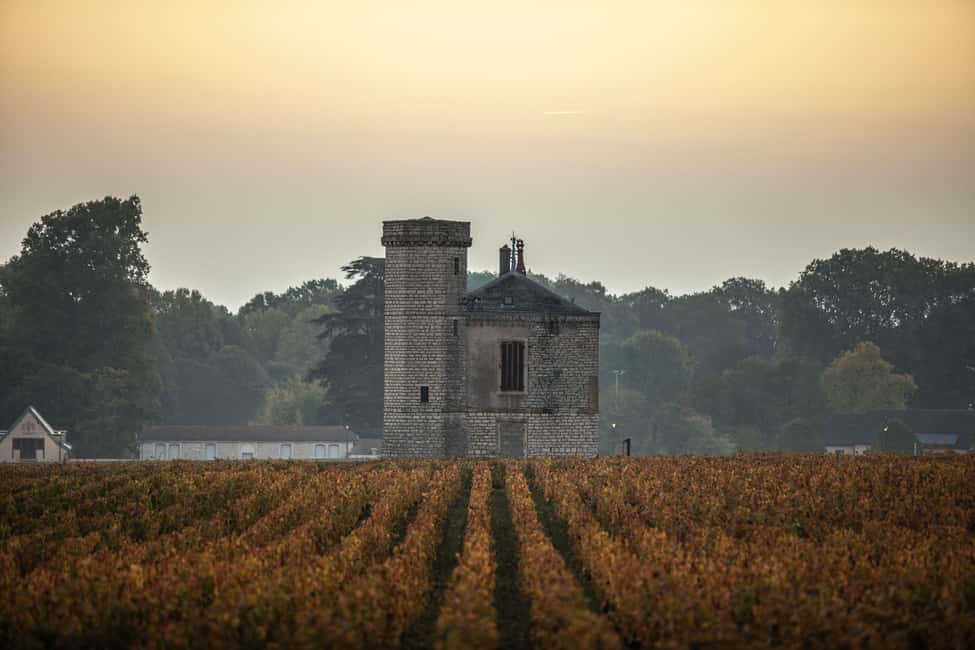
The guide is a major reason to consider this experience. Jeremie is described as a native of the region with expertise in wine and local history. He leads in English or French, and the private format gives you a chance to ask direct questions rather than waiting for a large group to catch up.
The strongest praise is aimed at his command of Burgundy and France, along with his professional approach. One booking record also highlights the newer van, which supports the picture of a well-run private day rather than a basic transfer with a few tastings attached.
A strong guide matters in Burgundy because the terminology can become dense fast. You may hear village names, vineyard names, ranks, producer names, and terms linked to vinification in the same conversation. Jeremie’s role is to turn that information into a story you can remember when you see Burgundy bottles later.
The guide also covers vinification, the wine industry, classification, and the region’s past. That makes this more than a tasting package. You get the background needed to understand why Burgundy commands such high prices and why two wines made from the same grape can be treated so differently.
What the $648 price really buys
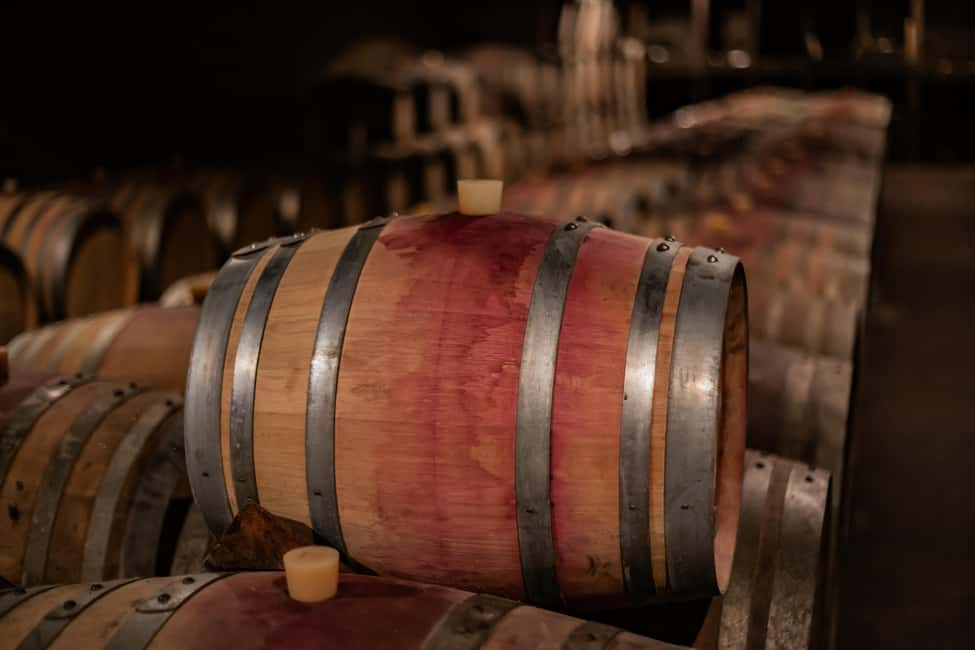
At $648 per person, this tour is expensive. The price makes more sense if you value privacy, hotel transport, a full-day guide, a luxury minivan, two private estate visits, and access to 10 to 15 wines that may be hard to find abroad.
It is less attractive if your main goal is simply to drink Burgundy at the lowest cost. Beaune and Dijon offer other ways to taste wine, including town-based tasting rooms and shorter visits. Those options may give you more control over spending and less time on the road.
The price also does not include lunch, which adds €25 to €35 per person based on the stated menu range. That is not a surprise charge, but it should be part of your day’s budget.
For a couple or a small private group celebrating a special occasion, the cost can be justified by the personal attention and the chance to visit family estates. For solo visitors, the per-person figure is harder to defend unless you place a high value on expert guiding and a private vehicle.
The rating is currently 5 out of 5 from three verified bookings. That is a strong early signal, but the sample is small. The most consistent praise concerns Jeremie’s wine and France expertise, his professional service, and the quality of the van. I would treat those as the clearest strengths, while remembering that a small number of ratings cannot predict every future departure.
Who should book this Burgundy day?
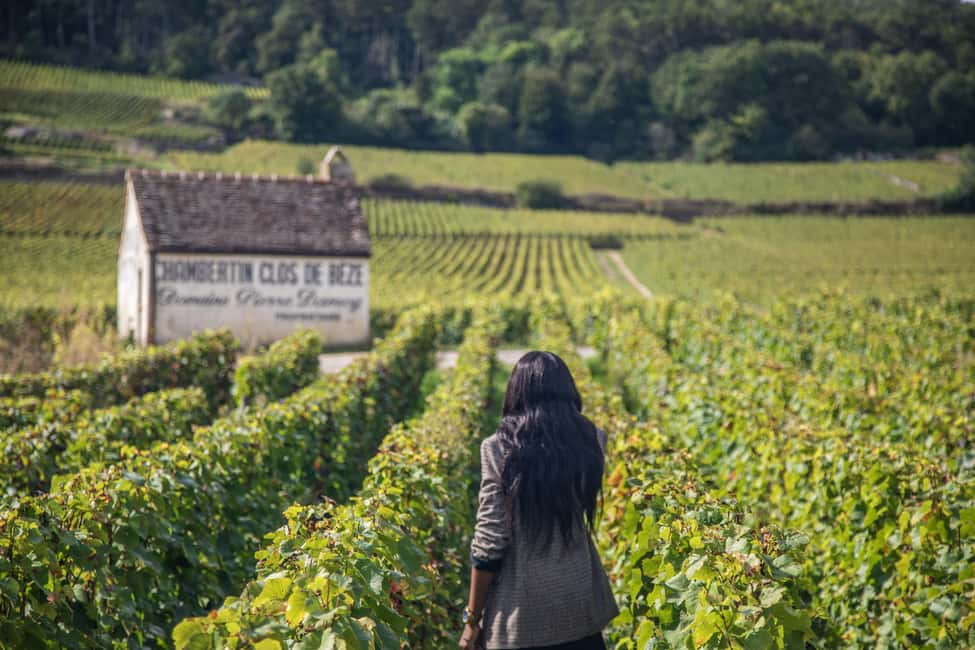
I would choose this tour if you want Burgundy explained as a complete region rather than sampled in isolation. It suits you if you enjoy seeing the vineyards, learning how classification works, and tasting both red and white wines in family-run settings.
It is also a good fit if you are staying in Beaune or Dijon without a car. Hotel pickup and drop-off remove the stress of finding rural estates, and the private vehicle lets you enjoy the tasting without driving afterward.
Wine collectors may appreciate the emphasis on Premiers Crus, Grands Crus, and small production. Still, you should not book it solely to secure a particular bottle or estate, since the producers are not named in advance.
I would hesitate if you dislike long wine-focused days, want a very cheap introduction to Burgundy, or need a fully fixed list of wineries before paying. The day is built around regional discovery, not a guaranteed visit to one famous producer.
If you want Burgundy’s famous names put into context, and you are ready to pay for a private guide and transport, this is a strong choice. If you only want a few glasses and a quick vineyard photo, a shorter and less costly tasting will suit you better.
FAQ
Where does the tour start?
Pickup is available from hotels in Dijon, Beaune, and nearby villages within about 20 minutes.
Where does the tour end?
Drop-off is available in Dijon, Beaune, or at an agreed nearby location.
How long does the experience last?
The tour lasts about eight hours and finishes at approximately 5:30 PM.
What languages does the guide speak?
The live guide service is available in English and French.
Is the tour private?
Yes. The experience is operated as a private group tour.
How many wines will I taste?
You will taste approximately 10 to 15 wines across two private estate visits, with a focus on Premiers Crus and Grands Crus.
Is lunch included?
No. Lunch is paid separately, with a stated menu price of about €25 to €35.
Can pregnant women join the tour?
No. The experience is listed as unsuitable for pregnant women.