REVIEW · POMMARD
Private Wine Tour in Côte de Nuits and Côte de Beaune
Book on GetYourGuide →Operated by Grape Adventure · Bookable on GetYourGuide
Burgundy makes more sense from the road than from a tasting-room table. This private day tour follows the Route des Grands Crus through the Côte de Nuits and Côte de Beaune, pairing famous vineyard views with two small family-run wineries and 10 to 15 wines.
I like the personal touch of having Jeremy, a native guide who explains Burgundy’s history, classification system, and climats in clear English or French. I also like the flexible route, which includes photo stops and can include places with personal meaning, such as Chassagne-Montrachet. The main drawback is the price, $471 per person, and lunch is extra.
In This Review
- Key points to know
- Why Burgundy is better understood from the vineyard road
- Starting in Beaune or Dijon with a private minivan
- The Route des Grands Crus and Burgundy’s famous names
- The first tasting in the Côte de Nuits
- Lunch in a winemaking village
- The Côte de Beaune, Meursault, and Montrachet
- The second private estate and a broader wine comparison
- Jeremy’s role makes the day easier to follow
- Is $471 per person a fair price?
- Who should book this Burgundy wine tour?
- Practical details before you reserve
- Should you book it?
- FAQ
- Where does the wine tour begin?
- Where does the tour finish?
- How long does the experience last?
- How many wineries do you visit?
- How many wines are included?
- Is lunch included?
- Which languages are available?
- Can I cancel the tour?
Key points to know
- Two private tastings: Visit family-run estates and sample several appellation levels, including Premier Cru wines.
- A full Burgundy route: See Vosne-Romanée, Gevrey-Chambertin, Pommard, Meursault, Aloxe-Corton, and famous vineyard names such as Clos de Vougeot and Montrachet.
- A guide who adds context: Jeremy explains how soil, vineyard boundaries, vinification, and classification shape Burgundy wine.
- Hotel pickup included: Start and finish in Beaune, Dijon, or villages within about 20 kilometers.
- Lunch is flexible: Stop at a local restaurant in a wine village, with menus priced at roughly 25 to 35 euros, but pay separately.
- Best for a private group: You get a relaxed day in a luxury minivan rather than a large coach or a string of unrelated tastings.
Why Burgundy is better understood from the vineyard road
Burgundy’s famous names can feel like a confusing list when you first arrive. Grand Cru, Premier Cru, village wine, appellation, climat, domaine: the terms pile up quickly. This tour gives those labels a physical setting.
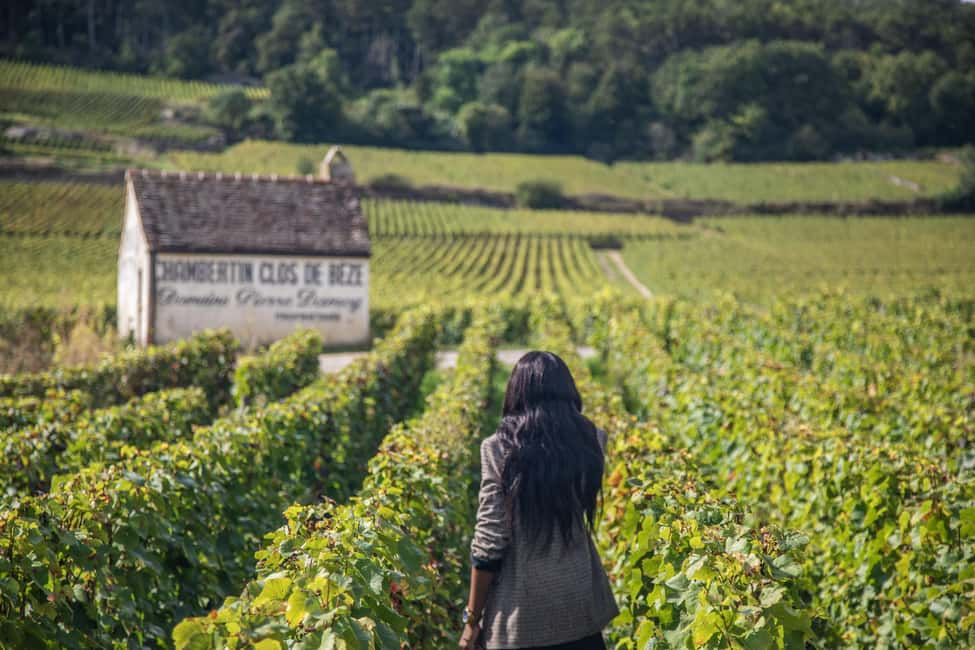
You pass the vineyards that produce wines associated with Romanée-Conti, Musigny, Clos de Vougeot, Montrachet, and Corton-Charlemagne. The drive helps you see that Burgundy is not one broad wine area with a single style. It is a patchwork of small plots, villages, slopes, and soil types.
That matters because Burgundy wine is built around place. Pinot Noir is the main red grape, and Chardonnay is the main white grape. The same grape can taste quite different from one village or vineyard to the next. Jeremy’s job is to connect the glass to the ground outside the window.
I especially like this approach for anyone who has tasted Burgundy before but still finds the classification system hard to follow. You are not simply handed a flight of wines and left to guess why one bottle costs much more than another.
You can also read our reviews of more private tours in Pommard

Starting in Beaune or Dijon with a private minivan
Pickup is available at your hotel in Beaune, Dijon, or villages within approximately 20 kilometers of those cities. That is useful in a region where getting between estates without a car can be awkward, and it removes the need to choose a designated driver.
The vehicle is described as a luxury minivan, and the group is private. That combination gives the day a more personal rhythm. You can ask questions as they arise, spend more time on a subject that interests you, or request a particular scenic stop when practical.
The tour lasts about eight hours and usually returns you to your hotel around 5:30 PM. The day is full, but not built around rushing from one appointment to the next. It includes two separate vineyard drives, two tastings of about 75 minutes each, a lunch break of roughly 105 minutes, and travel time between stops.
The exact starting time depends on availability. Confirm the pickup point clearly when booking, especially if you are staying in a village outside Beaune or Dijon.
The Route des Grands Crus and Burgundy’s famous names
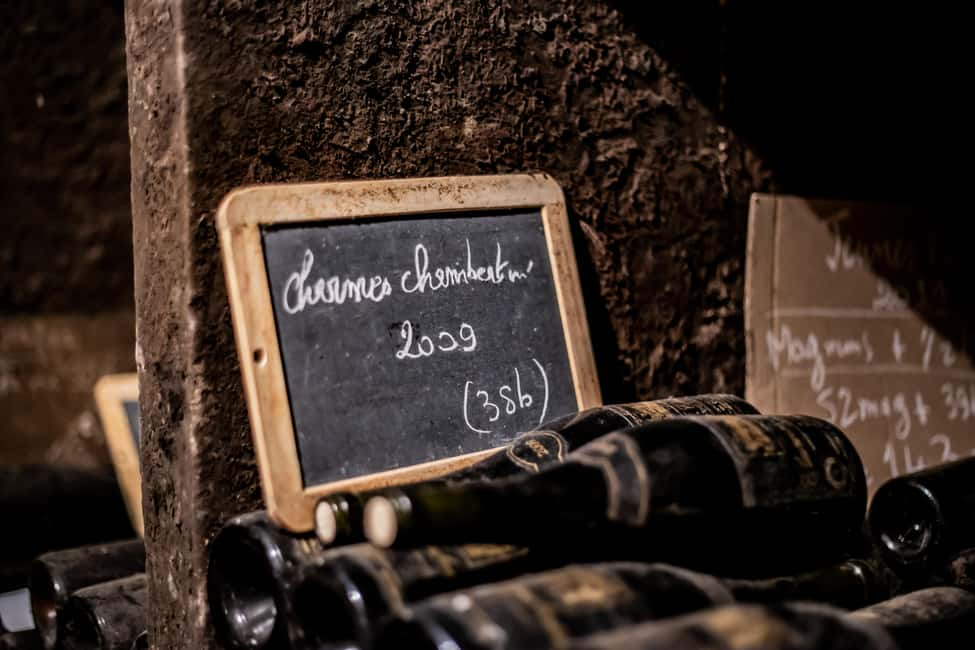
The first major section follows the Route des Grands Crus, the celebrated wine road running through the Côte de Nuits and Côte de Beaune. Its vineyard sites form part of a UNESCO World Heritage classification, reflecting centuries of careful grape growing and winemaking.
This is not just a scenic transfer. Along the way, you get an introduction to the region’s wine structure and stop for photographs. The route passes well-known villages including Vosne-Romanée, Gevrey-Chambertin, Pommard, Meursault, and Aloxe-Corton.
Each name carries its own place in Burgundy’s wine culture. The Côte de Nuits is especially associated with Pinot Noir and prestigious red wines. The Côte de Beaune is known for both red and white wines, with Meursault and Montrachet particularly important for Chardonnay.
You will also hear about vineyard sites such as Clos de Vougeot, Romanée-Conti, Musigny, Montrachet, and Corton-Charlemagne. Seeing these names on the ground helps explain why Burgundy bottles can vary so sharply in price. A famous vineyard may be divided among many producers, and each producer may make only a small amount.
The photo stops are a welcome part of the day. Burgundy’s vineyards are laid out in long, carefully marked parcels, with stone walls, village roofs, and low hills creating the classic view. Bring a phone or camera, but do not expect every stop to be a formal monument visit. Much of the pleasure comes from seeing the places that shape the wine.
The first tasting in the Côte de Nuits
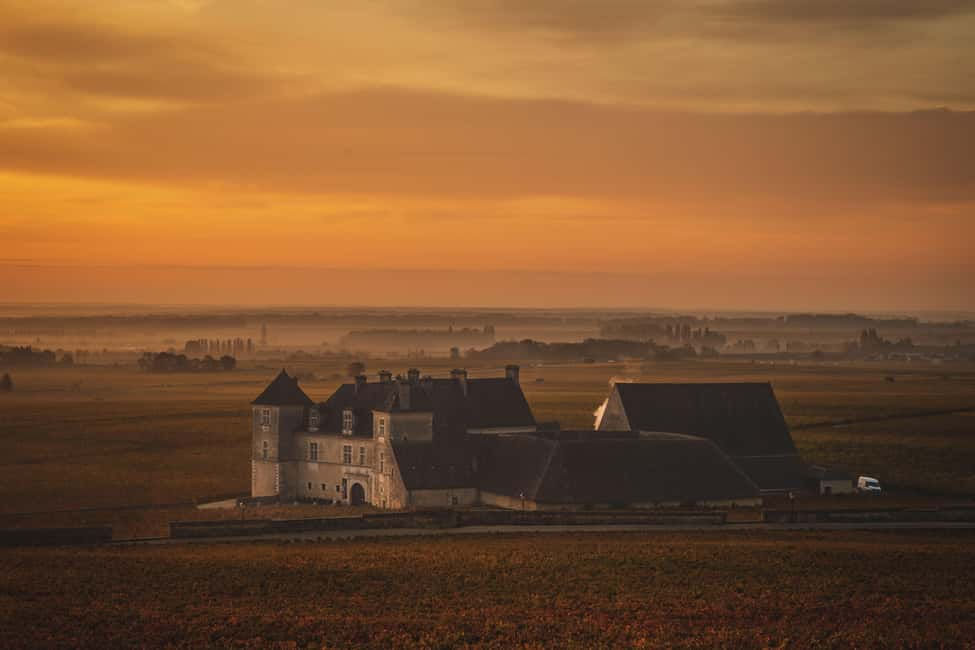
The morning tasting takes place at a family-run estate in the Côte de Nuits and lasts about 75 minutes. The estates are selected for quality, and the focus is on producers whose wines may be difficult to find outside Burgundy.
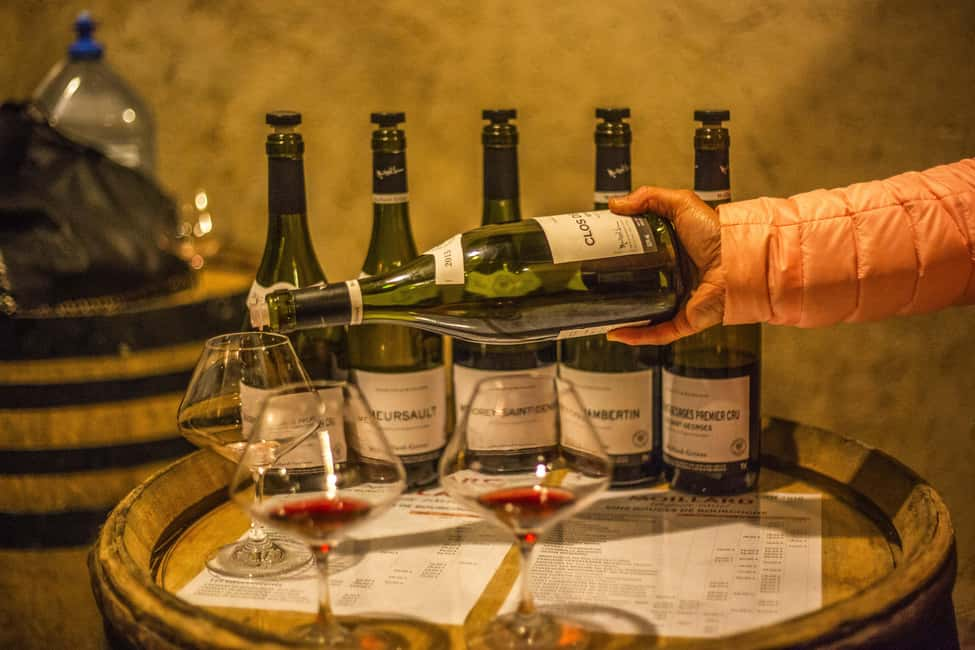
You can expect several wines rather than one or two polite samples. Across both tastings, the day includes about 10 to 15 wines, with different appellation levels and some Premier Cru examples. The selection includes both red and white wines, though the balance may vary by estate.
This is where Jeremy’s explanations become especially useful. Burgundy classification is not simply a ranking of expensive bottles. It reflects a hierarchy tied to named places, with regional, village, Premier Cru, and Grand Cru levels. The tasting lets you compare those levels in a direct way.
The family-estate setting also gives the day a more local feel than a polished commercial tasting room. Small producers often work with limited quantities, so the bottles you encounter may not be widely available abroad. That does not automatically make every wine better, but it does make the tasting more specific to Burgundy.
If you are new to wine tasting, do not worry about having the right vocabulary. Ask Jeremy what changes between wines, why one costs more, and how the vineyard site affects the result. The private format is well suited to basic questions.
Lunch in a winemaking village
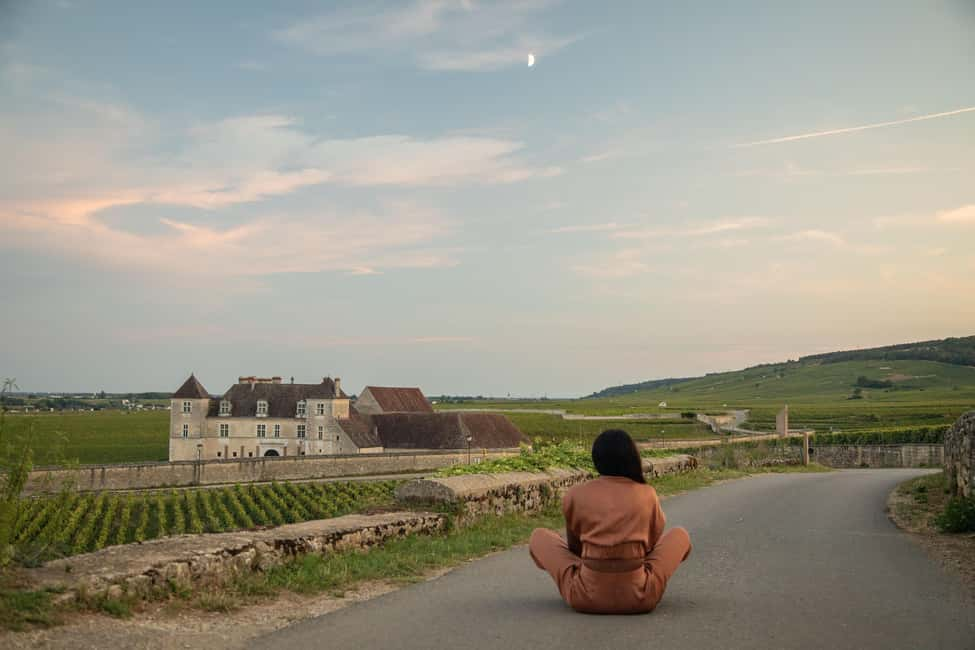
Lunch is not included, but the tour allows about 105 minutes for a break at a local restaurant. Menus generally run about 25 to 35 euros, depending on the restaurant and your choices.
This arrangement is practical. You are not locked into a prepaid meal or a fixed menu, and you get a real pause between the two tastings. French food is part of the region’s appeal, and a meal in a winemaking village gives you time to slow down rather than treat lunch as fuel between appointments.
Ask about the restaurant and menu costs before you sit down. The tour description promises savory French cuisine, but it does not specify a particular restaurant or menu. Your guide chooses a suitable place, and the restaurant may vary with the route and the day.
Because wine tasting continues in the afternoon, lunch is also a chance to eat properly and drink water. Ten to 15 samples over a full day can add up, even when the portions are modest.
You can also read our reviews of more wine tours in Pommard

The Côte de Beaune, Meursault, and Montrachet
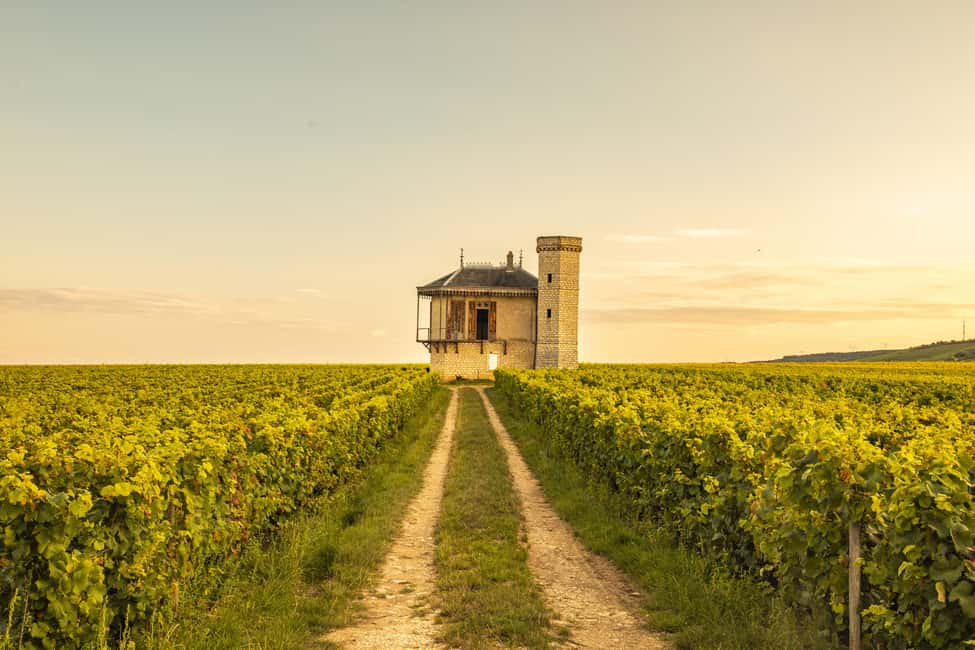
After lunch, the route continues through the Côte de Beaune, with more guided sightseeing and another photo stop. This section brings you toward villages such as Pommard, Meursault, and Aloxe-Corton, along with major vineyard areas including Montrachet and Corton-Charlemagne.
The Côte de Beaune is a good counterpoint to the morning’s Côte de Nuits route. The area is strongly linked with Chardonnay, although red wines remain important in several villages. Meursault is especially useful for understanding how a village name can become closely associated with a particular style and reputation.
The guide’s explanation of climats is central here. In Burgundy, a climat is a precisely defined vineyard parcel with its own name, boundaries, and growing conditions. These parcels can sit close together yet produce wines with different character because of changes in soil, slope, exposure, and local conditions.
You might not remember every vineyard name by the end of the afternoon, and that is fine. The value is learning how to read a Burgundy label and understanding why a small geographical distinction matters so much.
One particularly thoughtful detail is the tour’s flexibility. A guest was able to revisit Chassagne-Montrachet, a place connected with an earlier trip. That kind of personal adjustment is difficult on a large scheduled bus tour. You should still make requests in advance, since the route and timing must work for the estates and driving schedule.
The second private estate and a broader wine comparison
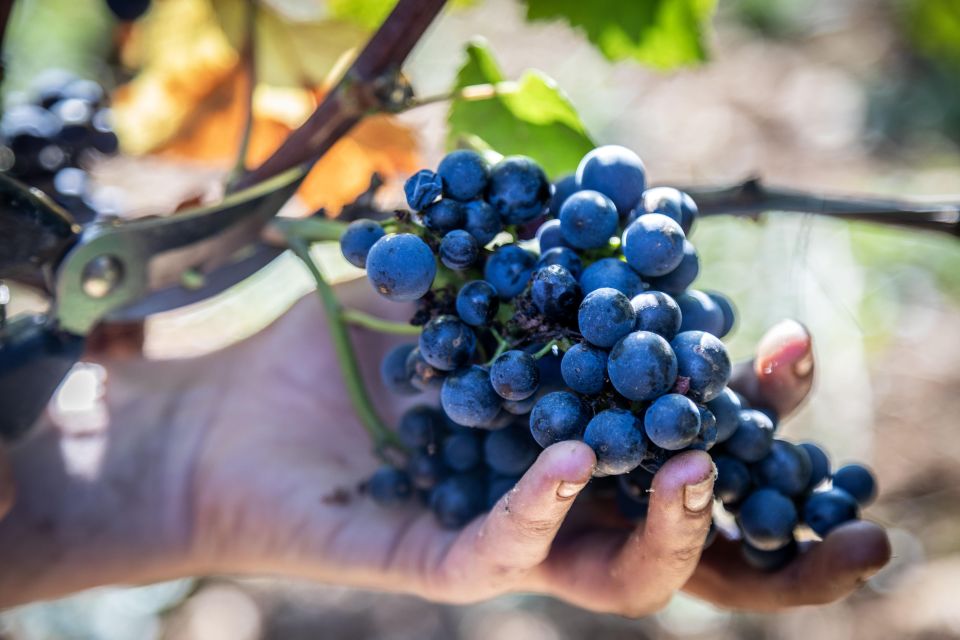
The afternoon tasting takes place at another family-run winery and lasts about 75 minutes. Visiting two different estates is one of the strongest features of the day because it prevents Burgundy from being presented through a single producer’s point of view.
The two wineries may show different approaches, sizes, or wine styles. You can compare how each estate handles its fruit, how the wines express their village or vineyard, and how the same broad grape varieties can produce different results.
The tasting includes multiple appellation levels, including Premier Cru wines. Since Burgundy’s labels can be intimidating, ask Jeremy to explain the relationship between the producer, the village, the vineyard name, and the classification. Those details are more useful than memorizing a list of famous bottles.
The small production size is another practical benefit. These are not necessarily wines you will find on a supermarket shelf or standard restaurant list at home. If you discover a bottle you like, ask about availability and shipping before assuming you can buy it later.
Do keep expectations sensible. A private tasting does not mean unlimited pours or a guaranteed Grand Cru sample. The supplied information promises 10 to 15 wines across the two estates and includes Premier Cru examples, but the precise lineup can change.
Jeremy’s role makes the day easier to follow
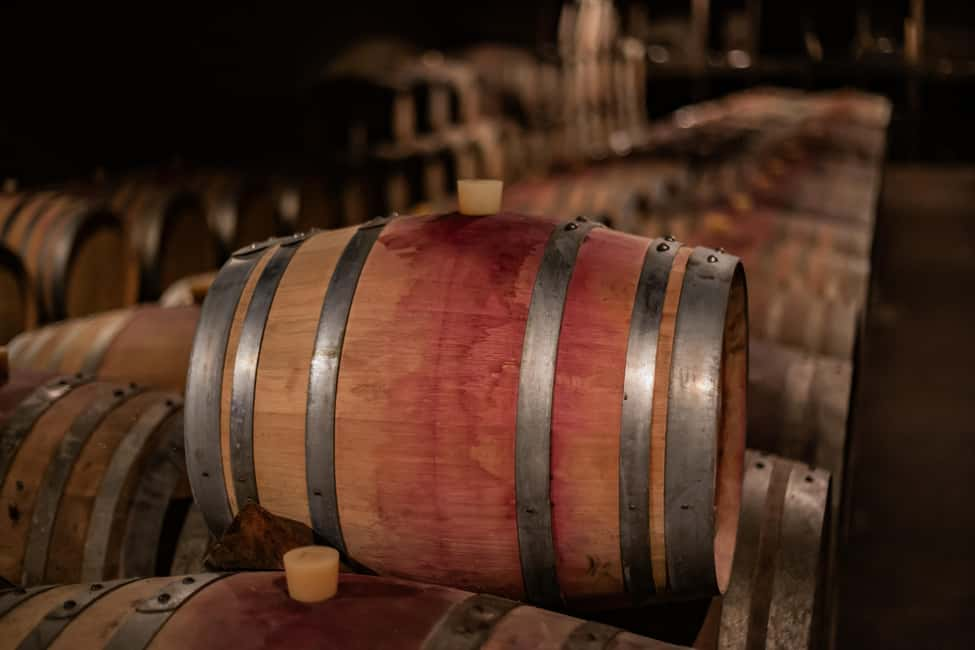
The guide is a native of the region and works as a wine expert and sommelier. His role goes beyond driving between appointments. He explains Burgundy’s wine industry through its history, production methods, vineyard structure, and classification.
His communication style also appears to suit a wide range of visitors. One family traveling with parents in their 70s found his English easy to understand, and he provided detailed explanations without making the day feel like a lecture. Another guest used Spanish, and Jeremy was able to speak with the group in Spanish.
The available tour languages are English and French, with Spanish support reflected in the guide’s service. If language is important to your booking, ask ahead rather than assuming a particular language will be available every day.
The guide can also be useful beyond the scheduled route. Advice about dinner, the next day’s sightseeing, and local transport conditions can save time in a region where train service and village connections are not always simple. That added local help is a real benefit of a private tour.
Is $471 per person a fair price?
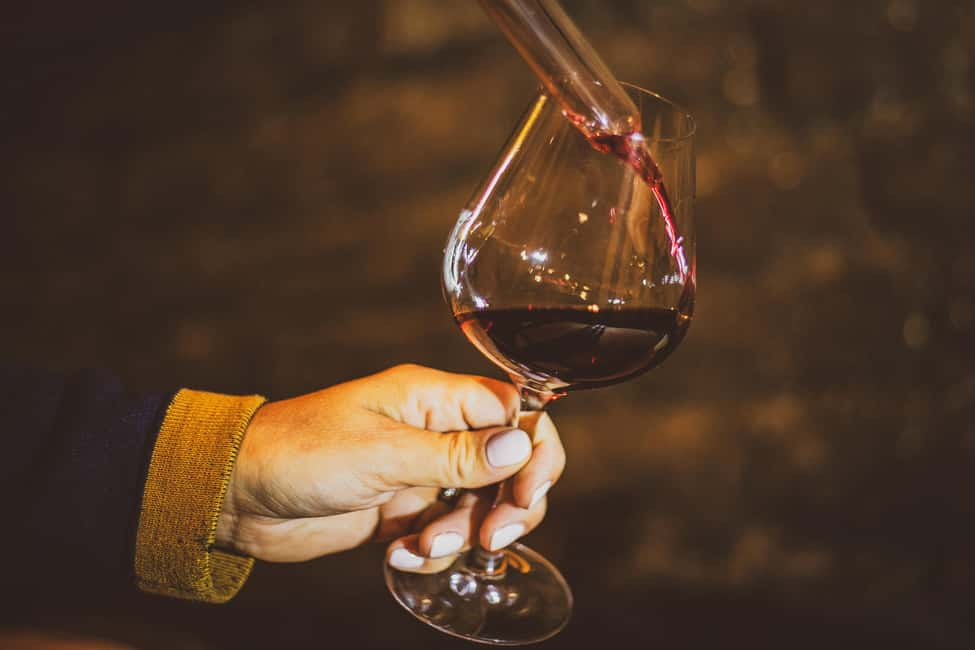
At $471 per person, this is not a budget wine outing. The price makes the most sense for a small private group that wants a full day with hotel pickup, a dedicated guide, private transportation, two estate visits, and a structured introduction to Burgundy.
The comparison is not simply between this tour and the cost of two tasting fees. You are also paying for the driving, the route planning, the guide’s local knowledge, the ability to visit two different family producers, and the convenience of returning to your hotel without navigating after drinking wine.
Value depends heavily on group size. For one or two people, the cost is high. For a private group splitting the expense, the day becomes easier to justify, particularly if you would otherwise need to hire a car and arrange tastings yourself.
Lunch is an additional cost of about 25 to 35 euros, and any wine you purchase is extra. Keep that in your budget. The price does not guarantee that every tasting will feature rare or expensive bottles, but it does offer access to small estates and a guide who can make the wines easier to understand.
Who should book this Burgundy wine tour?
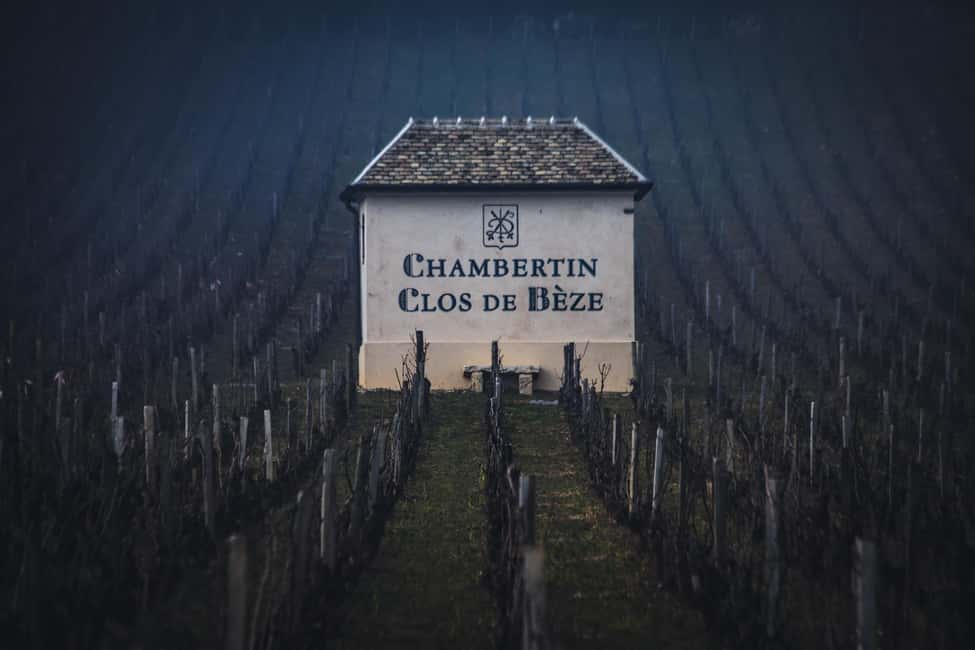
I would choose this tour if you are staying in Beaune or Dijon and want one concentrated day covering both major Burgundy wine areas. It suits people who want scenery and context along with tasting, not just a series of glasses at a counter.
It is also a strong fit for families or friends with mixed wine experience. Beginners get a clear introduction to Burgundy’s terms, while more experienced drinkers can ask about producers, Premier Cru sites, and the differences between villages.
The private format works well for older family members, couples, and groups with specific interests. It also helps if you want a relaxed pace, personal questions, or a possible stop connected to your own itinerary.
This is less suitable if you want a cheap tasting, a short activity, or a guaranteed visit to a particular famous domaine. The route includes famous vineyard names, but the tastings take place at selected family-run estates, and the exact producers are not specified.
The activity is also marked as unsuitable for pregnant women. Anyone who does not drink can still enjoy the villages and scenery, but the day is built around wine tastings, so non-drinkers should consider whether the format is right for them.
Practical details before you reserve
Hotel pickup and drop-off are included in Beaune, Dijon, and nearby villages within about 20 kilometers. The tour uses a private luxury minivan, and the group remains private rather than joining a larger coach party.
Plan on about eight hours, with an approximate return at 5:30 PM. Starting times vary, so check the available departure when you choose your date.
Wear comfortable clothing and shoes for getting in and out of the vehicle and walking around winery or village areas. The provided details do not promise vineyard hiking, so think of this as a road-based wine tour with guided stops rather than a walking trek through the vines.
Free cancellation is available up to 24 hours before departure, and you can reserve while delaying payment. Those terms are helpful if your Burgundy plans are still changing.
Should you book it?
Book this private Burgundy wine tour if you want the region explained by someone who knows its villages, wines, and practical details from close at hand. The strongest reasons are the two different family estates, the 10 to 15-wine tasting range, the Route des Grands Crus, and Jeremy’s ability to adapt the day to your group.
Skip it if $471 per person feels too steep, if lunch and wine purchases will stretch your budget, or if you prefer to choose every winery yourself. For everyone else, this is a well-shaped day that turns Burgundy’s famous names into real places, real roads, and wines you can understand more clearly.
FAQ
Where does the wine tour begin?
Pickup is available from hotels in Beaune, Dijon, and villages within approximately 20 kilometers of those cities.
Where does the tour finish?
The tour returns you to your hotel in Beaune, Dijon, or the surrounding pickup area. The approximate return time is 5:30 PM.
How long does the experience last?
The tour lasts about eight hours.
How many wineries do you visit?
You visit two family-run estates, with one tasting in the morning and another in the afternoon.
How many wines are included?
You taste approximately 10 to 15 wines across the two private tastings. The selection includes different appellation levels and Premier Cru wines.
Is lunch included?
No. Lunch is taken at a local restaurant in a winemaking village, with menus generally costing about 25 to 35 euros.
Which languages are available?
The live guide service is available in English and French. Spanish support may be possible with Jeremy, but you should confirm it when booking.
Can I cancel the tour?
Yes. You can cancel up to 24 hours before departure for a full refund. You can also reserve now and pay later.