REVIEW · LILLE
Lille: Entry ticket to the Museum of Illusions
Book on GetYourGuide →Operated by Musée de l'Illusion Lille · Bookable on GetYourGuide
You can’t trust your eyes here. Lille’s Musée de l’Illusion turns optical tricks into a one-hour, photo-friendly walk through how perception works.
You’ll get a simple ticket, then move at your own pace through rooms packed with sensory effects and perspective puzzles.
What I like most: the experience is built for quick, repeatable photo moments, and you don’t need a guide to enjoy it. The ticket also gives you a steady mix of hands-on illusions (like floating and upside-down effects) plus the science angle behind why your brain falls for them.
The main drawback is practical: it can feel small and busy at peak times, and a few areas rely heavily on mirrors and phone cameras, which can slow you down.
In This Review
- Key things to know before you go
- Lille’s Musée de l’Illusion: a smart, playful hour
- Ticket value: $22 for an hour of optical tricks
- Where it’s located and how you’ll flow through it
- What you’ll see: holograms, perspective puzzles, and photo illusions
- The photo strategy that saves your energy (and your time)
- Crowds and the mirror question: what to expect
- How long it takes to enjoy it (and why “short” can be a feature)
- Who should book this illusion ticket
- A practical run-down of what to do at the door
- Is it worth it? My honest decision guide
- FAQ
- How long is the Museum of Illusions ticket in Lille?
- Where do I go for the ticket?
- What should I bring with me?
- Is food and drink included?
- Are food and drinks allowed inside?
- Is the museum wheelchair accessible?
Key things to know before you go
- 1 hour is the sweet spot: enough time to hit the main rooms without rushing every photo.
- Bring a charged smartphone: some mirror-heavy spots work best when you use your phone camera.
- Expect a compact layout: some people feel the visit is quick, so plan your day accordingly.
- Photo moments are the core: floating, shrinking, and upside-down illusion setups are designed to be recorded.
- You’ll get the “why” behind tricks: the museum includes info on the science of perception.
- Crowds can be real: if you hate waiting, choose a calmer time slot.
Lille’s Musée de l’Illusion: a smart, playful hour
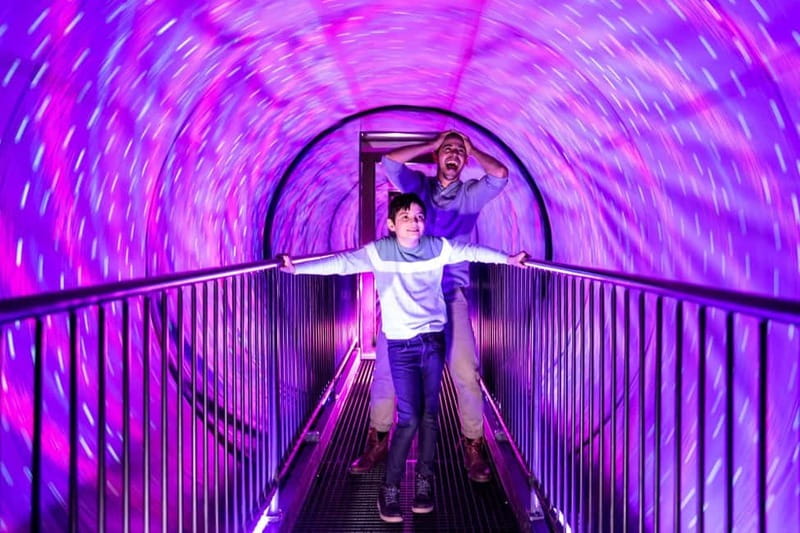
Lille has a knack for turning everyday city time into something memorable, and this stop is pure brain-bending fun. The Musée de l’Illusion is exactly what it sounds like: rooms built to trick your eyes and then explain—at least in plain language—how that trick works inside your head.
I like that you’re not stuck with a long, rigid schedule. With a 1-hour ticket, you can pace yourself, spend extra minutes where you’re having the most fun, and still move on with your day. It’s also a solid choice if your group has mixed ages, because many of the installations are simple to understand once you’re standing in front of them.
Just know this isn’t a huge museum you’ll “wander all day.” Several people note it can feel quick and tightly packed, so if you’re expecting a sprawling, half-day science walk, adjust your expectations.
You can also read our reviews of more tours and experiences in Lille.



Ticket value: $22 for an hour of optical tricks

At about $22 per person for roughly 1 hour, the value depends on what you want out of the experience. If you’re after a short, high-fun activity with plenty of chances to capture the moment, it’s priced about like other “experience” tickets in big European cities—and it delivers that kind of payoff.
If you’re hoping for a deep, slow museum visit (think: lots of reading, long galleries, and quiet contemplation), you might feel it’s pricey for how brief it is. A couple of comments specifically call it small and fast, and one mentions that mirrors and phone use are central to enjoying the rooms.
That said, the museum’s format makes sense for the price: you’re paying for interactive installations and photo-ready illusions rather than for extensive exhibit space. It’s closer to a guided-feeling experience even though you’re essentially exploring on your own.
Where it’s located and how you’ll flow through it
Your entry point is straightforward: go to Musée de l’illusion Lille (that’s the meeting point). The museum is set up as a walk-through experience, with rooms you move through in sequence.
The best way to enjoy it is to treat it like a highlight reel, not a marathon. Do a first pass where you just watch how the illusion works. Then, if you want, go back for photos in the spots that clicked for you. With an hour on the clock, this saves you from spending 30 minutes perfecting one shot while the rest of the museum goes by.
Since the museum is wheelchair accessible, it’s designed for visitors moving at different speeds. You’ll still want to plan a smooth route in your head—especially around the most popular photo spots.
What you’ll see: holograms, perspective puzzles, and photo illusions
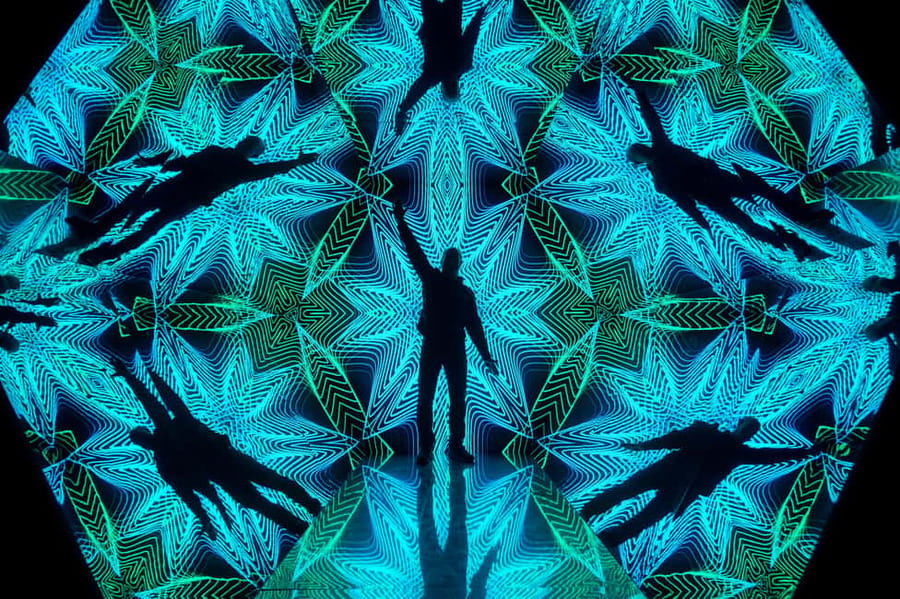
The museum’s core promise is simple: you’ll step into an environment where your eyes and brain disagree. That’s where the magic (and occasional frustration) comes in.
You can expect a mix of:
- Sensory and visual illusions built to change how the room looks as you move
- Hologram-style effects and mind-bending visuals
- Perspective-shifting puzzles that make objects seem impossible
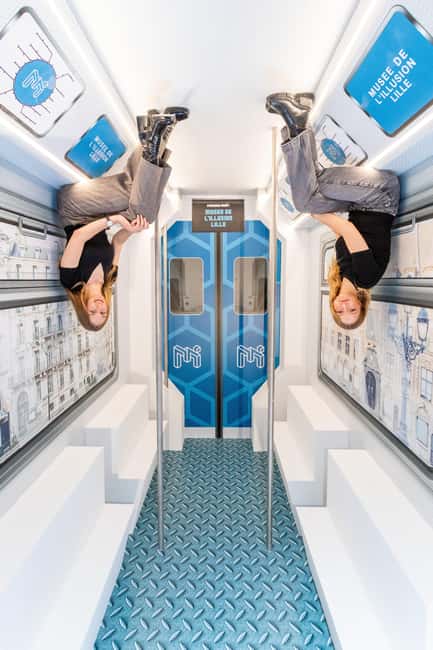
- Photo-focused rooms where you’ll appear to float, stand upside down, or shrink
These kinds of setups are popular for a reason. Your body becomes part of the illusion. When you pose in the right spot, the camera captures the trick your eyes are seeing in real time. That’s also why a phone matters: if a room is mirror-heavy or angle-sensitive, your camera helps you frame the illusion quickly and avoid repeated repositioning.
One thing I appreciate is that it doesn’t stop at wow-factor visuals. The museum includes information tied to the science behind optical illusions—so you’re not just walking through party tricks. The experience is more fun when you understand what your brain is doing wrong (and yes, it’s usually pretty reasonable, not mystical).
The photo strategy that saves your energy (and your time)
If you came for photos, you’re in the right place. The museum is designed for pictures in illusion rooms, and that’s the main reason many people leave smiling and sharing online.
Here’s how to make it smoother:
- Start with a quick test shot in each main illusion room. This tells you your angle and whether the effect shows up cleanly on camera.
- Use a charged smartphone and a camera if you have both. Some of the mirror-based rooms can be hard to get right without a phone, especially when the best view depends on a specific angle.
- Don’t block others while you fine-tune. If a room is busy, do your best setup fast and let other people rotate through.
Also, plan your timing. The museum can be busy, and a few installations are likely to gather a crowd because everyone wants the same photo moment. If you prefer quieter time, choose a calmer slot when you can.
A small note that matters: there’s an explicit “what to bring” list that includes a camera and a charged smartphone. That’s your hint to come prepared. When the museum leans on visuals and reflection, battery life is part of the experience.



Crowds and the mirror question: what to expect
This is the part you should think about before you buy. A few comments point out that the museum can get crowded and that some rooms are heavily based on mirrors. One person even flags that using a phone becomes necessary to enjoy the effect.
So what does that mean for you on the ground?
- If you hate tight spacing, you may want to avoid the busiest hours.
- If you’re traveling with kids, build in flexibility. Kids often want to repeat the best illusion two or three times, and that can slow your group down in a crowded room.
- If you’re chasing the perfect photo, mirrors can help—but they also raise the chance of traffic bottlenecks as everyone tries to line up.
I don’t think this is a deal-breaker. It just means you should treat the museum like a short, social activity, not a quiet museum moment. When you adjust your expectations, the crowds become part of the fun rather than the main event.
How long it takes to enjoy it (and why “short” can be a feature)
The duration is about 1 hour. Some people find that short, and a couple mention the visit is quick. Another comment says the experience is a bit short even though it’s good.
Here’s my take: that shorter length is actually helpful. It keeps the museum focused on the installations that work best for quick wow-moments. You’re not stuck in long lines between rooms, and you can combine the visit with other Lille sightseeing without burning half a day.
Just don’t schedule it like a flexible wandering block. Plan something before and after so you don’t feel rushed. If you’re pairing it with nearby sights, choose a time that fits smoothly, especially if your next stop also involves walking and transit.
Who should book this illusion ticket
This is best for people who want interaction and photos more than quiet reading time.
You’ll likely enjoy it if you:
- Travel with kids or teenagers who love hands-on challenges
- Want an easy, low-planning activity in Lille
- Enjoy optical illusions, perspective tricks, and “hold on, how is that possible?” moments
- Want something that works on multiple levels: fun first, science second
It’s also a great option if your group has different tastes. Someone who loves photography will have plenty to do, while someone who loves how things work will get the science explanations alongside the visual effects.
It might be less ideal if you:
- Hate crowds and mirror-heavy spaces
- Expect a long museum visit with lots of gallery time
- Want food on site (there’s no mention of included meals, and food and drinks are not allowed)
A practical run-down of what to do at the door
When you arrive, go straight to Musée de l’illusion Lille and get your admission ticket. From there, your best move is to start moving right away—don’t overthink the order, because the museum is built for a natural flow between rooms.
You’ll want to bring:
- A camera
- A charged smartphone
And you’ll want to avoid:
- Food and drinks
- Alcohol and drugs
No surprises here, but it changes how you plan your day. If you get hungry, plan a proper snack or meal outside the museum area before you start or after you finish. That keeps your hour focused on the installations instead of sidetracks.
Is it worth it? My honest decision guide
With a 4.1 average rating from 307 reviews, this is clearly popular. The highest praise points to broad appeal—good for both adults and kids—and a fun, eye-catching layout that makes it easy to share the results.
So, should you book? Yes, if you’re looking for:
- A short activity with strong photo payoff
- Optical illusions you can actually experience with your body and camera
- A family-friendly option that doesn’t require specialized knowledge
Skip it or rethink if you’re:
- Sensitive to crowds and waiting
- Expecting a long museum-style visit
- Unwilling to use your phone camera for mirror/angle-dependent rooms
If you go with a mindset of one hour, one mission (photos + fun), and some flexibility for crowding, you’ll likely have a great time.
FAQ
How long is the Museum of Illusions ticket in Lille?
The experience lasts about 1 hour.
Where do I go for the ticket?
You should go to Musée de l’illusion Lille.
What should I bring with me?
Bring a camera and a charged smartphone.
Is food and drink included?
No. Food and beverages are not included.
Are food and drinks allowed inside?
No, food and drinks are not allowed.
Is the museum wheelchair accessible?
Yes, the museum is wheelchair accessible.