REVIEW · NIMES
Lavender Harvesting and Distillation Workshop in Bellegarde
Book on Viator →Operated by un MAS en PROVENCE de la plante au parfum · Bookable on Viator
Cut lavender. Steam it. Bottle the scent.
This lavender harvesting and distillation workshop in Bellegarde turns fieldwork into a hands-on lesson on making essential oils. You’ll use a Provençal pruning hook to cut lavender, then go into the distillery to see how plants become organic oils for cosmetics and perfumery.
I especially liked the step-by-step pace and how practical it feels when you’re actually cutting and loading the plants. I also love that you end with a take-home bottle filled with floral water and the oil extracted because of your own work.
One thing to plan for: you’re outdoors and doing light field work, so sun protection and a moderate fitness level matter. And the activity depends on good weather, so have a backup date in mind.
In This Review
- Key highlights not to miss
- Lavender Fields to Still: What You Do in 2½ Hours
- Harvesting With a Provençal Pruning Hook (Gloves Included)
- From Plants to Oils: What Happens in the Distillery
- The Take-Home Bottle: Floral Water Plus Essential Oil
- Price and Value: Why $36 Can Be a Good Deal
- Getting There in Bellegarde (Near Nîmes) and What to Bring
- Who This Workshop Is For (and Who Might Skip It)
- Should You Book This Lavender Harvesting and Distillation Workshop?
- FAQ
- How long is the Lavender Harvesting and Distillation workshop?
- Is the workshop offered in English?
- Where is the meeting point in Bellegarde?
- What is included in the price?
- What do I take home at the end?
- Do I need to bring a hat or cap?
- Is this activity suitable for children?
- What fitness level do I need?
- Are service animals allowed?
- What happens if the weather is bad or I need to cancel?
Key highlights not to miss

- Provençal pruning-hook harvesting: you’ll use a traditional tool, gloves included.
- Organic distillation process on-site: you’ll see how essential oils are extracted.
- Take-home bottle: you fill it with floral water plus the oil pulled from your lavender.
- Small group setting: up to 20 people, so questions get answered.
- Guides with real passion (Laura and Gaël): friendly instruction with a touch of humor.
Lavender Fields to Still: What You Do in 2½ Hours

This is a 2 hours 30 minutes workshop in Bellegarde, near Nîmes, starting at 9:30 am. It’s designed to be straightforward: cut lavender in the fields, then watch it turn into distillery products. The pace is friendly, but it is not a sit-and-listen type of visit.
Because the group is capped at 20, you’re not lost in a crowd. You’ll be able to ask questions as the process unfolds, from pruning and collecting to loading and extraction. Expect an English-friendly experience, since English is offered.
The best part is the cause-and-effect feeling. You contribute to the plant load, and you take away the results, in a bottle you fill yourself. It turns “lavender tourism” into something you can actually use later.
A few more Nimes tours and experiences worth a look

Harvesting With a Provençal Pruning Hook (Gloves Included)

The session begins in the fields of lavender and aromatic plants. You’re shown how to use the pruning hook, a traditional Provençal tool, the way people have likely done for generations. It’s a simple action, but the guidance matters because you want to cut in the right way without wrecking the plant.
They also provide protective gloves and a cutting tool. That’s a nice quality-of-life detail. You don’t need to show up with garden gear, and you can focus on learning the technique.
From there, the “hands-on” part gets real. You’ll be out in the sun, moving around as you harvest. Bring a sensible attitude about the physical side: moderate fitness is enough, but don’t plan this as a gentle stroll for the day.
One practical note: a cap or hat is not included. A hat can be bought on site for €6, and sunscreen is strongly advised. If you burn easily, treat this like a morning in the South, because it is.
From Plants to Oils: What Happens in the Distillery
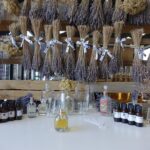
Next you move into the distillery, where the lavender goes into the still. This is where the workshop becomes more than a craft. You’re learning how aromatic plants become organic essential oils used in cosmetics and perfumery.
What I like about this part is the emphasis on the full chain. You don’t just get the headline result. You see the plants, you follow the loading step, and you understand that extraction is a process with purpose.
You’ll also learn practical lavender facts that help you make sense of what you smell. One highlight from the experience: you hear that there are three types of lavender, each lending different strengths for perfume-making. That kind of detail makes the whole workshop feel more grounded than a generic “lavender is nice” talk.
Guides here tend to balance instruction with personality. Sessions led by people like Gaël are known for passion and a few humorous touches, and they’re willing to answer questions as you go. If you’ve ever wondered why different lavender products smell different, this is the setting to connect the dots.
The Take-Home Bottle: Floral Water Plus Essential Oil

At the end, you fill your own bottle. The workshop is built around this payoff: you take home the floral water and the oil extracted thanks to your contribution in the fields. That means you’re not just buying a souvenir with a label; you’re bringing home an outcome of your labor.
Think of it like this: one part is water-based, one part is oil-based, and together they give you more ways to use the scent. Even if you’re not an expert, it’s a more satisfying memory than a single packaged product.
It also helps that you fill it yourself. That small step makes the experience feel complete, and it reinforces what you learned in the distillery. You’ll walk away with a better sense of what you’re smelling and why it matters.
If you’re planning to give it as a gift, this is easier to justify. People love the story, but the bigger win is that you actually have something usable, not just a photo.
Price and Value: Why $36 Can Be a Good Deal

The price is $36.01 per person, for about 2 hours 30 minutes. On its own, that’s not “cheap,” but it’s also not an abstract workshop. You’re paying for materials and instruction, and they include a cutting tool plus protective gloves.
More importantly, you’re taking home product. The workshop is designed so your contribution affects what’s extracted, and you leave with floral water and oil in your bottle. That’s the heart of the value equation.
There are a couple of extras you should expect. A cap or hat costs €6 if you need one. Drinks are on sale on site. Those are small add-ons, but they matter if you like to budget tightly.
Slots can fill, too. The average booking window is about 39 days, so if you’re traveling during peak lavender time, don’t wait for the last minute. With short, hands-on workshops like this, availability can tighten.


Getting There in Bellegarde (Near Nîmes) and What to Bring

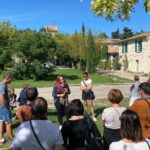
You meet at Le Mas Neuf, Avenue du Félibrige, 30127 Bellegarde, France, at un MAS en PROVENCE Distillerie d’huiles essentielles BIO & Cosmétique en Occitanie. The activity starts at 9:30 am and ends back at the meeting point.
It’s near public transportation, which helps if you don’t have a car. Still, it’s a farm-style experience, so plan on being outdoors and moving a bit. Comfortable shoes are smart, even though the data doesn’t list a dress code.
Bring sunscreen, because the workshop starts in the fields and you’ll be working in direct sun. If you didn’t pack a hat, you can buy one on site for €6. And if you want a drink, remember drinks are sold on site.
This is also listed as allowing service animals. If you need specific accommodations, it’s worth messaging the provider ahead of time so they can confirm what’s possible.
Who This Workshop Is For (and Who Might Skip It)

This is a great fit if you like practical learning. If you enjoy hands-on steps—cutting, handling, and understanding a process—you’ll get a lot out of it. It’s also ideal if you care about fragrance and want a clearer idea of how lavender varieties connect to perfume use.
It’s also good for people who want a Provence experience without turning it into a full-day drive. The timing is tight, and the group size keeps it social but not chaotic.
Possible mismatch: if you want a purely relaxing, no-movement outing, harvesting in the fields may feel like too much. The workshop also isn’t for kids under 10 years old, so families need to check ages carefully.
Moderate physical fitness is suggested. That usually means you’re fine if you can walk on uneven ground and handle light repetitive motions. If that sounds like you, great.
Should You Book This Lavender Harvesting and Distillation Workshop?

Book it if you want a short, memorable experience that teaches you something real. You’ll harvest with a traditional tool, see organic essential oil extraction in action, and leave with a bottle of floral water and oil that connects directly to what you did.
Skip it if your priority is a long scenic stroll or an indoor-only visit. This one is sun-and-field focused, and it depends on good weather. If you’re flexible and enjoy hands-on learning, you’re exactly the kind of person who gets value here.
Also, consider booking ahead. With a 20-person cap and a lead time averaging around 39 days, planning early gives you more date options.
FAQ
How long is the Lavender Harvesting and Distillation workshop?
It runs for about 2 hours 30 minutes.
Is the workshop offered in English?
Yes, the experience is offered in English.
Where is the meeting point in Bellegarde?
You meet at Le Mas Neuf, Avenue du Félibrige, 30127 Bellegarde, France, at un MAS en PROVENCE Distillerie d’huiles essentielles BIO & Cosmétique en Occitanie. The tour ends back at the meeting point.
What is included in the price?
The price includes a cutting tool and protective gloves.
What do I take home at the end?
You fill your bottle with floral water and the oil extracted thanks to your contribution.
Do I need to bring a hat or cap?
A cap or hat is not included, but you can buy one on site for €6. Sunscreen is advised.
Is this activity suitable for children?
No. It’s prohibited for children under 10 years old.
What fitness level do I need?
The workshop is listed as requiring a moderate physical fitness level.
Are service animals allowed?
Yes, service animals are allowed.
What happens if the weather is bad or I need to cancel?
The experience requires good weather. If it’s canceled due to poor weather, you’ll be offered a different date or a full refund. You can cancel for free up to 24 hours in advance for a full refund.