REVIEW · BORDEAUX
Highlights of Bordeaux Walking Tour + Wine & Cheese Tasting
Book on Viator →Operated by Free Walking Tours Bordeaux · Bookable on Viator
Bordeaux saves one of its best pairings for the end: a walk through grand squares, medieval streets, and Gothic churches followed by wine and cheese at a natural wine bar. The route gives you a useful first look at the city rather than keeping you in one museum or neighborhood.
I like the compact two-hour format and the small maximum of 15 people. I also like the practical local advice, since guide Rosie has helped visitors choose food, wine, and evening entertainment. The main thing to consider is that this is a walking overview, not a deep interior visit, and admission to the Grosse Cloche and La Flèche Saint-Michel is not included.
In This Review
- Key Points to Know Before You Go
- Starting Under the Stone Facades of Place de la Bourse
- Place du Parlement and Bordeaux’s Café Life
- A Medieval Market Site at Place Fernand Lafargue
- Utopia, a Church with a Second Life
- Saint-André Cathedral and Bordeaux’s Gothic Center
- The Grosse Cloche and Bordeaux’s Medieval Entrance
- La Flèche Saint-Michel, a Landmark Above the City
- Saint-Michel Basilica and a Wartime Reminder
- Wine and Cheese at Couleurs du Vin
- What the Two-Hour Format Really Means
- Timing, Weather, and Cancellation Details
- Who Should Book This Bordeaux Walk
- Should You Book the Highlights of Bordeaux Walking Tour?
- FAQ
- Where does the Bordeaux walking tour start?
- What time does the tour begin?
- Where does the tour end?
- How long does the experience last?
- Is the tour offered in English?
- Is wine tasting included?
- Are admission tickets included at every stop?
- How many people can join the tour?
- Can I cancel for a full refund?
Key Points to Know Before You Go
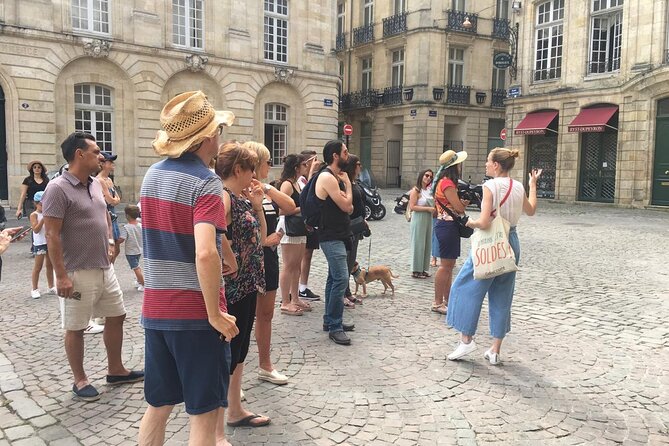
- The tour starts at Place de la Bourse: You begin beside Bordeaux’s grand 18th-century square and finish in the Saint-Michel area.
- Nine stops fit into about two hours: Expect short explanations at major squares, churches, and medieval landmarks rather than long visits inside each site.
- The route ends with wine and cheese: The tasting takes place at Couleurs du Vin, a natural wine bar overlooking Saint-Michel Church.
- The group is limited to 15 people: That is a useful size for asking questions and keeping the walk together.
- The English tour begins at 4:00 pm: The timing lets you see central Bordeaux in the late afternoon and continue into the evening afterward.
- Some entry fees are separate: The Grosse Cloche and La Flèche Saint-Michel list admission as not included, while the other stops are free to visit from the outside.
Starting Under the Stone Facades of Place de la Bourse
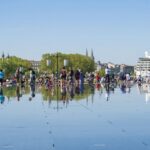
Meet at 10 Place de la Bourse at 4:00 pm. This is one of Bordeaux’s most recognizable addresses, and it is a smart place to begin because the square immediately explains the city’s grand architectural character.
The square was built in the 18th century and is framed by elegant stone buildings. You get about 10 minutes here, enough for an introduction and a look at the formal design before moving into the smaller spaces of the old center.
I like this opening because it gives you a clear sense of scale. Bordeaux is not just a wine destination. Its central architecture reflects the city’s long importance as a port and commercial center, and Place de la Bourse puts that confidence on display right away.
The stop is free, but the time is short. If you want detailed architectural commentary or plenty of photographs, you may need to continue exploring the square on your own after the tour.
You can also read our reviews of more walking tours in Bordeaux
Place du Parlement and Bordeaux’s Café Life
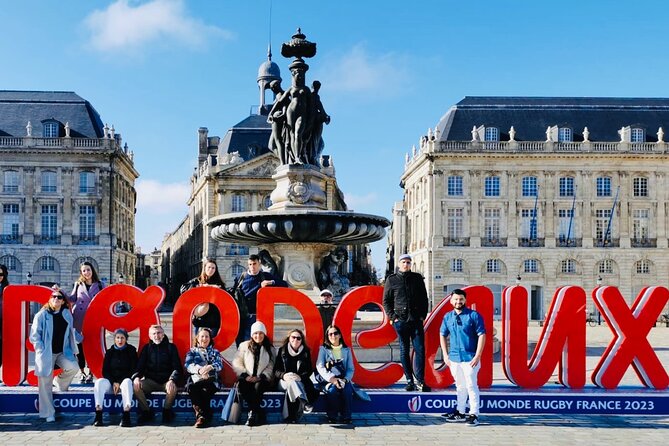
The walk continues to Place du Parlement, another attractive square with restaurants and a fountain. The setting feels more intimate than Place de la Bourse, making it a useful contrast between Bordeaux’s monumental public spaces and its everyday dining areas.
You spend roughly 10 minutes here. The guide can point out the layout and explain how the square fits into the old center, while you get a quick look at the restaurant-lined surroundings.
This is one of the practical parts of the route. If you are still deciding where to eat in Bordeaux, the guide’s local suggestions can help you make better use of your evening. Rosie, one of the guides associated with the experience, is specifically noted for offering tips on food, wine, and entertainment.
Do not expect a full restaurant tour. You are seeing the square and receiving orientation, not sampling food at each stop. That keeps the tour moving, but it means you should treat the advice as a starting point for your own plans.
A Medieval Market Site at Place Fernand Lafargue
Place Fernand Lafargue adds a smaller, older-feeling pause to the route. This square once served as a medieval market area, giving it a useful connection to the working life of historic Bordeaux.
The stop lasts about 10 minutes and is free. Instead of focusing only on polished facades, the walk uses this space to show how public squares changed roles over time. A market square was a place for trade, meetings, and daily errands, not simply a pretty background for photographs.
I appreciate this part because it helps connect Bordeaux’s architecture with ordinary city life. You can see how the center is made up of different layers: grand 18th-century planning in one place, medieval commerce in another.
The explanation will be brief, so anyone wanting a detailed account of medieval Bordeaux should plan to visit a museum or take a longer history-focused walk separately.
Utopia, a Church with a Second Life
Utopia is one of the more unusual stops. The former church has been converted for new uses and now functions as a restaurant and independent cinema venue.
You get around 10 minutes here. The appeal is less about a standard church visit and more about seeing how an old religious building can be reused without losing its presence in the city.
This stop gives the walk a change of pace. Bordeaux is not presented as a frozen historic set. Buildings continue to serve new purposes, and Utopia offers a clear example of that practical approach to old architecture.
The available information does not indicate that a film screening, meal, or interior tour is part of the experience. You should expect an explanation and an exterior or brief site visit, not a scheduled cinema program.
Saint-André Cathedral and Bordeaux’s Gothic Center
The route then reaches Cathédrale Saint-André, described as the first Gothic-style cathedral in Aquitaine. The visit lasts about 15 minutes, making it one of the longer stops on the walk.
Even if you have seen large European churches before, this is an important landmark for understanding Bordeaux. Its size and Gothic form show the city’s religious and political importance across the centuries.
The cathedral is listed with free admission. That matters because you can see a major interior without adding another ticket to the cost of the tour, though the exact amount of time available inside depends on the group and the guide’s pacing.
I would pay attention to the transition from the surrounding streets into the cathedral space. The sudden change in scale is part of the experience. You move from compact squares and restaurant fronts into a building designed to direct your attention upward.
Keep your expectations sensible. Fifteen minutes is enough for an introduction and a look around, but not enough for a careful study of every chapel, window, or architectural detail.
You can also read our reviews of more food & drink experiences in Bordeaux
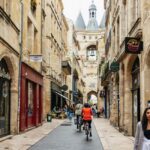
The Grosse Cloche and Bordeaux’s Medieval Entrance
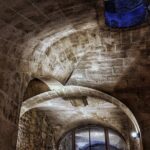
The Grosse Cloche is described as an important entrance gate from Bordeaux’s medieval period. You spend about 10 minutes here, with admission not included.
This is a strong stop for anyone interested in the city’s defensive and civic past. A bell gate was more than a passage through the walls. It marked an entrance, controlled movement, and carried public signals through the city.
The practical point is simple: the walking tour covers the landmark, but you should not assume a separate interior visit is included in the $58.38 price. If access is available on your date, any entry cost would be extra.
The short stop works well for orientation. You can learn why the gate matters, take photographs, and then continue toward Saint-Michel without losing the rhythm of the walk.
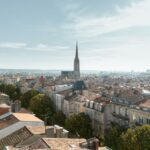
La Flèche Saint-Michel, a Landmark Above the City
La Flèche Saint-Michel is one of France’s tallest bell towers. The stop takes about 10 minutes, and admission is not included.
The tower gives the Saint-Michel area a strong visual anchor. Even from street level, its height helps you understand the district’s place in Bordeaux. If you are interested in views from historic towers, you should ask the guide about access and current conditions, but the supplied details do not promise a climb.
This is another point where the tour provides context without adding an admission ticket. That keeps the base price clear, but you will need to budget separately if you decide to enter.
I like having both the Grosse Cloche and La Flèche Saint-Michel on the same route. They show two different sides of old Bordeaux: one tied to a medieval entrance, the other rising above a Gothic church and neighborhood.
Saint-Michel Basilica and a Wartime Reminder
The walk continues to Basilique Saint-Michel, a Gothic church with a difficult wartime story. The building was bombarded by the Nazis during World War II, so the stop is not only about architectural beauty.
You spend about 15 minutes here, and admission is listed as free. That gives the guide time to explain the church’s Gothic design while also placing it within the events that affected Bordeaux in the 20th century.
The basilica is a good reminder that historic buildings are not untouched objects. They can carry damage, repair, memory, and continued religious or civic use all at once.
Because the tour ends nearby, this stop also prepares you for the final tasting. You are not being sent across town after the churches. The route gathers its major landmarks in the Saint-Michel area before settling into a more relaxed finish.
Wine and Cheese at Couleurs du Vin
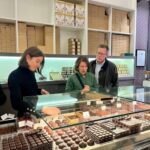
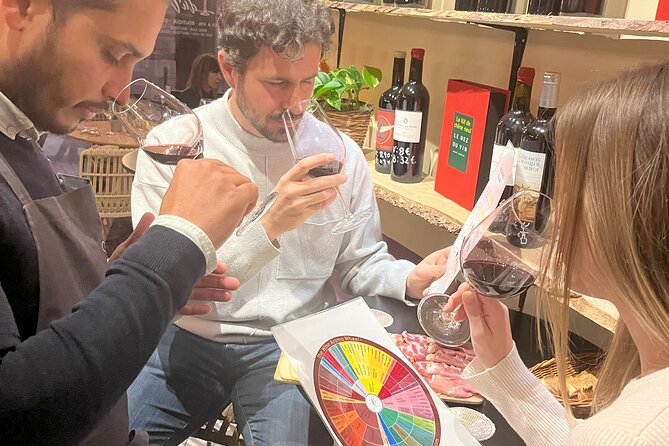
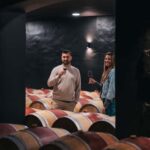
The final stop is 1 Place Duburg, at Couleurs du Vin, a natural wine bar overlooking Saint-Michel Church. The tasting lasts about 30 minutes, the longest single stop on the route.
This ending is the clearest reason to choose this experience over a standard city walk. You get the landmarks first, then a chance to talk about wine in a setting connected to Bordeaux’s present-day food and drink culture.
The $58.38 price needs to be judged in that context. You are paying for an English-speaking walking guide, roughly two hours of commentary, a small-group format, and the wine and cheese tasting. The value is strongest if you want a quick city introduction plus an organized tasting, rather than two separate bookings.
Natural wine is also a useful point of difference. The information does not specify the number of pours, grape varieties, producers, or cheeses, so you should not book expecting a detailed technical tasting menu. Think of this as an approachable introduction in a local wine-bar setting.
The location overlooking Saint-Michel Church gives the ending a sense of place. You are not finishing in a generic meeting room. You remain tied to the neighborhood you have just explored.
What the Two-Hour Format Really Means
Two hours is enough to cover a lot of ground, but the schedule is tightly paced. The listed stop times add up to about two hours, with most landmarks receiving only 10 minutes and the cathedral and basilica receiving 15.
That makes this a good first-day activity. You can learn the city’s basic layout, note places to revisit, and gather useful food and evening suggestions without spending half a day on a single walk.
It is less suited to you if you prefer long interior visits, slow photography, or extended historical lectures. The tour moves through nine points, so the guide must keep the group on schedule.
The maximum of 15 people is a reasonable compromise. It is small enough to feel more personal than a large coach-style outing, though it is not a private tour. If you have a question, the group size should still make it practical to ask.
The route uses city streets and ends near public transportation. Service animals are allowed, and most people can participate. The provided information does not state an exact accessibility route, distance, or number of stairs, so anyone with mobility concerns should confirm those details before booking.
Timing, Weather, and Cancellation Details
The 4:00 pm start is useful if you want a late-afternoon introduction followed by dinner or another evening plan. Since the tour ends in the city center, you are well placed to continue exploring after the tasting.
The experience requires good weather. If poor weather causes cancellation, you are offered another date or a full refund. It also requires a minimum number of participants, with the same choice of another date or a full refund if that minimum is not reached.
You can cancel for a full refund up to 24 hours before the local start time. Cancellations or changes made less than 24 hours ahead are not refunded or accepted, so check your plans before the deadline.
Confirmation arrives when you book, and the ticket is mobile. Those details are simple, but useful when you are arranging several Bordeaux activities close together.
Who Should Book This Bordeaux Walk
I would recommend this tour to you if you are visiting Bordeaux for the first time and want a fast, well-shaped introduction. It suits couples, solo visitors, and small groups who want architecture, local orientation, and a wine tasting in one booking.
It is especially useful if you want practical suggestions for the rest of your stay. Rosie’s advice on food, wine, and entertainment can help you turn a short walk into a better evening and a more informed visit.
Families and mixed-interest groups may also like the variety. The route includes public squares, a former church cinema, a cathedral, medieval gates, bell towers, and a tasting, so no single subject dominates for long.
I would choose another format if your main goal is an advanced wine lesson, a long cathedral visit, tower access, or an exhaustive history lecture. The tasting details are limited, and the two-hour schedule favors breadth over depth.
Should You Book the Highlights of Bordeaux Walking Tour?
Book it if you want a compact city overview with wine and cheese built in, especially at the start of your Bordeaux stay. The combination of Place de la Bourse, Saint-André Cathedral, the Grosse Cloche, Saint-Michel, and Couleurs du Vin gives you a useful mix of grand architecture and neighborhood character.
At $58.38 per person, the price is fair when you value the guide, the small group, and the included tasting. Just remember that the two named paid landmarks do not include admission, and the short stop times mean you are seeing Bordeaux’s highlights rather than studying them in detail.
FAQ
Where does the Bordeaux walking tour start?
It starts at 10 Place de la Bourse, 33000 Bordeaux, France.
What time does the tour begin?
The tour begins at 4:00 pm.
Where does the tour end?
It ends at 1 Place Duburg, 33800 Bordeaux, at Couleurs du Vin near Saint-Michel Church.
How long does the experience last?
The experience lasts approximately two hours.
Is the tour offered in English?
Yes. The tour is offered in English.
Is wine tasting included?
Yes. The final stop includes a wine tasting with cheese at a natural wine bar.
Are admission tickets included at every stop?
No. Admission to the Grosse Cloche and La Flèche Saint-Michel is not included. The other listed stops have free admission.
How many people can join the tour?
The experience has a maximum of 15 participants.
Can I cancel for a full refund?
Yes, if you cancel at least 24 hours before the local start time. Cancellations made less than 24 hours before the start are not refunded.