REVIEW · PARIS
From Paris: Reims and Champagne Tasting Full-Day Tour
Book on GetYourGuide →Operated by GO GO TOURS SARL · Bookable on GetYourGuide
Champagne education meets cathedral history. This full-day outing links blind tastings in the vineyards with Reims Cathedral and the big-name makers around Épernay. I like that it’s structured like a real lesson, not just a couple of stops and a toast, and that hotel pickup and drop-off removes the Paris-to-Champagne stress.
The main drawback is time. It’s a long day (about 11 hours with traffic), and the schedule can flex a bit if road time or weather changes, so the “vines up close” moment may be shortened or swapped.
That said, it’s hard to beat the value of comparing styles in a single day. You’ll tour grand houses, then contrast them with a smaller estate, and you’ll leave knowing what to look for next time you’re faced with a shelf of bubbles.
In This Review
- Key highlights at a glance
- How the 11 Hours Work Without Feeling Rushed
- Hotel Pickup from Paris: The Convenience That Makes This Tour Worth It
- Épernay’s Big House Tour: What You’ll See Underground
- Lunch in Épernay: Why the Break Matters Between Tastings
- Second Champagne House: The Smart Comparison of Big vs Small
- Marne Photo Stop and the Vineyard Learning Moment
- Reims Cathedral of Notre-Dame: Royal Crowns and Real Gothic Power
- Price and Value: What You’re Paying for at $411
- Who This Tour Is For (and Who Should Skip It)
- The Guides: Why Service and Hosting Matter Here
- Should You Book This Paris to Reims Champagne Tasting Day?
- FAQ
- How long is the tour from Paris?
- Does it include hotel pickup and drop-off?
- How many Champagne tastings and tastings moments are included?
- Is lunch included, and what is it?
- Which Champagne houses might you visit?
- What should I bring?
- Is the tour suitable for children?
Key highlights at a glance
- Blind tastings that teach you to spot differences without relying on labels
- Two Champagne houses plus extra pours so you can compare scale and style
- Reims Cathedral of Notre-Dame tied to French royal coronations
- 3-course lunch in Épernay that sits well between tastings
- Cold, damp cellars plus a smart reminder to bring a second layer
How the 11 Hours Work Without Feeling Rushed
This is the kind of day trip that feels long on paper and fair in real life. You’re out of Paris for roughly 11 hours, with transfers stretching depending on the day’s traffic and timing. Still, the pacing is built around blocks: a long Champagne-house visit, then lunch, then another cellar + tasting stretch, then Reims, then the return drive.
What helps is the way the day “keeps moving.” Instead of bouncing from one quick selfie stop to the next, you get tours with time in the cellars, plus tastings that connect directly to what you saw underground. It’s a good match if you want an experience that’s not just celebratory, but actually makes sense.
Practical note: you’re in a minivan most of the time. If you’re someone who hates car rides, bring entertainment for the ride back (offline playlists, saved podcasts, anything). The upside is the convenience—door-to-door pickup means you don’t burn time figuring out trains and transfers.
You can also read our reviews of more food & drink experiences in Paris


Hotel Pickup from Paris: The Convenience That Makes This Tour Worth It
Starting with pickup changes the whole experience. You meet the guide at your hotel or accommodation (they confirm the pickup time ahead), then the day runs from there with an air-conditioned minivan and a set route.
A small but important detail: if your address doesn’t show correctly in your booking info, you’re told to send the correct pickup information so they can sort it out. That matters in a city like Paris where getting an exact location can be messy.
Also, transport quality is consistently praised. The trip has strong marks for organization and comfort, which you’ll feel on a day like this where you’re touring for hours and don’t want the travel part to drag you down.
Épernay’s Big House Tour: What You’ll See Underground
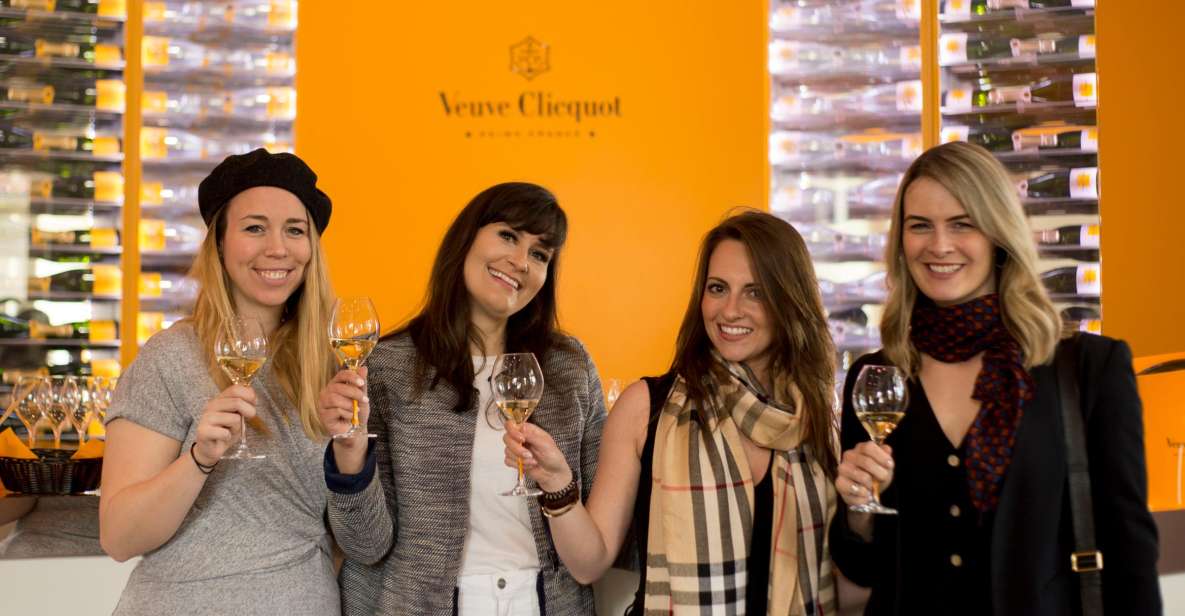
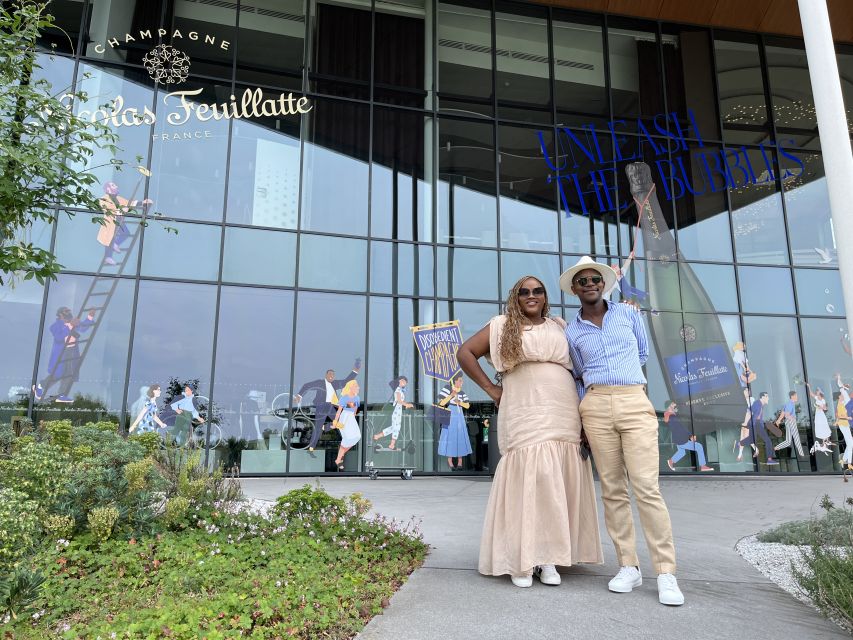
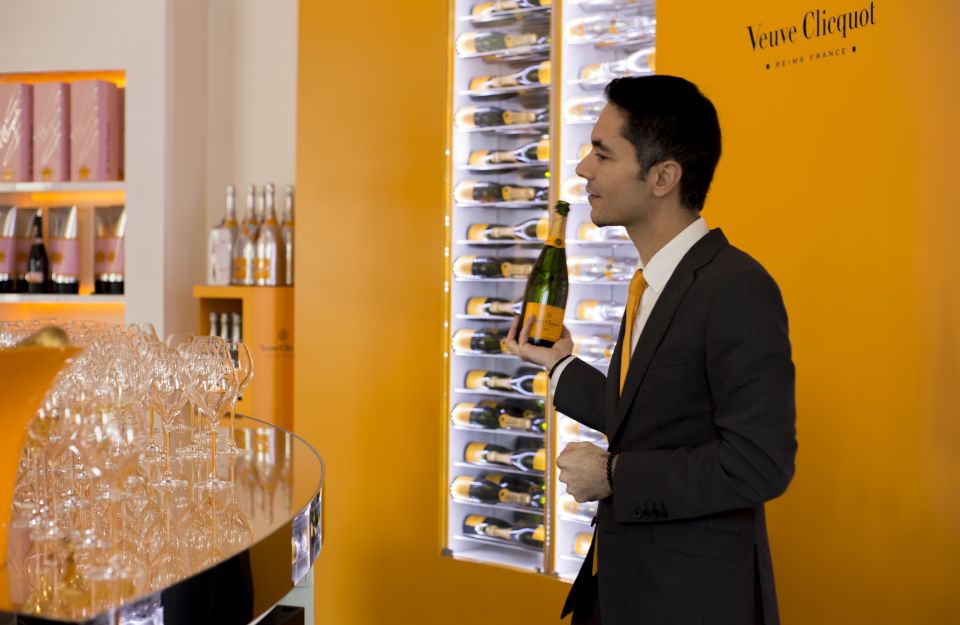
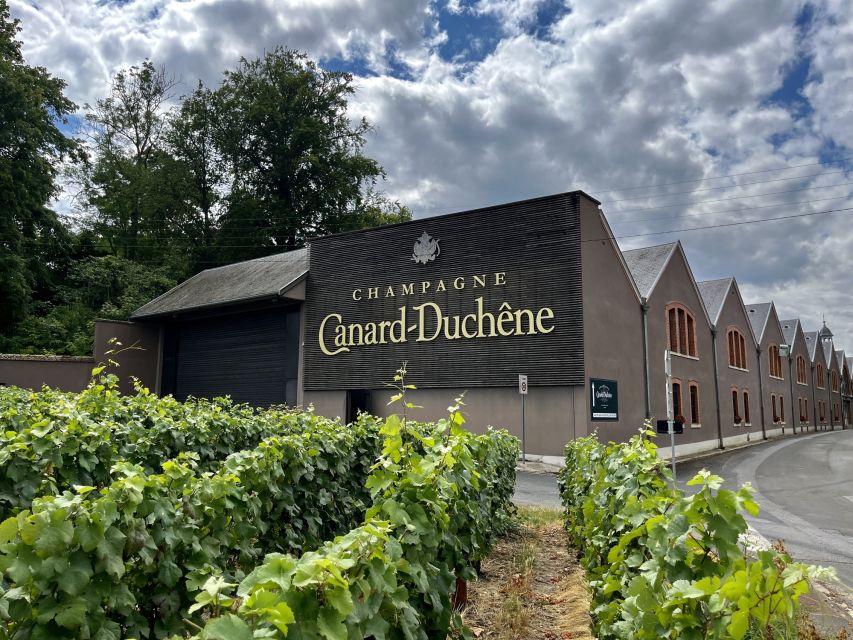
Your first major stop is typically in the Épernay area at one large, established Champagne house. Depending on availability, it can be a name like Moët & Chandon, Veuve Clicquot, Taittinger, Mercier, Nicolas Feuillatte, Boizel, or another big producer.
This part of the day usually lasts around two hours. You’ll get a guided tour and a tasting tied to what’s happening in the production process. The cellars are the star here: cold, damp, and designed for the exact conditions Champagne needs. Plan for that. A jacket or second layer is genuinely useful.
What I like about this “big house first” approach is how it gives you a baseline. You see the scale, the storage, and the workflow of a brand that’s been refining its style for decades. It also sets up the comparisons later—so when you taste again, you know what kind of operation you’re looking at.
If you’re the type who enjoys stories, this stop often includes the history of the estate and how Champagne production became the region’s signature craft. It’s also where you’ll likely learn which grape varieties and terroir factors show up in the flavors you’re tasting.
Lunch in Épernay: Why the Break Matters Between Tastings
Lunch is included, and it’s a 3-course meal, typically at a local restaurant in Épernay. This is more than a nice extra. It’s timed so you’re not tasting on an empty stomach, and it gives your palate time to reset before the second round of Champagne.
From the way guides describe the day’s flow, lunch is also the moment you’ll find it easiest to ask questions. You can talk with the guide about what you’re tasting, what different styles mean, or what to look for next time you buy a bottle back in your own country.
A couple of practical points:
- Restaurant time is usually about 1.5 hours, which keeps the whole plan on track.
- If you want more than what’s included, additional orders aren’t covered in the price.
Second Champagne House: The Smart Comparison of Big vs Small
After lunch, you head to another Champagne stop. Sometimes the second visit is another big-name house; other times it’s a smaller estate depending on the day’s schedule. Either way, the structure is built for contrast.
This is where the tour shines for people who want to understand why Champagne can taste very different even when it all sits in the same sparkling category. You’ll see another cellar tour and taste again, and you’ll get context about the estate’s history and production approach.
In the best-case versions of the route, you also get a look at how a smaller producer operates, which often feels more personal and less scripted. Even if you don’t go deep into wine technicalities, you’ll still pick up the big ideas: grape character, blending style, and how time in the cellars shapes the final bottle.
If you like variety (and you should on a day like this), this is the moment to pay attention. Compare your first taste to your second. Ask yourself what’s different: the fruit profile, the mousse (how fine the bubbles feel), the balance of acidity, or the way the finish lingers.
You can also read our reviews of more wine tours in Paris



Marne Photo Stop and the Vineyard Learning Moment
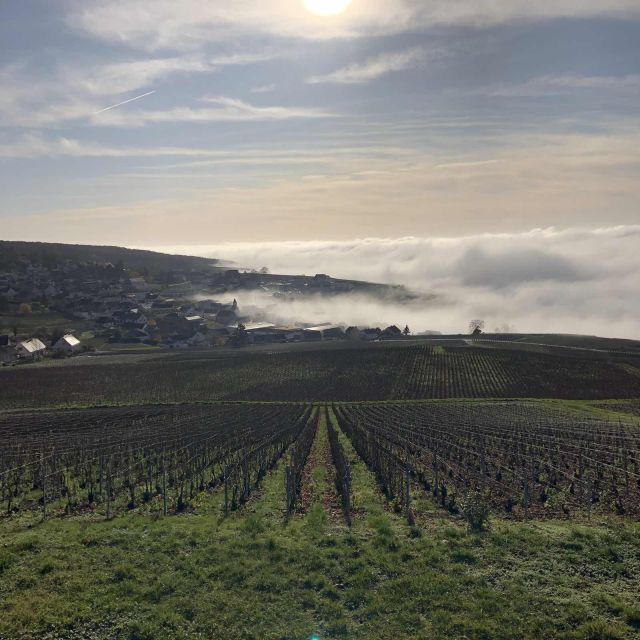
Between Champagne houses and Reims, there’s usually a scenic break around the Marne area. You’ll get a photo stop, and there’s often a tasting connection here too, timed so you keep momentum without feeling like you’re sprinting.
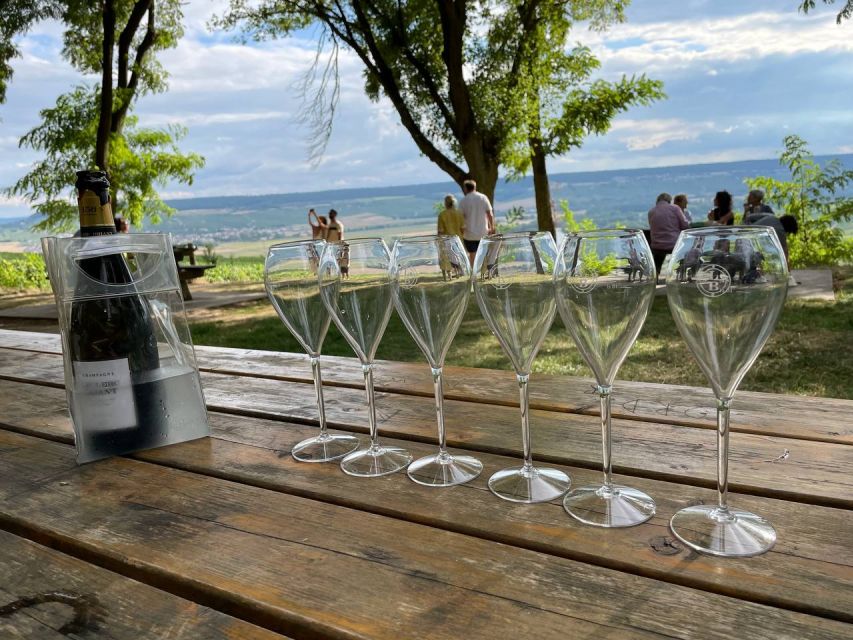
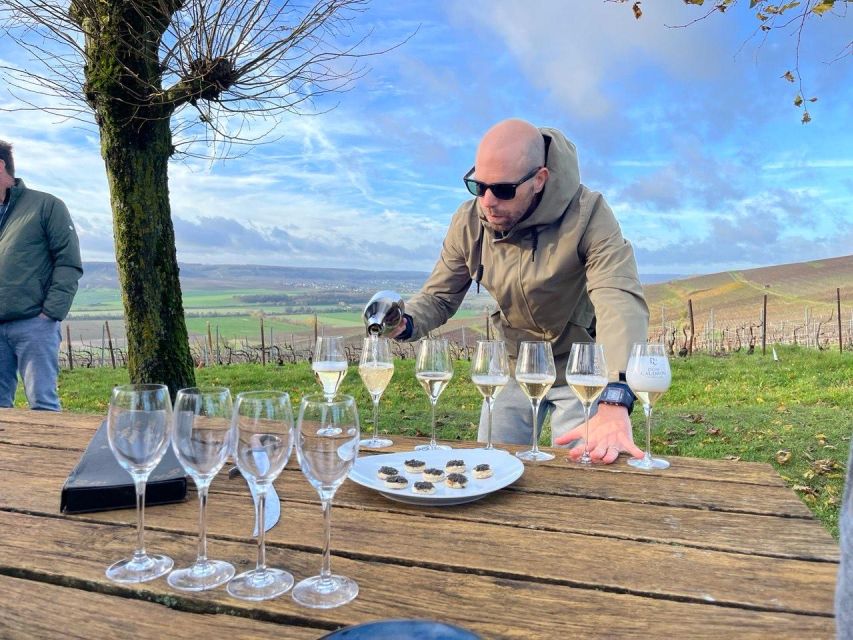
Then comes one of the most memorable parts: tastings designed to train your senses. The day includes blind tastings, including one in the vineyard setting. You’re surrounded by grape rows, and you taste in a way that forces you to rely on aroma, texture, and flavor rather than labels.
This matters more than it sounds. If you’ve ever felt overwhelmed by Champagne shelves, blind tasting is a fast way to understand your preferences. You’ll start noticing the patterns you actually respond to—so your next purchase feels less like guessing and more like matching.
A weather note you should take seriously: the tour explains that in some situations, the vineyard moment may not be possible. That’s not unusual for outdoor schedules, so if the vineyard stop is a top priority, you’ll want to be flexible about how it plays out that day.
Reims Cathedral of Notre-Dame: Royal Crowns and Real Gothic Power
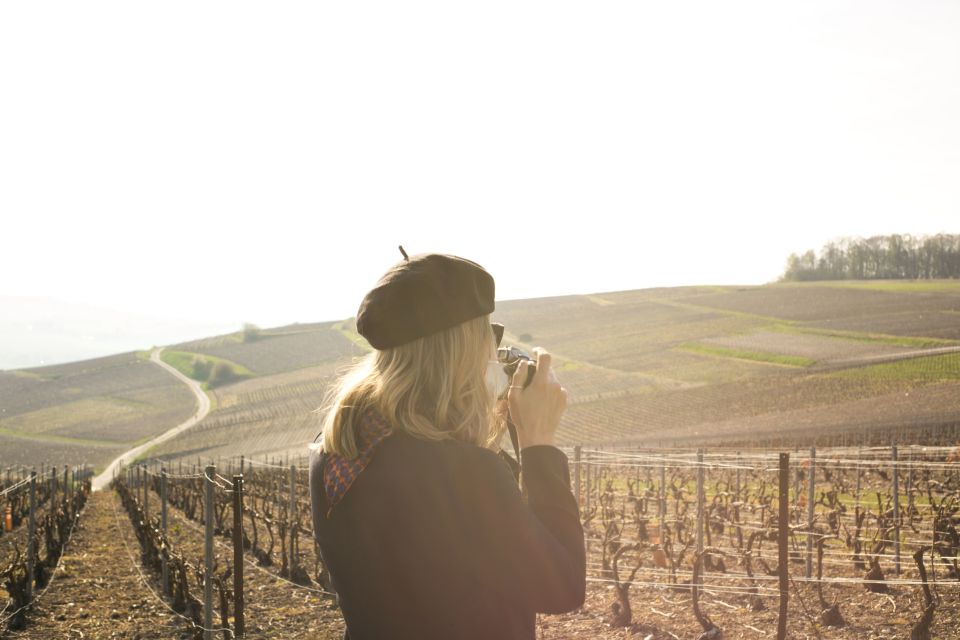
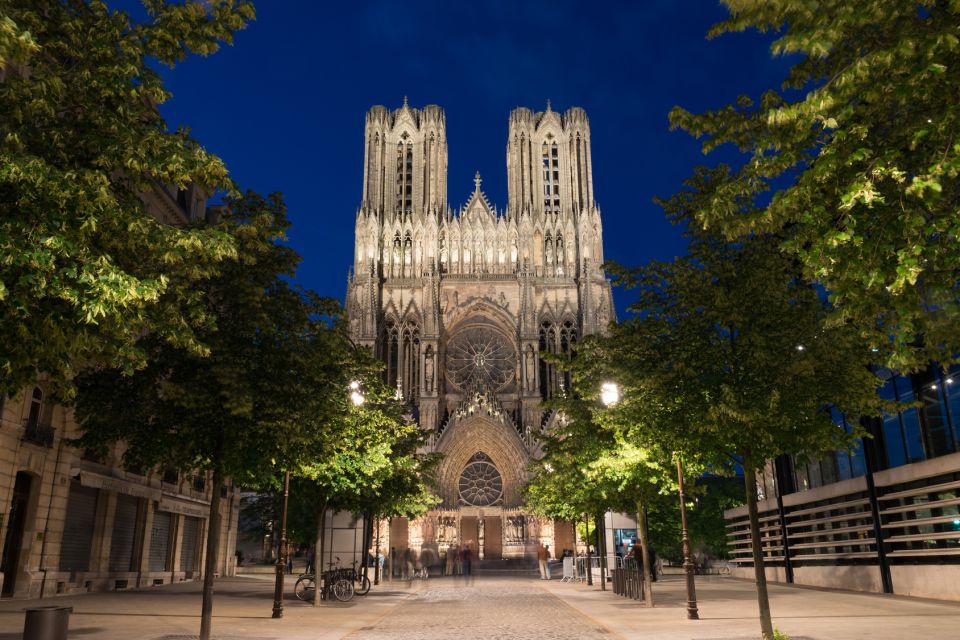
After all the Champagne, you shift to one of France’s big cultural anchors: Reims Cathedral of Notre-Dame. This stop is brief (around 30 minutes), but it’s chosen for a reason.
Reims is tied to royal coronations, and the cathedral’s Gothic architecture is the kind of visual you can’t really fake with photos. You’ll also see treasured details connected to the cathedral’s role in history—this is the “why Reims matters” piece after spending the day tasting from the region that surrounds it.
If you want the contrast of the day to feel complete, this is it. Champagne tells you about craft and modern branding. The cathedral reminds you that the region’s importance is older than any bottle.
Price and Value: What You’re Paying for at $411
At about $411 per person for roughly 11 hours, this tour isn’t cheap. The question is whether it’s overpriced for what you get—or fair for how much is included.
Here’s the value breakdown that makes it feel worth it for many people:
- Hotel pickup and drop-off plus air-conditioned transport
- Guided tours and cellar access at Champagne houses
- Champagne tastings across more than one stop
- A 3-course lunch
- A structured learning format, including blind tastings and vineyard-based sensory practice
When you add up the typical costs of transportation out to the Champagne region, paid tours at houses, tastings, and a full meal, the price stops looking random. The tour is bundling the day into one organized package, which is exactly what you want if you’re visiting Paris and don’t want to spend half your time coordinating buses and tickets.
Is it perfect value for everyone? Not if you only want one quick tasting and you’re happy to DIY the rest. But if you want a guided, no-stress overview of Champagne with real tastings and serious stops, this price can make sense.
Who This Tour Is For (and Who Should Skip It)
This tour fits best if you:
- want a guided introduction to Champagne with tastings that teach you how to compare styles
- enjoy structured days where meals and cellar time are planned rather than improvised
- like the idea of pairing wine with a major cultural site in the same day
It’s not a great match if you:
- hate long days or car time (this is a full-day format)
- plan to travel with children under 16 (it isn’t suitable for that age group)
- expect a slow, unstructured “wander and linger” itinerary
One more tip: plan comfortable shoes. Between entrances, cellar steps, and walking inside cathedral areas, your feet will notice if you’ve chosen poorly.
The Guides: Why Service and Hosting Matter Here
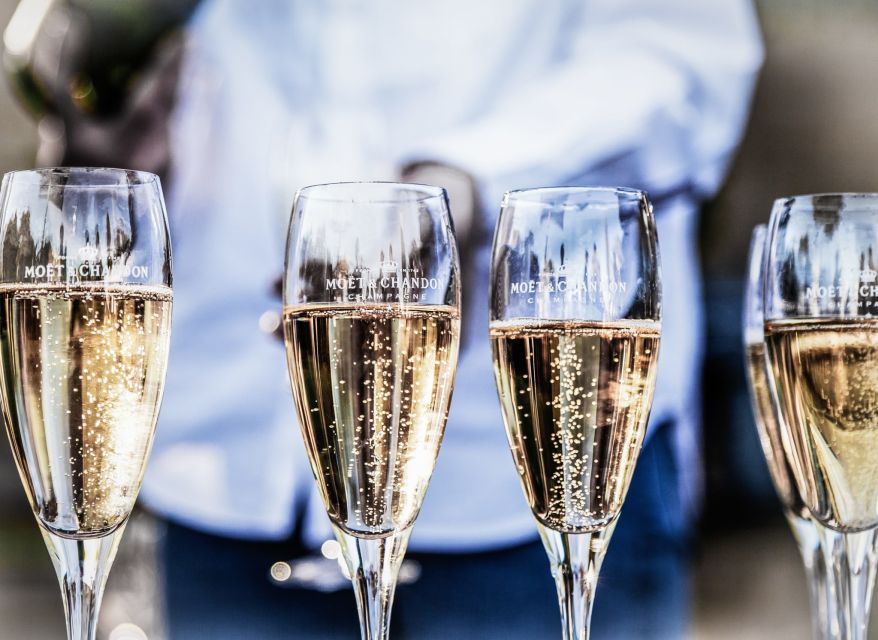
One reason this tour scores so high is that the guide is part of the experience, not just a driver with a microphone. Guides such as Tomer, TJ, Alex, Arthur, Sebastian, and Benoit show up again and again in the stories behind the tour.
What stands out across these guide styles is organization and explanation. You’re not left to guess what you’re seeing. You get the history of the region, the logic of the tasting, and practical pacing so you’re not stuck waiting around.
Some guides also add fun hands-on moments at Champagne houses, including a saber-style bottle opening at one of the stops in certain routes. That’s not something you should treat as guaranteed, but it’s a good example of the “host energy” that can make the day feel special.
Should You Book This Paris to Reims Champagne Tasting Day?
I’d book this if you want one day that actually teaches you Champagne—not just visits and photos. The mix of two Champagne house experiences, blind tastings, and Reims Cathedral gives you variety without losing the thread of what the region is about.
Book it if convenience matters. Hotel pickup and drop-off remove the biggest headache of day trips from Paris, and the day is paced around tastings and tours rather than constant movement.
Don’t book it if you only want a quick taste or you’re sensitive to long travel days. The itinerary is packed, cellars are cold and damp, and outdoor vineyard time can shift based on weather.
If that sounds like your kind of day, you’ll likely love the payoff: by the time you reach Reims, you’ll understand Champagne in a way that makes the region feel less like a label—and more like a place.
FAQ
How long is the tour from Paris?
The tour runs about 11 hours, with approximate transfer times that can change due to traffic and the day’s schedule.
Does it include hotel pickup and drop-off?
Yes. Hotel pickup and drop-off are included, and you’ll be told your pickup time the day prior.
How many Champagne tastings and tastings moments are included?
You’ll visit two Champagne houses with guided tours and tasting, and the day also includes blind tastings, including one in the vineyards and another blind tasting later.
Is lunch included, and what is it?
Lunch is included and is a 3-course meal at a local restaurant.
Which Champagne houses might you visit?
The specific Champagne house depends on availability. Options mentioned include Mercier, Nicolas Feuillatte, Veuve Clicquot, Taittinger, Moët & Chandon, and Boizel, plus a smaller estate later in the day.
What should I bring?
Bring comfortable shoes. You may also want a jacket or second layer because Champagne cellars are often cold and damp.
Is the tour suitable for children?
It is not suitable for children under 16. Persons under 18 may be offered non-alcoholic grape juice.