REVIEW · MONTPELLIER
From Montpellier: Wine and Olive Tour
Book on GetYourGuide →Operated by Montpellier Wine Tours · Bookable on GetYourGuide
Two classic South of France tastings, same morning. You’ll pair a visit to olive groves and a historic mill with a Languedoc wine estate stop, both guided, both designed around what locals actually make and drink. It starts right in Montpellier and then heads south for a relaxed half-day that still feels hands-on.
What I like most is the way the stops link together: you don’t just taste things, you learn how they’re made and why the flavors come out the way they do. The olive farm visit is built around a true producer setup, including a 16th-century mill and tastings of multiple products, so you get more than one sample and one quick sip.
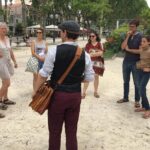
One thing to think about first: there’s no hotel pick-up or drop-off. You’ll meet your minibus at the Esplanade de l’Europe parking area, in front of the bar Austra Rocks (near Ayers Rock Montpellier), so plan an easy walk or short taxi ride to the meeting point.
In This Review
- Key Highlights You’ll Care About
- Montpellier Start: Finding the Esplanade de l’Europe Meeting Point
- Family Olive Farm and a 16th-Century Mill
- What You Taste: Olives, Oils, Vinegars, and la farigoule
- The Wine Estate Workshop: Vinification to Tasting
- Timing and Transport: Why 210 Minutes Works
- Price and Value: Is $88 Worth It?
- Who This Tour Fits Best (and Who Might Want Another Plan)
- Should You Book This Tour?
- FAQ
- How long is the tour?
- Where do we meet in Montpellier?
- Is transport included?
- What tastings are included?
- What languages is the tour guide?
- Is hotel pick-up and drop-off included?
- What should I bring?
Key Highlights You’ll Care About

- Small group minibus (2 to 8 people): more time for questions and a smoother pace.
- Olive farm visit with a 16th-century mill: not just groves, but the pressing heritage behind the flavors.
- Tastings that go beyond oil: olives, olive oils, vinegars, and la farigoule (a signature from the region).
- Wine estate tour plus a tasting workshop: production, vinification, and guided tasting in about an hour.
- Guides who keep the story practical: praised for clear explanations and staying engaged (names you may hear include Letty and David).
- A tight schedule that ends around 12:30: enough time for a serious morning without eating your whole day.
Montpellier Start: Finding the Esplanade de l’Europe Meeting Point

The tour begins at 9:00 AM from the Esplanade de l’Europe in Montpellier. Your guide picks you up at the parking by the bar Austra Rocks, which is also listed around Ayers Rock Montpellier, so it’s worth doing a quick look on Google Maps the night before.
This matters because the schedule is tight. You have a 30-minute drive to the first stop, then another short travel segment before you reach the winery, and you’re back in Montpellier by about 12:30. If you’re late to the meet-up, you’re not just delaying yourself—you can throw off the whole rhythm for everyone.
You’ll ride in a minibus designed for small groups (2 to 8 people). That’s a big deal in this kind of tour because it keeps the day conversational. You’re not trying to shout over a loud busload of strangers while the guide tries to explain why olive oil tastes like it does.
You can also read our reviews of more wine tours in Montpellier

Family Olive Farm and a 16th-Century Mill

The first real experience is a family-owned olive farm with its own historic processing setup, including a 16th-century mill. After about a 30-minute drive, you’ll shift from “getting there” to “this is the work behind the product.”
What makes this stop special isn’t only the age of the mill. It’s the fact that the farm’s approach and know-how are presented as something passed down through generations. That kind of continuity is a useful lens for tasting: instead of treating olive oil like a random luxury item, you start seeing it as a product built around timing, pressing, and simple, repeated craft.
In terms of pacing, you’re there for roughly an hour with a guided tour and food tasting. It’s long enough to walk the space, ask questions, and try several items without feeling like you’re being herded through.
A small consideration: some parts of olive tastings can vary by what the producers offer that day. One review specifically mentioned that the olive business felt less than expected for tasting olives themselves, focusing more on olive oil. That doesn’t mean it’s always like that, but it’s a good reason to bring the right expectations. This is primarily a guided tasting day centered on olive products, not a guaranteed olive sampler buffet.
What You Taste: Olives, Oils, Vinegars, and la farigoule

The olive farm tasting is built around a lineup that reflects the South of France palette. You can expect samples such as olives, olive oils, vinegars, and their specialty la farigoule.
That mix is smart. If you only taste olive oil, you can miss the bigger picture. Vinegar tastes let you compare acidity and aroma. Olives themselves let you taste brine, texture, and how different preparations change flavor. La farigoule adds another local dimension—so you’re not just tasting olives and calling it a day.
Also, think of this as a shopping moment with guardrails. A tasting is the best time to figure out what you actually want to buy. If you end up liking a particular oil style or vinegar profile, you’ll have a reference point. If you love the specialty, you’ll know whether it matches what you usually use in cooking.
Practical tip: wear comfortable shoes and bring a sun hat. Even in a morning tour, olive farms can mean walking on uneven ground and sitting outside during explanations. And yes, bring water. The schedule keeps moving, and you’ll thank yourself later.
The Wine Estate Workshop: Vinification to Tasting

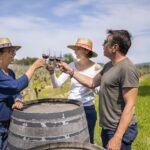
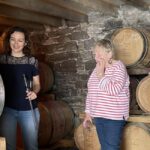
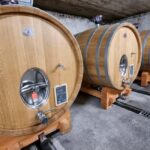
After the olive stop, you’ll drive to a traditional wine estate for your second big block of learning: a guided tour and a short wine tasting workshop. You get about an hour here, which is the right length for an overview without turning it into a lecture marathon.
What to expect is a clear sequence: learn about production and vinification, then do a guided tasting. That order helps. When you understand how grapes get transformed and treated before bottling, the tasting notes you hear from your guide make more sense.
A recent review described a winery that felt environmentally conscious. You might see similar emphasis on how modern practices connect to the landscape and production—though the key takeaway for you is the structure: tour first, tasting second.
How many wines? The data says a tasting workshop, and at least one review reported tasting four wines. Expect a handful rather than a single pour. If you’re the kind of person who likes to compare styles, you’ll probably enjoy how the guide frames each one.
One more “you’ll be glad you knew this” point: if the guide is bilingual (English and French) and the group composition changes, the flow can be split. One review noted the tour could feel bilingual depending on participants. So if your French is basic, don’t panic—just lean on the guide for the key takeaways and ask follow-up questions while you’re still in the tasting room.
Timing and Transport: Why 210 Minutes Works

This is a 210-minute tour, so it’s not a full day in the countryside. It’s built for people who want a real taste of the Languedoc without losing half the vacation to logistics.
Here’s how the time tends to feel:
- 9:00 AM departure from the Esplanade area
- about 30 minutes to the olive farm
- about 1 hour for the olive tour and tasting
- a shorter drive to the winery
- about 1 hour for the wine tour and tasting
- return to Montpellier around 12:30
Because the stops are compact, the day stays energetic. You won’t get that dragged-out feeling that sometimes happens on tours where everything runs late. The downside is you’ll want to arrive at the meeting point ready to go. No lingering, no long cafe detours—unless you plan them for afterward.
Transport is included, and the minibus is designed for a small group. That’s a practical advantage: fewer people mean more time for your questions about what you’re tasting and how to shop without buying the wrong thing out of confusion.



Price and Value: Is $88 Worth It?

At $88 per person, the value comes from bundling three things that are hard to recreate cheaply on your own:
- Transport in a small minibus
- Guided explanation and tasting structure
- Tastings at both an olive producer and a wine estate
If you try to do this independently, you’ll likely spend more on transport (and you’ll still need to pay tasting fees at each stop). Even if a single tasting is less expensive by itself, you lose the guided context that helps you understand what you’re tasting and what to buy.
This tour also gives you a broader product range at the olive stop—olives, olive oils, vinegars, plus la farigoule. That increases value because you’re not just paying for one item. And the wine side includes production and vinification info, not merely a tasting flight.
That said, this isn’t a fancy long-lunch experience. It’s a tight morning of samples and learning. If you’re hoping for a lot of food beyond tastings, you might find it lighter than you imagined. One review noted that it may have felt like something like tartines were missing. So think of it as a tasting tour, not a meal tour.
Who This Tour Fits Best (and Who Might Want Another Plan)

This tour is a good match if you want:
- a half-day countryside experience from Montpellier
- authentic producer time rather than just a quick photo stop
- olive and wine tasting in one logical sequence
- small-group interaction where your questions don’t vanish into noise
It’s also a nice option for couples and small friend groups. Small group tours reduce waiting and keep the guide focused. And several reviews praised the guides’ ability to answer questions clearly and keep things friendly, including names like Letty and David.
Who might reconsider? If your main goal is to taste a huge variety of olives specifically (not just oils and related products), pay attention to the fact that the olive tastings can focus heavily on olive oil and farm products. The tour is designed for olive and olive-based products, so olives are likely included, but the exact balance may vary by stop.
Also remember: no pets are allowed. If you’re traveling with an animal, you’ll need a different plan.
Should You Book This Tour?

I’d book it if you want a well-paced, small-group morning that connects two major Languedoc traditions—olive production and wine—under one guide. The strongest reason is the tasting-and-explanation format, plus the fact that you’re visiting producers rather than just touring around.
Before you hit Reserve, check your meet-up logistics (you’re starting at the Esplanade area with pick-up by the bar Austra Rocks) and wear shoes you don’t mind getting dusty. Then go in expecting tastings and learning, not a full meal day.
If you like learning just enough to buy smarter, and you enjoy sampling multiple products instead of chasing one big souvenir, this is a solid value way to spend your morning south of Montpellier.
FAQ

How long is the tour?
The tour duration is 210 minutes, and it typically returns to Montpellier around 12:30.
Where do we meet in Montpellier?
You meet your guide at the parking of the Esplanade de l’Europe in front of the bar Austra Rocks (near Ayers Rock Montpellier).
Is transport included?
Yes. Transport is included by minibus for small groups (2 to 8 people).
What tastings are included?
The tour includes tastings at an olive producer and a wine estate. At the olive farm, tastings can include olives, olive oils, vinegars, and la farigoule.
What languages is the tour guide?
The live tour guide offers English and French, and the tour can sometimes be bilingual depending on participants.
Is hotel pick-up and drop-off included?
No. Hotel pick-up and drop-off are not included.
What should I bring?
Bring comfortable shoes, a sun hat, and some water.