REVIEW · PARIS
Family-friendly treasure hunt at Opera Garnier
Book on GetYourGuide →Operated by LES OUVREUSES Paris · Bookable on GetYourGuide
Paris’s Opéra Garnier becomes a stage for a family mystery game in this private 90-minute visit. Children follow clues through gilded halls and grand public rooms while trying to find a prima ballerina’s missing costume before the curtain rises. The building itself is the star: marble stairways, lavish decoration, and Phantom of the Opera legends give the hunt plenty of atmosphere.
I like the private format, since your guide can focus on your children rather than a large group. I also like the simple story and steady goal. Young children have something to do besides stare at ceilings. The main concern is value: at $591 for a group of up to five, this is a costly way to see the opera house, especially since the game may amount to a small booklet and a few questions if the guide does not bring much energy.
In This Review
- Key points to know
- Entering the Opéra Garnier on a family mission
- The grand staircase and the first clues
- Searching the public rooms for the missing costume
- The Opéra Garnier as the real star
- How the private guide affects the experience
- Is $591 a fair price for up to five?
- Timing, bags, and practical planning
- Who should book this family treasure hunt?
- Should you book it?
- FAQ
- Where does the family treasure hunt meet?
- How long does the activity last?
- What is included in the price?
- What languages are available?
- Is this a private activity?
- Can I bring a stroller or large bag?
- Will I definitely enter the auditorium?
Key points to know
- A missing ballerina’s costume drives the game: Children solve riddles and follow clues before a ballet performance begins.
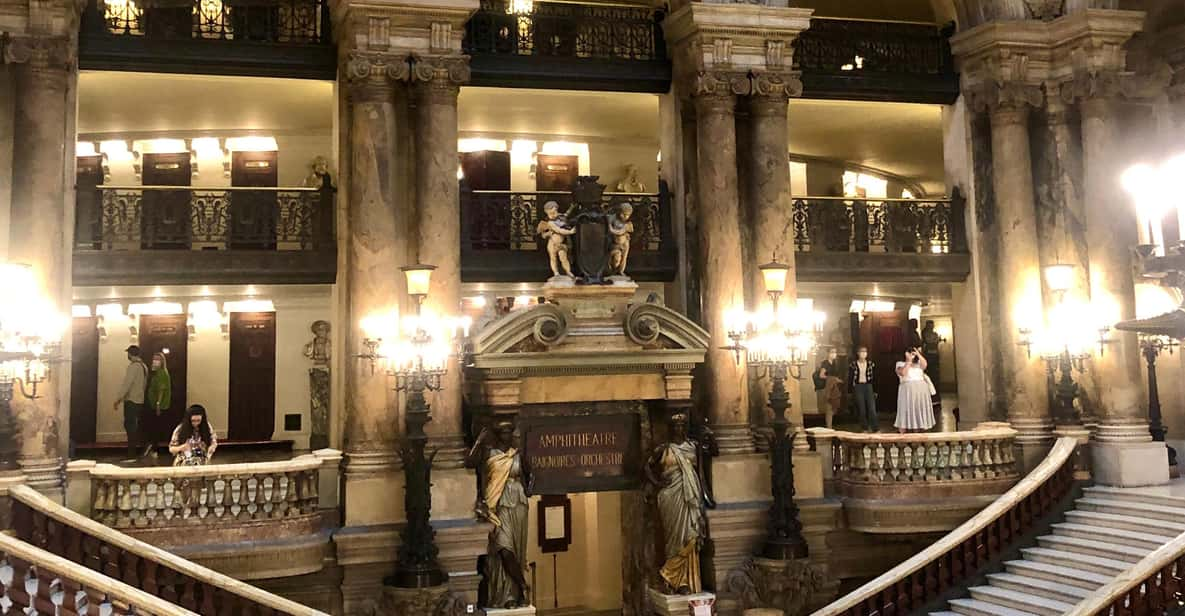
- The Opéra Garnier is the real attraction: You move through lavish public spaces in one of Paris’s great 19th-century buildings.
- Your group stays private: The price covers up to five people and includes a dedicated licensed guide.
- English and French are available: The guide’s ability to connect with children matters greatly to the quality of the visit.
- The tour lasts 1.5 hours: That is a useful length for younger children, but the activity may feel brief for the price.
- Pack light: Strollers, baby carriages, luggage, and large bags are not allowed.
Entering the Opéra Garnier on a family mission
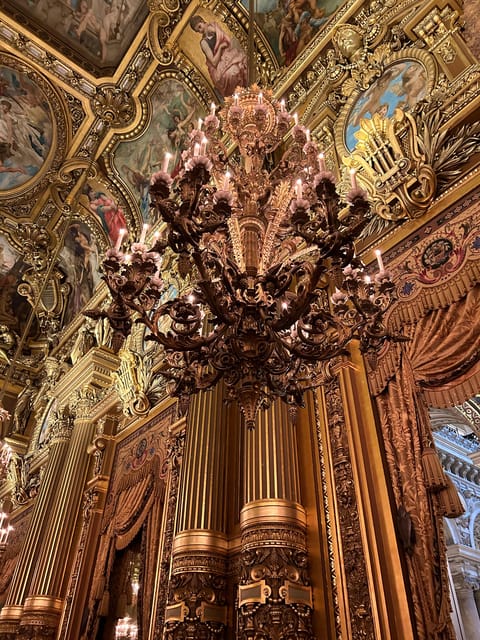
The story starts with a problem that children can understand at once. A prima ballerina’s costume has vanished just three hours before a classical ballet performance. The dancer refuses to leave her dressing room until it is found, and the opera house’s own search has failed.
That gives the visit a clear purpose. Instead of walking passively behind a guide, your children are asked to act as detectives. They follow a trail of hidden clues, answer riddles, and search the public rooms for signs connected with the missing costume.
I like this setup because the mystery fits the building. The Opéra Garnier already feels theatrical, even when no performance is taking place. The treasure hunt adds a small plot without asking children to sit through a long lecture on architecture.
Meet your guide outside, on the opera’s broad front steps, to the left when you face the building. This detail matters because the square can be busy, and the meeting point is outside rather than inside the entrance hall. Arrive with enough time to find the correct side of the stairs and gather your group before the appointment.
The activity is private, so you are not sharing the guide with another family. That can make a big difference with children. A good guide can adjust the pace, repeat a clue, or let a child take the lead. A less effective guide can leave the adults waiting while speaking only to the youngest child. The private format gives you personal attention, but it does not guarantee a lively performance.
You can also read our reviews of more tours and experiences in Paris.



The grand staircase and the first clues
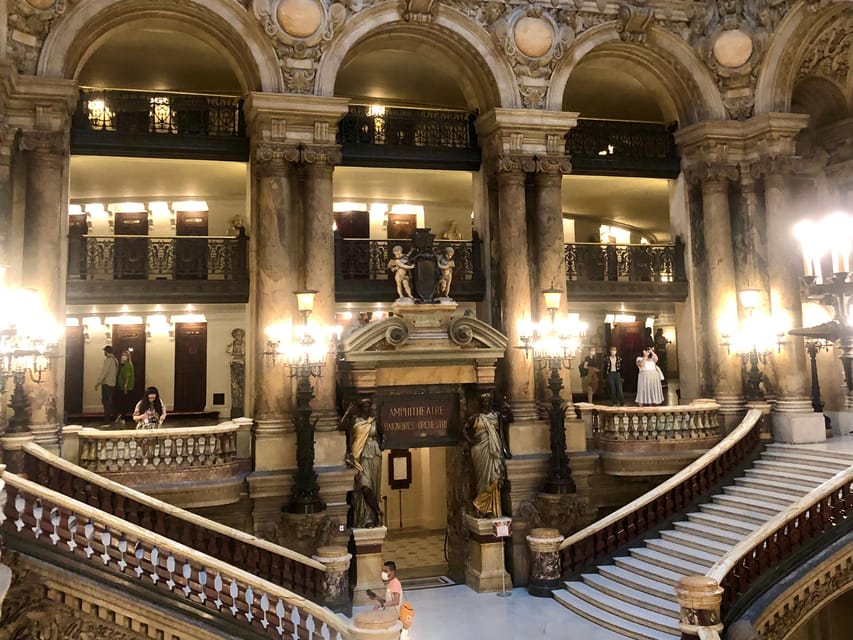
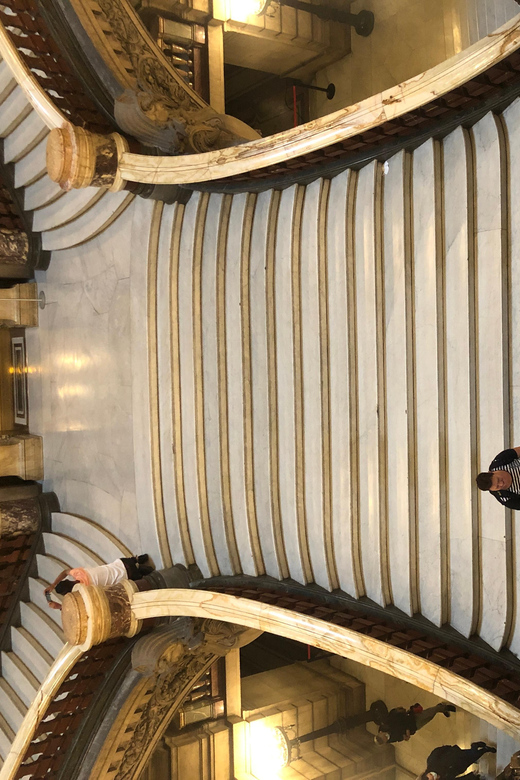
Once inside, the Opéra Garnier gives the children an immediate visual reward. The public areas are filled with the kind of decoration that makes a normal museum visit feel slow for a child, but works well in a treasure hunt: large stairways, ornate details, dramatic corridors, and richly decorated rooms.
The building is a masterpiece of 19th-century theater architecture. You do not need to know much about opera before arriving. The guide can use the decoration and layout as part of the story, pointing out details that might otherwise pass unnoticed.
This is where the guide’s style becomes important. A strong guide will keep the explanation short, then turn the children back toward the next clue. The best moments should feel like discovery rather than a standard speech about the building.
A less successful visit can become a basic guided tour with a few questions added. One adult described a guide repeating a set speech and struggling to answer questions, while the children’s booklet provided only a limited hunt. That is a serious warning for a tour sold as an interactive experience. You are paying for more than admission, so the guide needs to create a real connection between the story and the rooms.
The sound level can also affect the visit. The opera may contain several groups at once, and some use headsets while moving through the public areas. This family activity does not include headsets, so you may need to stay close to the guide to hear the instructions clearly.
Searching the public rooms for the missing costume
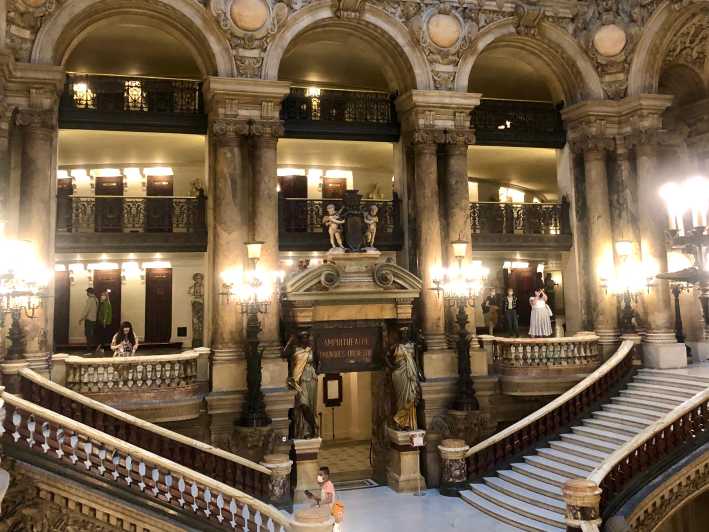
The hunt continues through the opera house’s public areas. The exact sequence of clues can vary, but the stated plan is clear: your children explore the most impressive rooms while solving riddles tied to the disappearance.
That approach works best for children who enjoy puzzles, role-play, and looking closely at their surroundings. A child who wants to touch every detail or race ahead may need reminders to stay with the group. Since the building is a functioning cultural site, the game takes place within its normal visitor rules, not in a special children-only zone.
The story also brings in the Phantom of the Opera and legends connected with the building. This gives the guide material for explaining why the opera house has such a mysterious reputation. The Phantom references may appeal to older children, but the activity is still framed as a missing-costume case rather than a frightening ghost tour.
I would treat the hunt as an introduction to the Opéra Garnier, not as a full architectural tour. You will see the public areas, but the focus is on completing the case. If you want detailed information about the architect, decoration, opera history, or artistic program, a dedicated adult tour may offer more.
The experience is described as being designed fully for children, but adults are still part of the private group. You can help with clues, take in the building, and keep younger children together. One point to watch: an account of the activity described the guide speaking mainly to the nine-year-old child while the adults waited on the side. That is not necessarily a problem if your aim is to give a child the spotlight, but it can feel poor value when five people are paying for a private visit.
The Opéra Garnier as the real star
Even if the mystery is uneven, the building gives the visit a strong foundation. The Palais Garnier is one of those Paris sights that can make children pause, especially when they enter a large ceremonial space after following a clue through a quieter corridor.
I like using a treasure hunt here because children often remember a place better when they have a task. They may not recall every architectural term, but they might remember where they found a clue, which room seemed most dramatic, or how close the ballet performance supposedly was to beginning.
The building’s theatrical setting also makes the missing costume story feel natural. Costumes, dressing rooms, dancers, stage preparations, and secret passages all belong to the world of opera and ballet. The guide can connect those ideas to the public rooms without needing complicated history lessons.
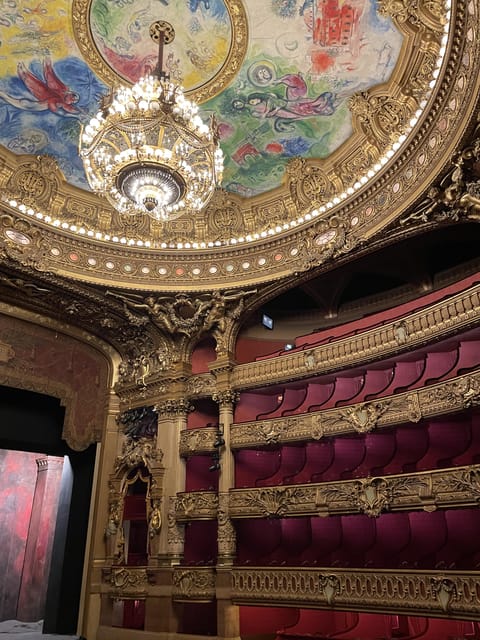
There is one important limitation. The public areas are open for discovery, but you may not be able to enter the auditorium if rehearsals are taking place. The opera cannot predict this far ahead, so you should not book this activity with the expectation of seeing every major interior space.
That uncertainty matters most if the auditorium is the main reason you want to visit. If your priority is a child-friendly activity in a grand Paris monument, the public rooms may be enough. If you want a complete behind-the-scenes look at the theater, you may prefer a different tour and should check its access details carefully.
How the private guide affects the experience
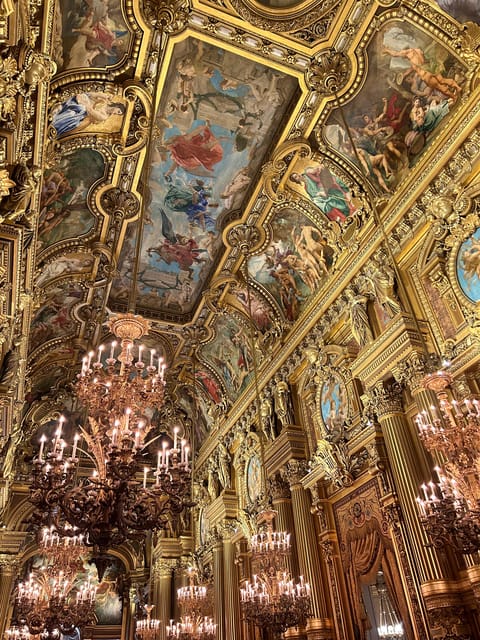
The guide is the heart of this activity. Tickets are included, but the admission ticket alone is not what you are buying. The extra cost pays for a licensed guide, a private group, and the effort to turn the building into a game.
The guide speaks English or French. If you have children with different language needs, confirm that the language you want is available when you book. A guide who speaks clearly and keeps the clues moving can make 90 minutes pass quickly.
One named guide connected with a particularly well-received visit was Anne-Laure, who was described as fascinating and kind with children. That gives you a useful standard to expect: the guide should explain enough to make the rooms meaningful, while keeping the children involved in the case.
Still, guide quality can vary. One poor experience involved a repeated speech, weak answers to questions, and a hunt reduced to a few prompts in a small booklet. The contrast with the positive comments is sharp. This is not a self-guided attraction where the format guarantees the same result every time.
For that reason, I would ask your guide at the start to explain how the hunt works. Make sure the children know what they are looking for, and speak up if the adults also want architectural information. Since the group is private, you have more room to shape the visit than you would on a large public tour.





Is $591 a fair price for up to five?
The listed price is $591 per group of up to five people. That is a major expense for a 90-minute activity, especially when compared with ordinary admission or a self-guided visit. The price works out better for a full group of five than for a couple with one child, but it remains a premium purchase.
The value comes from three things: entry tickets, a private licensed guide, and a children’s activity built around the opera house. If you have one short window in Paris and want a private experience aimed at your children, the convenience may justify the cost.
The value falls quickly if your children are too young to follow riddles, if they are not interested in mystery games, or if your adults want a detailed history of the building. It also falls if the guide delivers a standard speech rather than an active hunt.
There is a notable price concern in the available feedback. One family said they paid €75 and later found what they believed was a much cheaper children’s option through another source. The currencies and booking details do not match the listed $591 group price, so I would not treat the figures as directly comparable. Still, the larger lesson is useful: compare the cost with direct options at the opera before you commit.
A basic entry ticket or audio guide may be far cheaper. Another mystery game may offer a similar format. The private option makes sense when personal attention and a child-centered pace are more important to you than the lowest price.
Timing, bags, and practical planning
The activity lasts 1.5 hours. That is a sensible length for a family outing. It is long enough to see several public rooms and complete a short story, but not so long that younger children are likely to lose interest purely from fatigue.
The tour does not include transport, food, or drinks. Plan your route to the Opéra Garnier separately, and give your family a snack or drink before or after the visit. The meeting point is outside, so do not assume you can sort out food or bags once you arrive.
Strollers and baby carriages are not allowed. Luggage and large bags are also prohibited. If you are visiting Paris with children as part of a larger sightseeing day, this restriction deserves attention. Leave bulky items at your accommodation or make another storage plan before reaching the opera.
The experience offers free cancellation up to 24 hours before the start time, and you can reserve now while paying later. Those terms are helpful when family plans are still shifting, but check the exact booking conditions for your date.
Tickets are included, and the activity offers skip-the-ticket-line access. That saves you from arranging separate admission, though it does not mean you can ignore the meeting time. Your guide still needs to gather the group and lead you through the entrance process.
Who should book this family treasure hunt?
I would consider it for families with children who like stories, riddles, and detective games. It is also a good fit if you want to see the Opéra Garnier but worry that a formal adult tour will lose your children after ten minutes.
The private group is useful for families who want to stay together. You can move at your own pace within the tour’s limits, ask questions in English or French, and avoid the pressure of a large group.
I would be more cautious if your children are babies or toddlers. Strollers are not allowed, and the activity depends on children following a clue-based story. I would also hesitate if the adults in your group want extensive architectural detail, since the game takes priority.
The mixed feedback makes guide quality the deciding factor. The strongest experiences appear to come when the guide is warm, prepared, and comfortable talking with children. Before the visit, make your expectations clear: you want an actual treasure hunt, not just a standard tour with a few questions.
Should you book it?
Book this activity if your family wants a short, private mystery inside one of Paris’s most ornate buildings, and you are willing to pay for personal attention. The missing-costume story, Phantom of the Opera references, and grand public rooms give children a reason to look around rather than simply trail behind an adult.
Think twice if price matters most, or if you would be satisfied with a cheaper admission ticket and audio guide. At $591 for up to five, the experience needs a lively guide to earn its keep.
My practical advice is to choose it for the format, not simply for entry to the opera. The Opéra Garnier is worth seeing on its own, but the treasure hunt earns its price only when the guide turns the building into a genuine case for your children to solve.
FAQ
Where does the family treasure hunt meet?
Meet outside on the Opéra Garnier’s stairs, on the left when facing the opera house.
How long does the activity last?
The treasure hunt lasts 1.5 hours.
What is included in the price?
Entry tickets to the Opéra Garnier and a dedicated licensed guide are included.
What languages are available?
The live guide is available in English and French.
Is this a private activity?
Yes. The experience is arranged for a private group, with a price covering up to five people.
Can I bring a stroller or large bag?
No. Baby strollers, baby carriages, luggage, and large bags are not allowed.
Will I definitely enter the auditorium?
Not always. The auditorium may be unavailable if rehearsals are taking place, and this cannot be known in advance.