REVIEW · PARIS
Croissants and pains au chocolat with a pastry chef in Paris
Book on Viator →Operated by Un croissant à Paris · Bookable on Viator
Paris smells amazing when butter is involved.
This is a hands-on croissant and pains au chocolat class at a real home kitchen, led by pastry chef Joannie, where you’ll learn the why behind the steps, not just the motions. I love that it stays focused on technique—especially lamination and fermentation—so you understand what makes the layers puff instead of collapsing.
The second big win for me is the result. You don’t just watch pastry theater; you shape and bake, then you get to eat what you make with a hot drink. One watch-out: the class happens in the host’s home with a cat around, and it’s also not recommended for gluten-free or lactose-free diets.
If you’re looking for a break from museum mode and want a practical Paris skill you can repeat at home, this one fits the bill.
In This Review
- Key highlights to know
- Getting to 115 Bd Voltaire and what to expect when you arrive
- Learning croissants the real way: dough to lamination to fermentation
- Croissants and pains au chocolat: why they’re a smart pairing
- What happens during the tasting and the surprise pastry moment
- Small group size (max 6) and how that changes your outcome
- The recipe is your real souvenir
- Recommendations for Paris patisseries and where this class fits in your trip
- Price and value: is $126.98 worth 2.5 hours?
- Dietary limits, age rules, and the cat issue you should actually plan for
- The practical flow: how to get the most out of your 2.5 hours
- Who should book this croissant-and-pain-au-chocolat class?
- Should you book Un croissant à Paris?
- FAQ
- How long is the croissant and pain au chocolat class?
- Where do we meet in Paris?
- What’s the group size?
- What languages are available?
- What will I make during the class?
- Is there food included, or is it just instruction?
- Do I get a recipe to make this at home?
- Is this class suitable for gluten-free or lactose-free diets?
- Are children allowed?
- Is there a cancellation deadline?
Key highlights to know
- Chef Joannie teaches step-by-step and keeps things orderly through a multi-stage dough process
- Small group (max 6) means you get hands-on help instead of standing in line for answers
- You practice lamination, fermentation, shaping, and baking—the whole chain, not just one trick
- You eat during class and also get a surprise French pastry from the chef
- Recipe is sent after the class, so you’re not stuck with blurry notes
- Cat on site is part of the experience, so allergic or cat-anxious guests should think twice
Getting to 115 Bd Voltaire and what to expect when you arrive
Your class meets at 115 Bd Voltaire, 75011 Paris, in East Paris, and it ends back at the same point. The location is described as near public transportation, which matters because you’re heading to a private home (not a big building with a crowd control system).
This is not a sit-down show. It’s a working kitchen setup where you’ll likely feel the timing of baking—hands need to be cleaned, butter needs to be handled correctly, and the dough doesn’t wait for slow-moving tourists.
Plan on arriving a bit early if you can. Even with good transit access, it helps your brain switch from street-scanning Paris mode to pastry mode. And because the group is small, the session depends on everyone starting together.
You can also read our reviews of more tours and experiences in Paris.



Learning croissants the real way: dough to lamination to fermentation
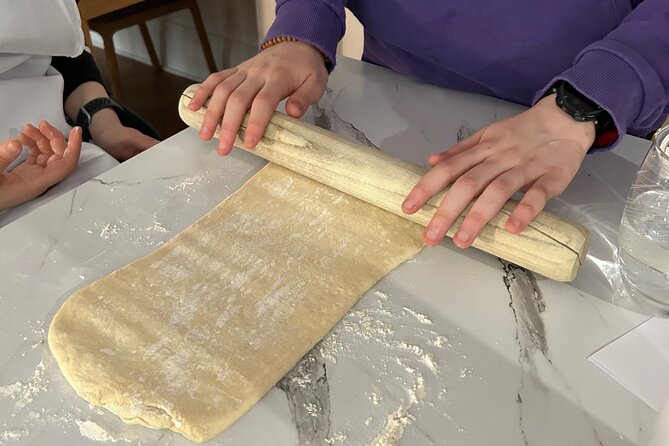
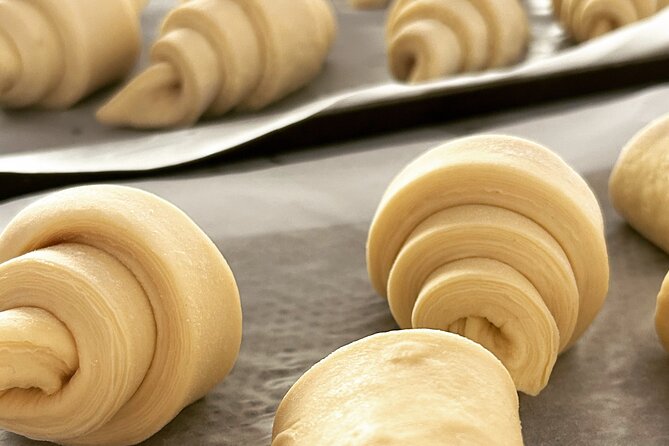
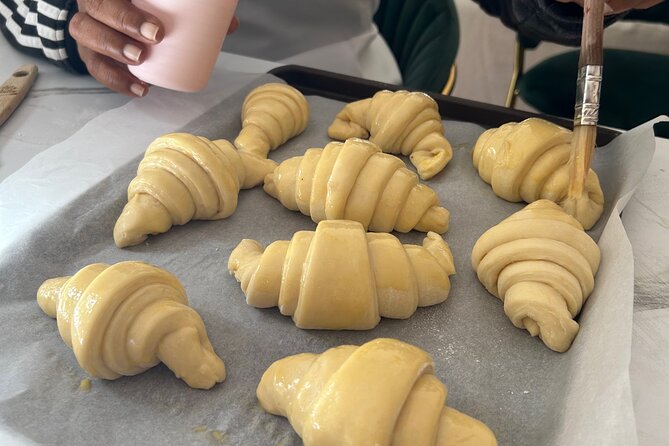
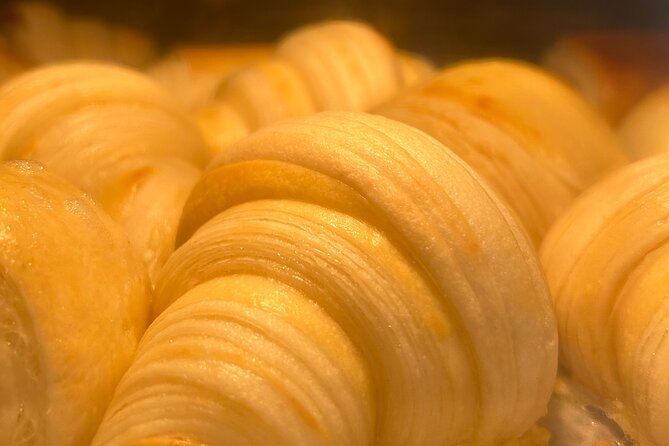
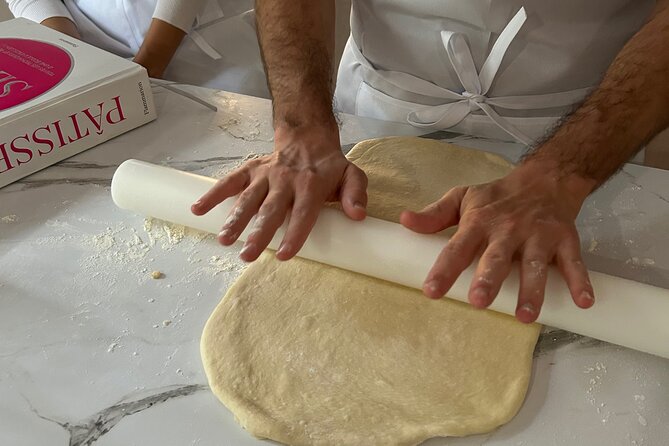
The core promise here is that you’ll learn croissants and pains au chocolat with step-by-step chef guidance through the full process. That includes dough work, lamination (the butter-layering magic), fermentation (the flavor and texture building step), shaping, and baking.
What makes this valuable is that you’re not just copying a recipe. You’re learning the logic behind each stage—how the dough should feel, how butter handling affects the layers, and how fermentation timing changes the final bite. You also get guidance on how to work with scraps, which is the kind of practical detail you only pick up from someone who actually bakes for a living.
From the class description and the strong feedback, Joannie’s teaching style is thorough and calm. People highlight how the small group meant everyone participated, and how clear explanations helped them get it right. If you’ve ever tried making croissants at home and ended up with something that tastes fine but looks wrong, this type of coaching is what you’ll want.
Croissants and pains au chocolat: why they’re a smart pairing
Making croissants and pains au chocolat in the same session is a clever setup. The technique overlaps enough that you reinforce key skills like dough handling and lamination, while the shaping step keeps things interesting. You’ll get practice with both classic forms—croissant curves and pain au chocolat’s neat rectangle roll.
And you can eat your way through the results while it’s still warm, which makes it easier to learn what “correct” tastes like. That immediate feedback loop is a huge part of why classes like this stick in your memory.
What happens during the tasting and the surprise pastry moment
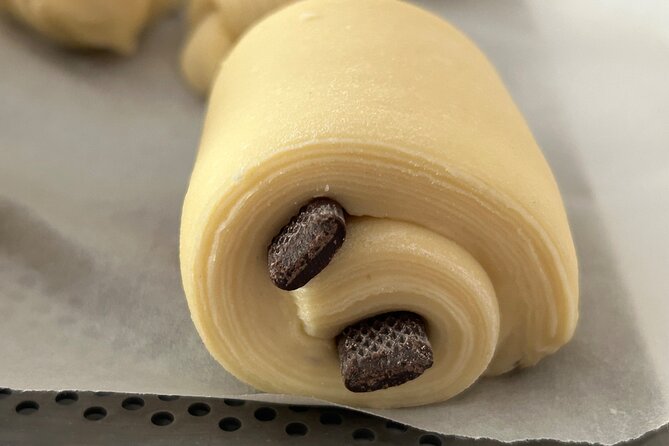
During the class, you’ll enjoy croissants and pains au chocolat with a hot beverage. On top of the pastries you’re making, the chef also includes a surprise French pastry.
That tasting isn’t just a snack break. It’s part of the learning experience because you can compare textures and flavor across butter levels, bake time, and filling-to-dough balance. Even if you’re a beginner, having something to taste while you’re learning helps your brain calibrate.
One small note from the practical side: not every guest reported the exact same drink experience. One comment noted they weren’t offered tea or coffee specifically, even though a hot beverage is included in the overview. If your drink preference is strict, I’d treat it as a heads-up and ask when you book.
Small group size (max 6) and how that changes your outcome
This class is limited to a maximum of 6 travelers, and that matters more than most people expect. In a larger group, you’d spend your time waiting for instructions. Here, you can actually get real-time help while your hands are full.
In the feedback, people repeatedly mention how intimate the group felt and how everyone got to participate. That’s the difference between taking a photo at the end and leaving with a technique you can reproduce.
It also changes the energy. You get a relaxed atmosphere in a home setting, with time for questions. Some guests even used the downtime between steps to chat about Paris and get local recommendations.




The recipe is your real souvenir
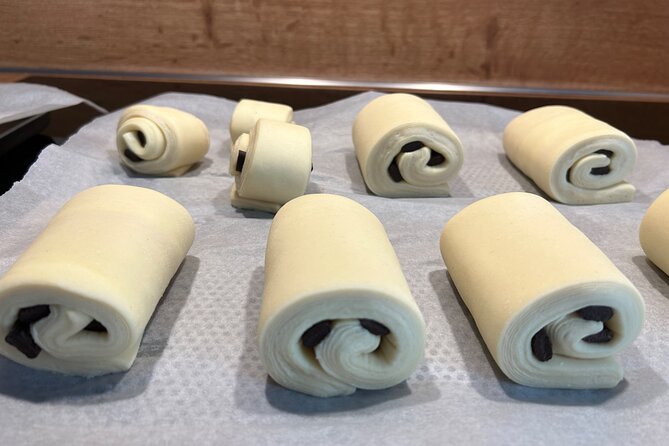
A lot of cooking classes stop at the finished plate. This one adds a bigger takeaway: the recipe and tips are sent after your class, so you can recreate the pastries at home.
That matters because croissants and pain au chocolat aren’t one-night projects. Even with the chef’s guidance, your first attempt at home can fail if you forget the small handling cues—how to roll without warming the butter, when the dough needs rest, and what a properly shaped piece should look like before baking.
Having written steps later turns this from a one-time fun afternoon into an actual skill you can keep. If you love cooking and want a souvenir that isn’t just edible but useful, this is a smart value-add.
Recommendations for Paris patisseries and where this class fits in your trip
Another perk is that you discuss your Paris trip during the class and get recommendations for local patisseries and restaurants. That’s especially handy if you’re staying nearby or if your itinerary is short and you want to target places you’ll remember.
This kind of advice works best when you tell the chef what you actually like. If you prefer classic butter-forward pastries, ask for patisseries known for dough quality. If you want modern takes, ask for places where the fillings and flavors feel current.
I also like that the class can be a relief valve during a busy schedule. Several comments describe it as a relaxing break from tourist attractions—time spent learning and eating instead of sprinting between landmarks.
Price and value: is $126.98 worth 2.5 hours?
The price is $126.98 per person for about 2 hours 30 minutes. On its face, that can feel high compared with a single bakery purchase. But here’s the value math that makes more sense.
You’re paying for:
- A certified pastry-chef teacher (Joannie) guiding you through multi-stage work
- A small group setting (max 6), which reduces waiting and increases coaching
- Hands-on training that includes lamination, fermentation, shaping, and baking
- Food included during the class, plus a surprise pastry
- A take-home skill via the recipe sent after class
If you bake even a few times after the lesson, the cost becomes easier to justify. You’re not just buying pastries—you’re buying the method and the corrections you’d otherwise learn the hard way through trial and error.
One review called it overpriced, so if you’re thinking of this as mostly “an eating experience,” you may not feel the same value. But if you want technique, coaching, and repeatable results, the structure is built for that.
Dietary limits, age rules, and the cat issue you should actually plan for
This class is not recommended for gluten-free and/or lactose-free diets. That’s important because traditional croissant dough depends on wheat flour and butter, and lactose-free baking isn’t something you should expect to be supported in a standard French technique class.
There’s also an age note: it’s not available for children under 10. One family reported success with an 8-year-old with help, but that conflicts with the listed age guidance—so I’d treat the minimum age rule seriously and confirm if you’re traveling with younger kids.
Then there’s the elephant in the butter. The host home has a cat, and the experience isn’t recommended for people allergic to cats or afraid of them. If cats are a trigger for you, don’t gamble. Better to choose a different class type where animals aren’t part of the environment.
Finally, the experience is available in French, English, and Italian. That helps if you’re traveling with mixed-language friends, or if English-only support matters to you.
The practical flow: how to get the most out of your 2.5 hours
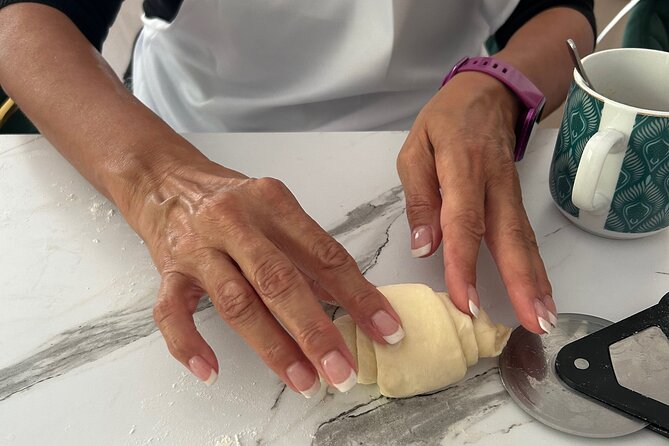
Even without a minute-by-minute itinerary listed, you can plan your mindset. You’ll be working through dough stages that require patience and timing. That means:
- Expect to get your hands busy early
- Follow instructions tightly during lamination
- Keep an eye on dough rest and fermentation timing (even if it’s mostly chef-managed)
- Ask questions when the process pauses between stages
Since you’re likely moving through multiple steps, it’s also smart to show up ready to learn. Comfortable clothes help because you’ll be around dough and handling butter. If you’re the type who likes taking photos mid-process, keep it brief so you don’t interrupt the workflow.
And since the class ends back at the meeting point, you can slot this into your day without needing a long return journey across town.
Who should book this croissant-and-pain-au-chocolat class?
I’d recommend it if:
- You want a hands-on French pastry skill you can repeat later
- You like learning technique, not just eating
- You travel with family or a small group and value small-group instruction
- You want a relaxing, local-home experience in Paris
It’s probably not your best match if:
- You need gluten-free or lactose-free options
- You have a cat allergy or strong fear around cats
- You’re hoping for a quick snack stop with zero cooking effort
- You dislike home-based experiences (this is clearly a private setting, not a public workshop hall)
Should you book Un croissant à Paris?
If your idea of a great Paris day includes rolling dough, learning lamination, and leaving with the feeling you can make something truly French at home again, then yes—this is a strong pick. The combination of small group size, thorough chef teaching, included tasting, and a recipe sent after class is what makes it feel like more than a novelty.
Book it early in your planning if you can, since the class is limited to a small number of people. And before you go, be honest about two things: your diet needs and the cat situation.
If those check out, you’ll likely come away with a new skill, a belly full of butter, and a story that’s way better than another line at another museum.
FAQ
How long is the croissant and pain au chocolat class?
The class runs for about 2 hours 30 minutes.
Where do we meet in Paris?
You meet at 115 Bd Voltaire, 75011 Paris, France, and the experience ends back at the same meeting point.
What’s the group size?
The class has a maximum of 6 travelers.
What languages are available?
The class is offered in French, English, and Italian.
What will I make during the class?
You’ll learn to make croissants and pains au chocolat with step-by-step guidance.
Is there food included, or is it just instruction?
You’ll enjoy croissants and pains au chocolat with a hot beverage during the class, and you’ll also have a surprise French pastry made by the chef.
Do I get a recipe to make this at home?
Yes. The recipe and tips are sent to you after the class so you can reproduce it at home.
Is this class suitable for gluten-free or lactose-free diets?
It’s not recommended for gluten-free and/or lactose-free diets.
Are children allowed?
Children under 10 years old are not available for this experience.
Is there a cancellation deadline?
Yes. You can cancel for a full refund if you cancel at least 24 hours before the experience’s start time.