REVIEW · PARIS
Craft a unique souvenir hat with Lady Gaga’s renowned hatmaker
Book on Viator →Operated by MiniMeParis Experiences · Bookable on Viator
A hat you shape yourself in Paris. Chapellerie MiniMe Paris turns a souvenir into a real craft lesson tied to Lady Gaga-level style.
You’ll work in a famous Paris atelier, choose materials and a hat form, then finish with decorations while learning how hatmakers actually get the shape right.
Two things I like about this workshop. You pick from lots of options, including merino wool or rabbit felt in many colors, plus styles like fedora, trilby, boater, and capeline. You’re also not shut out if you speak English, because instruction is often supported by translation tech like an app and Bluetooth audio.
One possible drawback to plan for: the price can climb when you start adding decorations. The workshop fee covers the core process, but extra embellishments like certain buttons, pins, and charms can be add-on purchases.
In This Review
- Key points to know before you go
- Walking into Chapellerie MiniMe Paris and what the workshop feels like
- Pick your materials and colors at the heart of the hat
- Hat forms, wood blocks, and getting the size right
- Choosing your hat style: fedora, trilby, boater, capeline, and more
- Finishing and decorations: where the fun starts and costs can appear
- Timing reality: 3 hours on paper, craft time in the real world
- Value check: is $175.36 worth it?
- Who should book this workshop
- Should you book? My practical take
- FAQ
- FAQ
- How long is the hat-making workshop?
- Where does the workshop meet, and how do I find it?
- What styles of hats can I choose?
- What materials are available for your hat?
- Is the workshop offered in English?
- Can I cancel and get a full refund?
Key points to know before you go
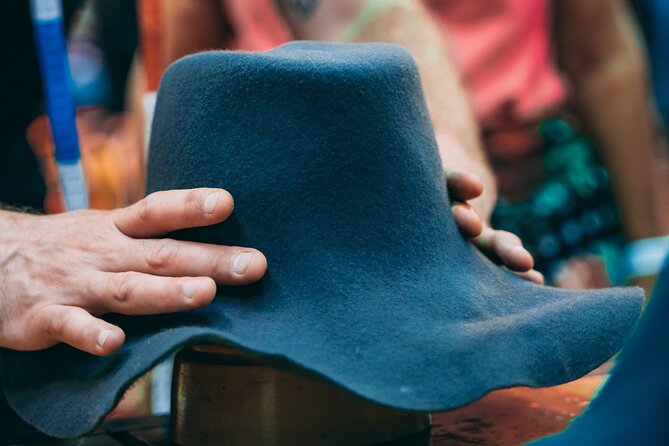
- Choose your felt or straw base: you can select materials such as merino wool/rabbit felt and even natural straw, guided by the instructor
- Real shaping methods: wood blocks, water/steam, hammers, pins, stretching, and heat finishing are part of the process
- Small group format: the group size caps at 10, which helps with hands-on coaching
- English support varies by instructor: some guides use translation apps and devices to keep you on track
- Decorations can cost extra: you may get a few items included, but many of the fun add-ons are priced separately
- You take your hat home the same day: your finished piece is designed to be worn, not just displayed
Walking into Chapellerie MiniMe Paris and what the workshop feels like
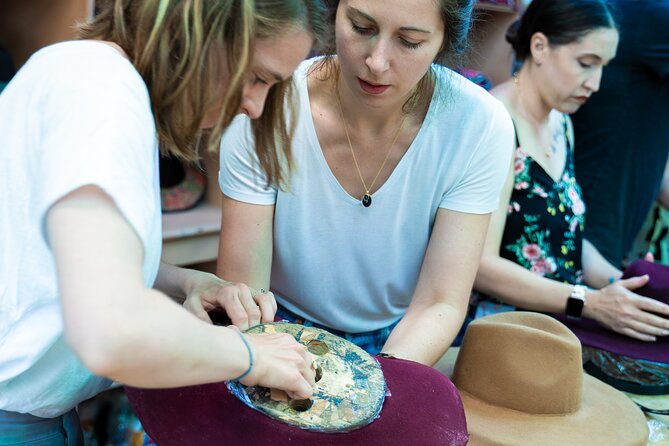
The experience starts at 25 R. de Turbigo, 75002 Paris, at Chapellerie MiniMe Paris. This is the kind of place where the workshop energy is real: you’re not wandering a museum and watching someone else work. You’re at a hatmaker’s atelier, surrounded by materials and examples that connect the craft to high-fashion wear.
The group stays small (up to 10), which matters because hat shaping needs attention. In this kind of workshop, one person stretching too hard or pinning in the wrong spot can ruin the look. Having an instructor close by makes a difference, and several guides/helpers have been mentioned over time, including Fabrice, Mary, Marie (owner), and Sara.
You’ll also get a taste of celebrity-level design. The atelier shows pieces linked to famous wearers such as Lady Gaga, so you can see what “designer” hatmaking looks like beyond basic souvenir hats.
Practical feel: you’ll likely be on your feet for long stretches, working at a table more than sitting in a class chair. That’s part of the fun, but it means comfortable shoes are a smart move.
You can also read our reviews of more tours and experiences in Paris.



Pick your materials and colors at the heart of the hat
Your first real creative decision is choosing the base material and color. Expect choices like 30 colors of merino wool or rabbit felt, plus options such as natural straw and other traditional or contemporary materials. The instructor guides you through what works for the hat shape you want and what will be easiest to form.
Why this matters: felt and wool don’t behave the same way under steam and stretching. If you want a hat with a sharp, structured look, you’ll likely lean toward felt types that hold shape well. If you want something lighter for warmer days, straw may be on the table. You’re not just picking a pretty color; you’re choosing a material that will affect how your finished hat looks once it’s set.
Tip that keeps you sane: pick your hat color early, even before you obsess over decorations. A lot of people get overwhelmed once they see all the ribbons, feathers, charms, and buttons available. If your base is decided, you’ll feel calmer when you move to finishing.
Hat forms, wood blocks, and getting the size right
Once you choose the material and style, you’ll move into shaping. The process usually starts with selecting a wood block or form that matches your head size and the hat silhouette you picked. You’ll be measured so the crown and fit look right when you try it on.
This is one of the most valuable parts of the workshop because it turns a souvenir into something you can actually wear. Store-bought hats often fit “close enough.” Here, the goal is proper shape and comfort for your head size.
You’ll learn and practice the core techniques hatmakers use:
- Using water and steam to make the material pliable
- Stretching and pulling the felt into place
- Using tools such as hammers and pins to help form crisp areas
- Heat-setting so the hat holds its shape
- Working toward a clean finish so it looks intentional, not homemade
If you’re the type who likes doing real work, you’ll probably enjoy this stage the most. It’s physical in the way good crafts often are. Even if you’ve never shaped felt before, the instructor coaching is designed to get you to a wearable result.
Choosing your hat style: fedora, trilby, boater, capeline, and more
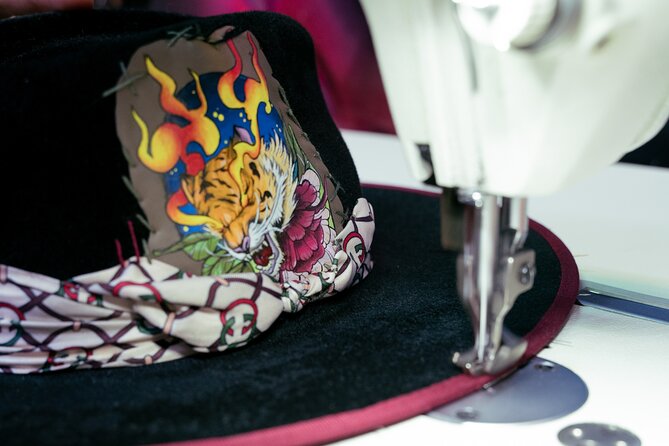
You can pick classic hat shapes such as fedora, trilby, boater, and capeline, plus other options. The style choice affects everything after that: how the crown forms, how the brim rolls or sits, and how your decorations will read visually.
Here’s how to make a smart choice. Think about what you’ll actually wear once you’re home. A fedora or trilby tends to look stylish with most outfits and photographs well. A boater or capeline can give you more of a “Paris street” vibe and can feel lighter depending on the material you choose.
Also, don’t ignore fit. A hat can look perfect on the form and still feel off if it isn’t shaped to your head. The measuring step is there so you don’t end up with a hat that feels like costume jewelry rather than a real piece of clothing.
Finishing and decorations: where the fun starts and costs can appear
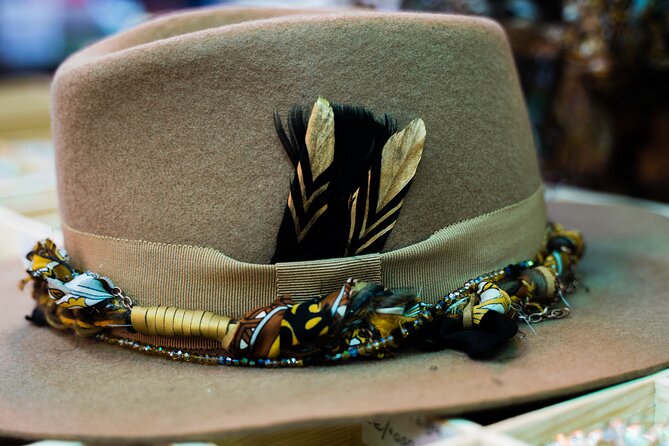
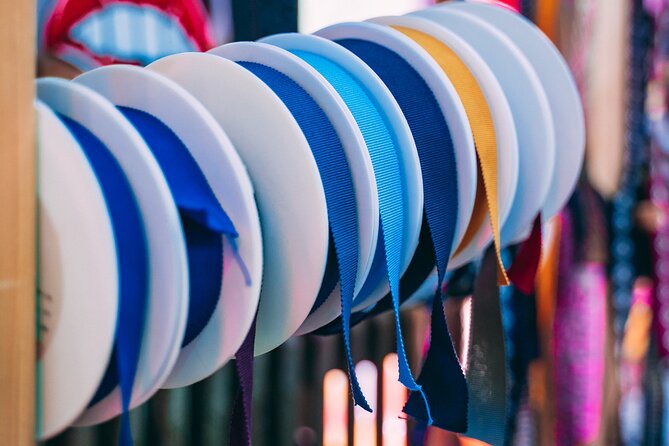
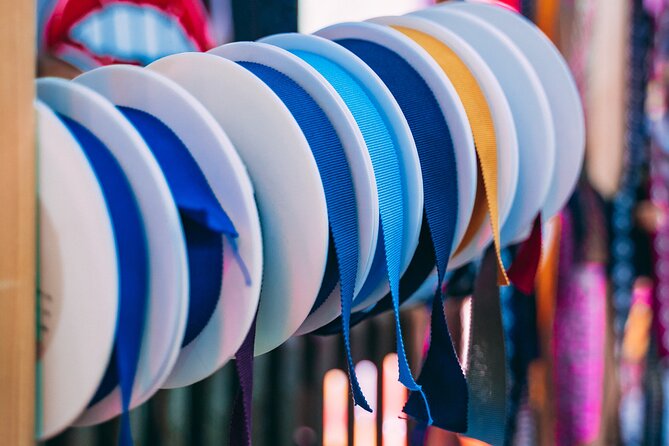
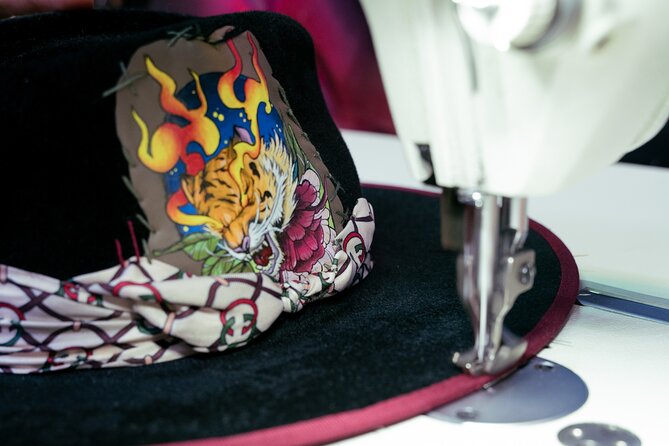
After the crown and shape are set, you shift to finishing. This is where your hat becomes personal. You can add details like ribbons, feathers, scarves, charms, and other decorative items. The selection can feel broad, and some pieces are very fashion-forward.
What to know about inclusions: the workshop base typically covers the core hatmaking process and may include a few decoration items. But multiple experiences point out that extras you might want most, such as certain buttons, pins, and other embellishments, can cost extra. One person specifically noted you might start with only basic included add-ons, then pay for the rest.
This doesn’t mean you shouldn’t book. It means you should budget with your tastes in mind. If you love the blingy look, set aside extra for finishing. If you want to keep spending controlled, decide your decoration plan early: pick a ribbon and one or two standout pieces, then stop.
A practical way to avoid sticker shock: decide on your “maximum total” spending number before you start decorating. Once you’re holding tools and choosing from a wall of trims, it’s easy to lose track.





Timing reality: 3 hours on paper, craft time in the real world
The duration is listed as about 3 hours, but schedule creep can happen in any hands-on workshop. Some experiences note the class running longer than expected or taking extra time when choosing certain finishing options.
What you should do with that info: don’t plan a tight back-to-back itinerary right after your workshop. Aim for a buffer so you’re not stressing over train times or dinner reservations.
Also, plan for the physical side. You’ll likely be standing for stretches and leaning over your work. Comfortable shoes make a bigger difference than you think.
Language support is another part of timing. If your instructor speaks mostly French, you may rely on translation tech like apps and audio devices. That can work well, but it can also slow down understanding and add a few minutes while the group catches up. The upside is that the workshop is structured, so you’re not wandering around unsure what to do.
If you’re worried about staying energized, bring a water bottle. One review suggestion was that nothing is really provided, so you don’t want to rely on finding water in the middle of crafting.
Value check: is $175.36 worth it?
This workshop costs $175.36 per person, which is not cheap for Paris. The value comes from what you leave with: a hat that’s made through real craft steps, shaped to your size, and decorated the way you choose.
Think of it like this:
- You’re paying for expertise and time spent forming the hat correctly
- You’re paying for access to tools and materials that aren’t just sitting around for decoration
- You’re paying for the fact that you take home a wearable piece of design, not a paper souvenir
Some people felt it was pricey, mainly because extras weren’t obvious at first. Others called it one of the most unique things they did in Paris, with the feeling that the craftsmanship quality justified the cost. The consistent theme is that you don’t just watch. You work, you steam, you stretch, you decorate, and you learn the steps that make a hat hold its look.
If you’re already shopping for a fashion hat in Paris, consider what you’d pay for something comparable in quality. A custom, personally shaped hat is hard to replicate elsewhere, especially when it’s connected to a celebrity-style atelier environment.
Who should book this workshop
This is a great fit if you want a hands-on Paris experience that’s different from the usual sightseeing loop. You’ll probably enjoy it most if you like making things with your hands, learning how products are built, and wearing your memories afterward.
It’s also a solid choice for groups and couples because the workflow can be interactive without being chaotic in a big way. The group cap helps keep attention on everyone.
Children must be accompanied by an adult, which makes it possible for families, though the physical shaping work may be more comfortable for older kids.
English speakers should feel reasonably supported, since the experience offers English and may use translation tech such as apps and Bluetooth. Still, it helps to be patient. Craft workshops move at the pace of instruction and shaping, not at the pace of modern city tours.
One extra caution that can matter on the day: there may be lockers for belongings. If you use one, double-check it’s fully secured. One experience described locker issues that made it feel too easy for valuables to slip out.
Should you book? My practical take
Book it if you want:
- A custom hat you’ll actually wear
- A real craft lesson with steaming, stretching, and shaping tools
- A small-group atelier experience tied to high-fashion hatmaking
- A souvenir that feels personal because you made it start-to-finish
Skip (or adjust expectations) if:
- You want a fixed, all-in price with no extra spending on decorations
- You dislike standing and doing physical work
- You need a very predictable 3-hour schedule with zero wiggle room
If you do book, here’s how to make it smooth: bring comfy shoes, arrive a little early, pick your base material and hat shape confidently, then set a decoration budget before you get tempted by charms and designer-style buttons.
FAQ
FAQ
How long is the hat-making workshop?
It runs about 3 hours (approx.).
Where does the workshop meet, and how do I find it?
The meeting point is 25 R. de Turbigo, 75002 Paris, France. It’s near public transportation, and the activity ends back at the meeting point.
What styles of hats can I choose?
You can choose classic styles such as fedora, trilby, boater, capeline, or other options, guided by the instructor.
What materials are available for your hat?
You can choose from options including merino wool or rabbit felt in many colors, plus natural straw and other traditional or contemporary options.
Is the workshop offered in English?
Yes, it is offered in English. Confirmation is received at booking, and the experience is designed to be usable for most travelers.
Can I cancel and get a full refund?
Yes. You can cancel for a full refund if you cancel at least 24 hours before the experience’s start time.