REVIEW · NARBONNE
Château de Luc: Unique visit and wine tasting
Book on GetYourGuide →Operated by Famille Fabre | Château de Luc · Bookable on GetYourGuide
A 14th-century cellar changes how you taste wine. At Château de Luc, you get history, family stories, and organic wine tasting all in one tight day in the Languedoc.
I especially like how the visit links centuries of winemaking to what’s happening in the vines today, not just facts on a wall. You’ll also get a tasting that covers multiple local appellations, from IGP Pays d’Oc to AOC Languedoc, Corbières, and Minervois.
One possible drawback: the tour is designed as a short experience, so if you want a long, leisurely tasting session, you may want to plan extra stops after.
In This Review
- Key moments that make Château de Luc memorable
- Entering Château de Luc: historic rooms, real family momentum
- The underground cellar tour: what it adds to your wine senses
- The Midi viticole epic: 19th-century glory and the 1907 revolt
- Organic wine tasting in an old stable: what you’ll drink and why it’s worth it
- Languages and guide style: how to get the most from the 3-language tour
- Price and value at around $15 per person
- Who should book (and who should plan a backup)
- Should you book Château de Luc?
- FAQ
- How long is the Château de Luc visit?
- What does the wine tasting include?
- Is the tour offered in multiple languages?
- Where does the tour take you?
- Is the wine tasting focused on organic wines?
- Is there a children’s option?
- Is the tour wheelchair accessible?
- How much does it cost?
- Can you cancel if plans change?
Key moments that make Château de Luc memorable
- Underground cellar access to the 14th-century aging space beneath the château
- Epic of the Midi viticole storytelling, from the 19th-century golden age to the 1907 revolt
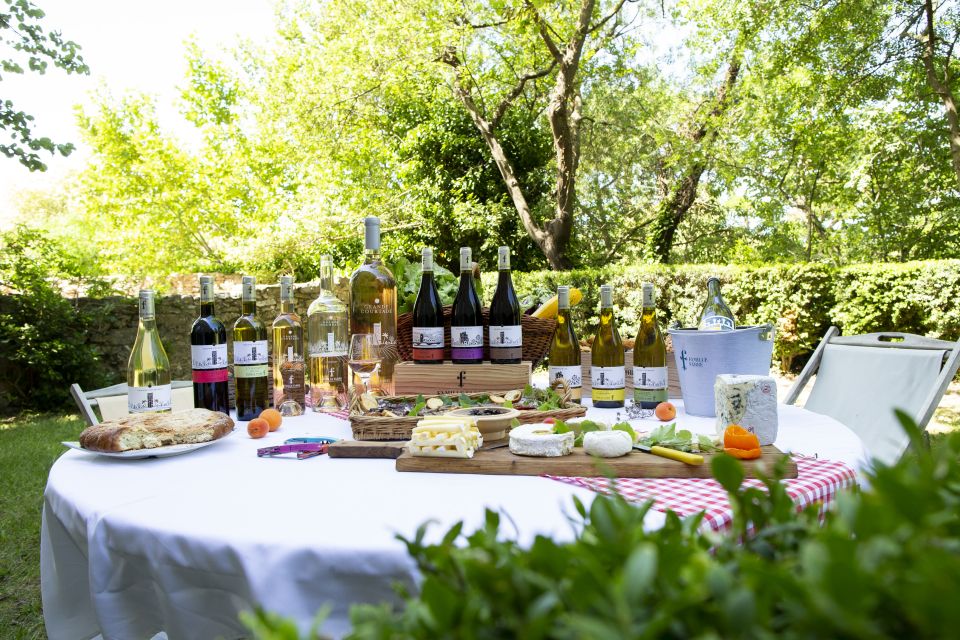
- Organic wine tasting in a historic tasting setting (an old stable)
- Multilingual guidance in French, English, and Spanish
- Q&A with vineyard and winemaking know-how you can actually use when you’re touring the region
Entering Château de Luc: historic rooms, real family momentum
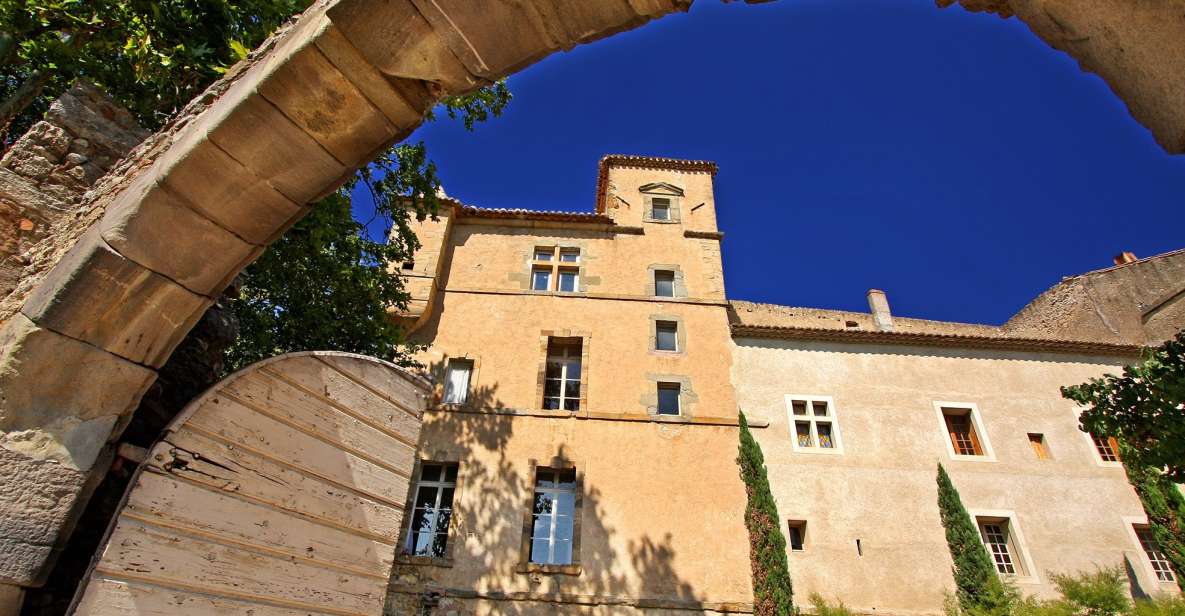
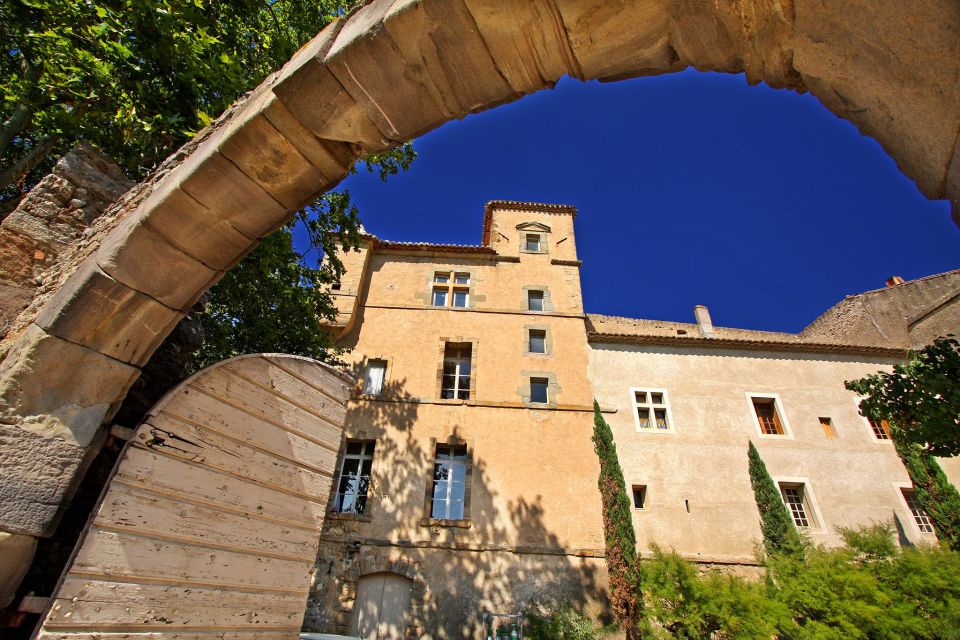
Château de Luc is the kind of stop you’ll remember because it doesn’t feel like a theme park version of wine. It feels like a family-run operation where wine culture and daily work share the same heartbeat.
You start with a tour of the château’s historic rooms, moving through time. The goal is simple: help you understand how the Languedoc became what it is by showing the rooms where the business, the decisions, and the lifestyle happened. It also sets up the big reveal later, when you step into the underground cellar and realize why these places were built the way they were.
I like that the tone stays practical. You’re not just looking at old stone. You’re learning how people stored wine, managed aging, and kept the connection between vineyard and cellar running—“in perpetual motion,” in the spirit of what the hosts emphasize.
What to watch for: during the early rooms portion, pay attention to the timeline. It’s not random history. The story is meant to land when you’re underground, smelling old wood, listening to how aging works, and seeing the cellar as part of a larger regional pattern.
You can also read our reviews of more food & drink experiences in Narbonne


The underground cellar tour: what it adds to your wine senses
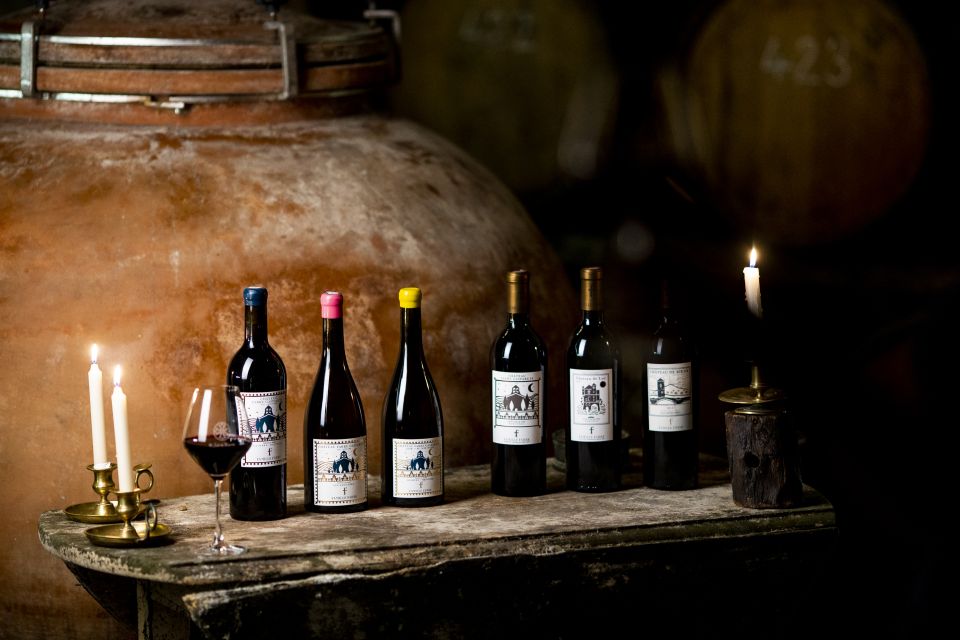
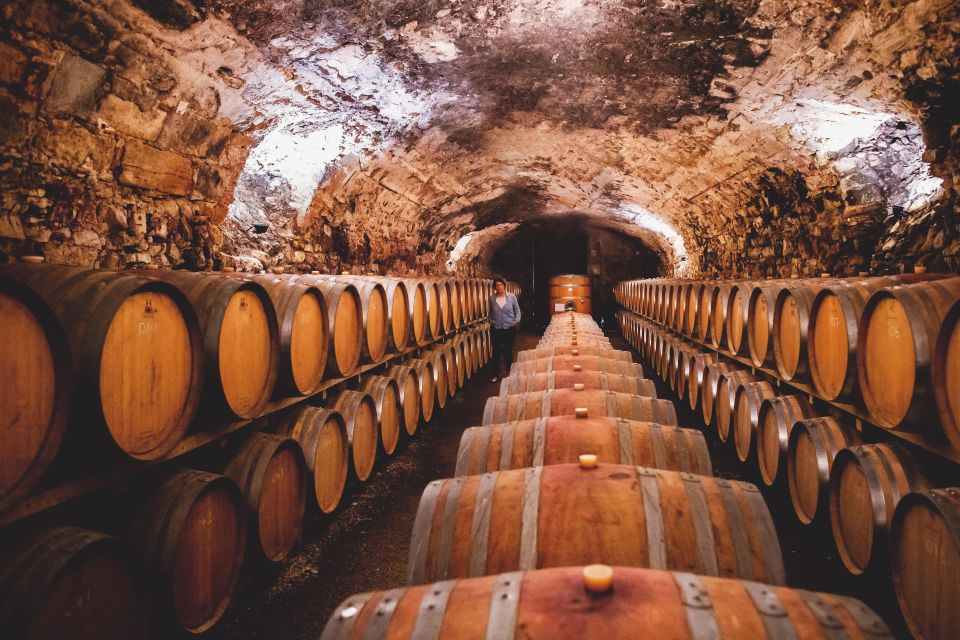
Then comes the part that makes this visit different: the visit to the 14th-century underground cellar. You’re going back in time, and the change in atmosphere is part of the lesson. Underground aging isn’t a gimmick; it’s practical wine technology from an era before modern temperature control.
In many wine regions, the cellar is where the magic is. Here, it’s where the history becomes physical. You see aging barrels and learn how that underground setting supports long-term development—something that makes more sense after you’ve heard the regional story aboveground.
Also, the hosts make sure this isn’t just walking through. The cellar visit is framed as part of the Languedoc landscape of winemaking: why the area’s producers built and adapted their systems, and how those choices shaped the wines that came out of the region.
Why it matters for you: once you’ve seen the underground aging space, tasting later on feels more connected. You’ll pick up details faster—like how time in wood can influence taste, and how the cellar environment supports that process.
Small consideration: the tour experience is structured and time-focused. If you love lingering in cellars for 45 minutes at a slow pace, you might wish it ran longer. It’s still worth it—just go in knowing it’s a guided day, not an open-ended stroll.
The Midi viticole epic: 19th-century glory and the 1907 revolt
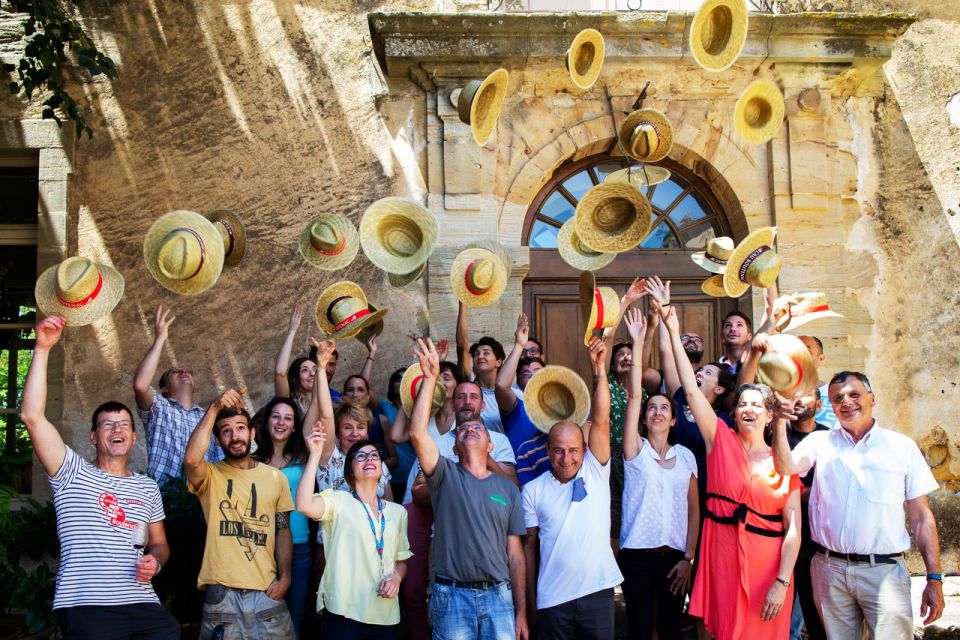
One of the clever things Château de Luc does is treat wine history as regional history. The tour doesn’t stop at when grapes were planted; it connects winemaking to social change and the changing relationship between producers, markets, and regulation.
You’ll get the story of the Languedoc during its Golden Age of the 19th century, and then you’ll move into the tensions that culminated in the great revolt of 1907. Even if you’ve read bits of this in guidebooks, hearing it inside a living family business makes it click.
Here’s the value for you: wine can feel like a product with labels. This kind of storytelling makes it feel like a result of real pressures—economic, political, and cultural. That context helps you understand why modern categories and appellations matter today, and why vineyard management is never only about taste.
The hosts also tie the historic narrative to the present by talking about vineyard management and winemaking choices. You’ll hear explanations that connect old practices to modern organic farming goals, and that blend of past-to-present is what makes the tour more than a quick tasting.
If you’re a history-and-wine person: this is the part you’ll likely remember most.
Organic wine tasting in an old stable: what you’ll drink and why it’s worth it
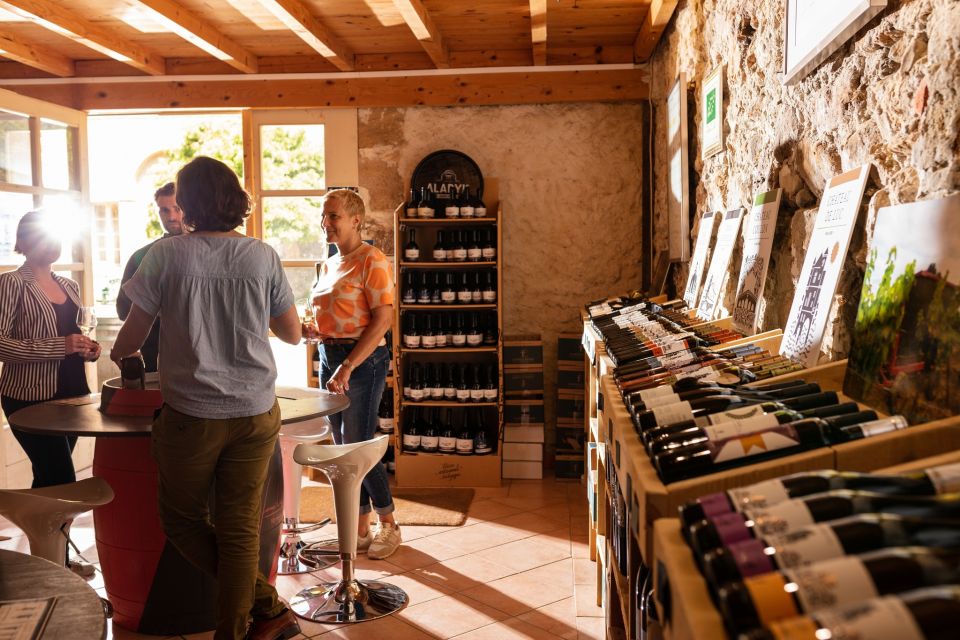
After the historical sections, you shift into the tasting cellar, housed in an old stable. That setting fits the overall vibe: functional, atmospheric, and clearly part of how this operation has worked for a long time.
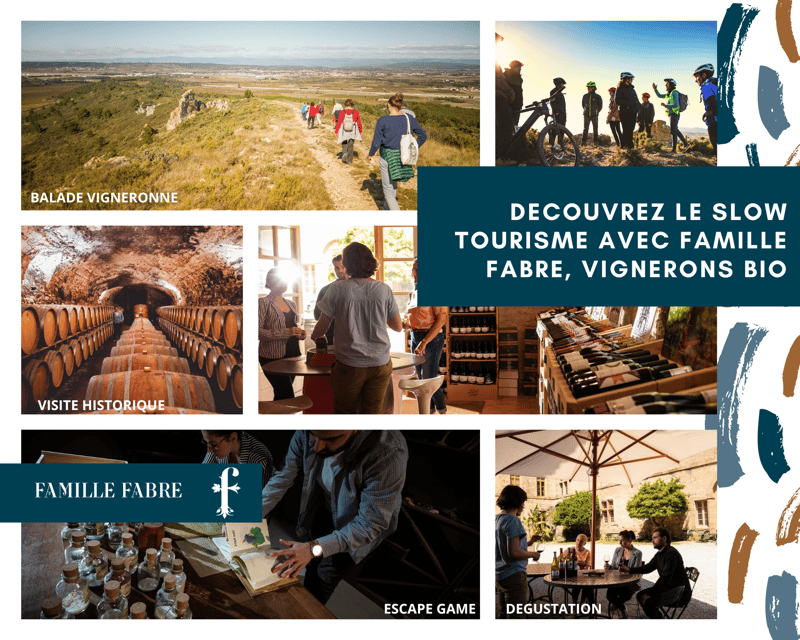
The tasting itself is built around organic wines, with a selection that typically ranges from 3 to 6 wines. You’ll sample across different regional labels: IGP Pays d’Oc as well as AOC Languedoc, Corbières, and Minervois. That variety is a smart move for a one-day visit because it gives you multiple ways to understand the region.
Instead of only giving you one house style, this structure helps you answer the question that matters when you’re traveling in wine country: how does the region express itself across appellations? Even without being a wine expert, the tasting is designed so you can compare.
I also like that the hosts actively invite questions about vineyard management and winemaking. If you’ve ever wondered why organic farming changes the work in the vineyard, or how choices affect taste, this is where you can ask. You’re not stuck guessing.
Possible drawback to keep in mind: wine quality is subjective, and one strict palate may want a different selection or a longer format. Also, because the tasting is designed to fit into a day plan, it won’t feel like a slow wine seminar. If you want deep, back-to-back comparisons of every wine in the lineup, you may want to extend the day with an additional tasting later.
Languages and guide style: how to get the most from the 3-language tour
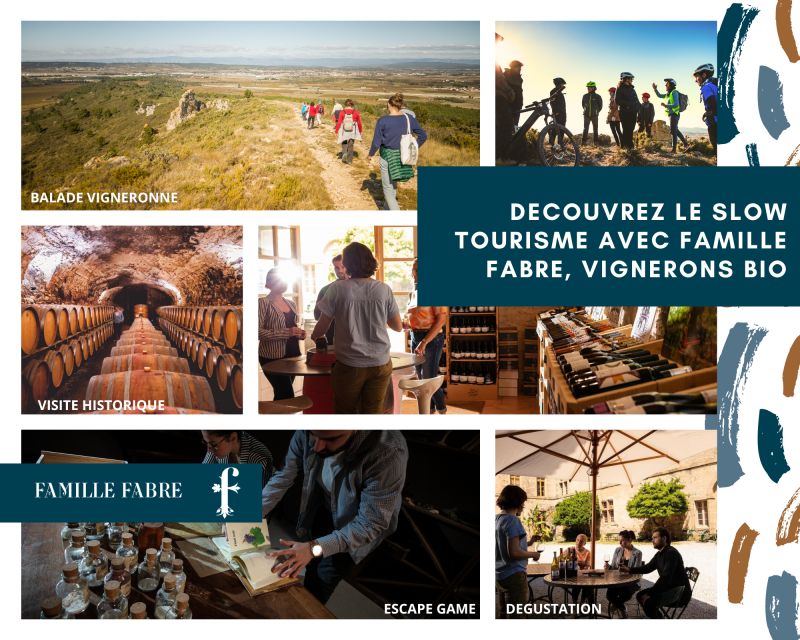
Château de Luc runs the tour in French, English, and Spanish. That matters more than it sounds. When a wine guide explains vineyard work, cellar choices, and regional history, you’ll get more from the day if you’re absorbing every detail—not translating mentally.
A strong highlight from real-world experiences is the guide’s passion and clarity. One guide named Jeanne has been praised for keeping explanations simple while still hitting real expertise—especially when it comes to the relationship between the estates, the wine, and the work behind them. The family hosts also tend to be welcoming and ready to answer questions without making you feel like you should already know wine jargon.
Tip for you: come with at least two questions you’d actually ask while standing in a vineyard or cellar. For example: How do organic practices affect the vines here? What changes in the cellar are most important to aging? Having questions in mind helps you connect the history to the tasting.



Price and value at around $15 per person
At $15 per person, Château de Luc sits in a very approachable price zone. What makes it good value isn’t only the price tag—it’s what you get layered on top:
- A guided visit through historic rooms
- Entry to a 14th-century underground cellar
- A guided organic tasting (typically 3 to 6 wines)
- Explanations in three languages, plus room for questions
In wine regions, tastings can be expensive when they’re short and transactional. Here, the experience earns the price because it builds a story. You understand why the cellar exists, why the region went through major turning points, and how today’s organic approach fits that longer timeline.
Who gets the best deal: people who want both history and wine, and who appreciate local farming practices. If that sounds like you, you’re likely to feel like you paid fairly.
Who might feel price doesn’t match expectations: if you only want a long, high-volume tasting experience or you expect the selection to match a very specific taste profile. The format is structured and compact. Still, at this price, it’s hard to argue against trying it at least once.
Who should book (and who should plan a backup)
Château de Luc works best if you’re traveling in the South of France and want an authentic, family-run wine stop with a real sense of place. It’s ideal for:
- Wine lovers who want organic farming explained in plain language
- History-minded travelers who like regional stories (not just labels)
- People who want a guided visit rather than doing everything on their own
It may be less ideal if:
- You need wheelchair accessibility (the tour is not suitable for wheelchair users)
- You’re expecting a long tasting session with multiple rounds and extended time in the cellar
- You have very specific expectations about wine quality or selection—because the tasting is a curated sample, not an unlimited spread
If you fall into the second group, you can still enjoy it—but treat it as a focused introduction. Afterward, you can always do a follow-up tasting elsewhere if you want more time.
Navigation tip: one practical complaint that’s easy to fix is visitor-area directions. If you’re driving, plan ahead and make sure you know how to reach the correct entrance area. A little extra prep saves frustration.
Should you book Château de Luc?
Yes, I think you should book Château de Luc if you want a one-day wine experience that connects Languedoc history to organic wine in a real operating château. The 14th-century underground cellar visit and the Midi viticole story make the tasting feel earned, not random.
Book it especially if you like tours that explain how vineyard decisions and cellar aging translate into what’s in your glass. For most travelers, the $15 price is a fair match for the guided depth you get.
Just go in with the right expectation: it’s a guided, compact format. If you want a slow, long tasting afternoon or you need wheelchair access, you’ll likely want a different kind of winery visit.
FAQ
How long is the Château de Luc visit?
It lasts 1 day.
What does the wine tasting include?
You’ll taste a selection of the château’s organic wines, typically 3 to 6 wines.
Is the tour offered in multiple languages?
Yes. The tour is available in French, English, and Spanish.
Where does the tour take you?
You tour the château’s historic rooms and then visit the 14th-century underground cellar, followed by a tasting in the tasting cellar housed in an old stable.
Is the wine tasting focused on organic wines?
Yes. The wines you taste are organic.
Is there a children’s option?
Yes. There’s a free visit for under-age children.
Is the tour wheelchair accessible?
No. It’s listed as not suitable for wheelchair users.
How much does it cost?
The price is $15 per person.
Can you cancel if plans change?
Free cancellation is available up to 24 hours in advance for a full refund.